חיפוש

קידושין מה

רוצה להקדיש לימוד?

podcast placeholder

0:00
0:00


תקציר

הדף היום מוקדש ע”י ג’ייסון, אריקה ורחל לכבוד יום הולדתה של אמם, פטי בלקין.

עולא חולק על רב ושמואל וטוען שאין בקידושי קטנה כלום ולא חוששים שמא נתרצה האב. הגמרא מביאה שתי קושיות עליו ממשנה ביבמות ומברייתא, אך הקושיות נפטרות. אם הקטנה נתקדשה ומת בעלה בלא ילדים ונפלה לייבום, מה מצריך רב שתעשה היבם? זה תלוי באם הוא כבר עשה מאמר או לא. אם אבא מקבל קידושין בעבור בנו, האם יש לחשוש שהבן הסכים ויש תוקף לנישואין כמו שיש לחשוש שמא האב נתרצה בקידושי בתו הקטנה או שאין להשוות את המקרים? מסופר סיפור על אב שנתרצה לאשתו לקדש בתו לקרובים של אשתו למרות שרצה קידושין עם קרוביו. ואז במסיבת קידושין, קרוב שלו קידשה אותה לפני הקידושין עם קרובים של אשתו. האם מניחים שהאבא הסכים לקידושין עם קרוב משפחתו? מה הדין אם נתקדשה לדעת אביה ונישאה שלא לדעת אביה והוא במדינת הים או הוא נמצא ושתק. האם יש הבדל בין המקרים?

קידושין מה

וְשָׁוִין שֶׁמּוֹכְרָהּ אַלְמָנָה לְכֹהֵן גָּדוֹל, גְּרוּשָׁה וַחֲלוּצָה לְכֹהֵן הֶדְיוֹט. הַאי אַלְמָנָה הֵיכִי דָמֵי? אִילֵּימָא דְּקַדְּשַׁהּ אָבִיהָ, מִי מָצֵי מְזַבֵּין לַהּ? הָא אֵין אָדָם מוֹכֵר אֶת בִּתּוֹ לְשִׁפְחוּת אַחַר אִישׁוּת! אֶלָּא לָאו דְּקַדִּישׁ אִיהִי נַפְשַׁהּ וְקָא קָרֵי לַהּ אַלְמָנָה!

And they agree that he can sell her to a High Priest even if she is a widow, or to a common priest even if she is a divorcée or is a yevama who performed ḥalitza [ḥalutza]. Although such marriages are prohibited, they do take effect. The Gemara analyzes this: What are the circumstances of this widow who can be sold as a maidservant by her father? If we say that her father betrothed her and her husband subsequently died while she was still a minor, is he able to sell her after her betrothal? A person cannot sell his daughter into servitude after he has betrothed her. Rather, isn’t the baraita referring to a case when she betrothed herself as a minor, and yet it calls her a widow, indicating that such a betrothal is effective, contrary to the opinion of Ulla.

אָמַר רַב עַמְרָם אָמַר רַבִּי יִצְחָק: הָכָא בְּקִידּוּשֵׁי יִעוּד. וְאַלִּיבָּא דְּרַבִּי יוֹסֵי בְּרַבִּי יְהוּדָה, דְּאָמַר: מָעוֹת הָרִאשׁוֹנוֹת לָאו לְקִידּוּשִׁין נִיתְּנוּ.

Rav Amram said that Rabbi Yitzḥak said: Here it deals with a minor girl widowed from a betrothal of designation, i.e., her father sold her as a Hebrew maidservant, and the master designated her as his wife but died before he married her. And this is in accordance with the opinion of Rabbi Yosei, son of Rabbi Yehuda, who says: The original money of the sale of the maidservant was not given for the purpose of betrothal. Rather, her betrothal goes into effect when her master relinquishes his rights to have her serve as a Hebrew maidservant. Since this betrothal was not accepted by the father, he is later permitted to sell her as a maidservant again.

אִיתְּמַר: מֵת וְנָפְלָה לִפְנֵי אָחִיו לְיִבּוּם, אָמַר רַב הוּנָא אָמַר רַב: מְמָאֶנֶת לְמַאֲמָרוֹ, וְאֵינָהּ מְמָאֶנֶת לְזִיקָּתוֹ. כֵּיצַד? עָשָׂה בָּהּ מַאֲמָר – צְרִיכָה גֵּט, וּצְרִיכָה חֲלִיצָה, וּצְרִיכָה מֵיאוּן.

§ It was stated: If a man who betrothed a minor without her father’s consent died, and she happened before his brothers for levirate marriage, Rav Huna says that Rav says: She performs refusal for his levirate betrothal, i.e., if the yavam performed levirate betrothal with her, divorce is effected only by means of refusal in addition to a bill of divorce, but she does not perform refusal for his levirate bond to her. If he did not perform levirate betrothal, she does not require refusal as well as ḥalitza. How so? If he performed levirate betrothal with her, she requires a bill of divorce, and she requires ḥalitza, and she requires refusal.

צְרִיכָה גֵּט – שֶׁמָּא נִתְרַצָּה הָאָב בְּקִידּוּשֵׁי שֵׁנִי. צְרִיכָה חֲלִיצָה – שֶׁמָּא נִתְרַצָּה הָאָב בְּקִידּוּשֵׁי רִאשׁוֹן. צְרִיכָה מֵיאוּן – שֶׁמָּא לֹא נִתְרַצָּה הָאָב לֹא בְּקִידּוּשֵׁי רִאשׁוֹן וְלֹא בְּקִידּוּשֵׁי שֵׁנִי, וְיֹאמְרוּ אֵין קִידּוּשִׁין תּוֹפְסִין בַּאֲחוֹתָהּ.

The Gemara clarifies: She requires a bill of divorce, as perhaps the father desired the betrothal of only the second man. Levirate betrothal is performed in the same manner as standard betrothal, i.e., by giving money. If the father did not desire the first betrothal she is not a yevama, and the second betrothal goes into effect, requiring a bill of divorce to end the betrothal. She requires ḥalitza, as perhaps the father desired the betrothal of the first man, in which case she is a regular yevama, who requires ḥalitza to be released from the yavam. She requires refusal, as perhaps the father did not desire either the betrothal of the first man or the betrothal of the second man. If she receives a bill of divorce and performs ḥalitza, and the second man proceeds to betroth her sister, people will say that the betrothal does not take effect with her sister, as they will think that the first betrothal was fully valid.

לֹא עָשָׂה בָּהּ מַאֲמָר – אֵינָהּ צְרִיכָה אֶלָּא חֲלִיצָה בִּלְבַד. מַאי אָמְרַתְּ: תִּיבְּעֵי נָמֵי מֵיאוּן, שֶׁמָּא יֹאמְרוּ אֵין קִידּוּשִׁין תּוֹפְסִין בַּאֲחוֹתָהּ? הַכֹּל יוֹדְעִים: אֲחוֹת חֲלוּצָה דְּרַבָּנַן. דְּאָמַר רֵישׁ לָקִישׁ: כָּאן שָׁנָה רַבִּי אֲחוֹת גְּרוּשָׁה מִדְּאוֹרָיְיתָא, אֲחוֹת חֲלוּצָה מִדִּבְרֵי סוֹפְרִים.

If he did not perform levirate betrothal with her, she requires only ḥalitza. The Gemara explains: If you say that she should require refusal as well, lest people say that betrothal does not take effect with her sister, that is unnecessary. Everyone knows that a sister of one’s ḥalutza is forbidden by rabbinic law only; therefore, they also know that betrothal with the sister would be effective, and they would not permit the sister to marry others without receiving a bill of divorce. This is as Reish Lakish said with regard to the wording of a mishna (Yevamot 41a): Here Rabbi Yehuda HaNasi incidentally taught that a sister of one’s divorcée is forbidden to him by Torah law, whereas a sister of one’s ḥalutza is forbidden to him by rabbinic law.

הָנְהוּ בֵּי תְרֵי דַּהֲווֹ קָא שָׁתוּ חַמְרָא תּוּתֵי צִיפֵּי בְּבָבֶל. שְׁקַל חַד מִינַּיְיהוּ כָּסָא דְחַמְרָא, יְהַב לֵיהּ לְחַבְרֵיהּ. אֲמַר: מִיקַּדְּשָׁא לִי בְּרַתָּיךְ לִבְרִי. אֲמַר רָבִינָא: אֲפִילּוּ לְמַאן דְּאָמַר חָיְישִׁינַן שֶׁמָּא נִתְרַצָּה הָאָב –

§ The Gemara relates: There were these two people that were sitting and drinking wine under poplar trees [tzifei] in Babylonia. One of them took a cup of wine and gave it to his friend. He said: Betroth for me your daughter to my son by receiving this cup of wine. Ravina says: Even according to the one who says that in the case of a minor girl who became betrothed without her father’s consent, we are concerned that perhaps the father desired the betrothal,

שֶׁמָּא נִתְרַצָּה הַבֵּן לָא אָמְרִינַן. אָמְרִי לֵיהּ רַבָּנַן לְרָבִינָא: וְדִילְמָא שָׁלִיחַ שַׁוְּיֵהּ? לָא חֲצִיף אִינִישׁ לְשַׁוּוֹיֵי לַאֲבוּהּ שָׁלִיחַ. וְדִילְמָא אַרְצוֹיֵי אַרְצְיַיהּ קַמֵּיהּ? אֲמַר לֵיהּ רַבָּה בַּר שִׁימִי: בְּפֵירוּשׁ אָמַר מָר דְּלָא סָבַר לְהָא דְּרַב וּשְׁמוּאֵל.

and we do not say that perhaps the son desired the betrothal. The Sages said to Ravina: But perhaps the son appointed his father as an agent to betroth her, and the betrothal should take effect. He replied: A person is not so brazen as to appoint his father as his agent and thereby treat him as an assistant of sorts. They further inquired: But perhaps the son made his desire known to his father by speaking of his desire to marry the woman, and the father acted of his own accord upon his son’s wishes and betrothed her to him. Rabba bar Shimi said to Ravina: This is not a concern, since the Master, i.e., Ravina, explicitly said that he does not agree with this opinion of Rav and Shmuel that when a minor girl accepts betrothal there is a concern that perhaps the father desired it. So too, there is no concern that a father can act for the son without his awareness.

הָהוּא גַּבְרָא דְּקַדֵּישׁ בְּכִישָׁא דְיַרְקָא בְּשׁוּקָא. אֲמַר רָבִינָא: אֲפִילּוּ לְמַאן דְּאָמַר חוֹשְׁשִׁין שֶׁמָּא נִתְרַצָּה הָאָב – הָנֵי מִילֵּי דֶּרֶךְ כָּבוֹד, אֲבָל דֶּרֶךְ בִּזָּיוֹן – לָא.

The Gemara relates: There was a certain man who betrothed a minor girl without her father’s consent with a bundle of vegetables in the marketplace. Ravina says: Even according to the one who says that when a minor becomes betrothed without her father’s consent we are concerned that perhaps the father desired the betrothal, this matter applies only if the man betrothed her in a dignified manner. But as the betrothal in this case was done in a degrading manner, there is no concern.

אֲמַר לֵיהּ רַב אַחָא מִדִּיפְתִּי לְרָבִינָא: בִּזָּיוֹן דְּמַאי? אִי בִּזָּיוֹן דְּיַרְקָא, אִי בִּזָּיוֹן דְּשׁוּקָא? נָפְקָא מִינַּהּ דְּקַדֵּישׁ בְּכַסְפָּא בְּשׁוּקָא, אוֹ בְּכִישָׁא דְיַרְקָא בְּבֵיתָא, מַאי? אֲמַר לֵיהּ: אִידֵּי וְאִידֵּי דֶּרֶךְ בִּזָּיוֹן הוּא.

Rav Aḥa of Difti said to Ravina: What was the degradation in this manner of betrothal? Was the degradation from the fact that he used vegetables, or was the degradation due to the betrothal having been performed in the marketplace? The practical difference concerns cases where one betrothed a minor girl with money in the marketplace, or where one betrothed a minor girl with a bundle of vegetables in a house. What is the halakha? Ravina said to him: Both this and that, i.e., each of them is considered a degrading manner.

הַהוּא דְּאָמַר לְקָרִיבַאי, וְהִיא אָמְרָה לְקָרִיבַהּ. כְּפַתֵּיהּ עַד דַּאֲמַר לַהּ: ״תֶּיהְוֵי לְקָרִיבַהּ״. אַדְּאָכְלִי וְשָׁתוּ אֲתָא קָרִיבֵיהּ בְּאִיגָּרָא וְקַדְּשַׁהּ.

The Gemara further relates: A couple wanted to marry off their minor daughter. That one, the father, said: I want to marry her off to my relative, while she, the mother, said she wanted to marry the daughter off to her relative. His wife pressured him and forced him until he said to her: Let the girl be married to her, i.e., the mother’s, relative. While they were eating and drinking the festive meal before the betrothal, his relative came to the roof and betrothed her to himself.

אָמַר אַבָּיֵי: כְּתִיב ״שְׁאֵרִית יִשְׂרָאֵל לֹא יַעֲשׂוּ עַוְלָה וְלֹא יְדַבְּרוּ כָזָב״. רָבָא אָמַר: חֲזָקָה אֵין אָדָם טוֹרֵחַ בִּסְעוּדָה וּמַפְסִידָהּ.

The Gemara assumes that the father did not desire this betrothal. Why? Abaye said: It is written: “The remnant of Israel shall not do iniquity, nor speak lies” (Zephaniah 3:13). The father had agreed that she would marry his wife’s relative, and he would stand by his word. Since the betrothal of his minor daughter is dependent on his desire, there is no concern that the father desired his relative’s betrothal. Rava said a different reason: There is a presumption that a person does not take the trouble of preparing a meal and then cause it to be lost. Since he prepared a festive meal in honor of his daughter’s betrothal to his wife’s relative, he would not desire a betrothal that would render his efforts for naught.

מַאי בֵּינַיְיהוּ? אִיכָּא בֵּינַיְיהוּ דְּלָא טְרַח.

The Gemara asks: What is the difference between these two explanations? The Gemara answers: The difference between them concerns a case where he did not take the trouble of preparing a meal. According to Rava, since he had not gone to any effort, there should be concern that the betrothal is valid. Abaye would hold that since he would not go back on his word, they are not betrothed.

נִתְקַדְּשָׁה לְדַעַת אָבִיהָ, וְהָלַךְ אָבִיהָ לִמְדִינַת הַיָּם וְעָמְדָה וְנִישֵּׂאת, אָמַר רַב: אוֹכֶלֶת בִּתְרוּמָה עַד שֶׁיָּבֹא אָבִיהָ וִימַחֶה. רַב אַסִּי אָמַר: אֵינָהּ אוֹכֶלֶת, שֶׁמָּא יָבוֹא אָבִיהָ וִימַחֶה, וְנִמְצֵאת זָרָה אוֹכֶלֶת בִּתְרוּמָה לְמַפְרֵעַ. הֲוָה עוֹבָדָא וְחַשׁ לַהּ רַב לְהָא דְּרַב אַסִּי.

§ If a minor became betrothed with her father’s consent, and her father left for overseas, and she went ahead and got married of her own accord in her father’s absence, Rav says: If she is an Israelite who married a priest, she may partake of teruma until her father comes and protests, explicitly stating that he does not agree to the marriage. Rav Asi said: She may not partake of teruma. Perhaps her father will come and protest, and it will be found retroactively that a non-priest has partaken of teruma. The Gemara relates: There was an incident of this kind, and Rav was concerned for this opinion of Rav Asi and did not allow a girl in this situation to partake of teruma.

אָמַר רַב שְׁמוּאֵל בַּר רַב יִצְחָק: וּמוֹדֶה רַב שֶׁאִם מֵתָה – אֵינוֹ יוֹרְשָׁהּ. אוֹקִי מָמוֹנָא בְּחֶזְקַת מָרֵיהּ.

Rav Shmuel bar Rav Yitzḥak says: And Rav concedes that if the minor girl dies, the husband does not inherit from her, because of the principle: Establish money in the possession of its owner. Since the validity of her marriage is a matter of uncertainty, as the father might protest it, the money remains with her previous inheritors.

נִתְקַדְּשָׁה לְדַעַת וְנִיסֵּת שֶׁלֹּא לְדַעַת, וְאָבִיהָ כָּאן, רַב הוּנָא אָמַר: אֵינָהּ אוֹכֶלֶת. רַב יִרְמְיָה בַּר אַבָּא אָמַר: אוֹכֶלֶת.

The Gemara cites another dispute between the Sages: If a minor became betrothed with her father’s consent, and she married without his consent, and her father is here, i.e., present, Rav Huna said: She may not partake of teruma. Rav Yirmeya bar Abba said: She may partake of teruma.

רַב הוּנָא אָמַר: אֵינָהּ אוֹכֶלֶת. וַאֲפִילּוּ לְרַב, דְּאָמַר אוֹכֶלֶת – הָתָם הוּא דְּלָא אִיתֵיהּ לְאָב, אֲבָל הָכָא דְּאִיתֵיהּ לְאָב, הַאי דְּאִישְׁתִּיק – מִירְתָּח רָתַח. רַב יִרְמְיָה בַּר אַבָּא אָמַר: אוֹכֶלֶת. וַאֲפִילּוּ לְרַב אַסִּי דְּאָמַר אֵינָהּ אוֹכֶלֶת, הָתָם הוּא דְּשֶׁמָּא יָבוֹא אָבִיהָ וִימַחֶה, אֲבָל הָכָא מִדִּשְׁתֵיק – אִיתְנוֹחֵי אִיתְנְחָא לֵיהּ.

The Gemara explains the two opinions: Rav Huna said she may not partake of teruma, and even according to Rav, who said that if her father is overseas she may partake of teruma, this is so only there, in the case where the father is not present. But here, where the father is present, he does not consent to the marriage; the reason that he was silent in this situation and refrained from protesting is that he was so angry that he did not wish even to speak to her. Conversely, Rav Yirmeya bar Abba said: She may partake of teruma, and even according to Rav Asi, who said that she may not partake of teruma, it is there that there is a concern that perhaps her father will come and protest. But here, from the fact that he was silent the assumption is that he is comfortable with the marriage.

נִתְקַדְּשָׁה שֶׁלֹּא לְדַעַת אָבִיהָ, וְנִיסֵּת שֶׁלֹּא לְדַעַת, וְאָבִיהָ כָּאן, רַב הוּנָא אָמַר: אוֹכֶלֶת, רַב יִרְמְיָה בַּר אַבָּא אָמַר: אֵינָהּ אוֹכֶלֶת. אָמַר עוּלָּא: הָא דְּרַב הוּנָא ״כַּחֹמֶץ לַשִּׁנַּיִם וְכֶעָשָׁן לָעֵינָיִם״. הַשְׁתָּא וּמָה הָתָם דְּקִידּוּשֵׁי דְּאוֹרָיְיתָא אָמְרַתְּ לָא אָכְלָה, הָכָא לֹא כׇּל שֶׁכֵּן?!

The Gemara cites another case: If a minor became betrothed without the consent of her father, and married without his consent, and her father is here, Rav Huna said: She may partake of teruma. Rav Yirmeya bar Abba said: She may not partake of teruma. Ulla said: This opinion of Rav Huna, that in this case she may partake of teruma, is irritating “as vinegar to the teeth, and as smoke to the eyes” (Proverbs 10:26), as it contradicts his earlier ruling. Now consider: And what about there, i.e., in a case where her betrothal was with her father’s consent, when there is at least betrothal by Torah law, you said she may not partake of teruma in case he did not consent to the marriage. Is it not all the more so the case that here, i.e., where even the betrothal was performed without her father’s consent, she should not be permitted to partake of teruma?

חדשה בלימוד הגמרא?

זה הדף הראשון שלך? איזו התרגשות עצומה! יש לנו בדיוק את התכנים והכלים שיעזרו לך לעשות את הצעדים הראשונים ללמידה בקצב וברמה שלך, כך תוכלי להרגיש בנוח גם בתוך הסוגיות המורכבות ומאתגרות.

פסיפס הלומדות שלנו

גלי את קהילת הלומדות שלנו, מגוון נשים, רקעים וסיפורים. כולן חלק מתנועה ומסע מרגש ועוצמתי.

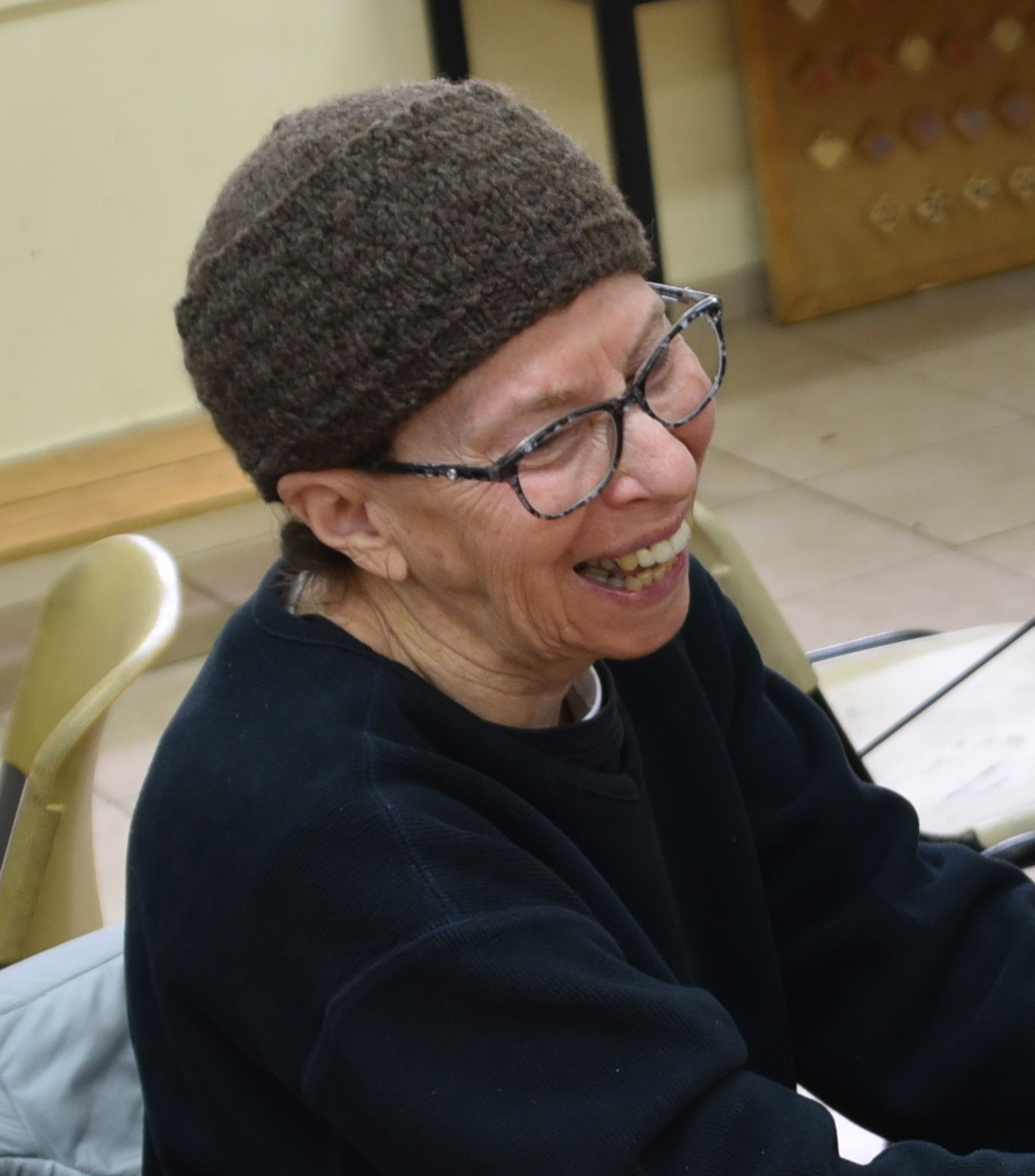
אמא שלי למדה איתי ש”ס משנה, והתחילה ללמוד דף יומי. אני החלטתי שאני רוצה ללמוד גם. בהתחלה למדתי איתה, אח”כ הצטרפתי ללימוד דף יומי שהרב דני וינט מעביר לנוער בנים בעתניאל. במסכת עירובין עוד חברה הצטרפה אלי וכשהתחלנו פסחים הרב דני פתח לנו שעור דף יומי לבנות. מאז אנחנו לומדות איתו קבוע כל יום את הדף היומי (ובשבת אבא שלי מחליף אותו). אני נהנית מהלימוד, הוא מאתגר ומעניין

Renana Hellman
רננה הלמן

עתניאל, ישראל

כבר סיפרתי בסיום של מועד קטן.
הלימוד מאוד משפיעה על היום שלי כי אני לומדת עם רבנית מישל על הבוקר בזום. זה נותן טון לכל היום – בסיס למחשבות שלי .זה זכות גדול להתחיל את היום בלימוד ובתפילה. תודה רבה !

שרה-ברלוביץ
שרה ברלוביץ

ירושלים, ישראל

התחלתי כשהייתי בחופש, עם הפרסומים על תחילת המחזור, הסביבה קיבלה את זה כמשהו מתמיד ומשמעותי ובהערכה, הלימוד זה עוגן יציב ביום יום, יש שבועות יותר ויש שפחות אבל זה משהו שנמצא שם אמין ובעל משמעות בחיים שלי….

Adi Diamant
עדי דיאמנט

גמזו, ישראל

רבנית מישל הציתה אש התלמוד בלבבות בביניני האומה ואני נדלקתי. היא פתחה פתח ותמכה במתחילות כמוני ואפשרה לנו להתקדם בצעדים נכונים וטובים. הקימה מערך שלם שמסובב את הלומדות בסביבה תומכת וכך נכנסתי למסלול לימוד מעשיר שאין כמוה. הדרן יצר קהילה גדולה וחזקה שמאפשרת התקדמות מכל נקודת מוצא. יש דיבוק לומדות שמחזק את ההתמדה של כולנו. כל פניה ושאלה נענית בזריזות ויסודיות. תודה גם למגי על כל העזרה.

Sarah Aber
שרה אבר

נתניה, ישראל

התחלתי לפני 8 שנים במדרשה. לאחרונה סיימתי מסכת תענית בלמידה עצמית ועכשיו לקראת סיום מסכת מגילה.

Daniela Baruchim
דניאלה ברוכים

רעננה, ישראל

התחלתי לפני כמה שנים אבל רק בסבב הזה זכיתי ללמוד יום יום ולסיים מסכתות

Sigal Tel
סיגל טל

רעננה, ישראל

התחלתי ללמוד דף יומי בתחילת מסכת ברכות, עוד לא ידעתי כלום. נחשפתי לסיום הש״ס, ובעצם להתחלה מחדש בתקשורת, הפתיע אותי לטובה שהיה מקום לעיסוק בתורה.
את המסכתות הראשונות למדתי, אבל לא סיימתי (חוץ מעירובין איכשהו). השנה כשהגעתי למדרשה, נכנסתי ללופ, ואני מצליחה להיות חלק, סיימתי עם החברותא שלי את כל המסכתות הקצרות, גם כשהיינו חולות קורונה ובבידודים, למדנו לבד, העיקר לא לצבור פער, ומחכות ליבמות 🙂

Eden Yeshuron
עדן ישורון

מזכרת בתיה, ישראל

התחלתי ללמוד בעידוד שתי חברות אתן למדתי בעבר את הפרק היומי במסגרת 929.
בבית מתלהבים מאוד ובשבת אני לומדת את הדף עם בעלי שזה מפתיע ומשמח מאוד! לימוד הדף הוא חלק בלתי נפרד מהיום שלי. לומדת בצהריים ומחכה לזמן הזה מידי יום…

Miriam Wengerover
מרים ונגרובר

אפרת, ישראל

"התחלתי ללמוד דף יומי במחזור הזה, בח’ בטבת תש””ף. לקחתי על עצמי את הלימוד כדי ליצור תחום של התמדה יומיומית בחיים, והצטרפתי לקבוצת הלומדים בבית הכנסת בכפר אדומים. המשפחה והסביבה מתפעלים ותומכים.
בלימוד שלי אני מתפעלת בעיקר מכך שכדי ללמוד גמרא יש לדעת ולהכיר את כל הגמרא. זו מעין צבת בצבת עשויה שהיא עצומה בהיקפה.”

Sarah Fox
שרה פוּקס

כפר אדומים, ישראל

לצערי גדלתי בדור שבו לימוד גמרא לנשים לא היה דבר שבשגרה ושנים שאני חולמת להשלים את הפער הזה.. עד שלפני מספר שבועות, כמעט במקרה, נתקלתי במודעת פרסומת הקוראת להצטרף ללימוד מסכת תענית. כשקראתי את המודעה הרגשתי שהיא כאילו נכתבה עבורי – "תמיד חלמת ללמוד גמרא ולא ידעת איך להתחיל”, "בואי להתנסות במסכת קצרה וקלה” (רק היה חסר שהמודעה תיפתח במילים "מיכי שלום”..). קפצתי למים ו- ב”ה אני בדרך להגשמת החלום:)

Micah Kadosh
מיכי קדוש

מורשת, ישראל

אמא שלי למדה איתי ש”ס משנה, והתחילה ללמוד דף יומי. אני החלטתי שאני רוצה ללמוד גם. בהתחלה למדתי איתה, אח”כ הצטרפתי ללימוד דף יומי שהרב דני וינט מעביר לנוער בנים בעתניאל. במסכת עירובין עוד חברה הצטרפה אלי וכשהתחלנו פסחים הרב דני פתח לנו שעור דף יומי לבנות. מאז אנחנו לומדות איתו קבוע כל יום את הדף היומי (ובשבת אבא שלי מחליף אותו). אני נהנית מהלימוד, הוא מאתגר ומעניין

Renana Hellman
רננה הלמן

עתניאל, ישראל

בתחילת הסבב הנוכחי הצטברו אצלי תחושות שאני לא מבינה מספיק מהי ההלכה אותה אני מקיימת בכל יום. כמו כן, כאמא לבנות רציתי לתת להן מודל נשי של לימוד תורה
שתי הסיבות האלו הובילו אותי להתחיל ללמוד. נתקלתי בתגובות מפרגנות וסקרניות איך אישה לומדת גמרא..
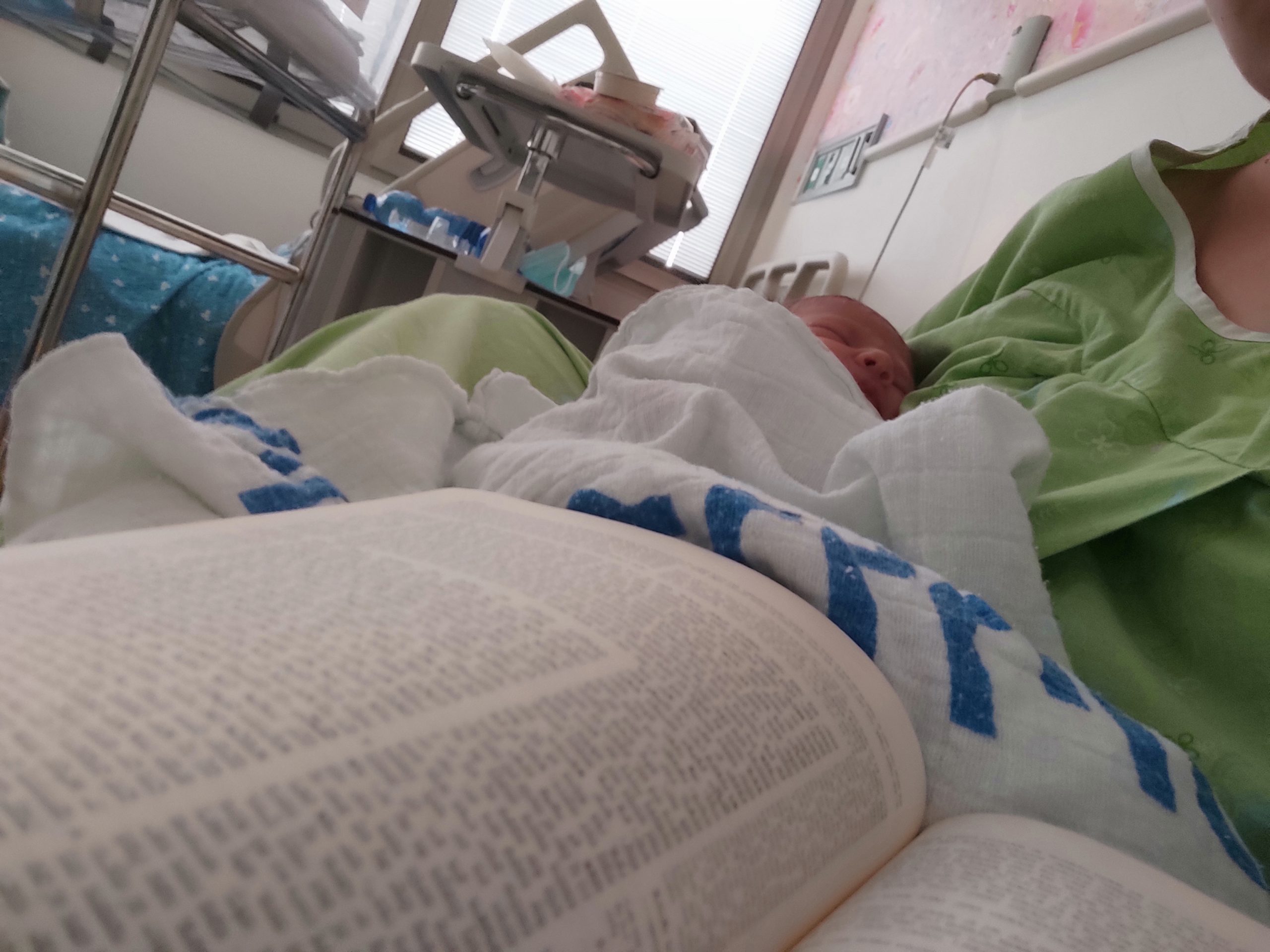
כמו שרואים בתמונה אני ממשיכה ללמוד גם היום ואפילו במחלקת יולדות אחרי לידת ביתי השלישית.

Noa Shiloh
נועה שילה

רבבה, ישראל

התחלתי ללמוד לפני 4.5 שנים, כשהודיה חברה שלי פתחה קבוצת ווטסאפ ללימוד דף יומי בתחילת מסכת סנהדרין. מאז לימוד הדף נכנס לתוך היום-יום שלי והפך לאחד ממגדירי הזהות שלי ממש.

Rosenberg Foundation
קרן רוזנברג

ירושלים, ישראל

"התחלתי ללמוד דף יומי במחזור הזה, בח’ בטבת תש””ף. לקחתי על עצמי את הלימוד כדי ליצור תחום של התמדה יומיומית בחיים, והצטרפתי לקבוצת הלומדים בבית הכנסת בכפר אדומים. המשפחה והסביבה מתפעלים ותומכים.
בלימוד שלי אני מתפעלת בעיקר מכך שכדי ללמוד גמרא יש לדעת ולהכיר את כל הגמרא. זו מעין צבת בצבת עשויה שהיא עצומה בהיקפה.”

Sarah Fox
שרה פוּקס

כפר אדומים, ישראל

התחלתי ללמוד דף יומי כאשר קיבלתי במייל ממכון שטיינזלץ את הדפים הראשונים של מסכת ברכות במייל. קודם לא ידעתי איך לקרוא אותם עד שנתתי להם להדריך אותי. הסביבה שלי לא מודעת לעניין כי אני לא מדברת על כך בפומבי. למדתי מהדפים דברים חדשים, כמו הקשר בין המבנה של בית המקדש והמשכן לגופו של האדם (יומא מה, ע”א) והקשר שלו למשפט מפורסם שמופיע בספר ההינדי "בהגוד-גיתא”. מתברר שזה רעיון כלל עולמי ולא רק יהודי

Elena Arenburg
אלנה ארנבורג

נשר, ישראל

אחרי שראיתי את הסיום הנשי של הדף היומי בבנייני האומה זה ריגש אותי ועורר בי את הרצון להצטרף. לא למדתי גמרא קודם לכן בכלל, אז הכל היה לי חדש, ולכן אני לומדת בעיקר מהשיעורים פה בהדרן, בשוטנשטיין או בחוברות ושיננתם.

Rebecca Schloss
רבקה שלוס

בית שמש, ישראל

סיום השס לנשים נתן לי מוטביציה להתחיל ללמוד דף יומי. עד אז למדתי גמרא בשבתות ועשיתי כמה סיומים. אבל לימוד יומיומי זה שונה לגמרי ופתאום כל דבר שקורה בחיים מתקשר לדף היומי.

Fogel Foundation
קרן פוגל

רתמים, ישראל

התחלתי ללמוד את הדף היומי מעט אחרי שבני הקטן נולד. בהתחלה בשמיעה ולימוד באמצעות השיעור של הרבנית שפרבר. ובהמשך העזתי וקניתי לעצמי גמרא. מאז ממשיכה יום יום ללמוד עצמאית, ולפעמים בעזרת השיעור של הרבנית, כל יום. כל סיום של מסכת מביא לאושר גדול וסיפוק. הילדים בבית נהיו חלק מהלימוד, אני משתפת בסוגיות מעניינות ונהנית לשמוע את דעתם.

Eliraz Blau
אלירז בלאו

מעלה מכמש, ישראל

התחלתי ללמוד דף יומי באמצע תקופת הקורונה, שאבא שלי סיפר לי על קבוצה של בנות שתיפתח ביישוב שלנו ותלמד דף יומי כל יום. הרבה זמן רציתי להצטרף לזה וזאת הייתה ההזדמנות בשבילי. הצטרפתי במסכת שקלים ובאמצע הייתה הפסקה קצרה. כיום אני כבר לומדת באולפנה ולומדת דף יומי לבד מתוך גמרא של טיינזלץ.

Saturdays in Raleigh
שבות בראלי

עתניאל, ישראל

התחלתי ללמוד דף יומי ממסכת נידה כי זה היה חומר הלימוד שלי אז. לאחר הסיום הגדול בבנייני האומה החלטתי להמשיך. וב”ה מאז עם הפסקות קטנות של קורונה ולידה אני משתדלת להמשיך ולהיות חלק.

זה משפיע מאוד על היום יום שלי ועל אף שאני עסוקה בלימודי הלכה ותורה כל יום, זאת המסגרת הקבועה והמחייבת ביותר שיש לי.

Moriah Taesan Michaeli
מוריה תעסן מיכאלי

גבעת הראל, ישראל

קידושין מה

וְשָׁוִין שֶׁמּוֹכְרָהּ אַלְמָנָה לְכֹהֵן גָּדוֹל, גְּרוּשָׁה וַחֲלוּצָה לְכֹהֵן הֶדְיוֹט. הַאי אַלְמָנָה הֵיכִי דָמֵי? אִילֵּימָא דְּקַדְּשַׁהּ אָבִיהָ, מִי מָצֵי מְזַבֵּין לַהּ? הָא אֵין אָדָם מוֹכֵר אֶת בִּתּוֹ לְשִׁפְחוּת אַחַר אִישׁוּת! אֶלָּא לָאו דְּקַדִּישׁ אִיהִי נַפְשַׁהּ וְקָא קָרֵי לַהּ אַלְמָנָה!

And they agree that he can sell her to a High Priest even if she is a widow, or to a common priest even if she is a divorcée or is a yevama who performed ḥalitza [ḥalutza]. Although such marriages are prohibited, they do take effect. The Gemara analyzes this: What are the circumstances of this widow who can be sold as a maidservant by her father? If we say that her father betrothed her and her husband subsequently died while she was still a minor, is he able to sell her after her betrothal? A person cannot sell his daughter into servitude after he has betrothed her. Rather, isn’t the baraita referring to a case when she betrothed herself as a minor, and yet it calls her a widow, indicating that such a betrothal is effective, contrary to the opinion of Ulla.

אָמַר רַב עַמְרָם אָמַר רַבִּי יִצְחָק: הָכָא בְּקִידּוּשֵׁי יִעוּד. וְאַלִּיבָּא דְּרַבִּי יוֹסֵי בְּרַבִּי יְהוּדָה, דְּאָמַר: מָעוֹת הָרִאשׁוֹנוֹת לָאו לְקִידּוּשִׁין נִיתְּנוּ.

Rav Amram said that Rabbi Yitzḥak said: Here it deals with a minor girl widowed from a betrothal of designation, i.e., her father sold her as a Hebrew maidservant, and the master designated her as his wife but died before he married her. And this is in accordance with the opinion of Rabbi Yosei, son of Rabbi Yehuda, who says: The original money of the sale of the maidservant was not given for the purpose of betrothal. Rather, her betrothal goes into effect when her master relinquishes his rights to have her serve as a Hebrew maidservant. Since this betrothal was not accepted by the father, he is later permitted to sell her as a maidservant again.

אִיתְּמַר: מֵת וְנָפְלָה לִפְנֵי אָחִיו לְיִבּוּם, אָמַר רַב הוּנָא אָמַר רַב: מְמָאֶנֶת לְמַאֲמָרוֹ, וְאֵינָהּ מְמָאֶנֶת לְזִיקָּתוֹ. כֵּיצַד? עָשָׂה בָּהּ מַאֲמָר – צְרִיכָה גֵּט, וּצְרִיכָה חֲלִיצָה, וּצְרִיכָה מֵיאוּן.

§ It was stated: If a man who betrothed a minor without her father’s consent died, and she happened before his brothers for levirate marriage, Rav Huna says that Rav says: She performs refusal for his levirate betrothal, i.e., if the yavam performed levirate betrothal with her, divorce is effected only by means of refusal in addition to a bill of divorce, but she does not perform refusal for his levirate bond to her. If he did not perform levirate betrothal, she does not require refusal as well as ḥalitza. How so? If he performed levirate betrothal with her, she requires a bill of divorce, and she requires ḥalitza, and she requires refusal.

צְרִיכָה גֵּט – שֶׁמָּא נִתְרַצָּה הָאָב בְּקִידּוּשֵׁי שֵׁנִי. צְרִיכָה חֲלִיצָה – שֶׁמָּא נִתְרַצָּה הָאָב בְּקִידּוּשֵׁי רִאשׁוֹן. צְרִיכָה מֵיאוּן – שֶׁמָּא לֹא נִתְרַצָּה הָאָב לֹא בְּקִידּוּשֵׁי רִאשׁוֹן וְלֹא בְּקִידּוּשֵׁי שֵׁנִי, וְיֹאמְרוּ אֵין קִידּוּשִׁין תּוֹפְסִין בַּאֲחוֹתָהּ.

The Gemara clarifies: She requires a bill of divorce, as perhaps the father desired the betrothal of only the second man. Levirate betrothal is performed in the same manner as standard betrothal, i.e., by giving money. If the father did not desire the first betrothal she is not a yevama, and the second betrothal goes into effect, requiring a bill of divorce to end the betrothal. She requires ḥalitza, as perhaps the father desired the betrothal of the first man, in which case she is a regular yevama, who requires ḥalitza to be released from the yavam. She requires refusal, as perhaps the father did not desire either the betrothal of the first man or the betrothal of the second man. If she receives a bill of divorce and performs ḥalitza, and the second man proceeds to betroth her sister, people will say that the betrothal does not take effect with her sister, as they will think that the first betrothal was fully valid.

לֹא עָשָׂה בָּהּ מַאֲמָר – אֵינָהּ צְרִיכָה אֶלָּא חֲלִיצָה בִּלְבַד. מַאי אָמְרַתְּ: תִּיבְּעֵי נָמֵי מֵיאוּן, שֶׁמָּא יֹאמְרוּ אֵין קִידּוּשִׁין תּוֹפְסִין בַּאֲחוֹתָהּ? הַכֹּל יוֹדְעִים: אֲחוֹת חֲלוּצָה דְּרַבָּנַן. דְּאָמַר רֵישׁ לָקִישׁ: כָּאן שָׁנָה רַבִּי אֲחוֹת גְּרוּשָׁה מִדְּאוֹרָיְיתָא, אֲחוֹת חֲלוּצָה מִדִּבְרֵי סוֹפְרִים.

If he did not perform levirate betrothal with her, she requires only ḥalitza. The Gemara explains: If you say that she should require refusal as well, lest people say that betrothal does not take effect with her sister, that is unnecessary. Everyone knows that a sister of one’s ḥalutza is forbidden by rabbinic law only; therefore, they also know that betrothal with the sister would be effective, and they would not permit the sister to marry others without receiving a bill of divorce. This is as Reish Lakish said with regard to the wording of a mishna (Yevamot 41a): Here Rabbi Yehuda HaNasi incidentally taught that a sister of one’s divorcée is forbidden to him by Torah law, whereas a sister of one’s ḥalutza is forbidden to him by rabbinic law.

הָנְהוּ בֵּי תְרֵי דַּהֲווֹ קָא שָׁתוּ חַמְרָא תּוּתֵי צִיפֵּי בְּבָבֶל. שְׁקַל חַד מִינַּיְיהוּ כָּסָא דְחַמְרָא, יְהַב לֵיהּ לְחַבְרֵיהּ. אֲמַר: מִיקַּדְּשָׁא לִי בְּרַתָּיךְ לִבְרִי. אֲמַר רָבִינָא: אֲפִילּוּ לְמַאן דְּאָמַר חָיְישִׁינַן שֶׁמָּא נִתְרַצָּה הָאָב –

§ The Gemara relates: There were these two people that were sitting and drinking wine under poplar trees [tzifei] in Babylonia. One of them took a cup of wine and gave it to his friend. He said: Betroth for me your daughter to my son by receiving this cup of wine. Ravina says: Even according to the one who says that in the case of a minor girl who became betrothed without her father’s consent, we are concerned that perhaps the father desired the betrothal,

שֶׁמָּא נִתְרַצָּה הַבֵּן לָא אָמְרִינַן. אָמְרִי לֵיהּ רַבָּנַן לְרָבִינָא: וְדִילְמָא שָׁלִיחַ שַׁוְּיֵהּ? לָא חֲצִיף אִינִישׁ לְשַׁוּוֹיֵי לַאֲבוּהּ שָׁלִיחַ. וְדִילְמָא אַרְצוֹיֵי אַרְצְיַיהּ קַמֵּיהּ? אֲמַר לֵיהּ רַבָּה בַּר שִׁימִי: בְּפֵירוּשׁ אָמַר מָר דְּלָא סָבַר לְהָא דְּרַב וּשְׁמוּאֵל.

and we do not say that perhaps the son desired the betrothal. The Sages said to Ravina: But perhaps the son appointed his father as an agent to betroth her, and the betrothal should take effect. He replied: A person is not so brazen as to appoint his father as his agent and thereby treat him as an assistant of sorts. They further inquired: But perhaps the son made his desire known to his father by speaking of his desire to marry the woman, and the father acted of his own accord upon his son’s wishes and betrothed her to him. Rabba bar Shimi said to Ravina: This is not a concern, since the Master, i.e., Ravina, explicitly said that he does not agree with this opinion of Rav and Shmuel that when a minor girl accepts betrothal there is a concern that perhaps the father desired it. So too, there is no concern that a father can act for the son without his awareness.

הָהוּא גַּבְרָא דְּקַדֵּישׁ בְּכִישָׁא דְיַרְקָא בְּשׁוּקָא. אֲמַר רָבִינָא: אֲפִילּוּ לְמַאן דְּאָמַר חוֹשְׁשִׁין שֶׁמָּא נִתְרַצָּה הָאָב – הָנֵי מִילֵּי דֶּרֶךְ כָּבוֹד, אֲבָל דֶּרֶךְ בִּזָּיוֹן – לָא.

The Gemara relates: There was a certain man who betrothed a minor girl without her father’s consent with a bundle of vegetables in the marketplace. Ravina says: Even according to the one who says that when a minor becomes betrothed without her father’s consent we are concerned that perhaps the father desired the betrothal, this matter applies only if the man betrothed her in a dignified manner. But as the betrothal in this case was done in a degrading manner, there is no concern.

אֲמַר לֵיהּ רַב אַחָא מִדִּיפְתִּי לְרָבִינָא: בִּזָּיוֹן דְּמַאי? אִי בִּזָּיוֹן דְּיַרְקָא, אִי בִּזָּיוֹן דְּשׁוּקָא? נָפְקָא מִינַּהּ דְּקַדֵּישׁ בְּכַסְפָּא בְּשׁוּקָא, אוֹ בְּכִישָׁא דְיַרְקָא בְּבֵיתָא, מַאי? אֲמַר לֵיהּ: אִידֵּי וְאִידֵּי דֶּרֶךְ בִּזָּיוֹן הוּא.

Rav Aḥa of Difti said to Ravina: What was the degradation in this manner of betrothal? Was the degradation from the fact that he used vegetables, or was the degradation due to the betrothal having been performed in the marketplace? The practical difference concerns cases where one betrothed a minor girl with money in the marketplace, or where one betrothed a minor girl with a bundle of vegetables in a house. What is the halakha? Ravina said to him: Both this and that, i.e., each of them is considered a degrading manner.

הַהוּא דְּאָמַר לְקָרִיבַאי, וְהִיא אָמְרָה לְקָרִיבַהּ. כְּפַתֵּיהּ עַד דַּאֲמַר לַהּ: ״תֶּיהְוֵי לְקָרִיבַהּ״. אַדְּאָכְלִי וְשָׁתוּ אֲתָא קָרִיבֵיהּ בְּאִיגָּרָא וְקַדְּשַׁהּ.

The Gemara further relates: A couple wanted to marry off their minor daughter. That one, the father, said: I want to marry her off to my relative, while she, the mother, said she wanted to marry the daughter off to her relative. His wife pressured him and forced him until he said to her: Let the girl be married to her, i.e., the mother’s, relative. While they were eating and drinking the festive meal before the betrothal, his relative came to the roof and betrothed her to himself.

אָמַר אַבָּיֵי: כְּתִיב ״שְׁאֵרִית יִשְׂרָאֵל לֹא יַעֲשׂוּ עַוְלָה וְלֹא יְדַבְּרוּ כָזָב״. רָבָא אָמַר: חֲזָקָה אֵין אָדָם טוֹרֵחַ בִּסְעוּדָה וּמַפְסִידָהּ.

The Gemara assumes that the father did not desire this betrothal. Why? Abaye said: It is written: “The remnant of Israel shall not do iniquity, nor speak lies” (Zephaniah 3:13). The father had agreed that she would marry his wife’s relative, and he would stand by his word. Since the betrothal of his minor daughter is dependent on his desire, there is no concern that the father desired his relative’s betrothal. Rava said a different reason: There is a presumption that a person does not take the trouble of preparing a meal and then cause it to be lost. Since he prepared a festive meal in honor of his daughter’s betrothal to his wife’s relative, he would not desire a betrothal that would render his efforts for naught.

מַאי בֵּינַיְיהוּ? אִיכָּא בֵּינַיְיהוּ דְּלָא טְרַח.

The Gemara asks: What is the difference between these two explanations? The Gemara answers: The difference between them concerns a case where he did not take the trouble of preparing a meal. According to Rava, since he had not gone to any effort, there should be concern that the betrothal is valid. Abaye would hold that since he would not go back on his word, they are not betrothed.

נִתְקַדְּשָׁה לְדַעַת אָבִיהָ, וְהָלַךְ אָבִיהָ לִמְדִינַת הַיָּם וְעָמְדָה וְנִישֵּׂאת, אָמַר רַב: אוֹכֶלֶת בִּתְרוּמָה עַד שֶׁיָּבֹא אָבִיהָ וִימַחֶה. רַב אַסִּי אָמַר: אֵינָהּ אוֹכֶלֶת, שֶׁמָּא יָבוֹא אָבִיהָ וִימַחֶה, וְנִמְצֵאת זָרָה אוֹכֶלֶת בִּתְרוּמָה לְמַפְרֵעַ. הֲוָה עוֹבָדָא וְחַשׁ לַהּ רַב לְהָא דְּרַב אַסִּי.

§ If a minor became betrothed with her father’s consent, and her father left for overseas, and she went ahead and got married of her own accord in her father’s absence, Rav says: If she is an Israelite who married a priest, she may partake of teruma until her father comes and protests, explicitly stating that he does not agree to the marriage. Rav Asi said: She may not partake of teruma. Perhaps her father will come and protest, and it will be found retroactively that a non-priest has partaken of teruma. The Gemara relates: There was an incident of this kind, and Rav was concerned for this opinion of Rav Asi and did not allow a girl in this situation to partake of teruma.

אָמַר רַב שְׁמוּאֵל בַּר רַב יִצְחָק: וּמוֹדֶה רַב שֶׁאִם מֵתָה – אֵינוֹ יוֹרְשָׁהּ. אוֹקִי מָמוֹנָא בְּחֶזְקַת מָרֵיהּ.

Rav Shmuel bar Rav Yitzḥak says: And Rav concedes that if the minor girl dies, the husband does not inherit from her, because of the principle: Establish money in the possession of its owner. Since the validity of her marriage is a matter of uncertainty, as the father might protest it, the money remains with her previous inheritors.

נִתְקַדְּשָׁה לְדַעַת וְנִיסֵּת שֶׁלֹּא לְדַעַת, וְאָבִיהָ כָּאן, רַב הוּנָא אָמַר: אֵינָהּ אוֹכֶלֶת. רַב יִרְמְיָה בַּר אַבָּא אָמַר: אוֹכֶלֶת.

The Gemara cites another dispute between the Sages: If a minor became betrothed with her father’s consent, and she married without his consent, and her father is here, i.e., present, Rav Huna said: She may not partake of teruma. Rav Yirmeya bar Abba said: She may partake of teruma.

רַב הוּנָא אָמַר: אֵינָהּ אוֹכֶלֶת. וַאֲפִילּוּ לְרַב, דְּאָמַר אוֹכֶלֶת – הָתָם הוּא דְּלָא אִיתֵיהּ לְאָב, אֲבָל הָכָא דְּאִיתֵיהּ לְאָב, הַאי דְּאִישְׁתִּיק – מִירְתָּח רָתַח. רַב יִרְמְיָה בַּר אַבָּא אָמַר: אוֹכֶלֶת. וַאֲפִילּוּ לְרַב אַסִּי דְּאָמַר אֵינָהּ אוֹכֶלֶת, הָתָם הוּא דְּשֶׁמָּא יָבוֹא אָבִיהָ וִימַחֶה, אֲבָל הָכָא מִדִּשְׁתֵיק – אִיתְנוֹחֵי אִיתְנְחָא לֵיהּ.

The Gemara explains the two opinions: Rav Huna said she may not partake of teruma, and even according to Rav, who said that if her father is overseas she may partake of teruma, this is so only there, in the case where the father is not present. But here, where the father is present, he does not consent to the marriage; the reason that he was silent in this situation and refrained from protesting is that he was so angry that he did not wish even to speak to her. Conversely, Rav Yirmeya bar Abba said: She may partake of teruma, and even according to Rav Asi, who said that she may not partake of teruma, it is there that there is a concern that perhaps her father will come and protest. But here, from the fact that he was silent the assumption is that he is comfortable with the marriage.

נִתְקַדְּשָׁה שֶׁלֹּא לְדַעַת אָבִיהָ, וְנִיסֵּת שֶׁלֹּא לְדַעַת, וְאָבִיהָ כָּאן, רַב הוּנָא אָמַר: אוֹכֶלֶת, רַב יִרְמְיָה בַּר אַבָּא אָמַר: אֵינָהּ אוֹכֶלֶת. אָמַר עוּלָּא: הָא דְּרַב הוּנָא ״כַּחֹמֶץ לַשִּׁנַּיִם וְכֶעָשָׁן לָעֵינָיִם״. הַשְׁתָּא וּמָה הָתָם דְּקִידּוּשֵׁי דְּאוֹרָיְיתָא אָמְרַתְּ לָא אָכְלָה, הָכָא לֹא כׇּל שֶׁכֵּן?!

The Gemara cites another case: If a minor became betrothed without the consent of her father, and married without his consent, and her father is here, Rav Huna said: She may partake of teruma. Rav Yirmeya bar Abba said: She may not partake of teruma. Ulla said: This opinion of Rav Huna, that in this case she may partake of teruma, is irritating “as vinegar to the teeth, and as smoke to the eyes” (Proverbs 10:26), as it contradicts his earlier ruling. Now consider: And what about there, i.e., in a case where her betrothal was with her father’s consent, when there is at least betrothal by Torah law, you said she may not partake of teruma in case he did not consent to the marriage. Is it not all the more so the case that here, i.e., where even the betrothal was performed without her father’s consent, she should not be permitted to partake of teruma?

רוצה לעקוב אחרי התכנים ולהמשיך ללמוד?

ביצירת חשבון עוד היום ניתן לעקוב אחרי ההתקדמות שלך, לסמן מה למדת, ולעקוב אחרי השיעורים שמעניינים אותך.

לנקות את כל הפריטים מהרשימה?

פעולה זו תסיר את כל הפריטים בחלק זה כולל ההתקדמות וההיסטוריה. שימי לב: לא ניתן לשחזר פעולה זו.

ביטול
מחיקה

האם את/ה בטוח/ה שברצונך למחוק פריט זה?

תאבד/י את כל ההתקדמות או ההיסטוריה הקשורות לפריט זה.

ביטול
מחיקה