חיפוש

נזיר כח

רוצה להקדיש לימוד?

podcast placeholder

0:00
0:00


תקציר

הדף היום מוקדש ע”י קרול רובינסון וארט גולד לע”נ אמה של קרול הודה בת משה ז”ל בציון שמונה שנים לפטירתה.

רבא מביא ברייתא ארוכה להקשות על דברי רב נחמן שהבחין בין בהמה בעלת מום ובהמה תמימה. אבל הגמרא עונה על הקושי. יש מחלוקת בין תנא קמא, ר’ עקיבא ורבי (מאיר) לגבי השלב האחרון שיש לבעל להפר נזירות אשתו – עד זריקת דם של אחד מהקרבנות, כי אז הותר שתיית יין ולכן כבר אין עינוי נפש או בינו לבינה, או עד שחיטת הבהמה כי זה יגרום להפסד קדשים כי יצטרכו להביא את הבהמה לשריפה, או אפילו לאחר הקרבת הקרבנות לפני התגלחת כי הוא יגיד שזה מנוול שהיא תגלח את כל שערה ותהיה קרחת ולכן זה נכנס תחת הקטיגוריה של נדר בינו לבינה. אלו שחולקים על הדעה האחרונה אומרים שהיא תוכל בפאה ולכן לא מנוול. יש ויכוח האם זה מנוול להיום קרחת עם פאה או לא. מקשים על שיטת ר’ עקיבא שאמר שיש הפסד קדשים כי יש תקדים לכך שיהיה אפשר להמשיך להקריב את הקרבן. מסבירים שהוא כנראה דיבר על החטאת שאי אפשר להקריב אם נפסל. אב יכול להזיר את בנו אבל אם לא יכולה. אפילו כשהאב יכול, הבן או קרוביו יכולים למחות. מה קרה עם בהמה שהופרשה כבר או מעות במקרה שהבן או קרוביו מוחים ומבטלים את הנזירות? למה יש הבדל בדין בין האם לאב בעניין הזה?

נזיר כח

בִּזְמַן שֶׁהֵן סְתוּמִין וְלֹא בִּזְמַן שֶׁהֵן מְפוֹרָשִׁין — תַּלְמוּד לוֹמַר: ״קׇרְבָּנוֹ״. בְּקׇרְבָּנוֹ הוּא יוֹצֵא, וְאֵינוֹ יוֹצֵא בְּקׇרְבַּן אָבִיו.

when they are unallocated and not when they are allocated. Consequently, the same should apply to one whose father separated money for a regular sin-offering, i.e., he should be able to use them for his own sin-offering. Therefore, the verse states: “His offering” (Leviticus 4:32), which serves to emphasize: He fulfills his obligation with his own offering, but he does not fulfill his obligation with the money separated for his father’s offering.

יָכוֹל לֹא יֵצֵא בְּמָעוֹת שֶׁהִפְרִישׁ אֲפִילּוּ מִן הַקַּלָּה עַל הַקַּלָּה, מִן הַחֲמוּרָה עַל הַחֲמוּרָה, אֲבָל יוֹצֵא בְּקׇרְבָּן שֶׁהִפְרִישׁ לְעַצְמוֹ מִן הַקַּלָּה עַל הַחֲמוּרָה, מִן הַחֲמוּרָה עַל הַקַּלָּה — תַּלְמוּד לוֹמַר: ״קׇרְבָּנוֹ … עַל חַטָּאתוֹ״, עַד שֶׁיְּהֵא קׇרְבָּנוֹ לְשׁוּם חֶטְאוֹ.

The baraita continues this line of argument: One might have thought that he does not fulfill his obligation with the money that his father separated if it is from money the father set aside to atone for a minor transgression and the son atones for a minor one, or from money the father set aside to atone for a major transgression and the son atones for a major one. However, the son may fulfill his obligation with the offering he separated for himself. From animals he set aside to atone for a minor transgression, he may atone for a major one, or from animals he set aside to atone for a major transgression he may atone for a minor one. Therefore, the verse states: “Then he shall bring for his offering a goat, a female without blemish, for his sin” (Leviticus 4:28), which indicates that he does not fulfill his obligation unless his offering is for the sake of his particular sin, not for some other transgression.

יָכוֹל לֹא יֵצֵא בִּבְהֵמָה שֶׁהִפְרִישׁ לְעַצְמוֹ מִן הַקַּלָּה עַל הַקַּלָּה אוֹ מִן הַחֲמוּרָה עַל הַחֲמוּרָה, אֲפִילּוּ מִן הַקַּלָּה עַל הַחֲמוּרָה אוֹ מִן הַחֲמוּרָה עַל הַקַּלָּה,

One might have thought that he does not fulfill his obligation with the animal he separated for himself, from animals he set aside to atone for a minor transgression to atone for a minor one; or from animals he set aside to atone for a major transgression, to atone for a major one; or even when from animals he set aside to atone for a minor transgression to atone for a major one; or from animals he set aside to atone for a major transgression to atone for a minor one.

שֶׁכֵּן אִם הִפְרִישׁ בְּהֵמָה עַל הַחֵלֶב וְהֵבִיא עַל הַדָּם, אוֹ עַל הַדָּם וְהֵבִיא עַל הַחֵלֶב — שֶׁהֲרֵי לֹא מָעַל וְלֹא כִּיפֵּר,

The reason is that if he separated an animal to bring as an offering for unintentionally eating forbidden fat and he instead brought that sin-offering for unintentionally consuming blood, or if he separated an animal to bring as an offering to atone for blood and instead brought it for eating forbidden fat, in that case he has not misused consecrated property, as the animal cannot lose its consecrated status. And just as it cannot lose its consecrated status, so too it cannot be redesignated to atone for a different sin, and therefore this animal also does not atone for him.

אֲבָל יוֹצֵא בְּמָעוֹת שֶׁהִפְרִישׁ לְעַצְמוֹ מִן הַקַּלָּה לַקַּלָּה, וּמִן הַחֲמוּרָה לַחֲמוּרָה, מִן הַחֲמוּרָה לַקַּלָּה, וּמִן הַקַּלָּה לַחֲמוּרָה,

However, one might think that he fulfills his obligation with the money he separated for himself, from money he set aside to atone for a minor transgression to atone for a different minor transgression; or from money he set aside to atone for a major transgression to atone for a different major transgression; or from money he set aside to atone for a major transgression to atone for a minor one; or from money he set aside to atone for a minor transgression to atone for a major one.

שֶׁכֵּן אִם הִפְרִישׁ לְעַצְמוֹ מָעוֹת מִן הַחֵלֶב וְהֵבִיא עַל הַדָּם, עַל הַדָּם וְהֵבִיא עַל הַחֵלֶב, שֶׁהֲרֵי מָעַל וְכִיפֵּר —

The reason is that if he separated money for himself to purchase a sin-offering to atone for unintentionally eating forbidden fat and he instead brought a sin-offering with that money for unintentionally consuming blood, or if he separated money to purchase a sin-offering to atone for consuming blood and with that money he instead brought a sin-offering for unintentionally eating forbidden fat, in that case he has misused consecrated property if he uses that money for a non-sacred purpose, as money can lose its sacred status when misappropriated. And just as it can lose its consecrated status, it can be redesignated to atone for a different sin; therefore this money atones for him if it was used to purchase an offering for a different transgression.

תַּלְמוּד לוֹמַר: ״עַל חַטָּאתוֹ״ — עַד שֶׁיְּהֵא קׇרְבָּנוֹ לְשֵׁם חֶטְאוֹ.

Therefore, the verse states: “For his sin” (Leviticus 4:35), which indicates that he does not fulfill his obligation unless his offering is for the sake of his particular sin, and he is not permitted to use money he consecrated for one type of sin to atone for a different sin. This concludes the baraita.

קָתָנֵי מִיהַת בְּהֵמָה, מַאי לָאו אֲפִילּוּ בַּעֲלַת מוּם? לָא, תְּמִימָה.

Rava now asks his question: In any event, the baraita teaches that a son may not use an animal separated by his father for his naziriteship offering. What, is it not referring even to a blemished animal? The fact that the baraita does not differentiate between types of animals indicates that a blemished animal has the status of allocated funds, as opposed to Rav Naḥman’s ruling that this animal is like his father’s unallocated funds, which the son himself may use. The Gemara rejects this: No; the baraita refers solely to an unblemished animal that is fit to be sacrificed; only an animal of this kind is considered allocated.

אֲבָל בַּעֲלַת מוּם מַאי — כִּסְתוּמָה דָּמְיָא? מַאי אִירְיָא דְּקָתָנֵי מָעוֹת שֶׁהִפְרִישׁ אָבִיו? לִיתְנֵי בַּעֲלַת מוּם! הָכִי נָמֵי, דִּלְמַאי חַזְיָא — לִדְמֵי, דְּמֵי הַיְינוּ מָעוֹת.

The Gemara asks: However, according to this explanation, what is the halakha of a blemished animal? Is it considered like an unallocated animal? If so, why does the baraita specifically teach that one may purchase an offering with the unallocated funds that his father separated? Let the baraita teach this halakha with regard to a blemished animal, and one would infer that the same applies to money. The Gemara answers as above: So too, this is the case; there is no difference between the two. The reason is that what is a blemished animal fit for? It is fit for its value, and this value is essentially money. Consequently, this baraita does not contradict Rav Naḥman’s opinion that a blemished animal has the status of unallocated funds.

מַתְנִי׳ נִזְרַק עָלֶיהָ אֶחָד מִן הַדָּמִים, אֵינוֹ יָכוֹל לְהָפֵר. רַבִּי עֲקִיבָא אוֹמֵר: אֲפִילּוּ נִשְׁחֲטָה עָלֶיהָ אַחַת מִכׇּל הַבְּהֵמוֹת — אֵינוֹ יָכוֹל לְהָפֵר.

MISHNA: The previous mishna discussed the case of a husband who nullified his wife’s vow after she separated her offerings of naziriteship. This mishna deals with a husband who nullified his wife’s naziriteship after she had completed her term and brought her offerings to the Temple. If the blood from one of her naziriteship offerings was sprinkled on the altar on her behalf, the husband cannot nullify her vow at this point. Rabbi Akiva says: Even before the sprinkling of the blood, he cannot nullify the vow as soon as any one of the animals for her offerings has been slaughtered on her behalf.

בַּמֶּה דְּבָרִים אֲמוּרִים — בְּתִגְלַחַת הַטׇּהֳרָה, אֲבָל בְּתִגְלַחַת הַטּוּמְאָה — יָפֵר, שֶׁהוּא יָכוֹל לוֹמַר: אִי אֶפְשִׁי בְּאִשָּׁה מְנֻוֶּולֶת. רַבִּי מֵאִיר אוֹמֵר: אַף בְּתִגְלַחַת הַטׇּהֳרָה יָפֵר, שֶׁהוּא יָכוֹל לוֹמַר: אִי אֶפְשִׁי בְּאִשָּׁה מְגַלַּחַת.

The mishna continues: In what case is this statement, that he can no longer nullify the vow, said? It is when she is bringing the offerings for her shaving of ritual purity, when she has completed her term of naziriteship without becoming ritually impure (see Numbers 6:18). However, if she is sacrificing the offerings for her shaving of impurity, when she became ritually impure during her term of naziriteship, after which she restarts her naziriteship (see Numbers 6:9), her husband can nullify her vow. The reason is that he can say: I do not want a downcast [menuvvelet] wife, who does not drink wine. She would have to refrain from wine for a lengthy period if she were to begin her naziriteship anew. Rabbi Meir says: He can nullify her vow even at the stage of her shaving of purity, after she has begun sacrificing her offerings, as he can say: I do not want a shaven wife, and a nazirite is obligated to shave after bringing his or her offerings.

גְּמָ׳ מַתְנִיתִין דְּלָא כְּרַבִּי אֱלִיעֶזֶר, דְּאִי רַבִּי אֱלִיעֶזֶר, הָאָמַר: תִּגְלַחַת מְעַכֶּבֶת. וְכֵיוָן דְּלָא גִּילְּחָה — אֲסִירָה בְּחַמְרָא. וְכֵיוָן דְּאִית לַהּ נִיוּוּל — מָצֵי מֵיפַר (וּבְהָא פְּלִיגִי),

GEMARA: The Gemara comments: The mishna, which rules that a husband cannot nullify his wife’s naziriteship after the blood of her offering has been sprinkled at the end of the naziriteship term, is not in accordance with the opinion of Rabbi Eliezer. As, if it followed the ruling of Rabbi Eliezer, didn’t he say that shaving is indispensable for the end of a nazirite’s term, i.e., a nazirite at the end of his naziriteship is prohibited from drinking wine and becoming impure from the dead until he actually shaves? And in this case, since she has not yet shaved, she remains prohibited from drinking wine. And since she becomes downcast through her abstinence from wine, evidently the husband can nullify her vow even after the sprinkling of the blood of her offerings of purity.

תַּנָּא דִידַן סָבַר: כֵּיוָן דְּאִיזְדְּרִיק עֲלַהּ דָּם, לְאַלְתַּר שַׁרְיָא בְּחַמְרָא, וְהָא לֵית לַהּ נִיוּוּל. וְרַבִּי עֲקִיבָא סָבַר: אֲפִילּוּ אִישְׁתְּחִיטַת בְּהֵמָה — אֵינוֹ יָכוֹל לְהָפֵר, מִשּׁוּם הֶפְסֵד קָדָשִׁים.

The tanna of our mishna holds: Once the blood has been sprinkled on her behalf she is immediately permitted to drink wine, and therefore she is not downcast. Consequently, the husband has no right to nullify her naziriteship vow at that point, as her vow does not affect him. And Rabbi Akiva holds: Even if the blood has yet to be sprinkled and wine remains forbidden to her, as soon as an animal is slaughtered for one of her offerings the husband can no longer nullify the vow, due to the loss of consecrated property. If he were to nullify her vow she would have no further need of the offerings, and it is prohibited to waste Sanctuary property.

מַתְקֵיף לַהּ רַבִּי זֵירָא: וְאַמַּאי? לִזְרוֹק דָּמָן שֶׁלֹּא לִשְׁמָן, וְיַתִּיר בָּשָׂר בַּאֲכִילָה! מִי לָא תַּנְיָא: כִּבְשֵׂי עֲצֶרֶת שֶׁשְּׁחָטָן שֶׁלֹּא לִשְׁמָן, אוֹ שֶׁשְּׁחָטָן לִפְנֵי זְמַנָּן אוֹ לְאַחַר זְמַנָּן — הַדָּם יִזָּרֵק וְהַבָּשָׂר יֵאָכֵל.

Rabbi Zeira objects to this: And why should the result be a loss to the Sanctuary? He can avoid this by sprinkling their blood not for the sake of the offerings of a nazirite, and he will thereby permit the meat of the offering to be eaten, and the consecrated animal will not go to waste. Isn’t it taught in a baraita: With regard to the communal peace-offering of two sheep that accompanies the two loaves on Shavuot, if one slaughtered them not for the sake of that offering, or slaughtered them before their time, on the eve of the Festival, or after their time, after the Festival, the blood shall be sprinkled, although not for the sake of that offering, as it is no longer fit for that purpose, and the meat is eaten.

וְאִם הָיְתָה שַׁבָּת — לֹא יִזָּרֵק. וְאִם זָרַק — הוּרְצָה, לְהַקְטִיר אֵימוּרִין לָעֶרֶב!

And if it was a Shabbat, the blood may not be sprinkled. Since the meat cannot be eaten on that day, sprinkling the blood is considered a form of unnecessary labor on Shabbat. And if he sprinkled the blood on Shabbat anyway, the offering is accepted, and he must wait to burn its sacrificial parts on the altar in the evening, after the conclusion of Shabbat. In any case, this shows that it is permitted to sprinkle the blood of an offering not for its own sake ab initio so that its flesh can be eaten.

אָמְרִי: אִי דִּשְׁחַט עוֹלָה אוֹ שְׁלָמִים — הָכִי נָמֵי. אֶלָּא הָכָא בְּמַאי עָסְקִינַן, כְּגוֹן שֶׁשָּׁחַט חַטָּאת בְּרֵישָׁא.

The Sages say in response: If he had slaughtered only the woman’s naziriteship offerings of the burnt-offering or the peace-offering, so too, he may certainly proceed to sprinkle the blood not for the sake of that offering, to avoid the loss of a consecrated animal. In that case Rabbi Akiva would agree that the husband can still nullify her vow. However, with what are we dealing here? It is with a case where he slaughtered the sin-offering first. Since a sin-offering whose blood was sprinkled not for its sake is invalid, if the husband were to nullify her vow this would cause a loss of consecrated property.

כְּדִתְנַן: אִם גִּילַּח עַל אַחַת מִשְּׁלׇשְׁתָּן — יָצָא.

The Gemara cites the source that the order of a nazirite’s offerings may be changed and the sin-offering may be sacrificed first. As we learned in a mishna (45a): If he shaved after the sacrifice of one of the three nazirite offerings, either the burnt-offering, the peace-offering, or the sin-offering, he has fulfilled his obligation.

בַּמֶּה דְּבָרִים אֲמוּרִים — בְּתִגְלַחַת טׇהֳרָה. אֲבָל בְּתִגְלַחַת טוּמְאָה — יָפֵר (מִפְּנֵי שֶׁיָּכוֹל לוֹמַר: אִי אֶפְשִׁי בְּאִשָּׁה מְנֻוֶּולֶת). וְרַבִּי מֵאִיר אוֹמֵר: אֲפִילּוּ בְּתִגְלַחַת טׇהֳרָה — יָפֵר, מִפְּנֵי שֶׁיָּכוֹל לוֹמַר: אִי אֶפְשִׁי בְּאִשָּׁה מְגַלַּחַת.

§ The mishna taught: In what case is this statement, that a husband cannot nullify his wife’s vow, said? It is with regard to a shaving of ritual purity; however, with regard to a shaving of impurity the husband can nullify it if he wishes. And Rabbi Meir says: He may even nullify the vow at her shaving of purity because he can say: I do not want a shaven wife.

וְתַנָּא קַמָּא אָמַר לָךְ: אֶפְשָׁר בְּפֵאָה נׇכְרִית. וְרַבִּי מֵאִיר סָבַר: בְּפֵאָה נׇכְרִית, אַיְּידֵי דְּזוּהֲמָא — לָא נִיחָא לֵיהּ.

The Gemara analyzes these opinions: And the first tanna could have said to you in response to Rabbi Meir’s argument: It is possible for her to compensate by wearing a wig, and therefore she would not appear shaven, and her husband would have no cause for complaint. And Rabbi Meir holds: As for compensating by wearing a wig, since it is dirty he is not amenable to this solution, and he may therefore nullify her vow.

מַתְנִי׳ הָאִישׁ מַדִּיר אֶת בְּנוֹ בְּנָזִיר, וְאֵין הָאִשָּׁה מַדֶּרֶת אֶת בְּנָהּ בְּנָזִיר. כֵּיצַד? גִּילַּח, אוֹ שֶׁגִּילְּחוּהוּ קְרוֹבָיו. מִיחָה, אוֹ שֶׁמִּיחוּ קְרוֹבָיו.

MISHNA: A man can vow that his minor son should be a nazirite, i.e., a father can declare his son a nazirite, but a woman cannot vow that her son should be a nazirite. How so; what are the details of this naziriteship? If the son shaved his hair, thereby demonstrating his rejection of the vow imposed by his father; or if his relatives shaved him; or if the son objected by saying that he has no desire for this naziriteship; or if his relatives objected on his behalf, the naziriteship is canceled.

הָיְתָה לוֹ בְּהֵמָה מוּפְרֶשֶׁת, הַחַטָּאת — תָּמוּת, וְהָעוֹלָה — תִּקְרַב עוֹלָה. וּשְׁלָמִים — יִקְרְבוּ שְׁלָמִים, וְנֶאֱכָלִין לְיוֹם אֶחָד, וְאֵינָן טְעוּנִין לֶחֶם.

If this son who canceled the naziriteship had animals separated for his offerings, the one set aside for the sin-offering must die, and the burnt-offering is sacrificed as a burnt-offering, and the peace-offering is sacrificed as a peace-offering. And the peace-offering is eaten for one day, like the peace-offering of a nazirite, rather than the two days of a regular peace-offering, and it does not require bread, i.e., the loaves that accompany a nazirite’s peace-offering.

הָיוּ לוֹ מָעוֹת סְתוּמִין — יִפְּלוּ לִנְדָבָה. מָעוֹת מְפוֹרָשִׁים, דְּמֵי חַטָּאת — יֵלְכוּ לְיָם הַמֶּלַח, לֹא נֶהֱנִין וְלֹא מוֹעֲלִין. דְּמֵי עוֹלָה — יָבִיאוּ עוֹלָה, וּמוֹעֲלִין בָּהֶן, דְּמֵי שְׁלָמִים — יָבִיאוּ שְׁלָמִים וְנֶאֱכָלִין לְיוֹם אֶחָד, וְאֵינָן טְעוּנִין לֶחֶם.

If he had unallocated funds, they will be allocated for communal gift offerings. If he had allocated funds for his offerings, the money for the sin-offering is taken and cast into the Dead Sea, as one may not benefit from it ab initio, but if he benefits from it, he is not liable to bring an offering for misuse of consecrated property. With the money for the burnt-offering they bring a burnt-offering; it is prohibited to derive benefit from those coins and if he benefits from it, he is liable to bring an offering for misuse of consecrated property. With the money for the peace-offering they bring a peace-offering, and it is eaten for one day and does not require bread.

גְּמָ׳ אִישׁ — אִין, אֲבָל אִשָּׁה — לָא. מַאי טַעְמָא? רַבִּי יוֹחָנָן אָמַר: הֲלָכָה הִיא בְּנָזִיר. וְרַבִּי יוֹסֵי בְּרַבִּי חֲנִינָא

GEMARA: The mishna taught that a man can vow that his son should be a nazirite, but a woman cannot do so. The Gemara asks: What is the reason for this? Rabbi Yoḥanan said: It is a halakha transmitted to Moses from Sinai with regard to a nazirite. And Rabbi Yosei, son of Rabbi Ḥanina,

חדשה בלימוד הגמרא?

זה הדף הראשון שלך? איזו התרגשות עצומה! יש לנו בדיוק את התכנים והכלים שיעזרו לך לעשות את הצעדים הראשונים ללמידה בקצב וברמה שלך, כך תוכלי להרגיש בנוח גם בתוך הסוגיות המורכבות ומאתגרות.

פסיפס הלומדות שלנו

גלי את קהילת הלומדות שלנו, מגוון נשים, רקעים וסיפורים. כולן חלק מתנועה ומסע מרגש ועוצמתי.

התחלתי ללמוד דף יומי כאשר קיבלתי במייל ממכון שטיינזלץ את הדפים הראשונים של מסכת ברכות במייל. קודם לא ידעתי איך לקרוא אותם עד שנתתי להם להדריך אותי. הסביבה שלי לא מודעת לעניין כי אני לא מדברת על כך בפומבי. למדתי מהדפים דברים חדשים, כמו הקשר בין המבנה של בית המקדש והמשכן לגופו של האדם (יומא מה, ע”א) והקשר שלו למשפט מפורסם שמופיע בספר ההינדי "בהגוד-גיתא”. מתברר שזה רעיון כלל עולמי ולא רק יהודי

Elena Arenburg
אלנה ארנבורג

נשר, ישראל

בתחילת הסבב הנוכחי הצטברו אצלי תחושות שאני לא מבינה מספיק מהי ההלכה אותה אני מקיימת בכל יום. כמו כן, כאמא לבנות רציתי לתת להן מודל נשי של לימוד תורה
שתי הסיבות האלו הובילו אותי להתחיל ללמוד. נתקלתי בתגובות מפרגנות וסקרניות איך אישה לומדת גמרא..
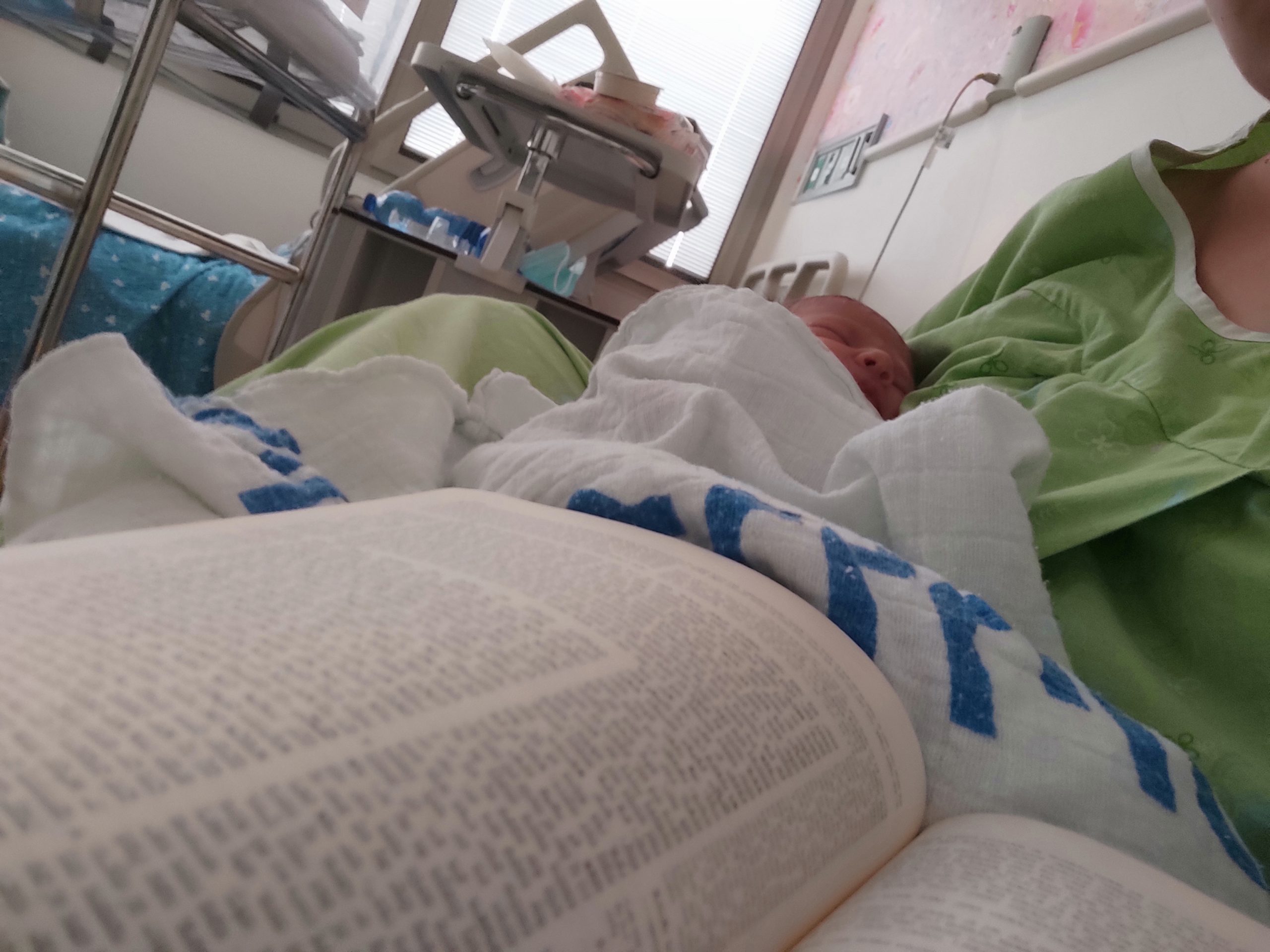
כמו שרואים בתמונה אני ממשיכה ללמוד גם היום ואפילו במחלקת יולדות אחרי לידת ביתי השלישית.

Noa Shiloh
נועה שילה

רבבה, ישראל

התחלתי ללמוד דף יומי אחרי שחזרתי בתשובה ולמדתי במדרשה במגדל עוז. הלימוד טוב ומספק חומר למחשבה על נושאים הלכתיים ”קטנים” ועד לערכים גדולים ביהדות. חשוב לי להכיר את הגמרא לעומק. והצעד הקטן היום הוא ללמוד אותה בבקיאות, בעזרת השם, ומי יודע אולי גם אגיע לעיון בנושאים מעניינים. נושאים בגמרא מתחברים לחגים, לתפילה, ליחסים שבין אדם לחברו ולמקום ולשאר הדברים שמלווים באורח חיים דתי 🙂

Gaia Divo
גאיה דיבו

מצפה יריחו, ישראל

. לא תמיד נהניתי מלימוד גמרא כילדה.,בל כהתבגרתי התחלתי לאהוב את זה שוב. התחלתי ללמוד מסכת סוטה בדף היומי לפני כחמש עשרה שנה ואז הפסקתי.הגעתי לסיום הגדול של הדרן לפני שנתיים וזה נתן לי השראה. והתחלתי ללמוד למשך כמה ימים ואז היתה לי פריצת דיסק והפסקתי…עד אלול השנה. אז התחלתי עם מסכת ביצה וב”ה אני מצליחה לעמוד בקצב. המשפחה מאוד תומכת בי ויש כמה שגם לומדים את זה במקביל. אני אוהבת שיש עוגן כל יום.

Rebecca Darshan
רבקה דרשן

בית שמש, ישראל

"
גם אני התחלתי בסבב הנוכחי וב””ה הצלחתי לסיים את רוב המסכתות . בזכות הרבנית מישל משתדלת לפתוח את היום בשיעור הזום בשעה 6:20 .הלימוד הפך להיות חלק משמעותי בחיי ויש ימים בהם אני מצליחה לחזור על הדף עם מלמדים נוספים ששיעוריהם נמצאים במרשתת. שמחה להיות חלק מקהילת לומדות ברחבי העולם. ובמיוחד לשמש דוגמה לנכדותיי שאי””ה יגדלו לדור שלימוד תורה לנשים יהיה משהו שבשגרה. "

Ronit Shavit
רונית שביט

נתניה, ישראל

התחלתי ללמוד דף יומי שהתחילו מסכת כתובות, לפני 7 שנים, במסגרת קבוצת לימוד שהתפרקה די מהר, ומשם המשכתי לבד בתמיכת האיש שלי. נעזרתי בגמרת שטיינזלץ ובשיעורים מוקלטים.
הסביבה מאד תומכת ואני מקבלת המון מילים טובות לאורך כל הדרך. מאז הסיום הגדול יש תחושה שאני חלק מדבר גדול יותר.
אני לומדת בשיטת ה”7 דפים בשבוע” של הרבנית תרצה קלמן – כלומר, לא נורא אם לא הצלחת ללמוד כל יום, העיקר שגמרת ארבעה דפים בשבוע

Rachel Goldstein
רחל גולדשטיין

עתניאל, ישראל

אמא שלי למדה איתי ש”ס משנה, והתחילה ללמוד דף יומי. אני החלטתי שאני רוצה ללמוד גם. בהתחלה למדתי איתה, אח”כ הצטרפתי ללימוד דף יומי שהרב דני וינט מעביר לנוער בנים בעתניאל. במסכת עירובין עוד חברה הצטרפה אלי וכשהתחלנו פסחים הרב דני פתח לנו שעור דף יומי לבנות. מאז אנחנו לומדות איתו קבוע כל יום את הדף היומי (ובשבת אבא שלי מחליף אותו). אני נהנית מהלימוד, הוא מאתגר ומעניין

Renana Hellman
רננה הלמן

עתניאל, ישראל

התחלתי ללמוד דף יומי בתחילת מסכת ברכות, עוד לא ידעתי כלום. נחשפתי לסיום הש״ס, ובעצם להתחלה מחדש בתקשורת, הפתיע אותי לטובה שהיה מקום לעיסוק בתורה.
את המסכתות הראשונות למדתי, אבל לא סיימתי (חוץ מעירובין איכשהו). השנה כשהגעתי למדרשה, נכנסתי ללופ, ואני מצליחה להיות חלק, סיימתי עם החברותא שלי את כל המסכתות הקצרות, גם כשהיינו חולות קורונה ובבידודים, למדנו לבד, העיקר לא לצבור פער, ומחכות ליבמות 🙂

Eden Yeshuron
עדן ישורון

מזכרת בתיה, ישראל

לצערי גדלתי בדור שבו לימוד גמרא לנשים לא היה דבר שבשגרה ושנים שאני חולמת להשלים את הפער הזה.. עד שלפני מספר שבועות, כמעט במקרה, נתקלתי במודעת פרסומת הקוראת להצטרף ללימוד מסכת תענית. כשקראתי את המודעה הרגשתי שהיא כאילו נכתבה עבורי – "תמיד חלמת ללמוד גמרא ולא ידעת איך להתחיל”, "בואי להתנסות במסכת קצרה וקלה” (רק היה חסר שהמודעה תיפתח במילים "מיכי שלום”..). קפצתי למים ו- ב”ה אני בדרך להגשמת החלום:)

Micah Kadosh
מיכי קדוש

מורשת, ישראל

אחרי שראיתי את הסיום הנשי של הדף היומי בבנייני האומה זה ריגש אותי ועורר בי את הרצון להצטרף. לא למדתי גמרא קודם לכן בכלל, אז הכל היה לי חדש, ולכן אני לומדת בעיקר מהשיעורים פה בהדרן, בשוטנשטיין או בחוברות ושיננתם.

Rebecca Schloss
רבקה שלוס

בית שמש, ישראל

A friend in the SF Bay Area said in Dec 2019 that she might start listening on her morning drive to work. I mentioned to my husband and we decided to try the Daf when it began in Jan 2020 as part of our preparing to make Aliyah in the summer.

Hana Piotrkovsky
חנה פיוטרקובסקי

ירושלים, Israel

התחלתי ללמוד דף לפני קצת יותר מ-5 שנים, כשלמדתי רבנות בישיבת מהר”ת בניו יורק. בדיעבד, עד אז, הייתי בלימוד הגמרא שלי כמו מישהו שאוסף חרוזים משרשרת שהתפזרה, פה משהו ושם משהו, ומאז נפתח עולם ומלואו…. הדף נותן לי לימוד בצורה מאורגנת, שיטתית, יום-יומית, ומלמד אותי לא רק ידע אלא את השפה ודרך החשיבה שלנו. לשמחתי, יש לי סביבה תומכת וההרגשה שלי היא כמו בציטוט שבחרתי: הדף משפיע לטובה על כל היום שלי.

Michal Kahana
מיכל כהנא

חיפה, ישראל

אמא שלי למדה איתי ש”ס משנה, והתחילה ללמוד דף יומי. אני החלטתי שאני רוצה ללמוד גם. בהתחלה למדתי איתה, אח”כ הצטרפתי ללימוד דף יומי שהרב דני וינט מעביר לנוער בנים בעתניאל. במסכת עירובין עוד חברה הצטרפה אלי וכשהתחלנו פסחים הרב דני פתח לנו שעור דף יומי לבנות. מאז אנחנו לומדות איתו קבוע כל יום את הדף היומי (ובשבת אבא שלי מחליף אותו). אני נהנית מהלימוד, הוא מאתגר ומעניין

Renana Hellman
רננה הלמן

עתניאל, ישראל

רציתי לקבל ידע בתחום שהרגשתי שהוא גדול וחשוב אך נעלם ממני. הלימוד מעניק אתגר וסיפוק ומעמיק את תחושת השייכות שלי לתורה וליהדות

Ruth Agiv
רות עגיב

עלי זהב – לשם, ישראל

התחלתי ללמוד דף יומי בסבב הקודם. זכיתי לסיים אותו במעמד המרגש של הדרן. בסבב הראשון ליווה אותי הספק, שאולי לא אצליח לעמוד בקצב ולהתמיד. בסבב השני אני לומדת ברוגע, מתוך אמונה ביכולתי ללמוד ולסיים. בסבב הלימוד הראשון ליוותה אותי חוויה מסויימת של בדידות. הדרן העניקה לי קהילת לימוד ואחוות נשים. החוויה של סיום הש”ס במעמד כה גדול כשנשים שאינן מכירות אותי, שמחות ומתרגשות עבורי , היתה חוויה מרוממת נפש

Ilanit Weil
אילנית ווייל

קיבוץ מגדל עוז, ישראל

בסוף הסבב הקודם ראיתי את השמחה הגדולה שבסיום הלימוד, בעלי סיים כבר בפעם השלישית וכמובן הסיום הנשי בבנייני האומה וחשבתי שאולי זו הזדמנות עבורי למשהו חדש.
למרות שאני שונה בסביבה שלי, מי ששומע על הלימוד שלי מפרגן מאוד.
אני מנסה ללמוד קצת בכל יום, גם אם לא את כל הדף ובסך הכל אני בדרך כלל עומדת בקצב.
הלימוד מעניק המון משמעות ליום יום ועושה סדר בלמוד תורה, שתמיד היה (ועדיין) שאיפה. אבל אין כמו קביעות

Racheli-Mendelson
רחלי מנדלסון

טל מנשה, ישראל

בתחילת הסבב הנוכחי הצטברו אצלי תחושות שאני לא מבינה מספיק מהי ההלכה אותה אני מקיימת בכל יום. כמו כן, כאמא לבנות רציתי לתת להן מודל נשי של לימוד תורה
שתי הסיבות האלו הובילו אותי להתחיל ללמוד. נתקלתי בתגובות מפרגנות וסקרניות איך אישה לומדת גמרא..
כמו שרואים בתמונה אני ממשיכה ללמוד גם היום ואפילו במחלקת יולדות אחרי לידת ביתי השלישית.

Noa Shiloh
נועה שילה

רבבה, ישראל

התחלתי להשתתף בשיעור נשים פעם בשבוע, תכננתי ללמוד רק דפים בודדים, לא האמנתי שאצליח יותר מכך.
לאט לאט נשאבתי פנימה לעולם הלימוד .משתדלת ללמוד כל בוקר ומתחילה את היום בתחושה של מלאות ומתוך התכווננות נכונה יותר.
הלימוד של הדף היומי ממלא אותי בתחושה של חיבור עמוק לעם היהודי ולכל הלומדים בעבר ובהווה.

Neely Hayon
נילי חיון

אפרת, ישראל

התחלתי ללמוד בשנת המדרשה במגדל עוז, בינתיים נהנית מאוד מהלימוד ומהגמרא, מעניין ומשמח מאוד!
משתדלת להצליח לעקוב כל יום, לפעמים משלימה קצת בהמשך השבוע.. מרגישה שיש עוגן מקובע ביום שלי והוא משמח מאוד!

Uriah Kesner
אוריה קסנר

חיפה , ישראל

סיום השס לנשים נתן לי מוטביציה להתחיל ללמוד דף יומי. עד אז למדתי גמרא בשבתות ועשיתי כמה סיומים. אבל לימוד יומיומי זה שונה לגמרי ופתאום כל דבר שקורה בחיים מתקשר לדף היומי.

Fogel Foundation
קרן פוגל

רתמים, ישראל

נזיר כח

בִּזְמַן שֶׁהֵן סְתוּמִין וְלֹא בִּזְמַן שֶׁהֵן מְפוֹרָשִׁין — תַּלְמוּד לוֹמַר: ״קׇרְבָּנוֹ״. בְּקׇרְבָּנוֹ הוּא יוֹצֵא, וְאֵינוֹ יוֹצֵא בְּקׇרְבַּן אָבִיו.

when they are unallocated and not when they are allocated. Consequently, the same should apply to one whose father separated money for a regular sin-offering, i.e., he should be able to use them for his own sin-offering. Therefore, the verse states: “His offering” (Leviticus 4:32), which serves to emphasize: He fulfills his obligation with his own offering, but he does not fulfill his obligation with the money separated for his father’s offering.

יָכוֹל לֹא יֵצֵא בְּמָעוֹת שֶׁהִפְרִישׁ אֲפִילּוּ מִן הַקַּלָּה עַל הַקַּלָּה, מִן הַחֲמוּרָה עַל הַחֲמוּרָה, אֲבָל יוֹצֵא בְּקׇרְבָּן שֶׁהִפְרִישׁ לְעַצְמוֹ מִן הַקַּלָּה עַל הַחֲמוּרָה, מִן הַחֲמוּרָה עַל הַקַּלָּה — תַּלְמוּד לוֹמַר: ״קׇרְבָּנוֹ … עַל חַטָּאתוֹ״, עַד שֶׁיְּהֵא קׇרְבָּנוֹ לְשׁוּם חֶטְאוֹ.

The baraita continues this line of argument: One might have thought that he does not fulfill his obligation with the money that his father separated if it is from money the father set aside to atone for a minor transgression and the son atones for a minor one, or from money the father set aside to atone for a major transgression and the son atones for a major one. However, the son may fulfill his obligation with the offering he separated for himself. From animals he set aside to atone for a minor transgression, he may atone for a major one, or from animals he set aside to atone for a major transgression he may atone for a minor one. Therefore, the verse states: “Then he shall bring for his offering a goat, a female without blemish, for his sin” (Leviticus 4:28), which indicates that he does not fulfill his obligation unless his offering is for the sake of his particular sin, not for some other transgression.

יָכוֹל לֹא יֵצֵא בִּבְהֵמָה שֶׁהִפְרִישׁ לְעַצְמוֹ מִן הַקַּלָּה עַל הַקַּלָּה אוֹ מִן הַחֲמוּרָה עַל הַחֲמוּרָה, אֲפִילּוּ מִן הַקַּלָּה עַל הַחֲמוּרָה אוֹ מִן הַחֲמוּרָה עַל הַקַּלָּה,

One might have thought that he does not fulfill his obligation with the animal he separated for himself, from animals he set aside to atone for a minor transgression to atone for a minor one; or from animals he set aside to atone for a major transgression, to atone for a major one; or even when from animals he set aside to atone for a minor transgression to atone for a major one; or from animals he set aside to atone for a major transgression to atone for a minor one.

שֶׁכֵּן אִם הִפְרִישׁ בְּהֵמָה עַל הַחֵלֶב וְהֵבִיא עַל הַדָּם, אוֹ עַל הַדָּם וְהֵבִיא עַל הַחֵלֶב — שֶׁהֲרֵי לֹא מָעַל וְלֹא כִּיפֵּר,

The reason is that if he separated an animal to bring as an offering for unintentionally eating forbidden fat and he instead brought that sin-offering for unintentionally consuming blood, or if he separated an animal to bring as an offering to atone for blood and instead brought it for eating forbidden fat, in that case he has not misused consecrated property, as the animal cannot lose its consecrated status. And just as it cannot lose its consecrated status, so too it cannot be redesignated to atone for a different sin, and therefore this animal also does not atone for him.

אֲבָל יוֹצֵא בְּמָעוֹת שֶׁהִפְרִישׁ לְעַצְמוֹ מִן הַקַּלָּה לַקַּלָּה, וּמִן הַחֲמוּרָה לַחֲמוּרָה, מִן הַחֲמוּרָה לַקַּלָּה, וּמִן הַקַּלָּה לַחֲמוּרָה,

However, one might think that he fulfills his obligation with the money he separated for himself, from money he set aside to atone for a minor transgression to atone for a different minor transgression; or from money he set aside to atone for a major transgression to atone for a different major transgression; or from money he set aside to atone for a major transgression to atone for a minor one; or from money he set aside to atone for a minor transgression to atone for a major one.

שֶׁכֵּן אִם הִפְרִישׁ לְעַצְמוֹ מָעוֹת מִן הַחֵלֶב וְהֵבִיא עַל הַדָּם, עַל הַדָּם וְהֵבִיא עַל הַחֵלֶב, שֶׁהֲרֵי מָעַל וְכִיפֵּר —

The reason is that if he separated money for himself to purchase a sin-offering to atone for unintentionally eating forbidden fat and he instead brought a sin-offering with that money for unintentionally consuming blood, or if he separated money to purchase a sin-offering to atone for consuming blood and with that money he instead brought a sin-offering for unintentionally eating forbidden fat, in that case he has misused consecrated property if he uses that money for a non-sacred purpose, as money can lose its sacred status when misappropriated. And just as it can lose its consecrated status, it can be redesignated to atone for a different sin; therefore this money atones for him if it was used to purchase an offering for a different transgression.

תַּלְמוּד לוֹמַר: ״עַל חַטָּאתוֹ״ — עַד שֶׁיְּהֵא קׇרְבָּנוֹ לְשֵׁם חֶטְאוֹ.

Therefore, the verse states: “For his sin” (Leviticus 4:35), which indicates that he does not fulfill his obligation unless his offering is for the sake of his particular sin, and he is not permitted to use money he consecrated for one type of sin to atone for a different sin. This concludes the baraita.

קָתָנֵי מִיהַת בְּהֵמָה, מַאי לָאו אֲפִילּוּ בַּעֲלַת מוּם? לָא, תְּמִימָה.

Rava now asks his question: In any event, the baraita teaches that a son may not use an animal separated by his father for his naziriteship offering. What, is it not referring even to a blemished animal? The fact that the baraita does not differentiate between types of animals indicates that a blemished animal has the status of allocated funds, as opposed to Rav Naḥman’s ruling that this animal is like his father’s unallocated funds, which the son himself may use. The Gemara rejects this: No; the baraita refers solely to an unblemished animal that is fit to be sacrificed; only an animal of this kind is considered allocated.

אֲבָל בַּעֲלַת מוּם מַאי — כִּסְתוּמָה דָּמְיָא? מַאי אִירְיָא דְּקָתָנֵי מָעוֹת שֶׁהִפְרִישׁ אָבִיו? לִיתְנֵי בַּעֲלַת מוּם! הָכִי נָמֵי, דִּלְמַאי חַזְיָא — לִדְמֵי, דְּמֵי הַיְינוּ מָעוֹת.

The Gemara asks: However, according to this explanation, what is the halakha of a blemished animal? Is it considered like an unallocated animal? If so, why does the baraita specifically teach that one may purchase an offering with the unallocated funds that his father separated? Let the baraita teach this halakha with regard to a blemished animal, and one would infer that the same applies to money. The Gemara answers as above: So too, this is the case; there is no difference between the two. The reason is that what is a blemished animal fit for? It is fit for its value, and this value is essentially money. Consequently, this baraita does not contradict Rav Naḥman’s opinion that a blemished animal has the status of unallocated funds.

מַתְנִי׳ נִזְרַק עָלֶיהָ אֶחָד מִן הַדָּמִים, אֵינוֹ יָכוֹל לְהָפֵר. רַבִּי עֲקִיבָא אוֹמֵר: אֲפִילּוּ נִשְׁחֲטָה עָלֶיהָ אַחַת מִכׇּל הַבְּהֵמוֹת — אֵינוֹ יָכוֹל לְהָפֵר.

MISHNA: The previous mishna discussed the case of a husband who nullified his wife’s vow after she separated her offerings of naziriteship. This mishna deals with a husband who nullified his wife’s naziriteship after she had completed her term and brought her offerings to the Temple. If the blood from one of her naziriteship offerings was sprinkled on the altar on her behalf, the husband cannot nullify her vow at this point. Rabbi Akiva says: Even before the sprinkling of the blood, he cannot nullify the vow as soon as any one of the animals for her offerings has been slaughtered on her behalf.

בַּמֶּה דְּבָרִים אֲמוּרִים — בְּתִגְלַחַת הַטׇּהֳרָה, אֲבָל בְּתִגְלַחַת הַטּוּמְאָה — יָפֵר, שֶׁהוּא יָכוֹל לוֹמַר: אִי אֶפְשִׁי בְּאִשָּׁה מְנֻוֶּולֶת. רַבִּי מֵאִיר אוֹמֵר: אַף בְּתִגְלַחַת הַטׇּהֳרָה יָפֵר, שֶׁהוּא יָכוֹל לוֹמַר: אִי אֶפְשִׁי בְּאִשָּׁה מְגַלַּחַת.

The mishna continues: In what case is this statement, that he can no longer nullify the vow, said? It is when she is bringing the offerings for her shaving of ritual purity, when she has completed her term of naziriteship without becoming ritually impure (see Numbers 6:18). However, if she is sacrificing the offerings for her shaving of impurity, when she became ritually impure during her term of naziriteship, after which she restarts her naziriteship (see Numbers 6:9), her husband can nullify her vow. The reason is that he can say: I do not want a downcast [menuvvelet] wife, who does not drink wine. She would have to refrain from wine for a lengthy period if she were to begin her naziriteship anew. Rabbi Meir says: He can nullify her vow even at the stage of her shaving of purity, after she has begun sacrificing her offerings, as he can say: I do not want a shaven wife, and a nazirite is obligated to shave after bringing his or her offerings.

גְּמָ׳ מַתְנִיתִין דְּלָא כְּרַבִּי אֱלִיעֶזֶר, דְּאִי רַבִּי אֱלִיעֶזֶר, הָאָמַר: תִּגְלַחַת מְעַכֶּבֶת. וְכֵיוָן דְּלָא גִּילְּחָה — אֲסִירָה בְּחַמְרָא. וְכֵיוָן דְּאִית לַהּ נִיוּוּל — מָצֵי מֵיפַר (וּבְהָא פְּלִיגִי),

GEMARA: The Gemara comments: The mishna, which rules that a husband cannot nullify his wife’s naziriteship after the blood of her offering has been sprinkled at the end of the naziriteship term, is not in accordance with the opinion of Rabbi Eliezer. As, if it followed the ruling of Rabbi Eliezer, didn’t he say that shaving is indispensable for the end of a nazirite’s term, i.e., a nazirite at the end of his naziriteship is prohibited from drinking wine and becoming impure from the dead until he actually shaves? And in this case, since she has not yet shaved, she remains prohibited from drinking wine. And since she becomes downcast through her abstinence from wine, evidently the husband can nullify her vow even after the sprinkling of the blood of her offerings of purity.

תַּנָּא דִידַן סָבַר: כֵּיוָן דְּאִיזְדְּרִיק עֲלַהּ דָּם, לְאַלְתַּר שַׁרְיָא בְּחַמְרָא, וְהָא לֵית לַהּ נִיוּוּל. וְרַבִּי עֲקִיבָא סָבַר: אֲפִילּוּ אִישְׁתְּחִיטַת בְּהֵמָה — אֵינוֹ יָכוֹל לְהָפֵר, מִשּׁוּם הֶפְסֵד קָדָשִׁים.

The tanna of our mishna holds: Once the blood has been sprinkled on her behalf she is immediately permitted to drink wine, and therefore she is not downcast. Consequently, the husband has no right to nullify her naziriteship vow at that point, as her vow does not affect him. And Rabbi Akiva holds: Even if the blood has yet to be sprinkled and wine remains forbidden to her, as soon as an animal is slaughtered for one of her offerings the husband can no longer nullify the vow, due to the loss of consecrated property. If he were to nullify her vow she would have no further need of the offerings, and it is prohibited to waste Sanctuary property.

מַתְקֵיף לַהּ רַבִּי זֵירָא: וְאַמַּאי? לִזְרוֹק דָּמָן שֶׁלֹּא לִשְׁמָן, וְיַתִּיר בָּשָׂר בַּאֲכִילָה! מִי לָא תַּנְיָא: כִּבְשֵׂי עֲצֶרֶת שֶׁשְּׁחָטָן שֶׁלֹּא לִשְׁמָן, אוֹ שֶׁשְּׁחָטָן לִפְנֵי זְמַנָּן אוֹ לְאַחַר זְמַנָּן — הַדָּם יִזָּרֵק וְהַבָּשָׂר יֵאָכֵל.

Rabbi Zeira objects to this: And why should the result be a loss to the Sanctuary? He can avoid this by sprinkling their blood not for the sake of the offerings of a nazirite, and he will thereby permit the meat of the offering to be eaten, and the consecrated animal will not go to waste. Isn’t it taught in a baraita: With regard to the communal peace-offering of two sheep that accompanies the two loaves on Shavuot, if one slaughtered them not for the sake of that offering, or slaughtered them before their time, on the eve of the Festival, or after their time, after the Festival, the blood shall be sprinkled, although not for the sake of that offering, as it is no longer fit for that purpose, and the meat is eaten.

וְאִם הָיְתָה שַׁבָּת — לֹא יִזָּרֵק. וְאִם זָרַק — הוּרְצָה, לְהַקְטִיר אֵימוּרִין לָעֶרֶב!

And if it was a Shabbat, the blood may not be sprinkled. Since the meat cannot be eaten on that day, sprinkling the blood is considered a form of unnecessary labor on Shabbat. And if he sprinkled the blood on Shabbat anyway, the offering is accepted, and he must wait to burn its sacrificial parts on the altar in the evening, after the conclusion of Shabbat. In any case, this shows that it is permitted to sprinkle the blood of an offering not for its own sake ab initio so that its flesh can be eaten.

אָמְרִי: אִי דִּשְׁחַט עוֹלָה אוֹ שְׁלָמִים — הָכִי נָמֵי. אֶלָּא הָכָא בְּמַאי עָסְקִינַן, כְּגוֹן שֶׁשָּׁחַט חַטָּאת בְּרֵישָׁא.

The Sages say in response: If he had slaughtered only the woman’s naziriteship offerings of the burnt-offering or the peace-offering, so too, he may certainly proceed to sprinkle the blood not for the sake of that offering, to avoid the loss of a consecrated animal. In that case Rabbi Akiva would agree that the husband can still nullify her vow. However, with what are we dealing here? It is with a case where he slaughtered the sin-offering first. Since a sin-offering whose blood was sprinkled not for its sake is invalid, if the husband were to nullify her vow this would cause a loss of consecrated property.

כְּדִתְנַן: אִם גִּילַּח עַל אַחַת מִשְּׁלׇשְׁתָּן — יָצָא.

The Gemara cites the source that the order of a nazirite’s offerings may be changed and the sin-offering may be sacrificed first. As we learned in a mishna (45a): If he shaved after the sacrifice of one of the three nazirite offerings, either the burnt-offering, the peace-offering, or the sin-offering, he has fulfilled his obligation.

בַּמֶּה דְּבָרִים אֲמוּרִים — בְּתִגְלַחַת טׇהֳרָה. אֲבָל בְּתִגְלַחַת טוּמְאָה — יָפֵר (מִפְּנֵי שֶׁיָּכוֹל לוֹמַר: אִי אֶפְשִׁי בְּאִשָּׁה מְנֻוֶּולֶת). וְרַבִּי מֵאִיר אוֹמֵר: אֲפִילּוּ בְּתִגְלַחַת טׇהֳרָה — יָפֵר, מִפְּנֵי שֶׁיָּכוֹל לוֹמַר: אִי אֶפְשִׁי בְּאִשָּׁה מְגַלַּחַת.

§ The mishna taught: In what case is this statement, that a husband cannot nullify his wife’s vow, said? It is with regard to a shaving of ritual purity; however, with regard to a shaving of impurity the husband can nullify it if he wishes. And Rabbi Meir says: He may even nullify the vow at her shaving of purity because he can say: I do not want a shaven wife.

וְתַנָּא קַמָּא אָמַר לָךְ: אֶפְשָׁר בְּפֵאָה נׇכְרִית. וְרַבִּי מֵאִיר סָבַר: בְּפֵאָה נׇכְרִית, אַיְּידֵי דְּזוּהֲמָא — לָא נִיחָא לֵיהּ.

The Gemara analyzes these opinions: And the first tanna could have said to you in response to Rabbi Meir’s argument: It is possible for her to compensate by wearing a wig, and therefore she would not appear shaven, and her husband would have no cause for complaint. And Rabbi Meir holds: As for compensating by wearing a wig, since it is dirty he is not amenable to this solution, and he may therefore nullify her vow.

מַתְנִי׳ הָאִישׁ מַדִּיר אֶת בְּנוֹ בְּנָזִיר, וְאֵין הָאִשָּׁה מַדֶּרֶת אֶת בְּנָהּ בְּנָזִיר. כֵּיצַד? גִּילַּח, אוֹ שֶׁגִּילְּחוּהוּ קְרוֹבָיו. מִיחָה, אוֹ שֶׁמִּיחוּ קְרוֹבָיו.

MISHNA: A man can vow that his minor son should be a nazirite, i.e., a father can declare his son a nazirite, but a woman cannot vow that her son should be a nazirite. How so; what are the details of this naziriteship? If the son shaved his hair, thereby demonstrating his rejection of the vow imposed by his father; or if his relatives shaved him; or if the son objected by saying that he has no desire for this naziriteship; or if his relatives objected on his behalf, the naziriteship is canceled.

הָיְתָה לוֹ בְּהֵמָה מוּפְרֶשֶׁת, הַחַטָּאת — תָּמוּת, וְהָעוֹלָה — תִּקְרַב עוֹלָה. וּשְׁלָמִים — יִקְרְבוּ שְׁלָמִים, וְנֶאֱכָלִין לְיוֹם אֶחָד, וְאֵינָן טְעוּנִין לֶחֶם.

If this son who canceled the naziriteship had animals separated for his offerings, the one set aside for the sin-offering must die, and the burnt-offering is sacrificed as a burnt-offering, and the peace-offering is sacrificed as a peace-offering. And the peace-offering is eaten for one day, like the peace-offering of a nazirite, rather than the two days of a regular peace-offering, and it does not require bread, i.e., the loaves that accompany a nazirite’s peace-offering.

הָיוּ לוֹ מָעוֹת סְתוּמִין — יִפְּלוּ לִנְדָבָה. מָעוֹת מְפוֹרָשִׁים, דְּמֵי חַטָּאת — יֵלְכוּ לְיָם הַמֶּלַח, לֹא נֶהֱנִין וְלֹא מוֹעֲלִין. דְּמֵי עוֹלָה — יָבִיאוּ עוֹלָה, וּמוֹעֲלִין בָּהֶן, דְּמֵי שְׁלָמִים — יָבִיאוּ שְׁלָמִים וְנֶאֱכָלִין לְיוֹם אֶחָד, וְאֵינָן טְעוּנִין לֶחֶם.

If he had unallocated funds, they will be allocated for communal gift offerings. If he had allocated funds for his offerings, the money for the sin-offering is taken and cast into the Dead Sea, as one may not benefit from it ab initio, but if he benefits from it, he is not liable to bring an offering for misuse of consecrated property. With the money for the burnt-offering they bring a burnt-offering; it is prohibited to derive benefit from those coins and if he benefits from it, he is liable to bring an offering for misuse of consecrated property. With the money for the peace-offering they bring a peace-offering, and it is eaten for one day and does not require bread.

גְּמָ׳ אִישׁ — אִין, אֲבָל אִשָּׁה — לָא. מַאי טַעְמָא? רַבִּי יוֹחָנָן אָמַר: הֲלָכָה הִיא בְּנָזִיר. וְרַבִּי יוֹסֵי בְּרַבִּי חֲנִינָא

GEMARA: The mishna taught that a man can vow that his son should be a nazirite, but a woman cannot do so. The Gemara asks: What is the reason for this? Rabbi Yoḥanan said: It is a halakha transmitted to Moses from Sinai with regard to a nazirite. And Rabbi Yosei, son of Rabbi Ḥanina,

רוצה לעקוב אחרי התכנים ולהמשיך ללמוד?

ביצירת חשבון עוד היום ניתן לעקוב אחרי ההתקדמות שלך, לסמן מה למדת, ולעקוב אחרי השיעורים שמעניינים אותך.

לנקות את כל הפריטים מהרשימה?

פעולה זו תסיר את כל הפריטים בחלק זה כולל ההתקדמות וההיסטוריה. שימי לב: לא ניתן לשחזר פעולה זו.

ביטול
מחיקה

האם את/ה בטוח/ה שברצונך למחוק פריט זה?

תאבד/י את כל ההתקדמות או ההיסטוריה הקשורות לפריט זה.

ביטול
מחיקה