חיפוש

נזיר ב

רוצה להקדיש לימוד?

podcast placeholder

0:00
0:00


תקציר

מסכת נזיר מוקדש ע”י משפחתו של הרב הווארד אלפרט, הרב צבי ליפה בן הלל ז”ל, בציון שנה לפטירתו.

סימניית מושגים למסכת נזיר

מה הם ביטויים שנחשבים כקבלת נזירות גם אם לא אמר במפורש ‘אהיה נזיר’? המשנה דנה בכינויים, לנזיר ולידות, ביטויים המצביעים על כך שאדם רוצה להיות נזיר, אך הם ניסוחים לא שלמים. למה נזיר נמצא בסדר נשים? כדי לענות על כך, מסבירה הגמרא את הקשר בין נזיר לסוטה – מי שרואה סוטה יבין שהיא נגרמה משיכרות ויינדור להיות לנזיר כדי להימנע מיין. מדוע התחילה המשנה בכינויים ואחר כך עברה להסביר ידות לפני שחזרה להסביר כינויים? מה ניתן ללמוד על המבנה הספרותי ממשניות אחרות שיש להן סדר דומה או שונה? אילו כללים מציעה הגמרא? המשנה קבעה שאם אומר "אהא” זה יד לנזיר ואותו אדם הוא נזיר. אולי האדם התכוון "אהיה בצום” ולא התכוון להיות נזיר? שמואל מסביר שהמקרה הוא מקרה שאמר את זה ברגע שעבר נזיר לפניו. האם זה מלמד אותנו מה שמואל סובר לגבי ידים שאינן מוכיחות? אולי האדם התכוון לקחת על עצמו את אחריות הקרבנות של הנזיר העובר ולא להפוך לנזיר בפועל? הגמרא משיבה שמדובר במקרה שהאדם חשב בלבו שהוא מתכוון להיות נזיר. איך זה יכול לעבוד אם באופן כללי אנחנו אומרים שדברים שבלב אינם דברים? המשנה פסקה שאם אומר "אהא נאה” הוא נזיר. אולי התכוונו להתנאות במצוות? שמואל מסביר שמדובר במקרה שהוא אוחז בשערו בזמן שאומר את הדברים. איך יכול להיות שלהיות נזיר נקרא נאה אם החכמים חשוב שמי שהופך להיות נזיר הוא חוטא?

כלי ה-DAF היומיים של היום:

נזיר ב

כׇּל כִּינּוּיֵי נְזִירוּת — כִּנְזִירוּת.

MISHNA: One becomes a nazirite by taking a nazirite vow, in which he simply declares himself a nazirite, as detailed in the Torah (Numbers 6:1–21). Additionally, all substitutes for the language of nazirite vows are like nazirite vows and are binding. Furthermore, intimations of nazirite vows, i.e., incomplete statements that are understood from context to be meant as nazirite vows, are considered binding nazirite vows.

הָאוֹמֵר ״אֱהֵא״ — הֲרֵי זֶה נָזִיר, אוֹ ״אֱהֵא נָאֶה״ — נָזִיר, ״נָזִיק״, ״נָזִיחַ״, ״פָּזִיחַ״ — הֲרֵי זֶה נָזִיר. ״הֲרֵינִי כָּזֶה״, ״הֲרֵינִי מְסַלְסֵל״, ״הֲרֵינִי מְכַלְכֵּל״, ״הֲרֵי עָלַי לְשַׁלֵּחַ פֶּרַע״ — הֲרֵי זֶה נָזִיר.

Consequently, one who says: I will be, without further clarification, is a nazirite, as this is his implied intention. Or, if he said: I will be beautiful, he is a nazirite. The substitutes for the language of nazirite vows are as follows: If one says: I will be a nazik, a nazi’aḥ, or a pazi’aḥ, he is a nazirite. If one says: I am hereby like this, I am hereby a hair curler, I am hereby growing my hair; or: It is incumbent upon me to grow long hair, he is a nazirite.

״הֲרֵי עָלַי צִיפּוֹרִים״ — רַבִּי מֵאִיר אוֹמֵר: נָזִיר. וַחֲכָמִים אוֹמְרִים: אֵינוֹ נָזִיר.

If one says: An obligation is hereby incumbent upon me with regard to birds, Rabbi Meir says: He is a nazirite. A nazirite brings two bird-offerings if he inadvertently becomes ritually impure from a corpse (Numbers 6:10), and it is understood that the individual used this indirect phrase to take a vow of naziriteship. And the Sages say: He is not a nazirite.

גְּמָ׳ מִכְּדֵי תַּנָּא בְּסֵדֶר נָשִׁים קָאֵי, מַאי טַעְמָא תָּנֵי נָזִיר?

GEMARA: The Gemara begins by clarifying why this tractate appears in the order of Nashim within the six orders of the Mishna. Now, the tanna is engaged in the study of the order of Nashim, which discusses laws concerning marriage and the resulting obligations as well as with forbidden sexual relations. What then is the reason that he teaches the laws of the nazirite here?

תַּנָּא אַקְּרָא קָאֵי: ״וְהָיָה אִם לֹא תִמְצָא חֵן בְּעֵינָיו כִּי מָצָא בָהּ עֶרְוַת דָּבָר״. וְהָכִי קָאָמַר: מִי גָּרַם לָהּ לָעֲבֵירָה — יַיִן, וְקָאָמַר: כׇּל הָרוֹאֶה סוֹטָה בְּקִלְקוּלָהּ יַזִּיר עַצְמוֹ מִן הַיַּיִן.

The Gemara answers: The tanna is engaged in the study of the verse pertaining to divorce: “Then it comes to pass, if she finds no favor in his eyes, because he has found some unseemly matter about her” (Deuteronomy 24:1). And this is what he is saying: What caused the woman to commit the transgression of adultery, alluded to in the verse by the phrase “unseemly matter”? It was wine. And the tanna is saying: Anyone who sees a sota in her disgrace should abstain from wine. Consequently, tractate Nazir is placed in the order of Nashim, immediately preceding tractate Sota, which is about a woman suspected by her husband of having been unfaithful, and tractate Gittin, which discusses divorce.

פָּתַח בְּכִינּוּיִין, וּמְפָרֵשׁ יָדוֹת.

§ The Gemara asks a question with regard to the mishna’s presentation of the different topics it addresses: The tanna began with the statement that all substitutes for the language of nazirite vows are considered nazirite vows, but then it explains the halakha of intimations of nazirite vows by providing examples of intimations rather than examples of substitutes for nazirite vows. Why didn’t the mishna provide examples of substitutes immediately after stating the halakha concerning substitutes?

אָמַר רָבָא, וְאִיתֵּימָא כְּדִי: חַסּוֹרֵי מִיחַסְּרָא וְהָכִי קָתָנֵי: כׇּל כִּינּוּיֵי נְזִירוּת — כִּנְזִירוּת, וִידוֹת נְזִירוּת — כִּנְזִירוּת, וְאֵלּוּ הֵן יָדוֹת: הָאוֹמֵר ״אֱהֵא״ — הֲרֵי זֶה נָזִיר.

Rava said, and some say this statement without attribution [kedi]: The mishna is incomplete and is teaching the following: All substitutes for the language of nazirite vows are like nazirite vows. And similarly, all intimations of nazirite vows are like nazirite vows. And these are examples of intimations: One who says: I will be, is a nazirite.

וְלִפְרוֹשׁ כִּינּוּיֵי בְּרֵישָׁא! תַּנָּא מֵהָהוּא דְּסָלֵיק — הָהוּא מְפָרֵשׁ בְּרֵישָׁא. כְּדִתְנַן: בַּמֶּה מַדְלִיקִין וּבַמָּה אֵין מַדְלִיקִין, וּמְפָרֵשׁ ״אֵין מַדְלִיקִין״ בְּרֵישָׁא.

The Gemara asks: But nevertheless, let the tanna explain the cases of substitutes first, before providing examples of intimations, as the halakha of substitutes is mentioned before the halakha of intimations. The Gemara answers: The tanna employs the general style of the Mishna, which is that the subject with which it concludes is the one that it explains first, as we learned in a mishna (Shabbat 20b): With what may one light the Shabbat lamp and with what may one not light it? And the mishna explains the details of what one may not light first, before providing examples of fuel that may be used to light the Shabbat lamp.

בַּמֶּה טוֹמְנִין וּבַמָּה אֵין טוֹמְנִין, וּמְפָרֵשׁ ״אֵין טוֹמְנִין״ בְּרֵישָׁא.

Similarly, another mishna (Shabbat 47b) states: In what may one insulate a pot of cooked food on Shabbat eve, and in what may one not insulate it? And the mishna explains the cases of material in which one may not insulate it first, before providing examples of materials in which one may insulate a pot of cooked food.

בַּמָּה אִשָּׁה יוֹצְאָה וּבַמָּה אֵינָהּ יוֹצְאָה, וּמְפָרֵשׁ ״לֹא תֵּצֵא אִשָּׁה״ בְּרֵישָׁא.

A third example of this style is in the following mishna (Shabbat 57a): With what items may a woman go out into the public domain on Shabbat and with what items may she not go out? And the mishna explains the items with which a woman may not go out first, before providing examples of items with which she may go out.

וְהָתְנַן: בַּמֶּה בְּהֵמָה יוֹצְאָה וּבַמָּה אֵינָהּ יוֹצְאָה, וּמְפָרֵשׁ ״יוֹצֵא גָּמָל״ בְּרֵישָׁא.

The Gemara challenges this explanation: But didn’t we learn in a mishna (Shabbat 51b): With what may an animal go out into the public domain on Shabbat, and with what may it not go out? And it explains the items with which a camel may go out first, before providing examples of items with which it may not go out.

יֵשׁ נוֹחֲלִין וּמַנְחִילִין, נוֹחֲלִין וְלֹא מַנְחִילִין, מַנְחִילִין וְלֹא נוֹחֲלִין, לֹא נוֹחֲלִין וְלֹא מַנְחִילִין, וּמְפָרֵשׁ ״אֵלּוּ נוֹחֲלִין וּמַנְחִילִין״ בְּרֵישָׁא!

Similarly, it is taught in another mishna (Bava Batra 108a): There are some relatives who inherit and bequeath, e.g., a father and son, who are heirs to each other; some who inherit but do not bequeath; some bequeath but do not inherit; and some do not inherit and do not bequeath. And the mishna explains the cases of those who both inherit and bequeath first, before providing examples of the other categories that were mentioned later in the opening clause of the mishna.

אֶלָּא, לְעוֹלָם תָּנֵי הָכִי וְתָנֵי הָכִי.

Rather, the mishna actually teaches in this manner at times, and it teaches in that manner at other times. There are instances where the tanna begins by elaborating on the first principle mentioned in the mishna, while on other occasions he first elaborates upon the last principle mentioned.

אֶלָּא: הָתָם, דְּאִיסּוּרָא דְנַפְשֵׁיהּ הוּא — מְפָרֵשׁ אִיסּוּרָא דְנַפְשֵׁיהּ בְּרֵישָׁא. גַּבֵּי בְּהֵמָה, דְּאִיסּוּרָא אַיְּידֵי בְּהֵמָה הוּא דְּאָתֵי — מְפָרֵשׁ הֶיתֵּירָא בְּרֵישָׁא.

However, there is a rationale as to when the tanna employs each style. There, in the passages concerning the fuels one may use to light the Shabbat lamp, the materials one may use to insulate a pot on Shabbat eve, and the items with which a woman may go out on Shabbat to the public domain, where it is the individual’s own prohibition that is being discussed, the tanna explains the cases pertaining to the individual’s own prohibition first. By contrast, with regard to the mishna that addresses an animal carrying into the public domain on Shabbat, where the prohibition comes by means of the animal, the tanna explains what is permitted first.

גַּבֵּי ״יֵשׁ נוֹחֲלִין״ נָמֵי, מְפָרֵשׁ עִיקַּר נַחֲלָה בְּרֵישָׁא.

Similarly, with regard to the mishna that teaches that there are some relatives who inherit and bequeath, the tanna also had a reason for initially providing examples from the first category: He thereby explains the principal case of the Torah’s halakhot of inheritance first.

אֶלָּא [הָכָא] לִפְרוֹשׁ כִּינּוּיֵי בְּרֵישָׁא! אֶלָּא הַיְינוּ טַעַם: יָדוֹת, הוֹאִיל וְאָתְיָין לֵיהּ מִדְּרָשָׁא, חֲבִיבִין לֵיהּ.

The Gemara now returns to its question: But here, let the tanna explain the cases of substitutes first. The Gemara explains: Rather, this is the reason: Since intimations are derived from the exposition of verses and are not explicitly mentioned in the Torah, they are dear to the tanna and he therefore mentions them first.

וְלִיפְתַּח בְּהוֹן בְּרֵישָׁא! תַּנָּא כִּי מַתְחִיל — מַתְחִיל בְּעִיקַּר קׇרְבָּן, וּלְעִנְיַן פָּירוּשֵׁי — מְפָרֵשׁ יָדוֹת בְּרֵישָׁא.

The Gemara asks: But if that is so, then let him begin with them first in the opening clause of the mishna as well. The Gemara answers: When the tanna begins, he begins with the main offering of the nazirite, i.e., with the halakha that has a basis in the Torah. But with regard to the explanation of these halakhot, he explains the cases of intimations first, as he favors that topic.

הָאוֹמֵר ״אֱהֵא״ — הֲרֵי זֶה נָזִיר. דִּלְמָא ״אֱהֵא בְּתַעֲנִית״ קָאָמַר? אָמַר שְׁמוּאֵל: כְּגוֹן שֶׁהָיָה נָזִיר עוֹבֵר לְפָנָיו.

§ The mishna taught: One who says: I will be, is a nazirite. The Gemara asks: Perhaps he is saying: I will be fasting, i.e., his intention is to take a vow that will obligate himself to fast rather than to be a nazirite. The Gemara answers that Shmuel said: The mishna is describing a case where a nazirite was passing before him, so that it is clear that he is taking a nazirite vow.

לֵימָא קָסָבַר שְׁמוּאֵל יָדַיִם שֶׁאֵינָן מוֹכִיחוֹת לָא הָוְויָין יָדַיִם? אָמְרִי: בִּזְמַן שֶׁנָּזִיר עוֹבֵר לְפָנָיו לֵיכָּא לְסַפּוֹקֵא בְּמִילְּתָא אַחֲרִינָא. אֲבָל וַדַּאי אֵין הַנָּזִיר עוֹבֵר לְפָנָיו, אָמְרִינַן: דִּלְמָא ״אֱהֵא בְּתַעֲנִית״ קָאָמַר.

The Gemara asks: Shall we say that Shmuel holds as a principle that ambiguous intimations are not considered intimations, i.e., they are not considered vows? The Gemara rejects this suggestion: Say that when a nazirite is passing before him, there is no reason to doubt his intention. There is no possibility that he is referring to another matter, and therefore his statement is definitely an intimation of naziriteship. However, it is certainly the case that when a nazirite is not passing before him, and he states: I will be, we say that perhaps he is saying: I will be fasting. It is only in the latter case, where one’s intimation is so ambiguous that it offers no evidence whatsoever of his intentions, that Shmuel holds that one’s statement is not considered a vow.

וְדִלְמָא לְפוֹטְרוֹ מִן קׇרְבְּנוֹתָיו קָאָמַר? דְּקָאָמַר בְּלִבּוֹ.

The Gemara asks: But even if he made his statement when a nazirite was passing before him, perhaps he was saying that he intends to purchase the animals the nazirite will need for his offerings and thereby exempt the nazirite from paying for his own offerings. The Gemara answers: This is a case where he said in his heart that he accepts upon himself a nazirite vow.

אִי הָכִי, מַאי לְמֵימְרָא! מַהוּ דְּתֵימָא: בָּעִינַן פִּיו וְלִבּוֹ שָׁוִין, קָא מַשְׁמַע לַן.

The Gemara asks: If that is so, then what is the purpose of stating this halakha? Isn’t it obvious that he becomes a nazirite? The Gemara answers: It is necessary to state this halakha, lest you say that we require his mouth and heart to be identical. If that were the case, then if one did not clearly articulate his nazirite vow, he would not become a nazirite even if he intended to become one. Therefore, the mishna teaches us that since his words can be interpreted as referring to a nazirite vow, and that was his intention, he becomes a nazirite.

״אֱהֵא נָאֶה״ — נָזִיר. וְדִלְמָא: אֶנָּאֶה לְפָנָיו בְּמִצְוֹת? כִּדְתַנְיָא: ״זֶה אֵלִי וְאַנְוֵהוּ״ — אֶנָּאֶה לְפָנָיו בְּמִצְוֹת. אֶעֱשֶׂה לְפָנָיו סוּכָּה נָאָה, לוּלָב נָאֶה, צִיצִית נָאָה, אֶכְתּוֹב לְפָנָיו סֵפֶר תּוֹרָה נָאֶה וְאֶכְרְכֶנּוּ בְּשִׁירָאִין נָאִים!

§ The mishna taught that if one says: I will be beautiful [na’e], he is a nazirite. The Gemara asks: But perhaps when he said: I will be beautiful, he meant: I will be beautiful before Him in mitzvot? As it is taught in a baraita: “This is my God and I will glorify Him [anvehu]” (Exodus 15:2). Anvehu has the same root as the word na’e; therefore, the verse means: I will be beautiful before Him in mitzvot. How is this done? I will make before Him a beautiful sukka, a beautiful lulav, beautiful ritual fringes. I will write before Him a beautiful Torah scroll, and I will wrap it in beautiful silk cloths [shira’in].

אָמַר שְׁמוּאֵל: שֶׁתָּפוּס בִּשְׂעָרוֹ, וְאָמַר ״אֶנָּאֶה״.

The Gemara answers that Shmuel said: The mishna is referring to a case where one is holding his hair and says: I will be beautiful. This clearly indicates that he is referring to naziriteship.

נְזִירָא מִילְּתָא דַעֲבֵירָה, וְאָמְרִינַן לֵיהּ ״נָאֶה״?

The Gemara asks: Since naziriteship is a matter of transgression, can we say about a nazirite that he is beautiful?

כלי ה-DAF היומיים של היום:

חדשה בלימוד הגמרא?

זה הדף הראשון שלך? איזו התרגשות עצומה! יש לנו בדיוק את התכנים והכלים שיעזרו לך לעשות את הצעדים הראשונים ללמידה בקצב וברמה שלך, כך תוכלי להרגיש בנוח גם בתוך הסוגיות המורכבות ומאתגרות.

פסיפס הלומדות שלנו

גלי את קהילת הלומדות שלנו, מגוון נשים, רקעים וסיפורים. כולן חלק מתנועה ומסע מרגש ועוצמתי.

רבנית מישל הציתה אש התלמוד בלבבות בביניני האומה ואני נדלקתי. היא פתחה פתח ותמכה במתחילות כמוני ואפשרה לנו להתקדם בצעדים נכונים וטובים. הקימה מערך שלם שמסובב את הלומדות בסביבה תומכת וכך נכנסתי למסלול לימוד מעשיר שאין כמוה. הדרן יצר קהילה גדולה וחזקה שמאפשרת התקדמות מכל נקודת מוצא. יש דיבוק לומדות שמחזק את ההתמדה של כולנו. כל פניה ושאלה נענית בזריזות ויסודיות. תודה גם למגי על כל העזרה.

Sarah Aber
שרה אבר

נתניה, ישראל

אני לומדת גמרא כעשור במסגרות שונות, ואת הדף היומי התחלתי כשחברה הציעה שאצטרף אליה לסיום בבנייני האומה. מאז אני לומדת עם פודקסט הדרן, משתדלת באופן יומי אך אם לא מספיקה, מדביקה פערים עד ערב שבת. בסבב הזה הלימוד הוא "ממעוף הציפור”, מקשיבה במהירות מוגברת תוך כדי פעילויות כמו בישול או נהיגה, וכך רוכשת היכרות עם הסוגיות ואופן ניתוחם על ידי חז”ל. בע”ה בסבב הבא, ואולי לפני, אצלול לתוכו באופן מעמיק יותר.

Yael Bir
יעל ביר

רמת גן, ישראל

. לא תמיד נהניתי מלימוד גמרא כילדה.,בל כהתבגרתי התחלתי לאהוב את זה שוב. התחלתי ללמוד מסכת סוטה בדף היומי לפני כחמש עשרה שנה ואז הפסקתי.הגעתי לסיום הגדול של הדרן לפני שנתיים וזה נתן לי השראה. והתחלתי ללמוד למשך כמה ימים ואז היתה לי פריצת דיסק והפסקתי…עד אלול השנה. אז התחלתי עם מסכת ביצה וב”ה אני מצליחה לעמוד בקצב. המשפחה מאוד תומכת בי ויש כמה שגם לומדים את זה במקביל. אני אוהבת שיש עוגן כל יום.

Rebecca Darshan
רבקה דרשן

בית שמש, ישראל

התחלתי ללמוד גמרא בבית הספר בגיל צעיר והתאהבתי. המשכתי בכך כל חיי ואף היייתי מורה לגמרא בבית הספר שקד בשדה אליהו (בית הספר בו למדתי בילדותי)בתחילת מחזור דף יומי הנוכחי החלטתי להצטרף ובע”ה מקווה להתמיד ולהמשיך. אני אוהבת את המפגש עם הדף את "דרישות השלום ” שמקבלת מקשרים עם דפים אחרים שלמדתי את הסנכרון שמתחולל בין התכנים.

Ariela Bigman
אריאלה ביגמן

מעלה גלבוע, ישראל

A life-changing journey started with a Chanukah family tiyul to Zippori, home of the Sanhedrin 2 years ago and continued with the Syum in Binanei Hauma where I was awed by the energy of 3000 women dedicated to learning daf Yomi. Opening my morning daily with a fresh daf, I am excited with the new insights I find enriching my life and opening new and deeper horizons for me.

Becky Goldstein
בקי גולדשטיין

Elazar gush etzion, Israel

התחלתי ללמוד דף יומי באמצע תקופת הקורונה, שאבא שלי סיפר לי על קבוצה של בנות שתיפתח ביישוב שלנו ותלמד דף יומי כל יום. הרבה זמן רציתי להצטרף לזה וזאת הייתה ההזדמנות בשבילי. הצטרפתי במסכת שקלים ובאמצע הייתה הפסקה קצרה. כיום אני כבר לומדת באולפנה ולומדת דף יומי לבד מתוך גמרא של טיינזלץ.

Saturdays in Raleigh
שבות בראלי

עתניאל, ישראל

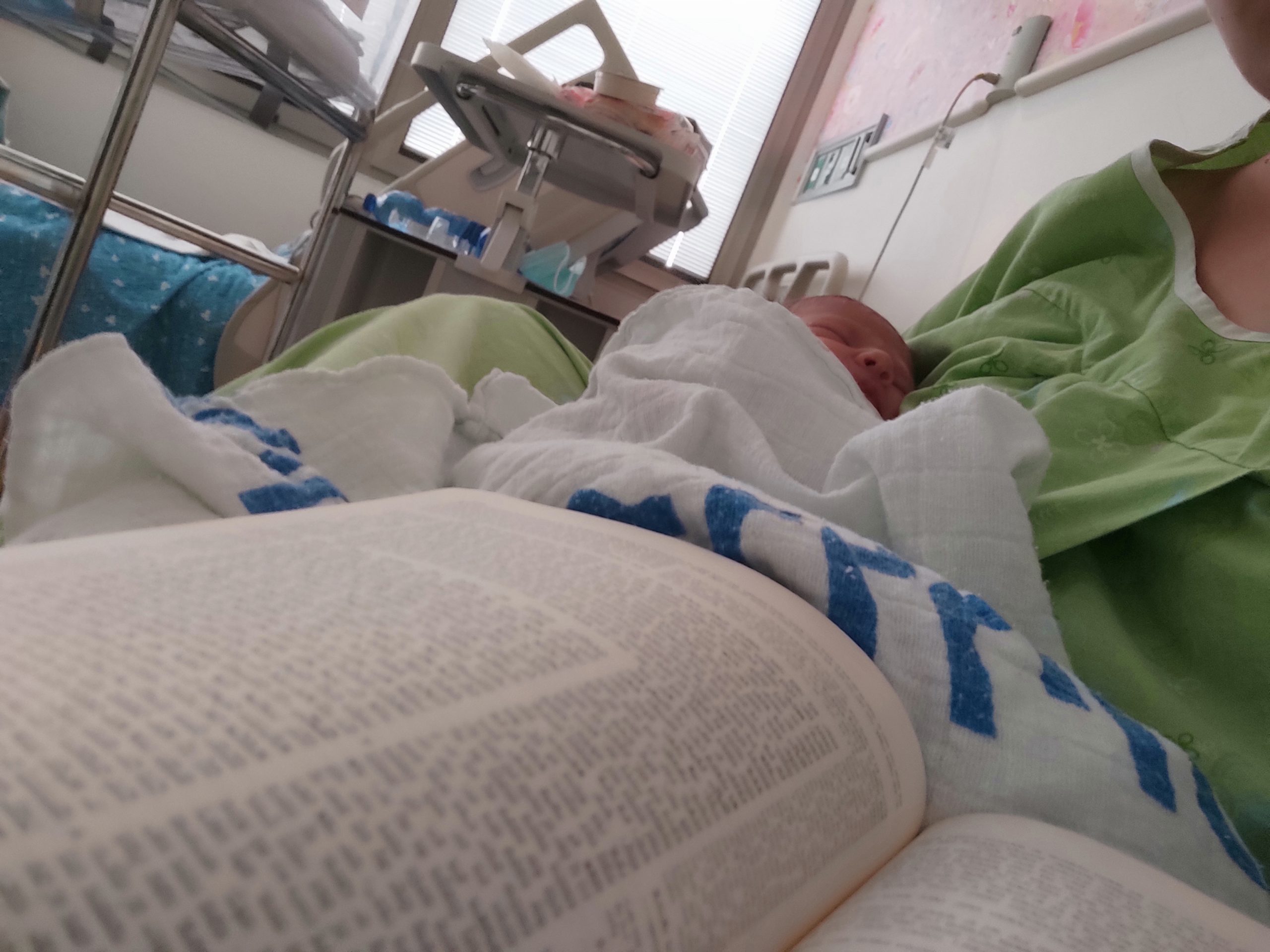
התחלתי בסיום הש”ס, יצאתי באורות. נשברתי פעמיים, ובשתיהם הרבנית מישל עודדה להמשיך איפה שכולם בסבב ולהשלים כשאוכל, וכך עשיתי וכיום השלמתי הכל. מדהים אותי שאני לומדת כל יום קצת, אפילו בחדר הלידה, בבידוד או בחו”ל. לאט לאט יותר נינוחה בסוגיות. לא כולם מבינים את הרצון, בפרט כפמניסטית. חשה סיפוק גדול להכיר את המושגים וצורת החשיבה. החלום זה להמשיך ולהתמיד ובמקביל ללמוד איך מהסוגיות נוצרה והתפתחה ההלכה.

Weingarten Sherrington Foundation
קרן וינגרטן שרינגטון

מודיעין, ישראל

התחלתי ללמוד דף יומי בסבב הקודם. זכיתי לסיים אותו במעמד המרגש של הדרן. בסבב הראשון ליווה אותי הספק, שאולי לא אצליח לעמוד בקצב ולהתמיד. בסבב השני אני לומדת ברוגע, מתוך אמונה ביכולתי ללמוד ולסיים. בסבב הלימוד הראשון ליוותה אותי חוויה מסויימת של בדידות. הדרן העניקה לי קהילת לימוד ואחוות נשים. החוויה של סיום הש”ס במעמד כה גדול כשנשים שאינן מכירות אותי, שמחות ומתרגשות עבורי , היתה חוויה מרוממת נפש

Ilanit Weil
אילנית ווייל

קיבוץ מגדל עוז, ישראל

התחלתי ללמוד דף יומי כאשר קיבלתי במייל ממכון שטיינזלץ את הדפים הראשונים של מסכת ברכות במייל. קודם לא ידעתי איך לקרוא אותם עד שנתתי להם להדריך אותי. הסביבה שלי לא מודעת לעניין כי אני לא מדברת על כך בפומבי. למדתי מהדפים דברים חדשים, כמו הקשר בין המבנה של בית המקדש והמשכן לגופו של האדם (יומא מה, ע”א) והקשר שלו למשפט מפורסם שמופיע בספר ההינדי "בהגוד-גיתא”. מתברר שזה רעיון כלל עולמי ולא רק יהודי

Elena Arenburg
אלנה ארנבורג

נשר, ישראל

התחלתי ללמוד בסבב הנוכחי לפני כשנתיים .הסביבה מתפעלת ותומכת מאוד. אני משתדלת ללמוד מכל ההסכתים הנוספים שיש באתר הדרן. אני עורכת כל סיום מסכת שיעור בביתי לכ20 נשים שמחכות בקוצר רוח למפגשים האלו.

Yael Asher
יעל אשר

יהוד, ישראל

אני לומדת גמרא כעשור במסגרות שונות, ואת הדף היומי התחלתי כשחברה הציעה שאצטרף אליה לסיום בבנייני האומה. מאז אני לומדת עם פודקסט הדרן, משתדלת באופן יומי אך אם לא מספיקה, מדביקה פערים עד ערב שבת. בסבב הזה הלימוד הוא "ממעוף הציפור”, מקשיבה במהירות מוגברת תוך כדי פעילויות כמו בישול או נהיגה, וכך רוכשת היכרות עם הסוגיות ואופן ניתוחם על ידי חז”ל. בע”ה בסבב הבא, ואולי לפני, אצלול לתוכו באופן מעמיק יותר.

Yael Bir
יעל ביר

רמת גן, ישראל

התחלתי ללמוד דף יומי בתחילת מסכת ברכות, עוד לא ידעתי כלום. נחשפתי לסיום הש״ס, ובעצם להתחלה מחדש בתקשורת, הפתיע אותי לטובה שהיה מקום לעיסוק בתורה.
את המסכתות הראשונות למדתי, אבל לא סיימתי (חוץ מעירובין איכשהו). השנה כשהגעתי למדרשה, נכנסתי ללופ, ואני מצליחה להיות חלק, סיימתי עם החברותא שלי את כל המסכתות הקצרות, גם כשהיינו חולות קורונה ובבידודים, למדנו לבד, העיקר לא לצבור פער, ומחכות ליבמות 🙂

Eden Yeshuron
עדן ישורון

מזכרת בתיה, ישראל

התחלתי ללמוד דף יומי בסבב הקודם. זכיתי לסיים אותו במעמד המרגש של הדרן. בסבב הראשון ליווה אותי הספק, שאולי לא אצליח לעמוד בקצב ולהתמיד. בסבב השני אני לומדת ברוגע, מתוך אמונה ביכולתי ללמוד ולסיים. בסבב הלימוד הראשון ליוותה אותי חוויה מסויימת של בדידות. הדרן העניקה לי קהילת לימוד ואחוות נשים. החוויה של סיום הש”ס במעמד כה גדול כשנשים שאינן מכירות אותי, שמחות ומתרגשות עבורי , היתה חוויה מרוממת נפש

Ilanit Weil
אילנית ווייל

קיבוץ מגדל עוז, ישראל

אמא שלי למדה איתי ש”ס משנה, והתחילה ללמוד דף יומי. אני החלטתי שאני רוצה ללמוד גם. בהתחלה למדתי איתה, אח”כ הצטרפתי ללימוד דף יומי שהרב דני וינט מעביר לנוער בנים בעתניאל. במסכת עירובין עוד חברה הצטרפה אלי וכשהתחלנו פסחים הרב דני פתח לנו שעור דף יומי לבנות. מאז אנחנו לומדות איתו קבוע כל יום את הדף היומי (ובשבת אבא שלי מחליף אותו). אני נהנית מהלימוד, הוא מאתגר ומעניין

Renana Hellman
רננה הלמן

עתניאל, ישראל

התחלתי ללמוד את הדף היומי מעט אחרי שבני הקטן נולד. בהתחלה בשמיעה ולימוד באמצעות השיעור של הרבנית שפרבר. ובהמשך העזתי וקניתי לעצמי גמרא. מאז ממשיכה יום יום ללמוד עצמאית, ולפעמים בעזרת השיעור של הרבנית, כל יום. כל סיום של מסכת מביא לאושר גדול וסיפוק. הילדים בבית נהיו חלק מהלימוד, אני משתפת בסוגיות מעניינות ונהנית לשמוע את דעתם.

Eliraz Blau
אלירז בלאו

מעלה מכמש, ישראל

התחלתי בסיום הש”ס, יצאתי באורות. נשברתי פעמיים, ובשתיהם הרבנית מישל עודדה להמשיך איפה שכולם בסבב ולהשלים כשאוכל, וכך עשיתי וכיום השלמתי הכל. מדהים אותי שאני לומדת כל יום קצת, אפילו בחדר הלידה, בבידוד או בחו”ל. לאט לאט יותר נינוחה בסוגיות. לא כולם מבינים את הרצון, בפרט כפמניסטית. חשה סיפוק גדול להכיר את המושגים וצורת החשיבה. החלום זה להמשיך ולהתמיד ובמקביל ללמוד איך מהסוגיות נוצרה והתפתחה ההלכה.

Weingarten Sherrington Foundation
קרן וינגרטן שרינגטון

מודיעין, ישראל

אחרי שראיתי את הסיום הנשי של הדף היומי בבנייני האומה זה ריגש אותי ועורר בי את הרצון להצטרף. לא למדתי גמרא קודם לכן בכלל, אז הכל היה לי חדש, ולכן אני לומדת בעיקר מהשיעורים פה בהדרן, בשוטנשטיין או בחוברות ושיננתם.

Rebecca Schloss
רבקה שלוס

בית שמש, ישראל

למדתי גמרא מכיתה ז- ט ב Maimonides School ואחרי העליה שלי בגיל 14 לימוד הגמרא, שלא היה כל כך מקובל בימים אלה, היה די ספוראדי. אחרי "ההתגלות” בבנייני האומה התחלתי ללמוד בעיקר בדרך הביתה למדתי מפוקקטסים שונים. לאט לאט ראיתי שאני תמיד חוזרת לרבנית מישל פרבר. באיזה שהוא שלב התחלתי ללמוד בזום בשעה 7:10 .
היום "אין מצב” שאני אתחיל את היום שלי ללא לימוד עם הרבנית מישל עם כוס הקפה שלי!!

selfie-scaled
דבי גביר

חשמונאים, ישראל

התחלתי ללמוד דף יומי ממסכת נידה כי זה היה חומר הלימוד שלי אז. לאחר הסיום הגדול בבנייני האומה החלטתי להמשיך. וב”ה מאז עם הפסקות קטנות של קורונה ולידה אני משתדלת להמשיך ולהיות חלק.

זה משפיע מאוד על היום יום שלי ועל אף שאני עסוקה בלימודי הלכה ותורה כל יום, זאת המסגרת הקבועה והמחייבת ביותר שיש לי.

Moriah Taesan Michaeli
מוריה תעסן מיכאלי

גבעת הראל, ישראל

לצערי גדלתי בדור שבו לימוד גמרא לנשים לא היה דבר שבשגרה ושנים שאני חולמת להשלים את הפער הזה.. עד שלפני מספר שבועות, כמעט במקרה, נתקלתי במודעת פרסומת הקוראת להצטרף ללימוד מסכת תענית. כשקראתי את המודעה הרגשתי שהיא כאילו נכתבה עבורי – "תמיד חלמת ללמוד גמרא ולא ידעת איך להתחיל”, "בואי להתנסות במסכת קצרה וקלה” (רק היה חסר שהמודעה תיפתח במילים "מיכי שלום”..). קפצתי למים ו- ב”ה אני בדרך להגשמת החלום:)

Micah Kadosh
מיכי קדוש

מורשת, ישראל

נזיר ב

כׇּל כִּינּוּיֵי נְזִירוּת — כִּנְזִירוּת.

MISHNA: One becomes a nazirite by taking a nazirite vow, in which he simply declares himself a nazirite, as detailed in the Torah (Numbers 6:1–21). Additionally, all substitutes for the language of nazirite vows are like nazirite vows and are binding. Furthermore, intimations of nazirite vows, i.e., incomplete statements that are understood from context to be meant as nazirite vows, are considered binding nazirite vows.

הָאוֹמֵר ״אֱהֵא״ — הֲרֵי זֶה נָזִיר, אוֹ ״אֱהֵא נָאֶה״ — נָזִיר, ״נָזִיק״, ״נָזִיחַ״, ״פָּזִיחַ״ — הֲרֵי זֶה נָזִיר. ״הֲרֵינִי כָּזֶה״, ״הֲרֵינִי מְסַלְסֵל״, ״הֲרֵינִי מְכַלְכֵּל״, ״הֲרֵי עָלַי לְשַׁלֵּחַ פֶּרַע״ — הֲרֵי זֶה נָזִיר.

Consequently, one who says: I will be, without further clarification, is a nazirite, as this is his implied intention. Or, if he said: I will be beautiful, he is a nazirite. The substitutes for the language of nazirite vows are as follows: If one says: I will be a nazik, a nazi’aḥ, or a pazi’aḥ, he is a nazirite. If one says: I am hereby like this, I am hereby a hair curler, I am hereby growing my hair; or: It is incumbent upon me to grow long hair, he is a nazirite.

״הֲרֵי עָלַי צִיפּוֹרִים״ — רַבִּי מֵאִיר אוֹמֵר: נָזִיר. וַחֲכָמִים אוֹמְרִים: אֵינוֹ נָזִיר.

If one says: An obligation is hereby incumbent upon me with regard to birds, Rabbi Meir says: He is a nazirite. A nazirite brings two bird-offerings if he inadvertently becomes ritually impure from a corpse (Numbers 6:10), and it is understood that the individual used this indirect phrase to take a vow of naziriteship. And the Sages say: He is not a nazirite.

גְּמָ׳ מִכְּדֵי תַּנָּא בְּסֵדֶר נָשִׁים קָאֵי, מַאי טַעְמָא תָּנֵי נָזִיר?

GEMARA: The Gemara begins by clarifying why this tractate appears in the order of Nashim within the six orders of the Mishna. Now, the tanna is engaged in the study of the order of Nashim, which discusses laws concerning marriage and the resulting obligations as well as with forbidden sexual relations. What then is the reason that he teaches the laws of the nazirite here?

תַּנָּא אַקְּרָא קָאֵי: ״וְהָיָה אִם לֹא תִמְצָא חֵן בְּעֵינָיו כִּי מָצָא בָהּ עֶרְוַת דָּבָר״. וְהָכִי קָאָמַר: מִי גָּרַם לָהּ לָעֲבֵירָה — יַיִן, וְקָאָמַר: כׇּל הָרוֹאֶה סוֹטָה בְּקִלְקוּלָהּ יַזִּיר עַצְמוֹ מִן הַיַּיִן.

The Gemara answers: The tanna is engaged in the study of the verse pertaining to divorce: “Then it comes to pass, if she finds no favor in his eyes, because he has found some unseemly matter about her” (Deuteronomy 24:1). And this is what he is saying: What caused the woman to commit the transgression of adultery, alluded to in the verse by the phrase “unseemly matter”? It was wine. And the tanna is saying: Anyone who sees a sota in her disgrace should abstain from wine. Consequently, tractate Nazir is placed in the order of Nashim, immediately preceding tractate Sota, which is about a woman suspected by her husband of having been unfaithful, and tractate Gittin, which discusses divorce.

פָּתַח בְּכִינּוּיִין, וּמְפָרֵשׁ יָדוֹת.

§ The Gemara asks a question with regard to the mishna’s presentation of the different topics it addresses: The tanna began with the statement that all substitutes for the language of nazirite vows are considered nazirite vows, but then it explains the halakha of intimations of nazirite vows by providing examples of intimations rather than examples of substitutes for nazirite vows. Why didn’t the mishna provide examples of substitutes immediately after stating the halakha concerning substitutes?

אָמַר רָבָא, וְאִיתֵּימָא כְּדִי: חַסּוֹרֵי מִיחַסְּרָא וְהָכִי קָתָנֵי: כׇּל כִּינּוּיֵי נְזִירוּת — כִּנְזִירוּת, וִידוֹת נְזִירוּת — כִּנְזִירוּת, וְאֵלּוּ הֵן יָדוֹת: הָאוֹמֵר ״אֱהֵא״ — הֲרֵי זֶה נָזִיר.

Rava said, and some say this statement without attribution [kedi]: The mishna is incomplete and is teaching the following: All substitutes for the language of nazirite vows are like nazirite vows. And similarly, all intimations of nazirite vows are like nazirite vows. And these are examples of intimations: One who says: I will be, is a nazirite.

וְלִפְרוֹשׁ כִּינּוּיֵי בְּרֵישָׁא! תַּנָּא מֵהָהוּא דְּסָלֵיק — הָהוּא מְפָרֵשׁ בְּרֵישָׁא. כְּדִתְנַן: בַּמֶּה מַדְלִיקִין וּבַמָּה אֵין מַדְלִיקִין, וּמְפָרֵשׁ ״אֵין מַדְלִיקִין״ בְּרֵישָׁא.

The Gemara asks: But nevertheless, let the tanna explain the cases of substitutes first, before providing examples of intimations, as the halakha of substitutes is mentioned before the halakha of intimations. The Gemara answers: The tanna employs the general style of the Mishna, which is that the subject with which it concludes is the one that it explains first, as we learned in a mishna (Shabbat 20b): With what may one light the Shabbat lamp and with what may one not light it? And the mishna explains the details of what one may not light first, before providing examples of fuel that may be used to light the Shabbat lamp.

בַּמֶּה טוֹמְנִין וּבַמָּה אֵין טוֹמְנִין, וּמְפָרֵשׁ ״אֵין טוֹמְנִין״ בְּרֵישָׁא.

Similarly, another mishna (Shabbat 47b) states: In what may one insulate a pot of cooked food on Shabbat eve, and in what may one not insulate it? And the mishna explains the cases of material in which one may not insulate it first, before providing examples of materials in which one may insulate a pot of cooked food.

בַּמָּה אִשָּׁה יוֹצְאָה וּבַמָּה אֵינָהּ יוֹצְאָה, וּמְפָרֵשׁ ״לֹא תֵּצֵא אִשָּׁה״ בְּרֵישָׁא.

A third example of this style is in the following mishna (Shabbat 57a): With what items may a woman go out into the public domain on Shabbat and with what items may she not go out? And the mishna explains the items with which a woman may not go out first, before providing examples of items with which she may go out.

וְהָתְנַן: בַּמֶּה בְּהֵמָה יוֹצְאָה וּבַמָּה אֵינָהּ יוֹצְאָה, וּמְפָרֵשׁ ״יוֹצֵא גָּמָל״ בְּרֵישָׁא.

The Gemara challenges this explanation: But didn’t we learn in a mishna (Shabbat 51b): With what may an animal go out into the public domain on Shabbat, and with what may it not go out? And it explains the items with which a camel may go out first, before providing examples of items with which it may not go out.

יֵשׁ נוֹחֲלִין וּמַנְחִילִין, נוֹחֲלִין וְלֹא מַנְחִילִין, מַנְחִילִין וְלֹא נוֹחֲלִין, לֹא נוֹחֲלִין וְלֹא מַנְחִילִין, וּמְפָרֵשׁ ״אֵלּוּ נוֹחֲלִין וּמַנְחִילִין״ בְּרֵישָׁא!

Similarly, it is taught in another mishna (Bava Batra 108a): There are some relatives who inherit and bequeath, e.g., a father and son, who are heirs to each other; some who inherit but do not bequeath; some bequeath but do not inherit; and some do not inherit and do not bequeath. And the mishna explains the cases of those who both inherit and bequeath first, before providing examples of the other categories that were mentioned later in the opening clause of the mishna.

אֶלָּא, לְעוֹלָם תָּנֵי הָכִי וְתָנֵי הָכִי.

Rather, the mishna actually teaches in this manner at times, and it teaches in that manner at other times. There are instances where the tanna begins by elaborating on the first principle mentioned in the mishna, while on other occasions he first elaborates upon the last principle mentioned.

אֶלָּא: הָתָם, דְּאִיסּוּרָא דְנַפְשֵׁיהּ הוּא — מְפָרֵשׁ אִיסּוּרָא דְנַפְשֵׁיהּ בְּרֵישָׁא. גַּבֵּי בְּהֵמָה, דְּאִיסּוּרָא אַיְּידֵי בְּהֵמָה הוּא דְּאָתֵי — מְפָרֵשׁ הֶיתֵּירָא בְּרֵישָׁא.

However, there is a rationale as to when the tanna employs each style. There, in the passages concerning the fuels one may use to light the Shabbat lamp, the materials one may use to insulate a pot on Shabbat eve, and the items with which a woman may go out on Shabbat to the public domain, where it is the individual’s own prohibition that is being discussed, the tanna explains the cases pertaining to the individual’s own prohibition first. By contrast, with regard to the mishna that addresses an animal carrying into the public domain on Shabbat, where the prohibition comes by means of the animal, the tanna explains what is permitted first.

גַּבֵּי ״יֵשׁ נוֹחֲלִין״ נָמֵי, מְפָרֵשׁ עִיקַּר נַחֲלָה בְּרֵישָׁא.

Similarly, with regard to the mishna that teaches that there are some relatives who inherit and bequeath, the tanna also had a reason for initially providing examples from the first category: He thereby explains the principal case of the Torah’s halakhot of inheritance first.

אֶלָּא [הָכָא] לִפְרוֹשׁ כִּינּוּיֵי בְּרֵישָׁא! אֶלָּא הַיְינוּ טַעַם: יָדוֹת, הוֹאִיל וְאָתְיָין לֵיהּ מִדְּרָשָׁא, חֲבִיבִין לֵיהּ.

The Gemara now returns to its question: But here, let the tanna explain the cases of substitutes first. The Gemara explains: Rather, this is the reason: Since intimations are derived from the exposition of verses and are not explicitly mentioned in the Torah, they are dear to the tanna and he therefore mentions them first.

וְלִיפְתַּח בְּהוֹן בְּרֵישָׁא! תַּנָּא כִּי מַתְחִיל — מַתְחִיל בְּעִיקַּר קׇרְבָּן, וּלְעִנְיַן פָּירוּשֵׁי — מְפָרֵשׁ יָדוֹת בְּרֵישָׁא.

The Gemara asks: But if that is so, then let him begin with them first in the opening clause of the mishna as well. The Gemara answers: When the tanna begins, he begins with the main offering of the nazirite, i.e., with the halakha that has a basis in the Torah. But with regard to the explanation of these halakhot, he explains the cases of intimations first, as he favors that topic.

הָאוֹמֵר ״אֱהֵא״ — הֲרֵי זֶה נָזִיר. דִּלְמָא ״אֱהֵא בְּתַעֲנִית״ קָאָמַר? אָמַר שְׁמוּאֵל: כְּגוֹן שֶׁהָיָה נָזִיר עוֹבֵר לְפָנָיו.

§ The mishna taught: One who says: I will be, is a nazirite. The Gemara asks: Perhaps he is saying: I will be fasting, i.e., his intention is to take a vow that will obligate himself to fast rather than to be a nazirite. The Gemara answers that Shmuel said: The mishna is describing a case where a nazirite was passing before him, so that it is clear that he is taking a nazirite vow.

לֵימָא קָסָבַר שְׁמוּאֵל יָדַיִם שֶׁאֵינָן מוֹכִיחוֹת לָא הָוְויָין יָדַיִם? אָמְרִי: בִּזְמַן שֶׁנָּזִיר עוֹבֵר לְפָנָיו לֵיכָּא לְסַפּוֹקֵא בְּמִילְּתָא אַחֲרִינָא. אֲבָל וַדַּאי אֵין הַנָּזִיר עוֹבֵר לְפָנָיו, אָמְרִינַן: דִּלְמָא ״אֱהֵא בְּתַעֲנִית״ קָאָמַר.

The Gemara asks: Shall we say that Shmuel holds as a principle that ambiguous intimations are not considered intimations, i.e., they are not considered vows? The Gemara rejects this suggestion: Say that when a nazirite is passing before him, there is no reason to doubt his intention. There is no possibility that he is referring to another matter, and therefore his statement is definitely an intimation of naziriteship. However, it is certainly the case that when a nazirite is not passing before him, and he states: I will be, we say that perhaps he is saying: I will be fasting. It is only in the latter case, where one’s intimation is so ambiguous that it offers no evidence whatsoever of his intentions, that Shmuel holds that one’s statement is not considered a vow.

וְדִלְמָא לְפוֹטְרוֹ מִן קׇרְבְּנוֹתָיו קָאָמַר? דְּקָאָמַר בְּלִבּוֹ.

The Gemara asks: But even if he made his statement when a nazirite was passing before him, perhaps he was saying that he intends to purchase the animals the nazirite will need for his offerings and thereby exempt the nazirite from paying for his own offerings. The Gemara answers: This is a case where he said in his heart that he accepts upon himself a nazirite vow.

אִי הָכִי, מַאי לְמֵימְרָא! מַהוּ דְּתֵימָא: בָּעִינַן פִּיו וְלִבּוֹ שָׁוִין, קָא מַשְׁמַע לַן.

The Gemara asks: If that is so, then what is the purpose of stating this halakha? Isn’t it obvious that he becomes a nazirite? The Gemara answers: It is necessary to state this halakha, lest you say that we require his mouth and heart to be identical. If that were the case, then if one did not clearly articulate his nazirite vow, he would not become a nazirite even if he intended to become one. Therefore, the mishna teaches us that since his words can be interpreted as referring to a nazirite vow, and that was his intention, he becomes a nazirite.

״אֱהֵא נָאֶה״ — נָזִיר. וְדִלְמָא: אֶנָּאֶה לְפָנָיו בְּמִצְוֹת? כִּדְתַנְיָא: ״זֶה אֵלִי וְאַנְוֵהוּ״ — אֶנָּאֶה לְפָנָיו בְּמִצְוֹת. אֶעֱשֶׂה לְפָנָיו סוּכָּה נָאָה, לוּלָב נָאֶה, צִיצִית נָאָה, אֶכְתּוֹב לְפָנָיו סֵפֶר תּוֹרָה נָאֶה וְאֶכְרְכֶנּוּ בְּשִׁירָאִין נָאִים!

§ The mishna taught that if one says: I will be beautiful [na’e], he is a nazirite. The Gemara asks: But perhaps when he said: I will be beautiful, he meant: I will be beautiful before Him in mitzvot? As it is taught in a baraita: “This is my God and I will glorify Him [anvehu]” (Exodus 15:2). Anvehu has the same root as the word na’e; therefore, the verse means: I will be beautiful before Him in mitzvot. How is this done? I will make before Him a beautiful sukka, a beautiful lulav, beautiful ritual fringes. I will write before Him a beautiful Torah scroll, and I will wrap it in beautiful silk cloths [shira’in].

אָמַר שְׁמוּאֵל: שֶׁתָּפוּס בִּשְׂעָרוֹ, וְאָמַר ״אֶנָּאֶה״.

The Gemara answers that Shmuel said: The mishna is referring to a case where one is holding his hair and says: I will be beautiful. This clearly indicates that he is referring to naziriteship.

נְזִירָא מִילְּתָא דַעֲבֵירָה, וְאָמְרִינַן לֵיהּ ״נָאֶה״?

The Gemara asks: Since naziriteship is a matter of transgression, can we say about a nazirite that he is beautiful?

רוצה לעקוב אחרי התכנים ולהמשיך ללמוד?

ביצירת חשבון עוד היום ניתן לעקוב אחרי ההתקדמות שלך, לסמן מה למדת, ולעקוב אחרי השיעורים שמעניינים אותך.

לנקות את כל הפריטים מהרשימה?

פעולה זו תסיר את כל הפריטים בחלק זה כולל ההתקדמות וההיסטוריה. שימי לב: לא ניתן לשחזר פעולה זו.

ביטול
מחיקה

האם את/ה בטוח/ה שברצונך למחוק פריט זה?

תאבד/י את כל ההתקדמות או ההיסטוריה הקשורות לפריט זה.

ביטול
מחיקה