חיפוש

נדרים לז

רוצה להקדיש לימוד?

podcast placeholder

0:00
0:00


תקציר

הדף היום מוקדש ע”י קבוצת הזום לכבוד גיוסה של שירה פרבר לצה”ל ובהודיה להורייך אשר גידלו אותך לערכים. שירה, אנו מאחלים לך שנים של שירות משמעותי. 

הדף היום מוקדש למימי ורפי שחט לכבוד הולדת בנם אתמול בלילה! מזל טוב!

מדוע הבדילה המשנה ואמרה שאפשר ללמד מדרש, הלכה ואגדה ממי שמודר הנאה ממנו, אבל לא תורה? שמואל מקים את המשנה במקרה שנוטלים שכר על לימוד מקרא ולא על לימוד משנה. ולאחר שמקשים על זה מסבירים שהמשנה באה ללמדינו שאסור לגבות שכר על לימוד מדרש אבל מותר על לימוד תורה. הגמרא מקשה: שהסיבה שאסור לקבל משכורת על לימוד מדרש נלמד מפסוקים מספר דברים – אם כן, לא מובן איך אפשר להתיר בלימוד תורה? רב ור’ יוחנן מביאים שני תירוצים – אפשר לגבות שכר על שימור הילדים או על לימוד פיסוק הטעמים. הגמרא מביאה שתי קושיות על רב – אחד ממשנתינו ואחד מברייתא. כדי לפתור את הקושי מהמשנה, עושים אוקימתא למשנה. כדי לפתור את הקושי מהברייתא, מסבירים את הברייתא בצורה אחרת ומביאים שתי הבנות אחרות לברייתא. למה רב לא אמר כר’ יוחנן ולמה ר’ יוחנן לא אמר כרב.

נדרים לז

הָא קָא מַשְׁמַע לַן דַּאֲפִילּוּ בִּמְקוֹם שֶׁנּוֹטְלִין שָׂכָר, עַל הַמִּקְרָא שְׁרֵי לְמִשְׁקַל, עַל הַמִּדְרָשׁ לָא שְׁרֵי לְמִשְׁקַל.

The Gemara answers: This teaches us that even in a place where one takes payment for teaching, for teaching Bible it is permitted to take payment, but for teaching midrash it is not permitted to take payment.

מַאי שְׁנָא מִדְרָשׁ דְּלָא — דִּכְתִיב: ״וְאֹתִי צִוָּה ה׳ בָּעֵת הַהִיא לְלַמֵּד אֶתְכֶם״, וּכְתִיב: ״רְאֵה לִמַּדְתִּי אֶתְכֶם חֻקִּים וּמִשְׁפָּטִים כַּאֲשֶׁר צִוַּנִי ה׳״, מָה אֲנִי בְּחִנָּם — אַף אַתֶּם נָמֵי בְּחִנָּם. מִקְרָא נָמֵי בְּחִנָּם!

The Gemara asks: In what way is midrash different from Bible, that one may not take payment for teaching it? Based on that which is written, which Moses said to the people: “And the Lord commanded me at that time to teach you statutes and laws” (Deuteronomy 4:14), and also that which is written: “Behold, I have taught you statutes and laws, as the Lord my God commanded me, that you should do so in the midst of the land where you go in to possess it” (Deuteronomy 4:5), God said: Just as I teach you for free, without payment, so too you also shall teach for free. There should be no difference between Bible and midrash, and Bible too, like midrash, should be taught for free.

רַב אָמַר: שְׂכַר שִׁימּוּר. וְרַבִּי יוֹחָנָן אָמַר: שְׂכַר פִּיסּוּק טְעָמִים.

Rav said: As Bible is typically taught to children, one who teaches Bible takes payment for watching the children. And Rabbi Yoḥanan said: He takes payment for teaching punctuation of the text with cantillation notes.

תְּנַן: לֹא יְלַמְּדֶנּוּ מִקְרָא. בִּשְׁלָמָא לְמַאן דְּאָמַר שְׂכַר פִּיסּוּק טְעָמִים — הַיְינוּ דְּלָא יְלַמְּדֶנּוּ, אֶלָּא לְמַאן דְּאָמַר שְׂכַר שִׁימּוּר — גָּדוֹל בַּר שִׁימּוּר הוּא? בְּקָטָן קָתָנֵי.

We learned in the mishna that one for whom benefit from another is forbidden by a vow, that other person may not teach him Bible. Granted, according to the one who says that the payment is for teaching punctuation of the text with cantillation notes, this is the reason that he shall not teach him Bible, as teaching punctuation is a component of teaching the biblical text. However, according to the one who says it is payment for watching the students, is an adult one who requires watching, and would payment be taken for doing so? Since the teacher typically does not receive payment for teaching adults, there is no benefit when he teaches for free the one for whom benefit is forbidden; why, then, is it prohibited? The Gemara answers: The mishna is teaching about the case of a minor who requires watching and who is prohibited by a vow from deriving benefit from the teacher.

אִי בְּקָטָן, אֵימָא סֵיפָא: אֲבָל מְלַמֵּד אֶת בָּנָיו מִקְרָא, קָטָן בַּר בָּנִים הוּא?! חַסּוֹרֵי מְחַסְּרָא וְהָכִי קָתָנֵי: לֹא יְלַמְּדֶנּוּ מִקְרָא — בְּקָטָן, אִם הָיָה גָּדוֹל — מְלַמְּדוֹ לוֹ וּלְבָנָיו מִקְרָא.

The Gemara asks: If it is the case of a minor, say the latter clause of the mishna: However, he may teach his sons Bible. Is a minor one who is capable of bearing sons? The Gemara answers: The mishna is incomplete, and this is what it is teaching: He may not teach him Bible, in the case of a minor. If the student is an adult, he may teach him and his sons Bible. He may teach him because he does not require watching, and he may teach his son because the payment is for watching his son.

מֵיתִיבִי: תִּינוֹקוֹת לֹא קוֹרִין בַּתְּחִילָּה בַּשַּׁבָּת, אֶלָּא שׁוֹנִין בָּרִאשׁוֹן. בִּשְׁלָמָא לְמַאן דְּאָמַר שְׂכַר פִּיסּוּק טְעָמִים — הַיְינוּ דְּאֵין קוֹרִין בַּתְּחִילָּה בַּשַּׁבָּת. אֶלָּא לְמַאן דְּאָמַר שְׂכַר שִׁימּוּר, אַמַּאי אֵין קוֹרִין בַּתְּחִילָּה בַּשַּׁבָּת, וְאַמַּאי שׁוֹנִין בָּרִאשׁוֹן? הָא אִיכָּא שְׂכַר שִׁימּוּר דְּשַׁבָּת!

The Gemara raises an objection from a baraita: Children may not read a passage in the Bible for the first time on Shabbat; however, they may review a passage that they already learned once. Granted, according to the one who says that payment for teaching Bible is for teaching punctuation of the text with cantillation notes, this is the reason that children may not read a passage in the Bible for the first time on Shabbat, as it would be necessary to pay the teacher. However, according to the one who says it is payment for watching the children, why may children not read a passage in the Bible for the first time on Shabbat? And why may children review a passage that they already learned once? Isn’t there payment for watching the children on Shabbat in both cases?

וְלִיטַעְמָיךְ שְׂכַר פִּיסּוּק בְּשַׁבָּת מִי אָסוּר? הַבְלָעָה הִיא, וְהַבְלָעָה מִישְׁרֵא שְׁרֵי. דְּתַנְיָא: הַשּׂוֹכֵר אֶת הַפּוֹעֵל לִשְׁמוֹר אֶת הַתִּינוֹק, לִשְׁמוֹר אֶת הַפָּרָה, לִשְׁמוֹר אֶת הַזְּרָעִים — אֵין נוֹתְנִין לוֹ שְׂכַר שַׁבָּת. לְפִיכָךְ

The Gemara responds: And according to your reasoning, is receiving payment for teaching punctuation prohibited on Shabbat? It is a case of incorporation of the payment for teaching on Shabbat into the teacher’s weekly salary, and incorporation is permitted, as it is taught in a baraita: One who hires a day laborer to watch a child, to watch a cow, or to guard seeds does not give him payment for Shabbat. Therefore,

אִם אָבְדוּ — אֵינוֹ חַיָּיב בְּאַחְרָיוּתָן. וְאִם הָיָה שְׂכִיר שַׁבָּת, שְׂכִיר חֹדֶשׁ, שְׂכִיר שָׁנָה, שְׂכִיר שָׁבוּעַ — נוֹתֵן לוֹ שְׂכַר שַׁבָּת. לְפִיכָךְ אִם אָבְדוּ — חַיָּיב בְּאַחְרָיוּתָן.

if the items that the laborer was entrusted to watch were lost on Shabbat, he does not bear financial responsibility to compensate the owners for them, since he is not a paid bailee on that day. And if he is a laborer hired for a week, hired for a month, hired for a year, or hired for seven years, the one who hired him gives him payment for labor performed on Shabbat as well. Therefore, if the items were lost on Shabbat, he bears financial responsibility to compensate the owners for them. If payment for Shabbat is incorporated within payment for a longer period, it is not prohibited to accept payment for permitted actions performed on Shabbat.

אֶלָּא: גַּבֵּי שַׁבָּת הַיְינוּ טַעְמָא דְּאֵין קוֹרְאִין בַּתְּחִילָּה — מִשּׁוּם דְּיִפְנוּ אֲבָהָתְהוֹן דְּיָנוֹקֵי לְמִצְוְתָא דְשַׁבְּתָא. וְאִיבָּעֵית אֵימָא: מִשּׁוּם דִּבְשַׁבְּתָא אָכְלִין וְשָׁתִין וְיַקִּיר עֲלֵיהוֹן עָלְמָא. כִּדְאָמַר שְׁמוּאֵל: שִׁינּוּי וֶסֶת תְּחִילַּת חוֹלִי מֵעַיִים.

Rather, with regard to Shabbat, this is the reason that children may not read a passage in the Bible for the first time on Shabbat, so that the fathers of the children will be at leisure to fulfill the mitzva of delighting in Shabbat. Teaching new material to their children would occupy more of their fathers’ time, limiting their opportunity to fulfill that mitzva. And if you wish, say instead: Due to the fact that on Shabbat children eat and drink more than they are accustomed to eating, their world is heavy upon them, i.e., their head and their limbs are sluggish, and they are incapable of concentrating and studying well, as Shmuel said: A change in routine [veset] in eating and the like causes the onset of an intestinal ailment.

וּלְמַאן דְּאָמַר שְׂכַר פִּיסּוּק טְעָמִים, מַאי טַעְמָא לָא אָמַר שְׂכַר שִׁימּוּר? קָסָבַר בָּנוֹת מִי קָא בָּעֲיָין שִׁימּוּר?

And according to the one who says that the payment for teaching Bible is payment for teaching punctuation of the text with cantillation notes, and therefore in the case of one for whom benefit from another is forbidden by vow, that other person may not teach his sons and daughters Bible, what is the reason that he did not say that it is payment for watching the children? The Gemara answers: He holds: Do girls need watching? They stay home and are not accustomed to going out.

וּלְמַאן דְּאָמַר שְׂכַר שִׁימּוּר, מַאי טַעְמָא לָא אָמַר שְׂכַר פִּיסּוּק טְעָמִים? קָסָבַר (שְׂכַר) פִּיסּוּק טְעָמִים דְּאוֹרָיְיתָא הוּא.

The Gemara asks: And according to the one who says that the payment for teaching Bible is payment for watching the children, what is the reason that he did not say that it is payment for teaching punctuation of the text with cantillation notes? The Gemara answers: He holds that the punctuation of the text with cantillation notes is by Torah law; therefore, it is included in the prohibition against taking payment for teaching Torah.

דְּאָמַר רַב אִיקָא בַּר אָבִין אָמַר רַב חֲנַנְאֵל אָמַר רַב: מַאי דִּכְתִיב ״וַיִּקְרְאוּ בַסֵּפֶר בְּתוֹרַת הָאֱלֹהִים מְפֹרָשׁ וְשׂוֹם שֶׂכֶל וַיָּבִינוּ בַּמִּקְרָא״. ״וַיִּקְרְאוּ בַסֵּפֶר בְּתוֹרַת הָאֱלֹהִים״ — זֶה מִקְרָא, ״מְפֹרָשׁ״ — זֶה תַּרְגּוּם, ״וְשׂוֹם שֶׂכֶל״ — אֵלּוּ הַפְּסוּקִים, ״וַיָּבִינוּ בַּמִּקְרָא״ — זֶה פִּיסּוּק טְעָמִים. וְאָמְרִי לַהּ: אֵלּוּ הַמְּסוֹרוֹת.

This is as Rav Ika bar Avin said that Rav Ḥananel said that Rav said: What is the meaning of that which is written: “And they read in the book, in the Torah of God, distinctly; and they gave the sense, and caused them to understand the reading” (Nehemiah 8:8)? The Gemara explains: “They read in the book, in the Torah of God”; that is the Bible. “Distinctly”; that is the Aramaic translation. “And they gave the sense”; these are the division into verses. “And caused them to understand the reading”; this is punctuation of the text with cantillation notes, which facilitate the understanding of the verses. And some say: These are the traditions that determine the proper vocalization of the Bible. Rav holds that the cantillation notes are an integral part of Torah study.

אָמַר רַבִּי יִצְחָק: מִקְרָא סוֹפְרִים, וְעִיטּוּר סוֹפְרִים, וְקַרְיָין וְלָא כְּתִיבָן, וּכְתִיבָן וְלָא קַרְיָין — הֲלָכָה לְמֹשֶׁה מִסִּינַי.

On a related note, Rabbi Yitzḥak said: The vocalization of the scribes, and the ornamentation of the scribes, and the verses with words that are read but not written, and those that are written but not read are all halakha transmitted to Moses from Sinai.

מִקְרָא סוֹפְרִים: אָרֶץ, שָׁמָיִם, מִצְרָיִם.

The Gemara elaborates: The vocalization of the scribes is referring to words that when they appear at the end of phrases, clauses, or verses, their vocalization changes, e.g., eretz with a segol under the letter alef to aretz with a kamatz under the letter alef; shamayim with a pataḥ under the letter mem, to shamayim with a kamatz under the letter mem; and mitzrayim with a pataḥ under the letter reish, to mitzrayim with a kamatz under the letter reish.

עִיטּוּר סוֹפְרִים: ״אַחַר תַּעֲבֹרוּ״, ״אַחַר תֵּלֵךְ״, ״אַחַר תֵּאָסֵף״, ״קִדְּמוּ שָׁרִים אַחַר נֹגְנִים״, ״צִדְקָתְךָ כְּהַרְרֵי אֵל״.

The ornamentation of the scribes are expressions that the scribes understood in a manner that differs slightly from its plain understanding. For example: “Then [aḥar] go on” (Genesis 18:5); “then [aḥar] she will go” (Genesis 24:55); “afterward [aḥar] you will be gathered” (Numbers 31:2); “the singers go before, the minstrels follow after [aḥar]” (Psalms 68:26); “Your righteousness is like the mighty mountains” (Psalms 36:7).

קַרְיָין וְלָא כְּתִיבָן: ״פְּרָת״ דִּ״בְלֶכְתּוֹ״, ״אִישׁ״ דְּ״כַאֲשֶׁר יִשְׁאַל אִישׁ בִּדְבַר הָאֱלֹהִים״, ״בָּאִים״ דְּ״נִבְנְתָה״, ״לָהּ״ דִּ״פְלֵיטָה״, ״אֵת״ ״דְּהֻגֵּד הֻגַּד״, ״אֵלַי״ דְּ״הַגֹּרֶן״, ״אֵלַי״ דְּ״הַשְּׂעֹרִים״, הָלֵין קַרְיָין וְלָא כְּתִבָן.

Words that are read but not written are included in the halakha transmitted to Moses from Sinai. For example, the word “Euphrates” that is in the phrase “as he went to establish his control over the river Euphrates” (II Samuel 8:3) is not written in the text of the Bible. The same is true for the word “man” that is in the verse “now the counsel of Ahithophel, which he counseled in those days, was as if a man inquired of the word of God” (II Samuel 16:23); and for the word “come” that is in the verse “behold, the days come, says the Lord, that the city shall be built to the Lord from the tower of Hananel unto the gate of the corner” (Jeremiah 31:37); and for “her” that is in the phrase “let her not have escape” (Jeremiah 50:29); unto that is in the verse “it has been told me, all that you have done unto your mother-in-law” (Ruth 2:11); and for “to me” that is found in the passage “and she said unto her: All that you say to me I will do. And she went down to the threshing floor” (Ruth 3:4–5); and for “to me” that is in the verse “he gave me these six measures of barley; for he said to me” (Ruth 3:17). These words are read but not written.

וּכְתִבָן וְלָא קַרְיָין: ״נָא דְּ״יִסְלַח״,

And there are words that are written but not read. For example, the word “may” that is in the verse “may God forgive your servant” (II Kings 5:18) appears in the Bible text but is not vocalized.

חדשה בלימוד הגמרא?

זה הדף הראשון שלך? איזו התרגשות עצומה! יש לנו בדיוק את התכנים והכלים שיעזרו לך לעשות את הצעדים הראשונים ללמידה בקצב וברמה שלך, כך תוכלי להרגיש בנוח גם בתוך הסוגיות המורכבות ומאתגרות.

פסיפס הלומדות שלנו

גלי את קהילת הלומדות שלנו, מגוון נשים, רקעים וסיפורים. כולן חלק מתנועה ומסע מרגש ועוצמתי.

התחלתי ללמוד בעידוד שתי חברות אתן למדתי בעבר את הפרק היומי במסגרת 929.
בבית מתלהבים מאוד ובשבת אני לומדת את הדף עם בעלי שזה מפתיע ומשמח מאוד! לימוד הדף הוא חלק בלתי נפרד מהיום שלי. לומדת בצהריים ומחכה לזמן הזה מידי יום…

Miriam Wengerover
מרים ונגרובר

אפרת, ישראל

A life-changing journey started with a Chanukah family tiyul to Zippori, home of the Sanhedrin 2 years ago and continued with the Syum in Binanei Hauma where I was awed by the energy of 3000 women dedicated to learning daf Yomi. Opening my morning daily with a fresh daf, I am excited with the new insights I find enriching my life and opening new and deeper horizons for me.

Becky Goldstein
בקי גולדשטיין

Elazar gush etzion, Israel

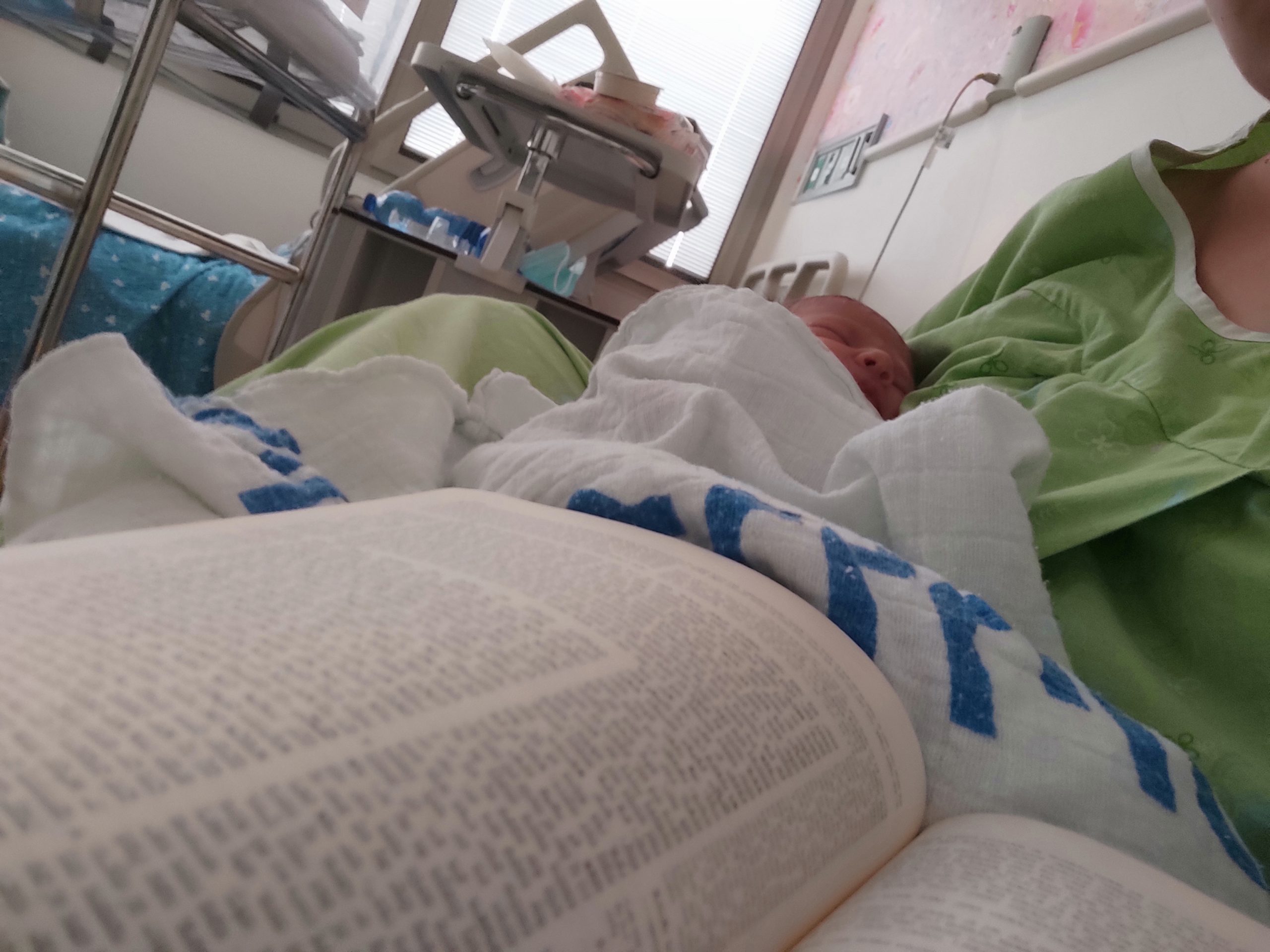
בתחילת הסבב הנוכחי הצטברו אצלי תחושות שאני לא מבינה מספיק מהי ההלכה אותה אני מקיימת בכל יום. כמו כן, כאמא לבנות רציתי לתת להן מודל נשי של לימוד תורה
שתי הסיבות האלו הובילו אותי להתחיל ללמוד. נתקלתי בתגובות מפרגנות וסקרניות איך אישה לומדת גמרא..
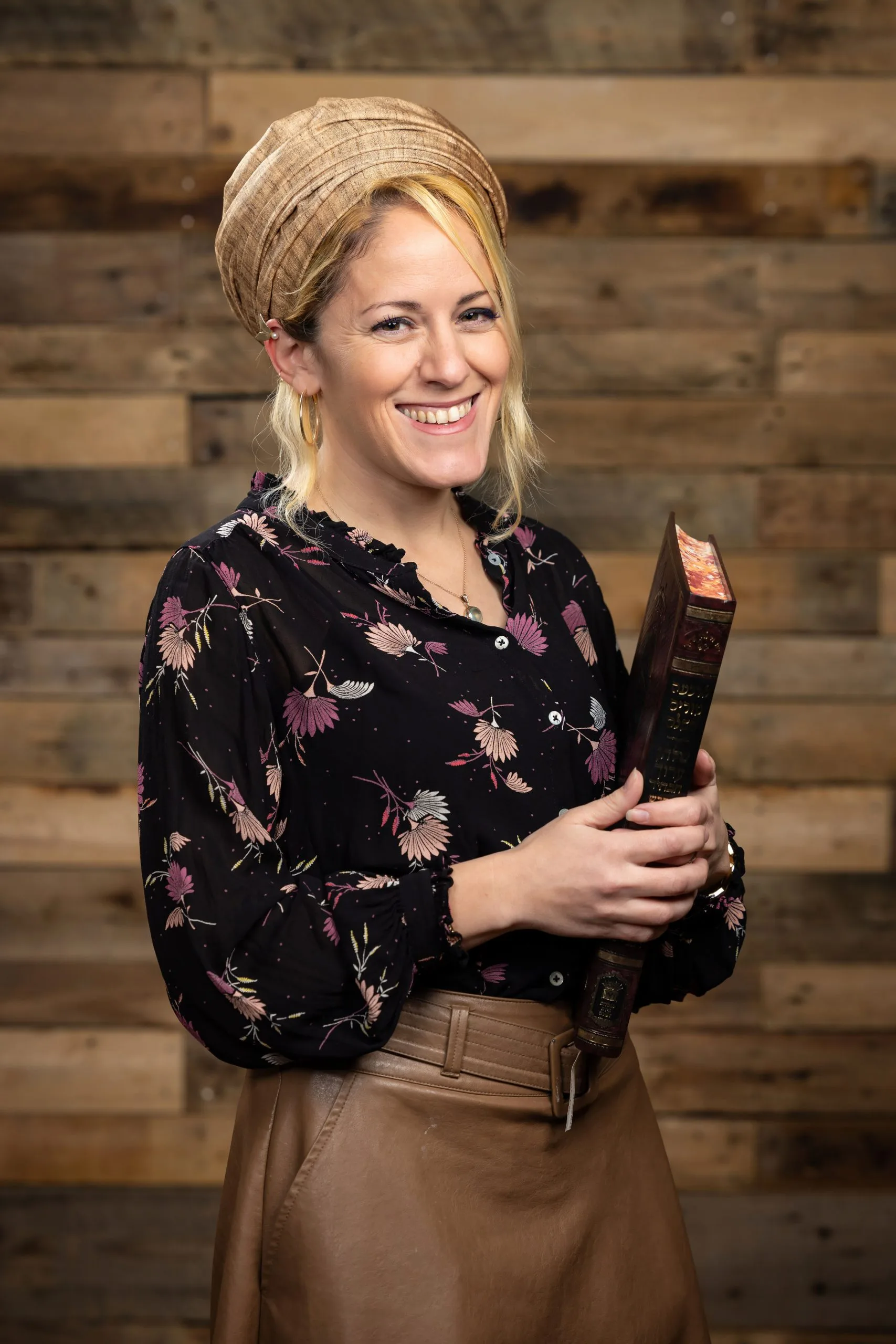
כמו שרואים בתמונה אני ממשיכה ללמוד גם היום ואפילו במחלקת יולדות אחרי לידת ביתי השלישית.

Noa Shiloh
נועה שילה

רבבה, ישראל

הצטרפתי ללומדות בתחילת מסכת תענית. ההתרגשות שלי ושל המשפחה היתה גדולה מאוד, והיא הולכת וגוברת עם כל סיום שאני זוכה לו. במשך שנים רבות רציתי להצטרף ומשום מה זה לא קרה… ב”ה מצאתי לפני מספר חודשים פרסום של הדרן, ומיד הצטרפתי והתאהבתי. הדף היומי שינה את חיי ממש והפך כל יום- ליום של תורה. מודה לכן מקרב ליבי ומאחלת לכולנו לימוד פורה מתוך אהבת התורה ולומדיה.

Noa Rosen
נעה רוזן

חיספין רמת הגולן, ישראל

התחלתי ללמוד את הדף היומי מעט אחרי שבני הקטן נולד. בהתחלה בשמיעה ולימוד באמצעות השיעור של הרבנית שפרבר. ובהמשך העזתי וקניתי לעצמי גמרא. מאז ממשיכה יום יום ללמוד עצמאית, ולפעמים בעזרת השיעור של הרבנית, כל יום. כל סיום של מסכת מביא לאושר גדול וסיפוק. הילדים בבית נהיו חלק מהלימוד, אני משתפת בסוגיות מעניינות ונהנית לשמוע את דעתם.

Eliraz Blau
אלירז בלאו

מעלה מכמש, ישראל

התחלתי להשתתף בשיעור נשים פעם בשבוע, תכננתי ללמוד רק דפים בודדים, לא האמנתי שאצליח יותר מכך.
לאט לאט נשאבתי פנימה לעולם הלימוד .משתדלת ללמוד כל בוקר ומתחילה את היום בתחושה של מלאות ומתוך התכווננות נכונה יותר.
הלימוד של הדף היומי ממלא אותי בתחושה של חיבור עמוק לעם היהודי ולכל הלומדים בעבר ובהווה.

Neely Hayon
נילי חיון

אפרת, ישראל

אני לומדת גמרא כעשור במסגרות שונות, ואת הדף היומי התחלתי כשחברה הציעה שאצטרף אליה לסיום בבנייני האומה. מאז אני לומדת עם פודקסט הדרן, משתדלת באופן יומי אך אם לא מספיקה, מדביקה פערים עד ערב שבת. בסבב הזה הלימוד הוא "ממעוף הציפור”, מקשיבה במהירות מוגברת תוך כדי פעילויות כמו בישול או נהיגה, וכך רוכשת היכרות עם הסוגיות ואופן ניתוחם על ידי חז”ל. בע”ה בסבב הבא, ואולי לפני, אצלול לתוכו באופן מעמיק יותר.

Yael Bir
יעל ביר

רמת גן, ישראל

התחלתי ללמוד דף יומי ממסכת נידה כי זה היה חומר הלימוד שלי אז. לאחר הסיום הגדול בבנייני האומה החלטתי להמשיך. וב”ה מאז עם הפסקות קטנות של קורונה ולידה אני משתדלת להמשיך ולהיות חלק.

זה משפיע מאוד על היום יום שלי ועל אף שאני עסוקה בלימודי הלכה ותורה כל יום, זאת המסגרת הקבועה והמחייבת ביותר שיש לי.

Moriah Taesan Michaeli
מוריה תעסן מיכאלי

גבעת הראל, ישראל

התחלתי בסיום הש”ס, יצאתי באורות. נשברתי פעמיים, ובשתיהם הרבנית מישל עודדה להמשיך איפה שכולם בסבב ולהשלים כשאוכל, וכך עשיתי וכיום השלמתי הכל. מדהים אותי שאני לומדת כל יום קצת, אפילו בחדר הלידה, בבידוד או בחו”ל. לאט לאט יותר נינוחה בסוגיות. לא כולם מבינים את הרצון, בפרט כפמניסטית. חשה סיפוק גדול להכיר את המושגים וצורת החשיבה. החלום זה להמשיך ולהתמיד ובמקביל ללמוד איך מהסוגיות נוצרה והתפתחה ההלכה.

Weingarten Sherrington Foundation
קרן וינגרטן שרינגטון

מודיעין, ישראל

הייתי לפני שנתיים בסיום הדרן נשים בבנייני האומה והחלטתי להתחיל. אפילו רק כמה דפים, אולי רק פרק, אולי רק מסכת… בינתיים סיימתי רבע שס ותכף את כל סדר מועד בה.
הסביבה תומכת ומפרגנת. אני בת יחידה עם ארבעה אחים שכולם לומדים דף יומי. מדי פעם אנחנו עושים סיומים יחד באירועים משפחתיים. ממש מרגש. מסכת שבת סיימנו כולנו יחד עם אבא שלנו!
אני שומעת כל יום פודקאסט בהליכה או בנסיעה ואחכ לומדת את הגמרא.

Edna Gross
עדנה גרוס

מרכז שפירא, ישראל

התחלתי לפני 8 שנים במדרשה. לאחרונה סיימתי מסכת תענית בלמידה עצמית ועכשיו לקראת סיום מסכת מגילה.

Daniela Baruchim
דניאלה ברוכים

רעננה, ישראל

התחלתי ללמוד דף יומי בסבב הקודם. זכיתי לסיים אותו במעמד המרגש של הדרן. בסבב הראשון ליווה אותי הספק, שאולי לא אצליח לעמוד בקצב ולהתמיד. בסבב השני אני לומדת ברוגע, מתוך אמונה ביכולתי ללמוד ולסיים. בסבב הלימוד הראשון ליוותה אותי חוויה מסויימת של בדידות. הדרן העניקה לי קהילת לימוד ואחוות נשים. החוויה של סיום הש”ס במעמד כה גדול כשנשים שאינן מכירות אותי, שמחות ומתרגשות עבורי , היתה חוויה מרוממת נפש

Ilanit Weil
אילנית ווייל

קיבוץ מגדל עוז, ישראל

התחלתי מעט לפני תחילת הסבב הנוכחי. אני נהנית מהאתגר של להמשיך להתמיד, מרגעים של "אהה, מפה זה הגיע!” ומהאתגר האינטלקטואלי

Eilat-Chen and Deller
אילת-חן ודלר

לוד, ישראל

בתחילת הסבב הנוכחי הצטברו אצלי תחושות שאני לא מבינה מספיק מהי ההלכה אותה אני מקיימת בכל יום. כמו כן, כאמא לבנות רציתי לתת להן מודל נשי של לימוד תורה
שתי הסיבות האלו הובילו אותי להתחיל ללמוד. נתקלתי בתגובות מפרגנות וסקרניות איך אישה לומדת גמרא..
כמו שרואים בתמונה אני ממשיכה ללמוד גם היום ואפילו במחלקת יולדות אחרי לידת ביתי השלישית.

Noa Shiloh
נועה שילה

רבבה, ישראל

התחלתי ללמוד דף לפני קצת יותר מ-5 שנים, כשלמדתי רבנות בישיבת מהר”ת בניו יורק. בדיעבד, עד אז, הייתי בלימוד הגמרא שלי כמו מישהו שאוסף חרוזים משרשרת שהתפזרה, פה משהו ושם משהו, ומאז נפתח עולם ומלואו…. הדף נותן לי לימוד בצורה מאורגנת, שיטתית, יום-יומית, ומלמד אותי לא רק ידע אלא את השפה ודרך החשיבה שלנו. לשמחתי, יש לי סביבה תומכת וההרגשה שלי היא כמו בציטוט שבחרתי: הדף משפיע לטובה על כל היום שלי.

Michal Kahana
מיכל כהנא

חיפה, ישראל

הייתי לפני שנתיים בסיום הדרן נשים בבנייני האומה והחלטתי להתחיל. אפילו רק כמה דפים, אולי רק פרק, אולי רק מסכת… בינתיים סיימתי רבע שס ותכף את כל סדר מועד בה.
הסביבה תומכת ומפרגנת. אני בת יחידה עם ארבעה אחים שכולם לומדים דף יומי. מדי פעם אנחנו עושים סיומים יחד באירועים משפחתיים. ממש מרגש. מסכת שבת סיימנו כולנו יחד עם אבא שלנו!
אני שומעת כל יום פודקאסט בהליכה או בנסיעה ואחכ לומדת את הגמרא.

Edna Gross
עדנה גרוס

מרכז שפירא, ישראל

התחלתי ללמוד דף יומי אחרי שחזרתי בתשובה ולמדתי במדרשה במגדל עוז. הלימוד טוב ומספק חומר למחשבה על נושאים הלכתיים ”קטנים” ועד לערכים גדולים ביהדות. חשוב לי להכיר את הגמרא לעומק. והצעד הקטן היום הוא ללמוד אותה בבקיאות, בעזרת השם, ומי יודע אולי גם אגיע לעיון בנושאים מעניינים. נושאים בגמרא מתחברים לחגים, לתפילה, ליחסים שבין אדם לחברו ולמקום ולשאר הדברים שמלווים באורח חיים דתי 🙂

Gaia Divo
גאיה דיבו

מצפה יריחו, ישראל

התחלתי ללמוד בשנת המדרשה במגדל עוז, בינתיים נהנית מאוד מהלימוד ומהגמרא, מעניין ומשמח מאוד!
משתדלת להצליח לעקוב כל יום, לפעמים משלימה קצת בהמשך השבוע.. מרגישה שיש עוגן מקובע ביום שלי והוא משמח מאוד!

Uriah Kesner
אוריה קסנר

חיפה , ישראל

התחלתי לפני כמה שנים אבל רק בסבב הזה זכיתי ללמוד יום יום ולסיים מסכתות

Sigal Tel
סיגל טל

רעננה, ישראל

התחלתי ללמוד דף יומי שהתחילו מסכת כתובות, לפני 7 שנים, במסגרת קבוצת לימוד שהתפרקה די מהר, ומשם המשכתי לבד בתמיכת האיש שלי. נעזרתי בגמרת שטיינזלץ ובשיעורים מוקלטים.
הסביבה מאד תומכת ואני מקבלת המון מילים טובות לאורך כל הדרך. מאז הסיום הגדול יש תחושה שאני חלק מדבר גדול יותר.
אני לומדת בשיטת ה”7 דפים בשבוע” של הרבנית תרצה קלמן – כלומר, לא נורא אם לא הצלחת ללמוד כל יום, העיקר שגמרת ארבעה דפים בשבוע

Rachel Goldstein
רחל גולדשטיין

עתניאל, ישראל

נדרים לז

הָא קָא מַשְׁמַע לַן דַּאֲפִילּוּ בִּמְקוֹם שֶׁנּוֹטְלִין שָׂכָר, עַל הַמִּקְרָא שְׁרֵי לְמִשְׁקַל, עַל הַמִּדְרָשׁ לָא שְׁרֵי לְמִשְׁקַל.

The Gemara answers: This teaches us that even in a place where one takes payment for teaching, for teaching Bible it is permitted to take payment, but for teaching midrash it is not permitted to take payment.

מַאי שְׁנָא מִדְרָשׁ דְּלָא — דִּכְתִיב: ״וְאֹתִי צִוָּה ה׳ בָּעֵת הַהִיא לְלַמֵּד אֶתְכֶם״, וּכְתִיב: ״רְאֵה לִמַּדְתִּי אֶתְכֶם חֻקִּים וּמִשְׁפָּטִים כַּאֲשֶׁר צִוַּנִי ה׳״, מָה אֲנִי בְּחִנָּם — אַף אַתֶּם נָמֵי בְּחִנָּם. מִקְרָא נָמֵי בְּחִנָּם!

The Gemara asks: In what way is midrash different from Bible, that one may not take payment for teaching it? Based on that which is written, which Moses said to the people: “And the Lord commanded me at that time to teach you statutes and laws” (Deuteronomy 4:14), and also that which is written: “Behold, I have taught you statutes and laws, as the Lord my God commanded me, that you should do so in the midst of the land where you go in to possess it” (Deuteronomy 4:5), God said: Just as I teach you for free, without payment, so too you also shall teach for free. There should be no difference between Bible and midrash, and Bible too, like midrash, should be taught for free.

רַב אָמַר: שְׂכַר שִׁימּוּר. וְרַבִּי יוֹחָנָן אָמַר: שְׂכַר פִּיסּוּק טְעָמִים.

Rav said: As Bible is typically taught to children, one who teaches Bible takes payment for watching the children. And Rabbi Yoḥanan said: He takes payment for teaching punctuation of the text with cantillation notes.

תְּנַן: לֹא יְלַמְּדֶנּוּ מִקְרָא. בִּשְׁלָמָא לְמַאן דְּאָמַר שְׂכַר פִּיסּוּק טְעָמִים — הַיְינוּ דְּלָא יְלַמְּדֶנּוּ, אֶלָּא לְמַאן דְּאָמַר שְׂכַר שִׁימּוּר — גָּדוֹל בַּר שִׁימּוּר הוּא? בְּקָטָן קָתָנֵי.

We learned in the mishna that one for whom benefit from another is forbidden by a vow, that other person may not teach him Bible. Granted, according to the one who says that the payment is for teaching punctuation of the text with cantillation notes, this is the reason that he shall not teach him Bible, as teaching punctuation is a component of teaching the biblical text. However, according to the one who says it is payment for watching the students, is an adult one who requires watching, and would payment be taken for doing so? Since the teacher typically does not receive payment for teaching adults, there is no benefit when he teaches for free the one for whom benefit is forbidden; why, then, is it prohibited? The Gemara answers: The mishna is teaching about the case of a minor who requires watching and who is prohibited by a vow from deriving benefit from the teacher.

אִי בְּקָטָן, אֵימָא סֵיפָא: אֲבָל מְלַמֵּד אֶת בָּנָיו מִקְרָא, קָטָן בַּר בָּנִים הוּא?! חַסּוֹרֵי מְחַסְּרָא וְהָכִי קָתָנֵי: לֹא יְלַמְּדֶנּוּ מִקְרָא — בְּקָטָן, אִם הָיָה גָּדוֹל — מְלַמְּדוֹ לוֹ וּלְבָנָיו מִקְרָא.

The Gemara asks: If it is the case of a minor, say the latter clause of the mishna: However, he may teach his sons Bible. Is a minor one who is capable of bearing sons? The Gemara answers: The mishna is incomplete, and this is what it is teaching: He may not teach him Bible, in the case of a minor. If the student is an adult, he may teach him and his sons Bible. He may teach him because he does not require watching, and he may teach his son because the payment is for watching his son.

מֵיתִיבִי: תִּינוֹקוֹת לֹא קוֹרִין בַּתְּחִילָּה בַּשַּׁבָּת, אֶלָּא שׁוֹנִין בָּרִאשׁוֹן. בִּשְׁלָמָא לְמַאן דְּאָמַר שְׂכַר פִּיסּוּק טְעָמִים — הַיְינוּ דְּאֵין קוֹרִין בַּתְּחִילָּה בַּשַּׁבָּת. אֶלָּא לְמַאן דְּאָמַר שְׂכַר שִׁימּוּר, אַמַּאי אֵין קוֹרִין בַּתְּחִילָּה בַּשַּׁבָּת, וְאַמַּאי שׁוֹנִין בָּרִאשׁוֹן? הָא אִיכָּא שְׂכַר שִׁימּוּר דְּשַׁבָּת!

The Gemara raises an objection from a baraita: Children may not read a passage in the Bible for the first time on Shabbat; however, they may review a passage that they already learned once. Granted, according to the one who says that payment for teaching Bible is for teaching punctuation of the text with cantillation notes, this is the reason that children may not read a passage in the Bible for the first time on Shabbat, as it would be necessary to pay the teacher. However, according to the one who says it is payment for watching the children, why may children not read a passage in the Bible for the first time on Shabbat? And why may children review a passage that they already learned once? Isn’t there payment for watching the children on Shabbat in both cases?

וְלִיטַעְמָיךְ שְׂכַר פִּיסּוּק בְּשַׁבָּת מִי אָסוּר? הַבְלָעָה הִיא, וְהַבְלָעָה מִישְׁרֵא שְׁרֵי. דְּתַנְיָא: הַשּׂוֹכֵר אֶת הַפּוֹעֵל לִשְׁמוֹר אֶת הַתִּינוֹק, לִשְׁמוֹר אֶת הַפָּרָה, לִשְׁמוֹר אֶת הַזְּרָעִים — אֵין נוֹתְנִין לוֹ שְׂכַר שַׁבָּת. לְפִיכָךְ

The Gemara responds: And according to your reasoning, is receiving payment for teaching punctuation prohibited on Shabbat? It is a case of incorporation of the payment for teaching on Shabbat into the teacher’s weekly salary, and incorporation is permitted, as it is taught in a baraita: One who hires a day laborer to watch a child, to watch a cow, or to guard seeds does not give him payment for Shabbat. Therefore,

אִם אָבְדוּ — אֵינוֹ חַיָּיב בְּאַחְרָיוּתָן. וְאִם הָיָה שְׂכִיר שַׁבָּת, שְׂכִיר חֹדֶשׁ, שְׂכִיר שָׁנָה, שְׂכִיר שָׁבוּעַ — נוֹתֵן לוֹ שְׂכַר שַׁבָּת. לְפִיכָךְ אִם אָבְדוּ — חַיָּיב בְּאַחְרָיוּתָן.

if the items that the laborer was entrusted to watch were lost on Shabbat, he does not bear financial responsibility to compensate the owners for them, since he is not a paid bailee on that day. And if he is a laborer hired for a week, hired for a month, hired for a year, or hired for seven years, the one who hired him gives him payment for labor performed on Shabbat as well. Therefore, if the items were lost on Shabbat, he bears financial responsibility to compensate the owners for them. If payment for Shabbat is incorporated within payment for a longer period, it is not prohibited to accept payment for permitted actions performed on Shabbat.

אֶלָּא: גַּבֵּי שַׁבָּת הַיְינוּ טַעְמָא דְּאֵין קוֹרְאִין בַּתְּחִילָּה — מִשּׁוּם דְּיִפְנוּ אֲבָהָתְהוֹן דְּיָנוֹקֵי לְמִצְוְתָא דְשַׁבְּתָא. וְאִיבָּעֵית אֵימָא: מִשּׁוּם דִּבְשַׁבְּתָא אָכְלִין וְשָׁתִין וְיַקִּיר עֲלֵיהוֹן עָלְמָא. כִּדְאָמַר שְׁמוּאֵל: שִׁינּוּי וֶסֶת תְּחִילַּת חוֹלִי מֵעַיִים.

Rather, with regard to Shabbat, this is the reason that children may not read a passage in the Bible for the first time on Shabbat, so that the fathers of the children will be at leisure to fulfill the mitzva of delighting in Shabbat. Teaching new material to their children would occupy more of their fathers’ time, limiting their opportunity to fulfill that mitzva. And if you wish, say instead: Due to the fact that on Shabbat children eat and drink more than they are accustomed to eating, their world is heavy upon them, i.e., their head and their limbs are sluggish, and they are incapable of concentrating and studying well, as Shmuel said: A change in routine [veset] in eating and the like causes the onset of an intestinal ailment.

וּלְמַאן דְּאָמַר שְׂכַר פִּיסּוּק טְעָמִים, מַאי טַעְמָא לָא אָמַר שְׂכַר שִׁימּוּר? קָסָבַר בָּנוֹת מִי קָא בָּעֲיָין שִׁימּוּר?

And according to the one who says that the payment for teaching Bible is payment for teaching punctuation of the text with cantillation notes, and therefore in the case of one for whom benefit from another is forbidden by vow, that other person may not teach his sons and daughters Bible, what is the reason that he did not say that it is payment for watching the children? The Gemara answers: He holds: Do girls need watching? They stay home and are not accustomed to going out.

וּלְמַאן דְּאָמַר שְׂכַר שִׁימּוּר, מַאי טַעְמָא לָא אָמַר שְׂכַר פִּיסּוּק טְעָמִים? קָסָבַר (שְׂכַר) פִּיסּוּק טְעָמִים דְּאוֹרָיְיתָא הוּא.

The Gemara asks: And according to the one who says that the payment for teaching Bible is payment for watching the children, what is the reason that he did not say that it is payment for teaching punctuation of the text with cantillation notes? The Gemara answers: He holds that the punctuation of the text with cantillation notes is by Torah law; therefore, it is included in the prohibition against taking payment for teaching Torah.

דְּאָמַר רַב אִיקָא בַּר אָבִין אָמַר רַב חֲנַנְאֵל אָמַר רַב: מַאי דִּכְתִיב ״וַיִּקְרְאוּ בַסֵּפֶר בְּתוֹרַת הָאֱלֹהִים מְפֹרָשׁ וְשׂוֹם שֶׂכֶל וַיָּבִינוּ בַּמִּקְרָא״. ״וַיִּקְרְאוּ בַסֵּפֶר בְּתוֹרַת הָאֱלֹהִים״ — זֶה מִקְרָא, ״מְפֹרָשׁ״ — זֶה תַּרְגּוּם, ״וְשׂוֹם שֶׂכֶל״ — אֵלּוּ הַפְּסוּקִים, ״וַיָּבִינוּ בַּמִּקְרָא״ — זֶה פִּיסּוּק טְעָמִים. וְאָמְרִי לַהּ: אֵלּוּ הַמְּסוֹרוֹת.

This is as Rav Ika bar Avin said that Rav Ḥananel said that Rav said: What is the meaning of that which is written: “And they read in the book, in the Torah of God, distinctly; and they gave the sense, and caused them to understand the reading” (Nehemiah 8:8)? The Gemara explains: “They read in the book, in the Torah of God”; that is the Bible. “Distinctly”; that is the Aramaic translation. “And they gave the sense”; these are the division into verses. “And caused them to understand the reading”; this is punctuation of the text with cantillation notes, which facilitate the understanding of the verses. And some say: These are the traditions that determine the proper vocalization of the Bible. Rav holds that the cantillation notes are an integral part of Torah study.

אָמַר רַבִּי יִצְחָק: מִקְרָא סוֹפְרִים, וְעִיטּוּר סוֹפְרִים, וְקַרְיָין וְלָא כְּתִיבָן, וּכְתִיבָן וְלָא קַרְיָין — הֲלָכָה לְמֹשֶׁה מִסִּינַי.

On a related note, Rabbi Yitzḥak said: The vocalization of the scribes, and the ornamentation of the scribes, and the verses with words that are read but not written, and those that are written but not read are all halakha transmitted to Moses from Sinai.

מִקְרָא סוֹפְרִים: אָרֶץ, שָׁמָיִם, מִצְרָיִם.

The Gemara elaborates: The vocalization of the scribes is referring to words that when they appear at the end of phrases, clauses, or verses, their vocalization changes, e.g., eretz with a segol under the letter alef to aretz with a kamatz under the letter alef; shamayim with a pataḥ under the letter mem, to shamayim with a kamatz under the letter mem; and mitzrayim with a pataḥ under the letter reish, to mitzrayim with a kamatz under the letter reish.

עִיטּוּר סוֹפְרִים: ״אַחַר תַּעֲבֹרוּ״, ״אַחַר תֵּלֵךְ״, ״אַחַר תֵּאָסֵף״, ״קִדְּמוּ שָׁרִים אַחַר נֹגְנִים״, ״צִדְקָתְךָ כְּהַרְרֵי אֵל״.

The ornamentation of the scribes are expressions that the scribes understood in a manner that differs slightly from its plain understanding. For example: “Then [aḥar] go on” (Genesis 18:5); “then [aḥar] she will go” (Genesis 24:55); “afterward [aḥar] you will be gathered” (Numbers 31:2); “the singers go before, the minstrels follow after [aḥar]” (Psalms 68:26); “Your righteousness is like the mighty mountains” (Psalms 36:7).

קַרְיָין וְלָא כְּתִיבָן: ״פְּרָת״ דִּ״בְלֶכְתּוֹ״, ״אִישׁ״ דְּ״כַאֲשֶׁר יִשְׁאַל אִישׁ בִּדְבַר הָאֱלֹהִים״, ״בָּאִים״ דְּ״נִבְנְתָה״, ״לָהּ״ דִּ״פְלֵיטָה״, ״אֵת״ ״דְּהֻגֵּד הֻגַּד״, ״אֵלַי״ דְּ״הַגֹּרֶן״, ״אֵלַי״ דְּ״הַשְּׂעֹרִים״, הָלֵין קַרְיָין וְלָא כְּתִבָן.

Words that are read but not written are included in the halakha transmitted to Moses from Sinai. For example, the word “Euphrates” that is in the phrase “as he went to establish his control over the river Euphrates” (II Samuel 8:3) is not written in the text of the Bible. The same is true for the word “man” that is in the verse “now the counsel of Ahithophel, which he counseled in those days, was as if a man inquired of the word of God” (II Samuel 16:23); and for the word “come” that is in the verse “behold, the days come, says the Lord, that the city shall be built to the Lord from the tower of Hananel unto the gate of the corner” (Jeremiah 31:37); and for “her” that is in the phrase “let her not have escape” (Jeremiah 50:29); unto that is in the verse “it has been told me, all that you have done unto your mother-in-law” (Ruth 2:11); and for “to me” that is found in the passage “and she said unto her: All that you say to me I will do. And she went down to the threshing floor” (Ruth 3:4–5); and for “to me” that is in the verse “he gave me these six measures of barley; for he said to me” (Ruth 3:17). These words are read but not written.

וּכְתִבָן וְלָא קַרְיָין: ״נָא דְּ״יִסְלַח״,

And there are words that are written but not read. For example, the word “may” that is in the verse “may God forgive your servant” (II Kings 5:18) appears in the Bible text but is not vocalized.

רוצה לעקוב אחרי התכנים ולהמשיך ללמוד?

ביצירת חשבון עוד היום ניתן לעקוב אחרי ההתקדמות שלך, לסמן מה למדת, ולעקוב אחרי השיעורים שמעניינים אותך.

לנקות את כל הפריטים מהרשימה?

פעולה זו תסיר את כל הפריטים בחלק זה כולל ההתקדמות וההיסטוריה. שימי לב: לא ניתן לשחזר פעולה זו.

ביטול
מחיקה

האם את/ה בטוח/ה שברצונך למחוק פריט זה?

תאבד/י את כל ההתקדמות או ההיסטוריה הקשורות לפריט זה.

ביטול
מחיקה