חיפוש

נדרים לח

רוצה להקדיש לימוד?

podcast placeholder

0:00
0:00


תקציר

הדף היום מוקדש ע”י רחל חייפץ לע”נ אביה, שרגא פייבל בן אברהם בן ציון, ולע”נ סבה וסבתה הרב משה וציפורה משבאום.

אם משה לא קיבל שכר מללמד תורה, מה היה מקור עושרו? רבי יוסי ב”ר חנינא אמר שהתורה ניתנה למשה עבורו ועבור משפחתו, אך משה החליט לתת אותה לעם ישראל. רב חסדא מעלה מספר קושיות מפסוקים נגד תיאוריה זו עד שהיא מתפרשת מחדש. מה היו תכונותיו של משה שחייבים להימצא במי שהקב”ה בוחר להשרות שכינתו עליו? הגמרא ממשיכה ומוכיחה מהיכן אנו רואים כי למשה הייתה כל אחת מהתכונות הללו. אנו למדים ממשה, שמואל, עמוס ויונה שנביאים הם עשירים. פסוקים מובאים כדי להוכיח זאת. מי שמודר הנאה מאחר, אשתו וילדיו יכולים להתפרנס מהם, אך לא ניתן להאכיל את הבהמות הכשרות שלו. יש מחלוקת לגבי בעלי חיים שאינם כשרים. רב הונא אמר שאפשר לשאת את בתה לאחר אם מודר הנאה מהאחר. לאיזה מקרה הוא מתייחס – כשאב הכלה מודר הנאה מהבעל העתידי או שהבעל העתידי מודר הנאה מאבי הכלה? רבי יעקב אמר שהמדיר בנו לתלמוד תורה (יש הסברים שונים לגבי המקרה המדויק ומי מוזר הנאה ממי), מותר פעולות בסיסיות/קלות מסוימות, כמו למלאות מים, להדליק את הנר. רבי יצחק מוסיף: לצלות דג קטן. רבי יוחנן אמר שאפשר למזוג כוס שלום לזולתו, גם אם מודר הנאה ממנו. מה זה כוס שלום? האם אפשר להאכיל את עבדיו הכנענים של מודר הנאה ממנו? האם זה נחשב שמהנהו?

נדרים לח

״זֹאת״ ״דְּ״הַמִּצְוָה״, ״יִדְרֹךְ״ דְּ״הַדֹּרֵךְ״, ״חֲמֵשׁ״ דִּ״פְאַת נֶגֶב״, ״אִם״ דְּ״כִי גֹאֵל״ — הָלֵין כְּתִבָן וְלָא קַרְיָין.

The same is true for “this” that is in the verse “and this is the mitzva” (Deuteronomy 6:1); and for “bend” that is in the verse “let the archer bend his bow” (Jeremiah 51:3); and for “five” that is in the verse “and the south side four thousand and five hundred” (Ezekiel 48:16); and for “if” that is in the verse “that if I am a near kinsman” (Ruth 3:12). All these are written but not read.

אָמַר רַב אַחָא בַּר אַדָּא: בְּמַעְרְבָא פָּסְקִין לְהָדֵין פְּסוּקָא לִתְלָתָא פְּסוּקִין: ״וַיֹּאמֶר ה׳ אֶל מֹשֶׁה הִנֵּה אָנֹכִי בָּא אֵלֶיךָ בְּעַב הֶעָנָן״.

Rav Aḥa bar Adda said: In the West, Eretz Yisrael, they divide this verse into three verses: “And the Lord said to Moses, behold I come to you in a thick cloud, that the people may hear as I speak with you, and may also believe in you forever; and Moses told the words of the people unto the Lord” (Exodus 19:9).

אָמַר רַבִּי חָמָא בְּרַבִּי חֲנִינָא: לֹא הֶעֱשִׁיר מֹשֶׁה אֶלָּא מִפְּסוֹלְתָּן שֶׁל לוּחוֹת, שֶׁנֶּאֱמַר: ״פְּסׇל לְךָ שְׁנֵי לֻחֹת אֲבָנִים כָּרִאשֹׁנִים״ — פְּסוֹלְתָּן שֶׁלְּךָ יְהֵא.

§ Rabbi Ḥama, son of Rabbi Ḥanina, said: Moses became wealthy only from the waste remaining from hewing the Tablets of the Covenant, as it is stated: “Hew for you two tablets of stone like the first” (Exodus 34:1). “Hew for you” means that their waste shall be yours. As the tablets were crafted from valuable gems, their remnants were similarly valuable.

אָמַר רַבִּי יוֹסֵי בְּרַבִּי חֲנִינָא: לֹא נִיתְּנָה תּוֹרָה אֶלָּא לְמֹשֶׁה וּלְזַרְעוֹ, שֶׁנֶּאֱמַר: ״כְּתׇב לְךָ״, ״פְּסׇל לְךָ״: מָה פְּסוֹלְתָּן שֶׁלְּךָ — אַף כְּתָבָן שֶׁלְּךָ. מֹשֶׁה נָהַג בָּהּ טוֹבַת עַיִן וּנְתָנָהּ לְיִשְׂרָאֵל, וְעָלָיו הַכָּתוּב אוֹמֵר: ״טוֹב עַיִן הוּא יְבֹרָךְ וְגוֹ׳״.

Rabbi Yosei, son of Rabbi Ḥanina, said: The Torah was given initially only to Moses and his descendants, as it is stated: “Write for you” (Exodus 34:27), and it is also stated: “Hew for you” (Exodus 34:1), meaning: Just as their waste is yours, so too their writing is yours. However, Moses treated the Torah with generosity and gave it to the Jewish people. And about him, the verse says: “He that has a bountiful eye shall be blessed, as he gives of his bread to the poor” (Proverbs 22:9).

מֵתִיב רַב חִסְדָּא: ״וְאֹתִי צִוָּה ה׳ בָּעֵת הַהִיא לְלַמֵּד אֶתְכֶם״ — וְאוֹתִי צִוָּה, וַאֲנִי לָכֶם. ״רְאֵה לִמַּדְתִּי אֶתְכֶם חֻקִּים וּמִשְׁפָּטִים כַּאֲשֶׁר צִוַּנִי ה׳ אֱלֹהָי״ — אוֹתִי צִוָּה, וַאֲנִי לָכֶם.

Rav Ḥisda raised an objection from the verse that states: “And the Lord commanded me at that time to teach you statutes and laws” (Deuteronomy 4:14). This indicates that Moses was commanded to teach Torah to the Jewish people from the outset. The Gemara answers: The verse means: And the Lord commanded the Torah to me, Moses, and I, on my own initiative, decided to teach you its statutes and laws. The Gemara cites an additional verse proving that God commanded to teach the Jewish people from the outset: “Behold, I have taught you statutes and laws, as the Lord my God commanded me” (Deuteronomy 4:5). The Gemara answers: The Lord commanded the Torah to me, Moses, and I decided to teach you statutes and laws.

״וְעַתָּה כִּתְבוּ לָכֶם אֶת הַשִּׁירָה הַזֹּאת״, הַשִּׁירָה לְחוּדַּהּ. ״לְמַעַן תִּהְיֶה לִּי הַשִּׁירָה הַזֹּאת לְעֵד בִּבְנֵי יִשְׂרָאֵל״! אֶלָּא, פִּילְפּוּלָא בְּעָלְמָא.

The Gemara cites an additional verse: “Now therefore write this song for you, and teach it the children of Israel” (Deuteronomy 31:19). Apparently, Moses was commanded to teach the Torah to the Jewish people. The Gemara answers: The verse is referring to the song of Ha’azinu (Deuteronomy 31) alone and not to the rest of the Torah. The Gemara asks: But the continuation of that cited verse: “That this song may be a witness for Me among the children of Israel (Deuteronomy 31:19), indicates that the reference is to the entire Torah, in which the mitzvot are written. Rather, the Torah was given from the outset to all of the Jewish people, and when Rabbi Yosei, son of Rabbi Ḥanina, said that the Torah was given exclusively to Moses, he was referring merely to the profound analysis of the Torah. Moses opted to teach it to the people on his own initiative.

אָמַר רַבִּי יוֹחָנָן: אֵין הַקָּדוֹשׁ בָּרוּךְ הוּא מַשְׁרֶה שְׁכִינָתוֹ אֶלָּא עַל גִּבּוֹר וְעָשִׁיר וְחָכָם וְעָנָיו, וְכוּלָּן מִמֹּשֶׁה. גִּבּוֹר, דִּכְתִיב: ״וַיִּפְרֹשׂ אֶת הָאֹהֶל עַל הַמִּשְׁכָּן״, וְאָמַר מָר: מֹשֶׁה רַבֵּינוּ פְּרָסוֹ, וּכְתִיב: ״עֶשֶׂר אַמּוֹת אֹרֶךְ הַקָּרֶשׁ וְגוֹ׳״. אֵימָא דַּאֲרִיךְ וְקַטִּין!

Rabbi Yoḥanan said: The Holy One, Blessed be He, rests His Divine Presence only upon one who is mighty, and wealthy, and wise, and humble. And all of these qualities are derived from Moses. He was mighty, as it is written: “And he spread the tent over the Tabernacle” (Exodus 40:19), and the Master said: Moses, our teacher, spread it himself. And it is written: “Ten cubits shall be the length of a board, and a cubit and a half the breadth of each board” (Exodus 26:16). Moses was tall and strong enough to spread the tent over the boards alone. The Gemara asks: Say that he was tall and thin, and the fact that he was mighty cannot be derived.

אֶלָּא מִן הָדֵין קְרָא, דִּכְתִיב: ״וָאֶתְפֹּשׂ בִּשְׁנֵי הַלֻּחֹת וָאַשְׁלִכֵם מֵעַל שְׁתֵּי יָדָי וָאֲשַׁבְּרֵם״, וְתַנְיָא: הַלּוּחוֹת אׇרְכָּן שִׁשָּׁה וְרׇחְבָּן שִׁשָּׁה וְעׇבְיָין שְׁלֹשָׁה.

Rather, the fact that Moses was mighty is derived from this verse, as it is written: “And I took hold of the two tablets, and cast them out of my two hands, and broke them before your eyes” (Deuteronomy 9:17), and it is taught in a baraita: The tablets, their length was six handbreadths, and their width was six handbreadths, and their thickness was three handbreadths. If Moses was capable of lifting and casting a burden that heavy, apparently he was mighty.

עָשִׁיר — ״פְּסׇל לָךְ״, פְּסוֹלְתָּן שֶׁלְּךָ יְהֵא. חָכָם — רַב וּשְׁמוּאֵל דְּאָמְרִי תַּרְוַיְיהוּ: חֲמִשִּׁים שַׁעֲרֵי בִינָה נִבְרְאוּ בָּעוֹלָם, וְכוּלָּם נִתְּנוּ לְמֹשֶׁה חָסֵר אַחַת, שֶׁנֶּאֱמַר: ״וַתְּחַסְּרֵהוּ מְעַט מֵאֱלֹהִים״. עָנָיו — דִּכְתִיב: ״וְהָאִישׁ מֹשֶׁה עָנָו מְאֹד״.

Moses was wealthy, as it is written: “Hew for you” (Exodus 34:1), from which it was derived: The waste of the Tablets of the Covenant shall be yours, and that waste consisted of precious stones. That Moses was wise is derived from the statement of Rav and Shmuel, who both say: Fifty measures of understanding were created in the world, and all were given to Moses except one, as it is stated: “Yet you have deprived him of little, of God” (Psalms 8:6). He lacked only complete knowledge of God. Moses was humble, as it is written: “Now the man Moses was very humble” (Numbers 12:3).

אָמַר רַבִּי יוֹחָנָן: כׇּל הַנְּבִיאִים עֲשִׁירִים הָיוּ, מְנָלַן — מִמֹּשֶׁה וּמִשְּׁמוּאֵל מֵעָמוֹס וּמִיּוֹנָה.

§ Rabbi Yoḥanan said: All the prophets were wealthy. From where do we derive this? It is derived from Moses, and from Samuel, and from Amos, and from Jonah, who were all wealthy.

מֹשֶׁה — דִּכְתִיב: ״לֹא חֲמוֹר אֶחָד מֵהֶם נָשָׂאתִי״. אִי בְּלָא אַגְרָא, לְאַפּוֹקֵי מַאן דְּשָׁקֵל בְּלָא אַגְרָא? אֶלָּא דַּאֲפִילּוּ בְּאַגְרָא. דִּילְמָא מִשּׁוּם דְּעָנִי הֲוָה. אֶלָּא מִן ״פְּסׇל לָךְ״ — פְּסוֹלְתָּן יְהֵא שֶׁלְּךָ.

Moses was wealthy, as it is written: “I have not taken one donkey from them” (Numbers 16:15). The Gemara analyzes the statement of Moses. If he said that he did not take a donkey without payment, was his intent to exclude himself from the category of one who takes items that belong to others without paying? That is obvious, as one who does so is a thief. Rather, he said that even with payment he did not take a donkey. Apparently, he was wealthy and did not need to purchase anything. The Gemara rejects this proof. Perhaps, on the contrary, he did not purchase a donkey because he was poor and could not afford it. Rather, it is derived from the verse written with regard to the Tablets of the Covenant: “Hew for you” (Exodus 34:1), which indicates that their waste shall be yours.

שְׁמוּאֵל, דִּכְתִיב: ״הִנְנִי עֲנוּ בִי נֶגֶד ה׳ וְנֶגֶד מְשִׁיחוֹ אֶת שׁוֹר מִי לָקַחְתִּי וַחֲמוֹר מִי לָקַחְתִּי״. אִי בְּחִנָּם, לְאַפּוֹקֵי מַאן דְּשָׁקֵל בְּחִנָּם?! אֶלָּא, דַּאֲפִילּוּ בְּשָׂכָר. דִּלְמָא דְּעָנִי הֲוָה, אֶלָּא מֵהָכָא: ״וּתְשֻׁבָתוֹ הָרָמָתָה כִּי שָׁם בֵּיתוֹ״, וְאָמַר רָבָא: כׇּל מָקוֹם שֶׁהָלַךְ — בֵּיתוֹ עִמּוֹ.

Samuel was wealthy, as it is written: “Here I am; witness against me before the Lord, and before His anointed: Whose ox have I taken, or whose donkey have I taken?” (I Samuel 12:3). If he is saying that he did not take an ox or a donkey for free, was his intent to exclude himself from the category of one who takes items that belong to others for free? Rather, he is saying that even with payment he did not take a donkey or an ox. Apparently, he was wealthy. The Gemara rejects this proof. Perhaps, on the contrary, the reason he did not purchase the donkeys is due to the fact that he was poor. Rather, the fact that Samuel was wealthy is derived from here, as it is written: “And his return was to Ramah, for there was his house” (I Samuel 7:17). And Rava said: Everywhere he went, his home was with him. He was so wealthy that he could afford to hire servants and pack animals to take all his belongings from place to place.

אָמַר רָבָא: גָּדוֹל מַה שֶּׁנֶּאֱמַר בִּשְׁמוּאֵל יוֹתֵר מִשֶּׁנֶּאֱמַר בְּמֹשֶׁה, דְּאִילּוּ בְּמֹשֶׁה רַבֵּינוּ כְּתִיב ״לֹא חֲמוֹר אֶחָד מֵהֶם נָשָׂאתִי״, דַּאֲפִילּוּ בְּשָׂכָר, וְאִילּוּ גַּבֵּי שְׁמוּאֵל אֲפִילּוּ בְּרָצוֹן לֹא שְׂכָרוֹ, דִּכְתִיב: ״וַיֹּאמְרוּ לֹא עֲשַׁקְתָּנוּ וְלֹא רַצּוֹתָנוּ וְגוֹ׳״.

Rava said: That which is stated with regard to Samuel is greater than that which is stated with regard to Moses, as with regard to Moses our teacher it is written: “I have not taken one donkey from them” (Numbers 16:15), meaning that he did not take an item from another against his will even with payment. Whereas with regard to Samuel, even with the consent of the owner, he would not rent an item from him, as it is written: “And they said: You have not defrauded us, nor oppressed us [ratzotanu], neither have you taken anything from any man’s hand” (I Samuel 12:4), even with his consent [ratzon].

עָמוֹס, דִּכְתִיב: ״וַיַּעַן עָמוֹס וַיֹּאמֶר אֶל אֲמַצְיָה לֹא נָבִיא אָנֹכִי וְלֹא בֶן נָבִיא אָנֹכִי כִּי בוֹקֵר אָנֹכִי וּבוֹלֵס שִׁקְמִים״, כְּדִמְתַרְגֵּם רַב יוֹסֵף: אֲרִי מָרֵי גִיתֵּי אֲנָא וְשִׁקְמִין לִי בְּשָׁפֵלְתָּא וְגוֹ׳.

Amos was wealthy, as it is written: “Then answered Amos, and said to Amaziah: I am neither a prophet, nor son of a prophet, but I am a herdsman, and a dresser of sycamore-trees” (Amos 7:14). Amos is saying, as Rav Yosef translates: Because I am the owner of flocks and I have sycamores in the lowland, and I do not come to prophesy for financial gain. Apparently, Amos was wealthy.

יוֹנָה, דִּכְתִיב: ״וַיִּתֵּן שְׂכָרָהּ וַיֵּרֶד בָּהּ״, וְאָמַר רַבִּי יוֹחָנָן: שֶׁנָּתַן שְׂכָרָהּ שֶׁל סְפִינָה כּוּלָּהּ. אָמַר רַבִּי רוֹמָנוּס: שְׂכָרָהּ שֶׁל סְפִינָה הָוְיָא אַרְבַּעַת אֲלָפִים דִּינָרֵי דַהֲבָא.

Jonah was wealthy, as it is written: “And he went down to Jaffa, and found a ship going to Tarshish, so he paid its cost and went down into it” (Jonah 1:3), and Rabbi Yoḥanan said: He paid the cost of the entire ship. Rabbi Romanus said: The cost for the entire ship was four thousand gold dinars.

וְאָמַר רַבִּי יוֹחָנָן: בַּתְּחִלָּה הָיָה מֹשֶׁה לָמֵד תּוֹרָה וּמְשַׁכְּחָה, עַד שֶׁנִּיתְּנָה לוֹ בְּמַתָּנָה, שֶׁנֶּאֱמַר: ״וַיִּתֵּן אֶל מֹשֶׁה כְּכַלֹּתוֹ לְדַבֵּר אִתּוֹ״.

And Rabbi Yoḥanan said: Initially, Moses would study Torah and forget it, until it was given to him as a gift, as it is stated: “And He gave it to Moses when he concluded speaking with him” (Exodus 31:18). Once the Torah was given him as a gift, it became his and he was able to remember it.

מַתְנִי׳ וְזָן אֶת אִשְׁתּוֹ וְאֶת בָּנָיו, אַף עַל פִּי שֶׁהוּא חַיָּיב בִּמְזוֹנוֹתָן. וְלֹא יָזוּן אֶת בְּהֶמְתּוֹ, בֵּין טְמֵאָה בֵּין טְהוֹרָה. רַבִּי אֱלִיעֶזֶר אוֹמֵר: זָן אֶת הַטְּמֵאָה, וְאֵינוֹ זָן אֶת הַטְּהוֹרָה. אָמְרוּ לוֹ: מָה בֵּין טְמֵאָה לִטְהוֹרָה? אָמַר לְהוּ: שֶׁהַטְּהוֹרָה נַפְשָׁהּ לַשָּׁמַיִם וְגוּפָהּ שֶׁלּוֹ, וּטְמֵאָה

MISHNA: And with regard to one for whom benefit from another is forbidden by vow, that other person may feed his wife and children, although the one who is bound by the vow is obligated in their support and benefits when another supports them. And he may not feed his animal, whether it is a kosher animal or whether it is a non-kosher animal. Rabbi Eliezer says: He may feed the non-kosher animal, and he may not feed the kosher animal. The Rabbis said to him: What is the difference between kosher and non-kosher animals in this respect? Rabbi Eliezer said to them: The kosher animal’s being belongs to Heaven, and the animal’s body is the property of its owner, as he can eat it. Therefore, the owner benefits directly when another feeds his animal. And a non-kosher animal,

נַפְשָׁהּ וְגוּפָהּ לַשָּׁמַיִם. אָמְרוּ לוֹ: אַף הַטְּמֵאָה נַפְשָׁהּ לַשָּׁמַיִם וְגוּפָהּ שֶׁלּוֹ, שֶׁאִם יִרְצֶה הֲרֵי הוּא מוֹכְרָהּ לַגּוֹיִם אוֹ מַאֲכִילָהּ לַכְּלָבִים.

both its being and its body belong to Heaven, as it is prohibited for its owner to eat its meat. The Rabbis said to him: The non-kosher animal too, its being belongs to Heaven, and its body is the property of its owner, because if the owner chooses, he sells it to gentiles or feeds it to dogs.

גְּמָ׳ אָמַר רַב יִצְחָק בַּר חֲנַנְיָה אָמַר רַב הוּנָא: הַמּוּדָּר הֲנָאָה מֵחֲבֵירוֹ — מוּתָּר לְהַשִּׂיא לוֹ בִּתּוֹ. הָוֵי בַּהּ רַבִּי זֵירָא: בְּמַאי עָסְקִינַן? אִילֵימָא בְּשֶׁנִּכְסֵי אֲבִי כַלָּה אֲסוּרִין עַל הֶחָתָן, הֲרֵי מוֹסֵר לוֹ שִׁפְחָה לְשַׁמְּשׁוֹ!

GEMARA: Rav Yitzḥak bar Ḥananya said that Rav Huna said: In the case of one for whom benefit from another is forbidden by vow, he is permitted to marry his daughter to him. Rabbi Zeira discussed it: With what case are we dealing? If we say that it is a case where the property of the father of the bride is forbidden to the groom, this cannot be, as when one marries his daughter to the groom, he provides him a maidservant to serve him and thereby benefits him.

אֶלָּא בְּנִכְסֵי חָתָן אֲסוּרִין עַל אֲבִי כַלָּה. גְּדוֹלָה מִזּוֹ אָמְרוּ: זָן אֶת אִשְׁתּוֹ וְאֶת בָּנָיו, וְאַף עַל פִּי שֶׁהוּא חַיָּיב בִּמְזוֹנוֹתָן, וְאַתְּ אָמְרַתְּ מוּתָּר לְהַשִּׂיא לוֹ בִּתּוֹ?!

Rather, it is a case where the property of the groom is forbidden to the father of the bride, and although the groom supports the bride, her father is not considered to have benefited from the property of the groom. However, it cannot be this case either, as the Sages stated a halakha with a greater novel element than that in the mishna itself: And with regard to one for whom benefit from another is forbidden by vow, that other person may feed his wife and children, although the one who is bound by the vow is obligated in their support. And you say that it is permitted to marry his daughter to him? Isn’t that obvious?

לְעוֹלָם בְּשֶׁנִּכְסֵי אֲבִי כַלָּה אֲסוּרִין עַל הֶחָתָן, וּבְבִתּוֹ בּוֹגֶרֶת, וּמִדַּעְתָּהּ.

The Gemara answers: Actually, it is a case where the property of the father of the bride is forbidden to the groom, and where his daughter is a grown woman, and where her father may marry her to another only with her consent. Therefore, it is not from her father that the groom is deriving benefit.

תַּנְיָא נָמֵי הָכִי: הַמּוּדָּר הֲנָאָה מֵחֲבֵירוֹ — אָסוּר לְהַשִּׂיא לוֹ בִּתּוֹ, אֲבָל מַשִּׂיאוֹ בִּתּוֹ בּוֹגֶרֶת וּמִדַּעְתָּהּ.

The Gemara comments: That is also taught in a baraita. In the case of one for whom benefit from another is forbidden by vow, it is prohibited for that other person to marry his daughter to him. However, he may marry off his daughter, who is a grown woman, to that other person with her consent.

אָמַר רַבִּי יַעֲקֹב: הַמַּדִּיר בְּנוֹ לְתַלְמוּד תּוֹרָה — מוּתָּר לְמַלּאוֹת לוֹ חָבִית שֶׁל מַיִם, וּלְהַדְלִיק לוֹ אֶת הַנֵּר. רַבִּי יִצְחָק אָמַר: לִצְלוֹת לוֹ דָּג קָטָן. אָמַר רַבִּי יִרְמְיָה אָמַר רַבִּי יוֹחָנָן: הַמּוּדָּר הֲנָאָה מֵחֲבֵירוֹ — מוּתָּר לְהַשְׁקוֹתוֹ כּוֹס שֶׁל שָׁלוֹם. מַאי נִיהוּ? הָכָא תַּרְגִּימוּ: כּוֹס שֶׁל בֵּית הָאֵבֶל. בְּמַעְרְבָא אָמְרִי: כּוֹס שֶׁל בֵּית הַמֶּרְחָץ.

Similarly, Rabbi Ya’akov said: If one vows that benefit from him is forbidden to his son, in order to induce him to engage in Torah study, the one who took the vow may nevertheless perform actions that provide his son with minor benefit. It is permitted for him to fill a barrel of water for his son and to kindle a lamp for him. Rabbi Yitzḥak said: It is permitted for him to roast a small fish for him. Rabbi Yirmeya said that Rabbi Yoḥanan said: In the case of one for whom benefit from another is forbidden by vow it is permitted for the other to give him a cup of peace to drink. The Gemara asks: What is this cup of peace? Here, in Babylonia, the Sages interpreted this term as referring to a cup of wine given to mourners to drink at the meal of comfort in the house of mourning. In the West, Eretz Yisrael, the Sages said that it is the cup of wine that one drinks upon leaving the bathhouse.

וְלֹא יָזוּן אֶת בְּהֶמְתּוֹ בֵּין כּוּ׳. תַּנְיָא, יְהוֹשֻׁעַ אִישׁ עוּזָּא אוֹמֵר: זָן עֲבָדָיו וְשִׁפְחוֹתָיו הַכְּנַעֲנִים, וְלֹא יָזוּן אֶת בְּהֶמְתּוֹ, בֵּין טְמֵאָה בֵּין טְהוֹרָה. מַאי טַעְמָא? עֲבָדָיו וְשִׁפְחוֹתָיו הַכְּנַעֲנִים — לְמַנְחֲרוּתָא עֲבִידָן, בְּהֵמָה — לְפִטּוּמָא עֲבִידָא.

§ We learned in the mishna: And he may not feed the animal of one for whom benefit from him is forbidden, whether it is a kosher animal or whether it is a non-kosher animal. It is taught in a baraita that Yehoshua of Uzza says: One who vows that benefit from him is forbidden to another may feed the other person’s Canaanite slaves and maidservants; however, he may not feed his animal, whether it is a non-kosher animal or whether it is a kosher animal. The Gemara asks: What is the reason for the distinction? The Gemara explains: His Canaanite slaves and maidservants are designated for labor, whereas an animal is designated for fattening. The one bound by the vow derives benefit from the other person feeding the kosher animal when he eats it and derives benefit from the other person feeding the non-kosher animal when he sells it to a gentile.

מַתְנִי׳ הַמּוּדָּר הֲנָאָה מֵחֲבֵירוֹ וְנִכְנַס לְבַקְּרוֹ — עוֹמֵד אֲבָל לֹא יוֹשֵׁב. וּמְרַפְּאוֹ רְפוּאַת נֶפֶשׁ, אֲבָל לֹא רְפוּאַת מָמוֹן.

MISHNA: In the case of one for whom benefit from another is forbidden by vow and he enters his house to visit him, he stands there but does not sit. And that other person heals him with a cure of the nefesh but not a cure of mamon.

חדשה בלימוד הגמרא?

זה הדף הראשון שלך? איזו התרגשות עצומה! יש לנו בדיוק את התכנים והכלים שיעזרו לך לעשות את הצעדים הראשונים ללמידה בקצב וברמה שלך, כך תוכלי להרגיש בנוח גם בתוך הסוגיות המורכבות ומאתגרות.

פסיפס הלומדות שלנו

גלי את קהילת הלומדות שלנו, מגוון נשים, רקעים וסיפורים. כולן חלק מתנועה ומסע מרגש ועוצמתי.

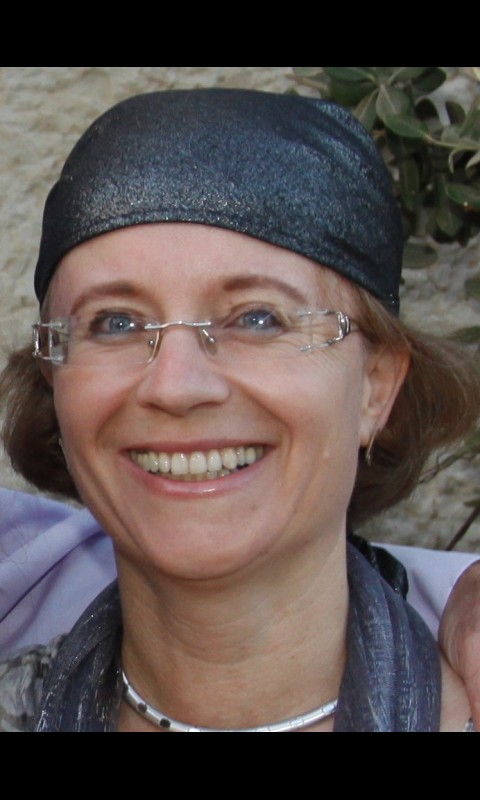
התחלתי ללמוד דף לפני קצת יותר מ-5 שנים, כשלמדתי רבנות בישיבת מהר”ת בניו יורק. בדיעבד, עד אז, הייתי בלימוד הגמרא שלי כמו מישהו שאוסף חרוזים משרשרת שהתפזרה, פה משהו ושם משהו, ומאז נפתח עולם ומלואו…. הדף נותן לי לימוד בצורה מאורגנת, שיטתית, יום-יומית, ומלמד אותי לא רק ידע אלא את השפה ודרך החשיבה שלנו. לשמחתי, יש לי סביבה תומכת וההרגשה שלי היא כמו בציטוט שבחרתי: הדף משפיע לטובה על כל היום שלי.

Michal Kahana
מיכל כהנא

חיפה, ישראל

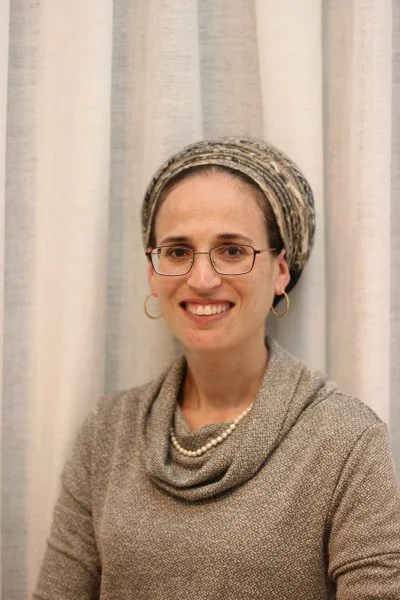
התחלתי בתחילת הסבב, והתמכרתי. זה נותן משמעות נוספת ליומיום ומאוד מחזק לתת לזה מקום בתוך כל שגרת הבית-עבודה השוטפת.

Reut Abrahami
רעות אברהמי

בית שמש, ישראל

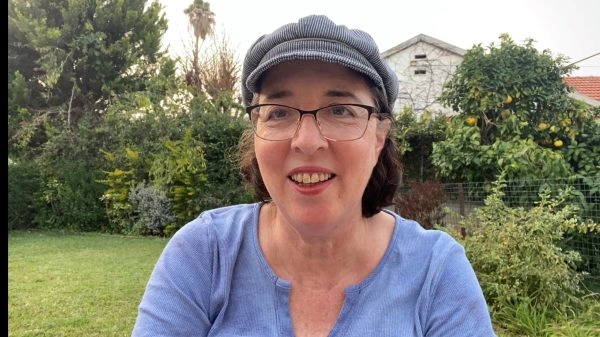
אחי, שלומד דף יומי ממסכת ברכות, חיפש חברותא ללימוד מסכת ראש השנה והציע לי. החברותא היתה מאתגרת טכנית ורוב הזמן נעשתה דרך הטלפון, כך שבסיום המסכת נפרדו דרכינו. אחי חזר ללמוד לבד, אבל אני כבר נכבשתי בקסם הגמרא ושכנעתי את האיש שלי להצטרף אלי למסכת ביצה. מאז המשכנו הלאה, ועכשיו אנחנו מתרגשים לקראתו של סדר נשים!

Shulamit Saban
שולמית סבן

נוקדים, ישראל

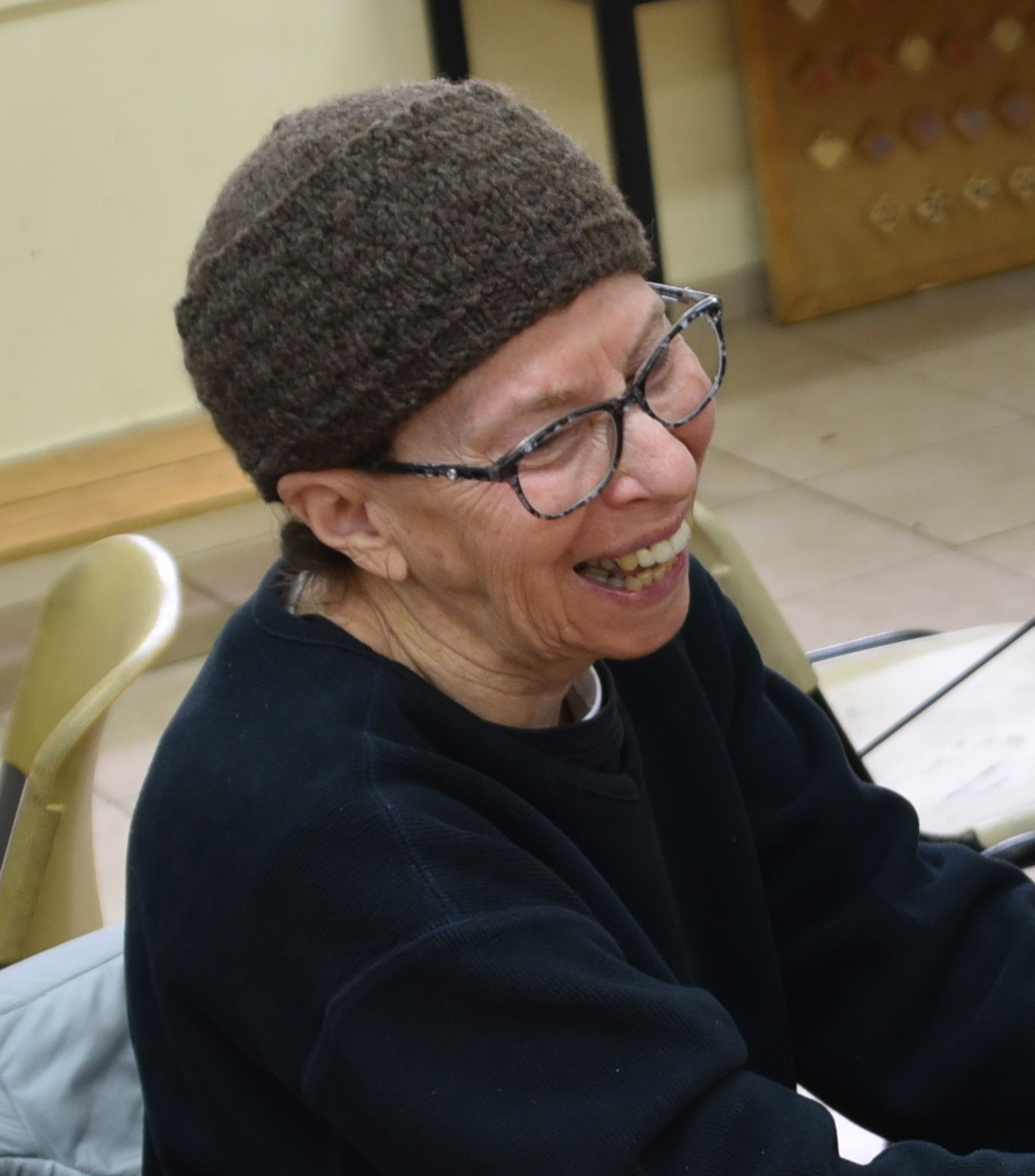
ראיתי את הסיום הגדול בבנייני האומה וכל כך התרשמתי ורציתי לקחת חלק.. אבל לקח לי עוד כשנה וחצי )באמצע מסיכת שבת להצטרף..
הלימוד חשוב לי מאוד.. אני תמיד במרדף אחרי הדף וגונבת כל פעם חצי דף כשהילדים עסוקים ומשלימה אח”כ אחרי שכולם הלכו לישון..

Olga Mizrahi
אולגה מזרחי

ירושלים, ישראל

התחלתי ללמוד דף יומי כאשר קיבלתי במייל ממכון שטיינזלץ את הדפים הראשונים של מסכת ברכות במייל. קודם לא ידעתי איך לקרוא אותם עד שנתתי להם להדריך אותי. הסביבה שלי לא מודעת לעניין כי אני לא מדברת על כך בפומבי. למדתי מהדפים דברים חדשים, כמו הקשר בין המבנה של בית המקדש והמשכן לגופו של האדם (יומא מה, ע”א) והקשר שלו למשפט מפורסם שמופיע בספר ההינדי "בהגוד-גיתא”. מתברר שזה רעיון כלל עולמי ולא רק יהודי

Elena Arenburg
אלנה ארנבורג

נשר, ישראל

התחלתי להשתתף בשיעור נשים פעם בשבוע, תכננתי ללמוד רק דפים בודדים, לא האמנתי שאצליח יותר מכך.
לאט לאט נשאבתי פנימה לעולם הלימוד .משתדלת ללמוד כל בוקר ומתחילה את היום בתחושה של מלאות ומתוך התכווננות נכונה יותר.
הלימוד של הדף היומי ממלא אותי בתחושה של חיבור עמוק לעם היהודי ולכל הלומדים בעבר ובהווה.

Neely Hayon
נילי חיון

אפרת, ישראל

התחלתי ללמוד בשנת המדרשה במגדל עוז, בינתיים נהנית מאוד מהלימוד ומהגמרא, מעניין ומשמח מאוד!
משתדלת להצליח לעקוב כל יום, לפעמים משלימה קצת בהמשך השבוע.. מרגישה שיש עוגן מקובע ביום שלי והוא משמח מאוד!

Uriah Kesner
אוריה קסנר

חיפה , ישראל

התחלתי ללמוד לפני כשנתיים בשאיפה לסיים לראשונה מסכת אחת במהלך חופשת הלידה.
אחרי מסכת אחת כבר היה קשה להפסיק…

Noa Gallant
נעה גלנט

ירוחם, ישראל

"התחלתי ללמוד דף יומי במחזור הזה, בח’ בטבת תש””ף. לקחתי על עצמי את הלימוד כדי ליצור תחום של התמדה יומיומית בחיים, והצטרפתי לקבוצת הלומדים בבית הכנסת בכפר אדומים. המשפחה והסביבה מתפעלים ותומכים.
בלימוד שלי אני מתפעלת בעיקר מכך שכדי ללמוד גמרא יש לדעת ולהכיר את כל הגמרא. זו מעין צבת בצבת עשויה שהיא עצומה בהיקפה.”

Sarah Fox
שרה פוּקס

כפר אדומים, ישראל

בתחילת הסבב הנוכחי הצטברו אצלי תחושות שאני לא מבינה מספיק מהי ההלכה אותה אני מקיימת בכל יום. כמו כן, כאמא לבנות רציתי לתת להן מודל נשי של לימוד תורה
שתי הסיבות האלו הובילו אותי להתחיל ללמוד. נתקלתי בתגובות מפרגנות וסקרניות איך אישה לומדת גמרא..
כמו שרואים בתמונה אני ממשיכה ללמוד גם היום ואפילו במחלקת יולדות אחרי לידת ביתי השלישית.

Noa Shiloh
נועה שילה

רבבה, ישראל

רבנית מישל הציתה אש התלמוד בלבבות בביניני האומה ואני נדלקתי. היא פתחה פתח ותמכה במתחילות כמוני ואפשרה לנו להתקדם בצעדים נכונים וטובים. הקימה מערך שלם שמסובב את הלומדות בסביבה תומכת וכך נכנסתי למסלול לימוד מעשיר שאין כמוה. הדרן יצר קהילה גדולה וחזקה שמאפשרת התקדמות מכל נקודת מוצא. יש דיבוק לומדות שמחזק את ההתמדה של כולנו. כל פניה ושאלה נענית בזריזות ויסודיות. תודה גם למגי על כל העזרה.

Sarah Aber
שרה אבר

נתניה, ישראל

התחלתי ללמוד בעידוד שתי חברות אתן למדתי בעבר את הפרק היומי במסגרת 929.
בבית מתלהבים מאוד ובשבת אני לומדת את הדף עם בעלי שזה מפתיע ומשמח מאוד! לימוד הדף הוא חלק בלתי נפרד מהיום שלי. לומדת בצהריים ומחכה לזמן הזה מידי יום…

Miriam Wengerover
מרים ונגרובר

אפרת, ישראל

התחלתי ללמוד דף לפני קצת יותר מ-5 שנים, כשלמדתי רבנות בישיבת מהר”ת בניו יורק. בדיעבד, עד אז, הייתי בלימוד הגמרא שלי כמו מישהו שאוסף חרוזים משרשרת שהתפזרה, פה משהו ושם משהו, ומאז נפתח עולם ומלואו…. הדף נותן לי לימוד בצורה מאורגנת, שיטתית, יום-יומית, ומלמד אותי לא רק ידע אלא את השפה ודרך החשיבה שלנו. לשמחתי, יש לי סביבה תומכת וההרגשה שלי היא כמו בציטוט שבחרתי: הדף משפיע לטובה על כל היום שלי.

Michal Kahana
מיכל כהנא

חיפה, ישראל

לפני 15 שנה, אחרי עשרות שנים של "ג’ינגול” בין משפחה לקריירה תובענית בהייטק, הצטרפתי לשיעורי גמרא במתן רעננה. הלימוד המעמיק והייחודי של הרבנית אושרה קורן יחד עם קבוצת הנשים המגוונת הייתה חוויה מאלפת ומעשירה. לפני כשמונה שנים כאשר מחזור הדף היומי הגיע למסכת תענית הצטרפתי כ”חברותא” לבעלי. זו השעה היומית שלנו ביחד כאשר דפי הגמרא משתלבים בחיי היום יום, משפיעים ומושפעים, וכשלא מספיקים תמיד משלימים בשבת

Yodi Askoff
יודי אסקוף

רעננה, ישראל

אני לומדת גמרא כעשור במסגרות שונות, ואת הדף היומי התחלתי כשחברה הציעה שאצטרף אליה לסיום בבנייני האומה. מאז אני לומדת עם פודקסט הדרן, משתדלת באופן יומי אך אם לא מספיקה, מדביקה פערים עד ערב שבת. בסבב הזה הלימוד הוא "ממעוף הציפור”, מקשיבה במהירות מוגברת תוך כדי פעילויות כמו בישול או נהיגה, וכך רוכשת היכרות עם הסוגיות ואופן ניתוחם על ידי חז”ל. בע”ה בסבב הבא, ואולי לפני, אצלול לתוכו באופן מעמיק יותר.

Yael Bir
יעל ביר

רמת גן, ישראל

התחלתי ללמוד לפני כשנתיים בשאיפה לסיים לראשונה מסכת אחת במהלך חופשת הלידה.
אחרי מסכת אחת כבר היה קשה להפסיק…

Noa Gallant
נעה גלנט

ירוחם, ישראל

התחלתי ללמוד דף יומי ממסכת נידה כי זה היה חומר הלימוד שלי אז. לאחר הסיום הגדול בבנייני האומה החלטתי להמשיך. וב”ה מאז עם הפסקות קטנות של קורונה ולידה אני משתדלת להמשיך ולהיות חלק.

זה משפיע מאוד על היום יום שלי ועל אף שאני עסוקה בלימודי הלכה ותורה כל יום, זאת המסגרת הקבועה והמחייבת ביותר שיש לי.

Moriah Taesan Michaeli
מוריה תעסן מיכאלי

גבעת הראל, ישראל

אמא שלי למדה איתי ש”ס משנה, והתחילה ללמוד דף יומי. אני החלטתי שאני רוצה ללמוד גם. בהתחלה למדתי איתה, אח”כ הצטרפתי ללימוד דף יומי שהרב דני וינט מעביר לנוער בנים בעתניאל. במסכת עירובין עוד חברה הצטרפה אלי וכשהתחלנו פסחים הרב דני פתח לנו שעור דף יומי לבנות. מאז אנחנו לומדות איתו קבוע כל יום את הדף היומי (ובשבת אבא שלי מחליף אותו). אני נהנית מהלימוד, הוא מאתגר ומעניין

Renana Hellman
רננה הלמן

עתניאל, ישראל

A friend in the SF Bay Area said in Dec 2019 that she might start listening on her morning drive to work. I mentioned to my husband and we decided to try the Daf when it began in Jan 2020 as part of our preparing to make Aliyah in the summer.

Hana Piotrkovsky
חנה פיוטרקובסקי

ירושלים, Israel

למדתי גמרא מכיתה ז- ט ב Maimonides School ואחרי העליה שלי בגיל 14 לימוד הגמרא, שלא היה כל כך מקובל בימים אלה, היה די ספוראדי. אחרי "ההתגלות” בבנייני האומה התחלתי ללמוד בעיקר בדרך הביתה למדתי מפוקקטסים שונים. לאט לאט ראיתי שאני תמיד חוזרת לרבנית מישל פרבר. באיזה שהוא שלב התחלתי ללמוד בזום בשעה 7:10 .
היום "אין מצב” שאני אתחיל את היום שלי ללא לימוד עם הרבנית מישל עם כוס הקפה שלי!!

selfie-scaled
דבי גביר

חשמונאים, ישראל

נדרים לח

״זֹאת״ ״דְּ״הַמִּצְוָה״, ״יִדְרֹךְ״ דְּ״הַדֹּרֵךְ״, ״חֲמֵשׁ״ דִּ״פְאַת נֶגֶב״, ״אִם״ דְּ״כִי גֹאֵל״ — הָלֵין כְּתִבָן וְלָא קַרְיָין.

The same is true for “this” that is in the verse “and this is the mitzva” (Deuteronomy 6:1); and for “bend” that is in the verse “let the archer bend his bow” (Jeremiah 51:3); and for “five” that is in the verse “and the south side four thousand and five hundred” (Ezekiel 48:16); and for “if” that is in the verse “that if I am a near kinsman” (Ruth 3:12). All these are written but not read.

אָמַר רַב אַחָא בַּר אַדָּא: בְּמַעְרְבָא פָּסְקִין לְהָדֵין פְּסוּקָא לִתְלָתָא פְּסוּקִין: ״וַיֹּאמֶר ה׳ אֶל מֹשֶׁה הִנֵּה אָנֹכִי בָּא אֵלֶיךָ בְּעַב הֶעָנָן״.

Rav Aḥa bar Adda said: In the West, Eretz Yisrael, they divide this verse into three verses: “And the Lord said to Moses, behold I come to you in a thick cloud, that the people may hear as I speak with you, and may also believe in you forever; and Moses told the words of the people unto the Lord” (Exodus 19:9).

אָמַר רַבִּי חָמָא בְּרַבִּי חֲנִינָא: לֹא הֶעֱשִׁיר מֹשֶׁה אֶלָּא מִפְּסוֹלְתָּן שֶׁל לוּחוֹת, שֶׁנֶּאֱמַר: ״פְּסׇל לְךָ שְׁנֵי לֻחֹת אֲבָנִים כָּרִאשֹׁנִים״ — פְּסוֹלְתָּן שֶׁלְּךָ יְהֵא.

§ Rabbi Ḥama, son of Rabbi Ḥanina, said: Moses became wealthy only from the waste remaining from hewing the Tablets of the Covenant, as it is stated: “Hew for you two tablets of stone like the first” (Exodus 34:1). “Hew for you” means that their waste shall be yours. As the tablets were crafted from valuable gems, their remnants were similarly valuable.

אָמַר רַבִּי יוֹסֵי בְּרַבִּי חֲנִינָא: לֹא נִיתְּנָה תּוֹרָה אֶלָּא לְמֹשֶׁה וּלְזַרְעוֹ, שֶׁנֶּאֱמַר: ״כְּתׇב לְךָ״, ״פְּסׇל לְךָ״: מָה פְּסוֹלְתָּן שֶׁלְּךָ — אַף כְּתָבָן שֶׁלְּךָ. מֹשֶׁה נָהַג בָּהּ טוֹבַת עַיִן וּנְתָנָהּ לְיִשְׂרָאֵל, וְעָלָיו הַכָּתוּב אוֹמֵר: ״טוֹב עַיִן הוּא יְבֹרָךְ וְגוֹ׳״.

Rabbi Yosei, son of Rabbi Ḥanina, said: The Torah was given initially only to Moses and his descendants, as it is stated: “Write for you” (Exodus 34:27), and it is also stated: “Hew for you” (Exodus 34:1), meaning: Just as their waste is yours, so too their writing is yours. However, Moses treated the Torah with generosity and gave it to the Jewish people. And about him, the verse says: “He that has a bountiful eye shall be blessed, as he gives of his bread to the poor” (Proverbs 22:9).

מֵתִיב רַב חִסְדָּא: ״וְאֹתִי צִוָּה ה׳ בָּעֵת הַהִיא לְלַמֵּד אֶתְכֶם״ — וְאוֹתִי צִוָּה, וַאֲנִי לָכֶם. ״רְאֵה לִמַּדְתִּי אֶתְכֶם חֻקִּים וּמִשְׁפָּטִים כַּאֲשֶׁר צִוַּנִי ה׳ אֱלֹהָי״ — אוֹתִי צִוָּה, וַאֲנִי לָכֶם.

Rav Ḥisda raised an objection from the verse that states: “And the Lord commanded me at that time to teach you statutes and laws” (Deuteronomy 4:14). This indicates that Moses was commanded to teach Torah to the Jewish people from the outset. The Gemara answers: The verse means: And the Lord commanded the Torah to me, Moses, and I, on my own initiative, decided to teach you its statutes and laws. The Gemara cites an additional verse proving that God commanded to teach the Jewish people from the outset: “Behold, I have taught you statutes and laws, as the Lord my God commanded me” (Deuteronomy 4:5). The Gemara answers: The Lord commanded the Torah to me, Moses, and I decided to teach you statutes and laws.

״וְעַתָּה כִּתְבוּ לָכֶם אֶת הַשִּׁירָה הַזֹּאת״, הַשִּׁירָה לְחוּדַּהּ. ״לְמַעַן תִּהְיֶה לִּי הַשִּׁירָה הַזֹּאת לְעֵד בִּבְנֵי יִשְׂרָאֵל״! אֶלָּא, פִּילְפּוּלָא בְּעָלְמָא.

The Gemara cites an additional verse: “Now therefore write this song for you, and teach it the children of Israel” (Deuteronomy 31:19). Apparently, Moses was commanded to teach the Torah to the Jewish people. The Gemara answers: The verse is referring to the song of Ha’azinu (Deuteronomy 31) alone and not to the rest of the Torah. The Gemara asks: But the continuation of that cited verse: “That this song may be a witness for Me among the children of Israel (Deuteronomy 31:19), indicates that the reference is to the entire Torah, in which the mitzvot are written. Rather, the Torah was given from the outset to all of the Jewish people, and when Rabbi Yosei, son of Rabbi Ḥanina, said that the Torah was given exclusively to Moses, he was referring merely to the profound analysis of the Torah. Moses opted to teach it to the people on his own initiative.

אָמַר רַבִּי יוֹחָנָן: אֵין הַקָּדוֹשׁ בָּרוּךְ הוּא מַשְׁרֶה שְׁכִינָתוֹ אֶלָּא עַל גִּבּוֹר וְעָשִׁיר וְחָכָם וְעָנָיו, וְכוּלָּן מִמֹּשֶׁה. גִּבּוֹר, דִּכְתִיב: ״וַיִּפְרֹשׂ אֶת הָאֹהֶל עַל הַמִּשְׁכָּן״, וְאָמַר מָר: מֹשֶׁה רַבֵּינוּ פְּרָסוֹ, וּכְתִיב: ״עֶשֶׂר אַמּוֹת אֹרֶךְ הַקָּרֶשׁ וְגוֹ׳״. אֵימָא דַּאֲרִיךְ וְקַטִּין!

Rabbi Yoḥanan said: The Holy One, Blessed be He, rests His Divine Presence only upon one who is mighty, and wealthy, and wise, and humble. And all of these qualities are derived from Moses. He was mighty, as it is written: “And he spread the tent over the Tabernacle” (Exodus 40:19), and the Master said: Moses, our teacher, spread it himself. And it is written: “Ten cubits shall be the length of a board, and a cubit and a half the breadth of each board” (Exodus 26:16). Moses was tall and strong enough to spread the tent over the boards alone. The Gemara asks: Say that he was tall and thin, and the fact that he was mighty cannot be derived.

אֶלָּא מִן הָדֵין קְרָא, דִּכְתִיב: ״וָאֶתְפֹּשׂ בִּשְׁנֵי הַלֻּחֹת וָאַשְׁלִכֵם מֵעַל שְׁתֵּי יָדָי וָאֲשַׁבְּרֵם״, וְתַנְיָא: הַלּוּחוֹת אׇרְכָּן שִׁשָּׁה וְרׇחְבָּן שִׁשָּׁה וְעׇבְיָין שְׁלֹשָׁה.

Rather, the fact that Moses was mighty is derived from this verse, as it is written: “And I took hold of the two tablets, and cast them out of my two hands, and broke them before your eyes” (Deuteronomy 9:17), and it is taught in a baraita: The tablets, their length was six handbreadths, and their width was six handbreadths, and their thickness was three handbreadths. If Moses was capable of lifting and casting a burden that heavy, apparently he was mighty.

עָשִׁיר — ״פְּסׇל לָךְ״, פְּסוֹלְתָּן שֶׁלְּךָ יְהֵא. חָכָם — רַב וּשְׁמוּאֵל דְּאָמְרִי תַּרְוַיְיהוּ: חֲמִשִּׁים שַׁעֲרֵי בִינָה נִבְרְאוּ בָּעוֹלָם, וְכוּלָּם נִתְּנוּ לְמֹשֶׁה חָסֵר אַחַת, שֶׁנֶּאֱמַר: ״וַתְּחַסְּרֵהוּ מְעַט מֵאֱלֹהִים״. עָנָיו — דִּכְתִיב: ״וְהָאִישׁ מֹשֶׁה עָנָו מְאֹד״.

Moses was wealthy, as it is written: “Hew for you” (Exodus 34:1), from which it was derived: The waste of the Tablets of the Covenant shall be yours, and that waste consisted of precious stones. That Moses was wise is derived from the statement of Rav and Shmuel, who both say: Fifty measures of understanding were created in the world, and all were given to Moses except one, as it is stated: “Yet you have deprived him of little, of God” (Psalms 8:6). He lacked only complete knowledge of God. Moses was humble, as it is written: “Now the man Moses was very humble” (Numbers 12:3).

אָמַר רַבִּי יוֹחָנָן: כׇּל הַנְּבִיאִים עֲשִׁירִים הָיוּ, מְנָלַן — מִמֹּשֶׁה וּמִשְּׁמוּאֵל מֵעָמוֹס וּמִיּוֹנָה.

§ Rabbi Yoḥanan said: All the prophets were wealthy. From where do we derive this? It is derived from Moses, and from Samuel, and from Amos, and from Jonah, who were all wealthy.

מֹשֶׁה — דִּכְתִיב: ״לֹא חֲמוֹר אֶחָד מֵהֶם נָשָׂאתִי״. אִי בְּלָא אַגְרָא, לְאַפּוֹקֵי מַאן דְּשָׁקֵל בְּלָא אַגְרָא? אֶלָּא דַּאֲפִילּוּ בְּאַגְרָא. דִּילְמָא מִשּׁוּם דְּעָנִי הֲוָה. אֶלָּא מִן ״פְּסׇל לָךְ״ — פְּסוֹלְתָּן יְהֵא שֶׁלְּךָ.

Moses was wealthy, as it is written: “I have not taken one donkey from them” (Numbers 16:15). The Gemara analyzes the statement of Moses. If he said that he did not take a donkey without payment, was his intent to exclude himself from the category of one who takes items that belong to others without paying? That is obvious, as one who does so is a thief. Rather, he said that even with payment he did not take a donkey. Apparently, he was wealthy and did not need to purchase anything. The Gemara rejects this proof. Perhaps, on the contrary, he did not purchase a donkey because he was poor and could not afford it. Rather, it is derived from the verse written with regard to the Tablets of the Covenant: “Hew for you” (Exodus 34:1), which indicates that their waste shall be yours.

שְׁמוּאֵל, דִּכְתִיב: ״הִנְנִי עֲנוּ בִי נֶגֶד ה׳ וְנֶגֶד מְשִׁיחוֹ אֶת שׁוֹר מִי לָקַחְתִּי וַחֲמוֹר מִי לָקַחְתִּי״. אִי בְּחִנָּם, לְאַפּוֹקֵי מַאן דְּשָׁקֵל בְּחִנָּם?! אֶלָּא, דַּאֲפִילּוּ בְּשָׂכָר. דִּלְמָא דְּעָנִי הֲוָה, אֶלָּא מֵהָכָא: ״וּתְשֻׁבָתוֹ הָרָמָתָה כִּי שָׁם בֵּיתוֹ״, וְאָמַר רָבָא: כׇּל מָקוֹם שֶׁהָלַךְ — בֵּיתוֹ עִמּוֹ.

Samuel was wealthy, as it is written: “Here I am; witness against me before the Lord, and before His anointed: Whose ox have I taken, or whose donkey have I taken?” (I Samuel 12:3). If he is saying that he did not take an ox or a donkey for free, was his intent to exclude himself from the category of one who takes items that belong to others for free? Rather, he is saying that even with payment he did not take a donkey or an ox. Apparently, he was wealthy. The Gemara rejects this proof. Perhaps, on the contrary, the reason he did not purchase the donkeys is due to the fact that he was poor. Rather, the fact that Samuel was wealthy is derived from here, as it is written: “And his return was to Ramah, for there was his house” (I Samuel 7:17). And Rava said: Everywhere he went, his home was with him. He was so wealthy that he could afford to hire servants and pack animals to take all his belongings from place to place.

אָמַר רָבָא: גָּדוֹל מַה שֶּׁנֶּאֱמַר בִּשְׁמוּאֵל יוֹתֵר מִשֶּׁנֶּאֱמַר בְּמֹשֶׁה, דְּאִילּוּ בְּמֹשֶׁה רַבֵּינוּ כְּתִיב ״לֹא חֲמוֹר אֶחָד מֵהֶם נָשָׂאתִי״, דַּאֲפִילּוּ בְּשָׂכָר, וְאִילּוּ גַּבֵּי שְׁמוּאֵל אֲפִילּוּ בְּרָצוֹן לֹא שְׂכָרוֹ, דִּכְתִיב: ״וַיֹּאמְרוּ לֹא עֲשַׁקְתָּנוּ וְלֹא רַצּוֹתָנוּ וְגוֹ׳״.

Rava said: That which is stated with regard to Samuel is greater than that which is stated with regard to Moses, as with regard to Moses our teacher it is written: “I have not taken one donkey from them” (Numbers 16:15), meaning that he did not take an item from another against his will even with payment. Whereas with regard to Samuel, even with the consent of the owner, he would not rent an item from him, as it is written: “And they said: You have not defrauded us, nor oppressed us [ratzotanu], neither have you taken anything from any man’s hand” (I Samuel 12:4), even with his consent [ratzon].

עָמוֹס, דִּכְתִיב: ״וַיַּעַן עָמוֹס וַיֹּאמֶר אֶל אֲמַצְיָה לֹא נָבִיא אָנֹכִי וְלֹא בֶן נָבִיא אָנֹכִי כִּי בוֹקֵר אָנֹכִי וּבוֹלֵס שִׁקְמִים״, כְּדִמְתַרְגֵּם רַב יוֹסֵף: אֲרִי מָרֵי גִיתֵּי אֲנָא וְשִׁקְמִין לִי בְּשָׁפֵלְתָּא וְגוֹ׳.

Amos was wealthy, as it is written: “Then answered Amos, and said to Amaziah: I am neither a prophet, nor son of a prophet, but I am a herdsman, and a dresser of sycamore-trees” (Amos 7:14). Amos is saying, as Rav Yosef translates: Because I am the owner of flocks and I have sycamores in the lowland, and I do not come to prophesy for financial gain. Apparently, Amos was wealthy.

יוֹנָה, דִּכְתִיב: ״וַיִּתֵּן שְׂכָרָהּ וַיֵּרֶד בָּהּ״, וְאָמַר רַבִּי יוֹחָנָן: שֶׁנָּתַן שְׂכָרָהּ שֶׁל סְפִינָה כּוּלָּהּ. אָמַר רַבִּי רוֹמָנוּס: שְׂכָרָהּ שֶׁל סְפִינָה הָוְיָא אַרְבַּעַת אֲלָפִים דִּינָרֵי דַהֲבָא.

Jonah was wealthy, as it is written: “And he went down to Jaffa, and found a ship going to Tarshish, so he paid its cost and went down into it” (Jonah 1:3), and Rabbi Yoḥanan said: He paid the cost of the entire ship. Rabbi Romanus said: The cost for the entire ship was four thousand gold dinars.

וְאָמַר רַבִּי יוֹחָנָן: בַּתְּחִלָּה הָיָה מֹשֶׁה לָמֵד תּוֹרָה וּמְשַׁכְּחָה, עַד שֶׁנִּיתְּנָה לוֹ בְּמַתָּנָה, שֶׁנֶּאֱמַר: ״וַיִּתֵּן אֶל מֹשֶׁה כְּכַלֹּתוֹ לְדַבֵּר אִתּוֹ״.

And Rabbi Yoḥanan said: Initially, Moses would study Torah and forget it, until it was given to him as a gift, as it is stated: “And He gave it to Moses when he concluded speaking with him” (Exodus 31:18). Once the Torah was given him as a gift, it became his and he was able to remember it.

מַתְנִי׳ וְזָן אֶת אִשְׁתּוֹ וְאֶת בָּנָיו, אַף עַל פִּי שֶׁהוּא חַיָּיב בִּמְזוֹנוֹתָן. וְלֹא יָזוּן אֶת בְּהֶמְתּוֹ, בֵּין טְמֵאָה בֵּין טְהוֹרָה. רַבִּי אֱלִיעֶזֶר אוֹמֵר: זָן אֶת הַטְּמֵאָה, וְאֵינוֹ זָן אֶת הַטְּהוֹרָה. אָמְרוּ לוֹ: מָה בֵּין טְמֵאָה לִטְהוֹרָה? אָמַר לְהוּ: שֶׁהַטְּהוֹרָה נַפְשָׁהּ לַשָּׁמַיִם וְגוּפָהּ שֶׁלּוֹ, וּטְמֵאָה

MISHNA: And with regard to one for whom benefit from another is forbidden by vow, that other person may feed his wife and children, although the one who is bound by the vow is obligated in their support and benefits when another supports them. And he may not feed his animal, whether it is a kosher animal or whether it is a non-kosher animal. Rabbi Eliezer says: He may feed the non-kosher animal, and he may not feed the kosher animal. The Rabbis said to him: What is the difference between kosher and non-kosher animals in this respect? Rabbi Eliezer said to them: The kosher animal’s being belongs to Heaven, and the animal’s body is the property of its owner, as he can eat it. Therefore, the owner benefits directly when another feeds his animal. And a non-kosher animal,

נַפְשָׁהּ וְגוּפָהּ לַשָּׁמַיִם. אָמְרוּ לוֹ: אַף הַטְּמֵאָה נַפְשָׁהּ לַשָּׁמַיִם וְגוּפָהּ שֶׁלּוֹ, שֶׁאִם יִרְצֶה הֲרֵי הוּא מוֹכְרָהּ לַגּוֹיִם אוֹ מַאֲכִילָהּ לַכְּלָבִים.

both its being and its body belong to Heaven, as it is prohibited for its owner to eat its meat. The Rabbis said to him: The non-kosher animal too, its being belongs to Heaven, and its body is the property of its owner, because if the owner chooses, he sells it to gentiles or feeds it to dogs.

גְּמָ׳ אָמַר רַב יִצְחָק בַּר חֲנַנְיָה אָמַר רַב הוּנָא: הַמּוּדָּר הֲנָאָה מֵחֲבֵירוֹ — מוּתָּר לְהַשִּׂיא לוֹ בִּתּוֹ. הָוֵי בַּהּ רַבִּי זֵירָא: בְּמַאי עָסְקִינַן? אִילֵימָא בְּשֶׁנִּכְסֵי אֲבִי כַלָּה אֲסוּרִין עַל הֶחָתָן, הֲרֵי מוֹסֵר לוֹ שִׁפְחָה לְשַׁמְּשׁוֹ!

GEMARA: Rav Yitzḥak bar Ḥananya said that Rav Huna said: In the case of one for whom benefit from another is forbidden by vow, he is permitted to marry his daughter to him. Rabbi Zeira discussed it: With what case are we dealing? If we say that it is a case where the property of the father of the bride is forbidden to the groom, this cannot be, as when one marries his daughter to the groom, he provides him a maidservant to serve him and thereby benefits him.

אֶלָּא בְּנִכְסֵי חָתָן אֲסוּרִין עַל אֲבִי כַלָּה. גְּדוֹלָה מִזּוֹ אָמְרוּ: זָן אֶת אִשְׁתּוֹ וְאֶת בָּנָיו, וְאַף עַל פִּי שֶׁהוּא חַיָּיב בִּמְזוֹנוֹתָן, וְאַתְּ אָמְרַתְּ מוּתָּר לְהַשִּׂיא לוֹ בִּתּוֹ?!

Rather, it is a case where the property of the groom is forbidden to the father of the bride, and although the groom supports the bride, her father is not considered to have benefited from the property of the groom. However, it cannot be this case either, as the Sages stated a halakha with a greater novel element than that in the mishna itself: And with regard to one for whom benefit from another is forbidden by vow, that other person may feed his wife and children, although the one who is bound by the vow is obligated in their support. And you say that it is permitted to marry his daughter to him? Isn’t that obvious?

לְעוֹלָם בְּשֶׁנִּכְסֵי אֲבִי כַלָּה אֲסוּרִין עַל הֶחָתָן, וּבְבִתּוֹ בּוֹגֶרֶת, וּמִדַּעְתָּהּ.

The Gemara answers: Actually, it is a case where the property of the father of the bride is forbidden to the groom, and where his daughter is a grown woman, and where her father may marry her to another only with her consent. Therefore, it is not from her father that the groom is deriving benefit.

תַּנְיָא נָמֵי הָכִי: הַמּוּדָּר הֲנָאָה מֵחֲבֵירוֹ — אָסוּר לְהַשִּׂיא לוֹ בִּתּוֹ, אֲבָל מַשִּׂיאוֹ בִּתּוֹ בּוֹגֶרֶת וּמִדַּעְתָּהּ.

The Gemara comments: That is also taught in a baraita. In the case of one for whom benefit from another is forbidden by vow, it is prohibited for that other person to marry his daughter to him. However, he may marry off his daughter, who is a grown woman, to that other person with her consent.

אָמַר רַבִּי יַעֲקֹב: הַמַּדִּיר בְּנוֹ לְתַלְמוּד תּוֹרָה — מוּתָּר לְמַלּאוֹת לוֹ חָבִית שֶׁל מַיִם, וּלְהַדְלִיק לוֹ אֶת הַנֵּר. רַבִּי יִצְחָק אָמַר: לִצְלוֹת לוֹ דָּג קָטָן. אָמַר רַבִּי יִרְמְיָה אָמַר רַבִּי יוֹחָנָן: הַמּוּדָּר הֲנָאָה מֵחֲבֵירוֹ — מוּתָּר לְהַשְׁקוֹתוֹ כּוֹס שֶׁל שָׁלוֹם. מַאי נִיהוּ? הָכָא תַּרְגִּימוּ: כּוֹס שֶׁל בֵּית הָאֵבֶל. בְּמַעְרְבָא אָמְרִי: כּוֹס שֶׁל בֵּית הַמֶּרְחָץ.

Similarly, Rabbi Ya’akov said: If one vows that benefit from him is forbidden to his son, in order to induce him to engage in Torah study, the one who took the vow may nevertheless perform actions that provide his son with minor benefit. It is permitted for him to fill a barrel of water for his son and to kindle a lamp for him. Rabbi Yitzḥak said: It is permitted for him to roast a small fish for him. Rabbi Yirmeya said that Rabbi Yoḥanan said: In the case of one for whom benefit from another is forbidden by vow it is permitted for the other to give him a cup of peace to drink. The Gemara asks: What is this cup of peace? Here, in Babylonia, the Sages interpreted this term as referring to a cup of wine given to mourners to drink at the meal of comfort in the house of mourning. In the West, Eretz Yisrael, the Sages said that it is the cup of wine that one drinks upon leaving the bathhouse.

וְלֹא יָזוּן אֶת בְּהֶמְתּוֹ בֵּין כּוּ׳. תַּנְיָא, יְהוֹשֻׁעַ אִישׁ עוּזָּא אוֹמֵר: זָן עֲבָדָיו וְשִׁפְחוֹתָיו הַכְּנַעֲנִים, וְלֹא יָזוּן אֶת בְּהֶמְתּוֹ, בֵּין טְמֵאָה בֵּין טְהוֹרָה. מַאי טַעְמָא? עֲבָדָיו וְשִׁפְחוֹתָיו הַכְּנַעֲנִים — לְמַנְחֲרוּתָא עֲבִידָן, בְּהֵמָה — לְפִטּוּמָא עֲבִידָא.

§ We learned in the mishna: And he may not feed the animal of one for whom benefit from him is forbidden, whether it is a kosher animal or whether it is a non-kosher animal. It is taught in a baraita that Yehoshua of Uzza says: One who vows that benefit from him is forbidden to another may feed the other person’s Canaanite slaves and maidservants; however, he may not feed his animal, whether it is a non-kosher animal or whether it is a kosher animal. The Gemara asks: What is the reason for the distinction? The Gemara explains: His Canaanite slaves and maidservants are designated for labor, whereas an animal is designated for fattening. The one bound by the vow derives benefit from the other person feeding the kosher animal when he eats it and derives benefit from the other person feeding the non-kosher animal when he sells it to a gentile.

מַתְנִי׳ הַמּוּדָּר הֲנָאָה מֵחֲבֵירוֹ וְנִכְנַס לְבַקְּרוֹ — עוֹמֵד אֲבָל לֹא יוֹשֵׁב. וּמְרַפְּאוֹ רְפוּאַת נֶפֶשׁ, אֲבָל לֹא רְפוּאַת מָמוֹן.

MISHNA: In the case of one for whom benefit from another is forbidden by vow and he enters his house to visit him, he stands there but does not sit. And that other person heals him with a cure of the nefesh but not a cure of mamon.

רוצה לעקוב אחרי התכנים ולהמשיך ללמוד?

ביצירת חשבון עוד היום ניתן לעקוב אחרי ההתקדמות שלך, לסמן מה למדת, ולעקוב אחרי השיעורים שמעניינים אותך.

לנקות את כל הפריטים מהרשימה?

פעולה זו תסיר את כל הפריטים בחלק זה כולל ההתקדמות וההיסטוריה. שימי לב: לא ניתן לשחזר פעולה זו.

ביטול
מחיקה

האם את/ה בטוח/ה שברצונך למחוק פריט זה?

תאבד/י את כל ההתקדמות או ההיסטוריה הקשורות לפריט זה.

ביטול
מחיקה