חיפוש

נדרים נב

רוצה להקדיש לימוד?

podcast placeholder

0:00
0:00


תקציר

לימוד החודש מוקדש ע”י נשות הדרן בלונג איילנד לרפואת מאיר בן מלה ותינוק בן ירדן. בתוך שאר חולי ישראל.

הדף היום מוקדש ע”י אירה ונתניה שלומוביץ לע”נ אמה של אירה, אהובה בת רבקה ואשר צבי.

הנודר ממשהו מסויים, האם זה כולל מה שיוצא ממנו? בדברים מסויימים כמו האם חלב כולל קום, או האם בשר כולל רוטב? אפילו אם חושבים שלא, אם אמר בשר זה ויצא ממנו רוטב, אז כולם מסכימים שיהיה אסור אם נתן טעם במשהו אחר. הר”ן שואל כאן למה בלי נותן טעם יהיה מותר אם נדר זה דבר שיש לו מתירין שלא בטל אפילו באלף? הגמרא מביאה סתירה בין הדעות השונות במשנה בין ר’ יוסי לחכמים בהשוואה למחלוקת אחרת ביניהם בעדשים ששם מיקל ר’ יוסי לעומת חומרתו בעניין חלב/קום. פותרים את הסתירה בכך שכל אחד היה ממקום אחר ופסק כפי משמעות הלשון במקום שלו. הנודר מענבים מותר ביין, הנודר מזיתים מותר בשמן זית. אבל אם אמר "קודם זיתים וענבים אלו שאיני טועם” אז יהיה אסור ביין ובשמן. רמי בר חמא שואל מה זה שקובע כאן – "אלו” או "שאיני טועם”? הם מנסים לענות על שאלתו ממקורות אחרים, אך ללא הצלחה.

נדרים נב

מוּתָּר בָּרוֹטֶב וּבַקֵּיפֶה, וְרַבִּי יְהוּדָה אוֹסֵר.

is permitted to eat gravy and sediments of boiled meat [kifa]. But Rabbi Yehuda maintains that he is prohibited from eating them.

אָמַר רַבִּי יְהוּדָה: מַעֲשֶׂה וְאָסַר עָלֵינוּ רַבִּי טַרְפוֹן בְּבֵיצִים שֶׁנִּתְבַּשְּׁלוּ עִמּוֹ. אָמְרוּ לוֹ: כֵּן הַדָּבָר, אֵימָתַי — בִּזְמַן שֶׁיֹּאמַר: ״בָּשָׂר זֶה עָלַי״, שֶׁהַנּוֹדֵר מִן הַדָּבָר וְנִתְעָרֵב בְּאַחֵר, אִם יֵשׁ בּוֹ בְּנוֹתֵן טַעַם — אָסוּר.

Rabbi Yehuda said: There was an incident where one took such a vow and Rabbi Tarfon prohibited us from even eggs that were cooked with meat. The Rabbis said to him: Indeed so, but when is this the halakha? When he says: This meat is forbidden to me, referring to a specific piece of meat. This is because in the case of one who vows that an item is forbidden to him, and it becomes mixed into another item, if the latter contains an amount of the forbidden food that gives it flavor, i.e., the forbidden food can be tasted in the permitted food, the mixture is forbidden. However, if one vows that meat in general is forbidden to him, without specifying a particular piece, only the meat itself is forbidden, not the gravy, sediments, or eggs cooked with that meat.

הַנּוֹדֵר מִן הַיַּיִן — מוּתָּר בְּתַבְשִׁיל שֶׁיֵּשׁ בּוֹ טַעַם יַיִן. אָמַר: ״קֻוֽנָּם יַיִן זֶה שֶׁאֲנִי טוֹעֵם״ וְנָפַל לְתַבְשִׁיל, אִם יֵשׁ בּוֹ בְּנוֹתֵן טַעַם — הֲרֵי זֶה אָסוּר.

Likewise, one who vows that wine is forbidden to him is permitted to eat a cooked dish that has the flavor of wine. However, if he said: This wine is konam for me, and for that reason I will not taste it, and the wine fell into a cooked dish, if the dish contains an amount of the wine that gives it flavor, it is forbidden.

גְּמָ׳ וּרְמִינְהוּ: ״מִן״ הָעֲדָשִׁים״ — אָסוּר בַּאֲשִׁישִׁים, וְרַבִּי יוֹסֵי מַתִּיר.

GEMARA: The mishna cited a dispute between Rabbi Yosei and the Rabbis, in which Rabbi Yosei ruled that one who vows that milk is forbidden to him is prohibited from eating whey as well. And the Gemara raises a contradiction between this ruling and Rabbi Yosei’s opinion in a later mishna (53b): One who vows that lentils are forbidden to him is prohibited from eating ashishim, a dish made from lentils. But Rabbi Yosei permits it. Apparently, Rabbi Yosei holds that if the forbidden food changes in form, it is permitted, contrary to his opinion with regard to whey.

לָא קַשְׁיָא: מָר כִּי אַתְרֵיהּ וּמָר כִּי אַתְרֵיהּ. בְּאַתְרָא דְרַבָּנַן קָרוּ לַחֲלָבָא חֲלָבָא וּלְקוֹמָא קוֹמָא, בְּאַתְרֵיהּ דְּרַבִּי יוֹסֵי לְקוֹמָא נָמֵי קָרוּ לֵיהּ ״קוֹמָא דַחֲלָבָא״.

The Gemara answers: This is not difficult. The opinion of this Sage is in accordance with the custom of his locale, and the opinion of that Sage in accordance with the custom of his locale. In the Rabbis’ locale they call milk, milk and whey, whey, whereas in Rabbi Yosei’s locale they also call whey, milk whey. In the latter location, the word milk is used in reference to whey, and therefore one who vows there that milk is forbidden to him is prohibited from eating whey as well.

תַּנְיָא: הַנּוֹדֵר מִן הֶחָלָב — מוּתָּר בַּקּוֹם, מִן הַקּוֹם — מוּתָּר בְּחָלָב. מִן הֶחָלָב — מוּתָּר בִּגְבִינָה, מִן הַגְּבִינָה — מוּתָּר בְּחָלָב. מִן הָרוֹטֶב — מוּתָּר בְּקֵיפֶה, מִן הַקֵּיפֶה — מוּתָּר בְּרוֹטֶב. אִם אָמַר ״בָּשָׂר זֶה עָלַי״ — אָסוּר בּוֹ וּבְרוֹטְבּוֹ וּבְקֵיפוֹ.

It is taught in a baraita: One who vows that milk is forbidden to him is permitted to partake of whey. One who vows that whey is forbidden to him is permitted to partake of milk. One who vows that milk is forbidden to him is permitted to eat cheese. One who vows that cheese is forbidden to him is permitted to partake of milk. One who vows that gravy is forbidden to him is permitted to eat sediments of boiled meat. One who vows that sediments of boiled meat are forbidden to him is permitted to eat gravy. If one said: This piece of meat is hereby forbidden to me, he is prohibited from eating it, and from its gravy, and from its sediments.

הַנּוֹדֵר מִן הַיַּיִן — מוּתָּר בְּתַבְשִׁיל שֶׁיֵּשׁ בּוֹ טַעַם יַיִן. אָמַר: ״קֻוֽנָּם יַיִן זֶה שֶׁאֵינִי טוֹעֵם״ וְנָפַל לְתוֹךְ הַתַּבְשִׁיל, אִם יֵשׁ בּוֹ טַעַם יַיִן — הֲרֵי זֶה אָסוּר.

One who vows: Wine is forbidden to me, is permitted to eat a cooked dish that has the flavor of wine. However, if he said: This wine is konam for me, and for that reason I will not taste it, and the wine fell into a cooked dish, if the dish contains an amount of the wine that gives it flavor, it is forbidden.

מַתְנִי׳ הַנּוֹדֵר מִן הָעֲנָבִים — מוּתָּר בְּיַיִן. מִן הַזֵּיתִים — מוּתָּר בְּשֶׁמֶן. אָמַר ״קֻוֽנָּם זֵיתִים וַעֲנָבִים אֵלּוּ שֶׁאֵינִי טוֹעֵם״ — אָסוּר בָּהֶן וּבְיוֹצֵא מֵהֶן.

MISHNA: One who vows that grapes are forbidden to him is permitted to partake of wine. One who vows that olives are forbidden to him is permitted to partake of oil. However, if one said: Olives and grapes are konam for me, and for that reason I will not taste these items, he is prohibited from tasting them and the wine and oil that emerge from them.

גְּמָ׳ בָּעֵי רָמֵי בַּר חָמָא: ״אֵלּוּ״ דַּוְקָא, אוֹ ״שֶׁאֵינִי טוֹעֵם״ דַּוְקָא?

GEMARA: With regard to the last ruling in the mishna, that one who vows: Olives and grapes are konam for me, and for that reason I will not taste these items, he is prohibited from tasting them and the wine and oil that emerge from them, Rami bar Ḥama raises a dilemma: Is it specifically because he said these, i.e., he referred to specific olives or grapes, or is it specifically because he said: For that reason I will not taste, i.e., he referred not to eating but to tasting?

אִי סָלְקָא דַעְתָּךְ ״אֵלּוּ״ דַּוְקָא, ״שֶׁאֵינִי טוֹעֵם״ לְמָה לִי? הָא קָא מַשְׁמַע לַן, דְּאַף עַל גַּב דְּאָמַר ״שֶׁאֵינִי טוֹעֵם״, אִי דְּאָמַר ״אֵלּוּ״ — מִיתְּסַר, וְאִי לָא — לָא.

The Gemara asks: If it enters your mind that it is specifically because he said these, why do I need the phrase: That I will not taste? The Gemara answers: This teaches us that even if he said: That I will not taste, only if he said the word these is he prohibited from tasting oil or wine, but if he did not say the word these, he is not prohibited from doing so. The dilemma therefore cannot be resolved by inference from the phrasing of the vow in the mishna.

אָמַר רָבָא, תָּא שְׁמַע: ״קֻוֽנָּם פֵּירוֹת הָאֵלּוּ עָלַי״, ״קֻוֽנָּם הֵן לְפִי״ — אָסוּר בְּחִילּוּפֵיהֶן וּבְגִידּוּלֵיהֶן, הָא בַּיּוֹצֵא מֵהֶן מוּתָּר!

Rava said: Come and hear a resolution to this dilemma from the mishna below (57a): If one says: This produce is konam upon me, or: It is konam to my mouth, he is prohibited from eating their replacements and anything that grows from them. It may be inferred that liquids that emerge from them are permitted. Evidently, referring to specific produce is not sufficient to render their juice forbidden. Rather, the prohibition in the mishna is apparently due to the phrase: And for that reason I will not taste.

הוּא הַדִּין דַּאֲפִילּוּ בְּיוֹצֵא מֵהֶן אָסוּר. וְהָא עֲדִיפָא לֵיהּ לְאַשְׁמוֹעִינַן דְּחִילּוּפֵיהֶן כְּגִידּוּלֵיהֶן דָּמֵי.

The Gemara refutes this proof: The same ruling as in the mishna above is true with regard to liquids that emerge from the produce; they too are forbidden. And the reason this ruling isn’t mentioned there is that it is preferable for that mishna to teach us that their replacements are forbidden just like what grows from them is forbidden, although they contain no substance of the forbidden item.

תָּא שְׁמַע: ״שֶׁאֵינִי אוֹכֵל״, וְ״שֶׁאֵינִי טוֹעֵם״ — מוּתָּר בְּחִילּוּפֵיהֶן וּבְגִידּוּלֵיהֶן. הָא הַיּוֹצֵא מֵהֶן — אָסוּר! אַיְּידֵי דְּלָא נָסֵיב בְּרֵישָׁא ״יוֹצֵא מֵהֶן״, לָא נָסֵיב נָמֵי בְּסֵיפָא ״יוֹצֵא מֵהֶן״.

Come and hear a resolution from the continuation of that same mishna: If one says: This produce is konam upon me, and for that reason I will not eat them, or: This produce is konam upon me, and for that reason I will not taste them, he is permitted to eat their replacements and anything that grows from them. It may be inferred that liquids that emerge from them are forbidden. The Gemara rejects this argument: Since that mishna did not cite liquids that emerge from them in the first clause, it did not cite liquids that emerge from them in the latter clause either. Therefore, it cannot be inferred that liquids that come from the produce are forbidden.

תָּא שְׁמַע, אָמַר רַבִּי יְהוּדָה: מַעֲשֶׂה וְאָסַר רַבִּי טַרְפוֹן עָלַי בֵּיצִים שֶׁנִּתְבַּשְּׁלוּ עִמּוֹ. אָמְרוּ לוֹ: אֵימָתַי, בִּזְמַן שֶׁאָמַר ״בָּשָׂר זֶה עָלַי״, שֶׁהַנּוֹדֵר מִן הַדָּבָר וְנִתְעָרֵב בְּאַחֵר, וְיֵשׁ בּוֹ בְּנוֹתֵן טַעַם — הֲרֵי זֶה אָסוּר.

Come and hear a resolution from the previous mishna (52a): Rabbi Yehuda said: There was an incident where Rabbi Tarfon prohibited me from eating even eggs that were cooked with meat. The Rabbis said to him: Indeed so, but when is this the halakha? When the one who took the vow said: This meat is forbidden to me, referring to a specific piece of meat. This is because in the case of one who vows that something is forbidden to him and it gets mixed into another food, and the latter food contains an amount of the forbidden food that gives it flavor, i.e., the prohibited food can be tasted in the permitted food, the mixture is forbidden. Evidently, referring to a specific food causes what emerges from it to be forbidden as well.

בְּ״אֵלּוּ״ — לָא קָא מִיבַּעְיָא לַן דְּדַוְקָא הוּא. כִּי מִיבַּעְיָא לַן בְּ״שֶׁאֵינִי טוֹעֵם״ — דַּוְקָא, אוֹ לָאו דַּוְקָא?

The Gemara reinterprets the dilemma: We do not raise the dilemma with regard to the word these, as using specifically this word is certainly sufficient to render the liquids that come from the produce forbidden. When we raise a dilemma, it is with regard to the phrase: That I will not taste it. Is this phrase mentioned by the mishna specifically to teach that using it in a vow is sufficient to render the juice forbidden, or is it not mentioned specifically for that purpose?

תָּא שְׁמַע: ״דָּג דָּגִים שֶׁאֵינִי טוֹעֵם״ — אָסוּר בָּהֶן, בֵּין גְּדוֹלִים בֵּין קְטַנִּים, בֵּין חַיִּים בֵּין מְבוּשָּׁלִים, וּמוּתָּר בְּטָרִית טְרוּפָה וּבְצִיר.

Come and hear a resolution from the mishna above (51b): If one vows: Fish or fishes are konam for me, and for that reason I will not taste them, he is prohibited with regard to all of them, whether large fish or small, and whether raw or cooked. But he is permitted to taste minced sardines and to taste fish brine. The phrase: I will not taste, clearly does not render fish brine forbidden, although it contains that which emerged from fish.

אָמַר רָבָא: וּכְבָר יָצָא מֵהֶן.

Rava said: But there is no evidence from here, as the fish brine that is permitted by the mishna may be referring to brine that already emerged from them before the vow was taken, and was therefore not included in the fish that were rendered forbidden by the vow. The dilemma therefore remains unresolved.

חדשה בלימוד הגמרא?

זה הדף הראשון שלך? איזו התרגשות עצומה! יש לנו בדיוק את התכנים והכלים שיעזרו לך לעשות את הצעדים הראשונים ללמידה בקצב וברמה שלך, כך תוכלי להרגיש בנוח גם בתוך הסוגיות המורכבות ומאתגרות.

פסיפס הלומדות שלנו

גלי את קהילת הלומדות שלנו, מגוון נשים, רקעים וסיפורים. כולן חלק מתנועה ומסע מרגש ועוצמתי.

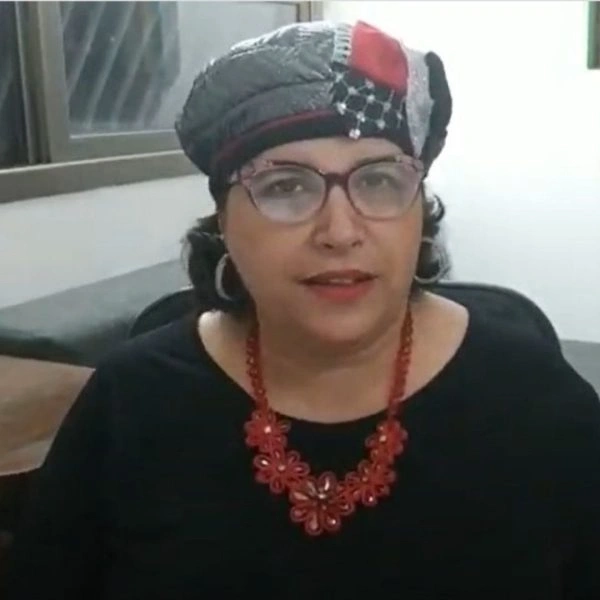
בתחילת הסבב הנוכחי הצטברו אצלי תחושות שאני לא מבינה מספיק מהי ההלכה אותה אני מקיימת בכל יום. כמו כן, כאמא לבנות רציתי לתת להן מודל נשי של לימוד תורה
שתי הסיבות האלו הובילו אותי להתחיל ללמוד. נתקלתי בתגובות מפרגנות וסקרניות איך אישה לומדת גמרא..
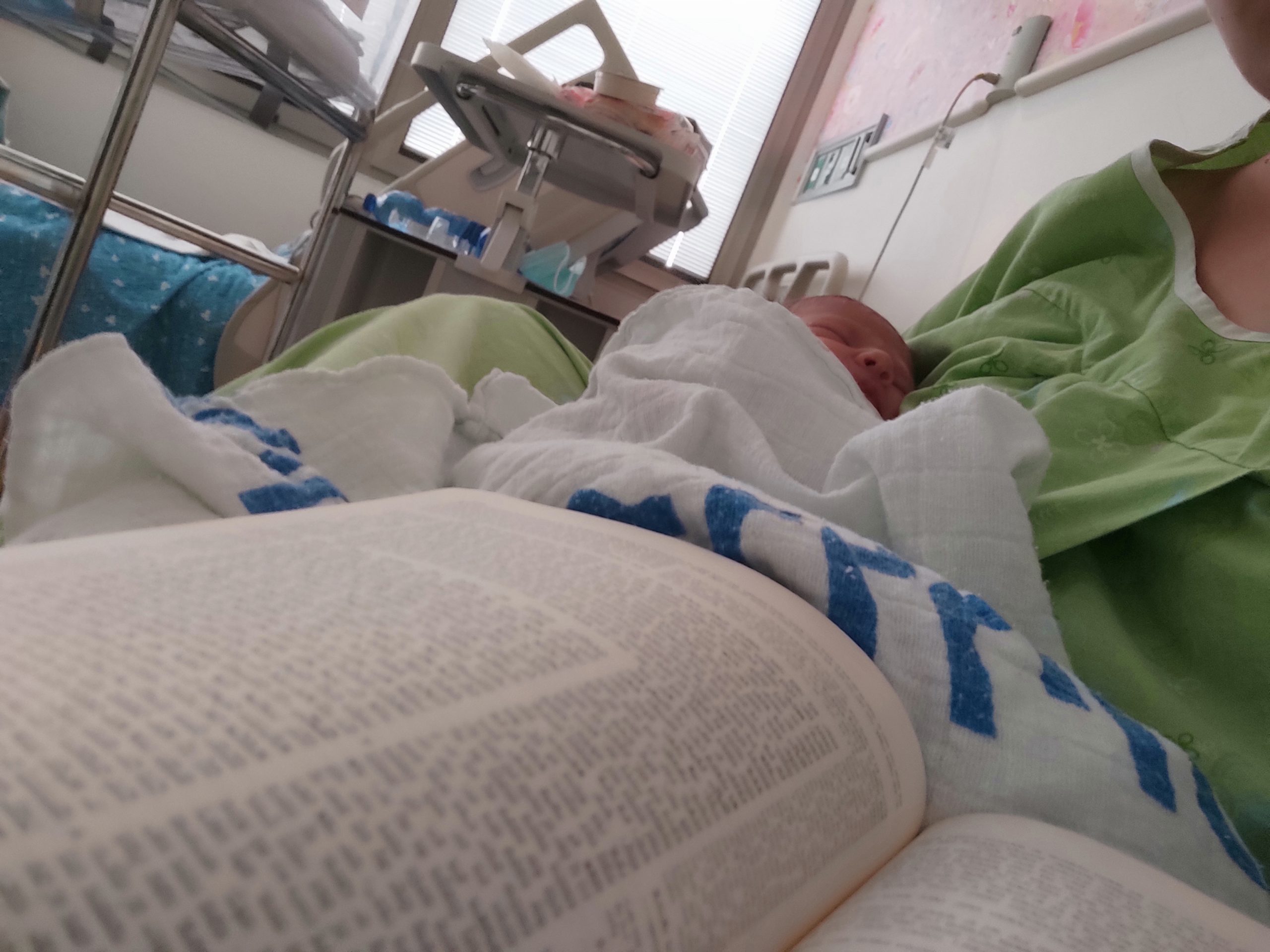
כמו שרואים בתמונה אני ממשיכה ללמוד גם היום ואפילו במחלקת יולדות אחרי לידת ביתי השלישית.

Noa Shiloh
נועה שילה

רבבה, ישראל

התחלתי ללמוד דף יומי שהתחילו מסכת כתובות, לפני 7 שנים, במסגרת קבוצת לימוד שהתפרקה די מהר, ומשם המשכתי לבד בתמיכת האיש שלי. נעזרתי בגמרת שטיינזלץ ובשיעורים מוקלטים.
הסביבה מאד תומכת ואני מקבלת המון מילים טובות לאורך כל הדרך. מאז הסיום הגדול יש תחושה שאני חלק מדבר גדול יותר.
אני לומדת בשיטת ה”7 דפים בשבוע” של הרבנית תרצה קלמן – כלומר, לא נורא אם לא הצלחת ללמוד כל יום, העיקר שגמרת ארבעה דפים בשבוע

Rachel Goldstein
רחל גולדשטיין

עתניאל, ישראל

התחלתי ללמוד דף יומי כאשר קיבלתי במייל ממכון שטיינזלץ את הדפים הראשונים של מסכת ברכות במייל. קודם לא ידעתי איך לקרוא אותם עד שנתתי להם להדריך אותי. הסביבה שלי לא מודעת לעניין כי אני לא מדברת על כך בפומבי. למדתי מהדפים דברים חדשים, כמו הקשר בין המבנה של בית המקדש והמשכן לגופו של האדם (יומא מה, ע”א) והקשר שלו למשפט מפורסם שמופיע בספר ההינדי "בהגוד-גיתא”. מתברר שזה רעיון כלל עולמי ולא רק יהודי

Elena Arenburg
אלנה ארנבורג

נשר, ישראל

התחלתי ללמוד בשנת המדרשה במגדל עוז, בינתיים נהנית מאוד מהלימוד ומהגמרא, מעניין ומשמח מאוד!
משתדלת להצליח לעקוב כל יום, לפעמים משלימה קצת בהמשך השבוע.. מרגישה שיש עוגן מקובע ביום שלי והוא משמח מאוד!

Uriah Kesner
אוריה קסנר

חיפה , ישראל

שמעתי על הסיום הענק של הדף היומי ע”י נשים בבנייני האומה. רציתי גם.
החלטתי להצטרף. התחלתי ושיכנעתי את בעלי ועוד שתי חברות להצטרף. עכשיו יש לי לימוד משותף איתו בשבת ומפגש חודשי איתן בנושא (והתכתבויות תדירות על דברים מיוחדים שקראנו). הצטרפנו לקבוצות שונות בווטסאפ. אנחנו ממש נהנות. אני שומעת את השיעור מידי יום (בד”כ מהרב יוני גוטמן) וקוראת ומצטרפת לסיומים של הדרן. גם מקפידה על דף משלהן (ונהנית מאד).

Liat Citron
ליאת סיטרון

אפרת, ישראל

התחלתי ללמוד את הדף היומי מעט אחרי שבני הקטן נולד. בהתחלה בשמיעה ולימוד באמצעות השיעור של הרבנית שפרבר. ובהמשך העזתי וקניתי לעצמי גמרא. מאז ממשיכה יום יום ללמוד עצמאית, ולפעמים בעזרת השיעור של הרבנית, כל יום. כל סיום של מסכת מביא לאושר גדול וסיפוק. הילדים בבית נהיו חלק מהלימוד, אני משתפת בסוגיות מעניינות ונהנית לשמוע את דעתם.

Eliraz Blau
אלירז בלאו

מעלה מכמש, ישראל

התחלתי לפני כמה שנים אבל רק בסבב הזה זכיתי ללמוד יום יום ולסיים מסכתות

Sigal Tel
סיגל טל

רעננה, ישראל

התחלתי להשתתף בשיעור נשים פעם בשבוע, תכננתי ללמוד רק דפים בודדים, לא האמנתי שאצליח יותר מכך.
לאט לאט נשאבתי פנימה לעולם הלימוד .משתדלת ללמוד כל בוקר ומתחילה את היום בתחושה של מלאות ומתוך התכווננות נכונה יותר.
הלימוד של הדף היומי ממלא אותי בתחושה של חיבור עמוק לעם היהודי ולכל הלומדים בעבר ובהווה.

Neely Hayon
נילי חיון

אפרת, ישראל

התחלתי ללמוד דף יומי אחרי שחזרתי בתשובה ולמדתי במדרשה במגדל עוז. הלימוד טוב ומספק חומר למחשבה על נושאים הלכתיים ”קטנים” ועד לערכים גדולים ביהדות. חשוב לי להכיר את הגמרא לעומק. והצעד הקטן היום הוא ללמוד אותה בבקיאות, בעזרת השם, ומי יודע אולי גם אגיע לעיון בנושאים מעניינים. נושאים בגמרא מתחברים לחגים, לתפילה, ליחסים שבין אדם לחברו ולמקום ולשאר הדברים שמלווים באורח חיים דתי 🙂

Gaia Divo
גאיה דיבו

מצפה יריחו, ישראל

"
גם אני התחלתי בסבב הנוכחי וב””ה הצלחתי לסיים את רוב המסכתות . בזכות הרבנית מישל משתדלת לפתוח את היום בשיעור הזום בשעה 6:20 .הלימוד הפך להיות חלק משמעותי בחיי ויש ימים בהם אני מצליחה לחזור על הדף עם מלמדים נוספים ששיעוריהם נמצאים במרשתת. שמחה להיות חלק מקהילת לומדות ברחבי העולם. ובמיוחד לשמש דוגמה לנכדותיי שאי””ה יגדלו לדור שלימוד תורה לנשים יהיה משהו שבשגרה. "

Ronit Shavit
רונית שביט

נתניה, ישראל

התחלתי ללמוד בשנת המדרשה במגדל עוז, בינתיים נהנית מאוד מהלימוד ומהגמרא, מעניין ומשמח מאוד!
משתדלת להצליח לעקוב כל יום, לפעמים משלימה קצת בהמשך השבוע.. מרגישה שיש עוגן מקובע ביום שלי והוא משמח מאוד!

Uriah Kesner
אוריה קסנר

חיפה , ישראל

התחלתי ללמוד דף יומי שהתחילו מסכת כתובות, לפני 7 שנים, במסגרת קבוצת לימוד שהתפרקה די מהר, ומשם המשכתי לבד בתמיכת האיש שלי. נעזרתי בגמרת שטיינזלץ ובשיעורים מוקלטים.
הסביבה מאד תומכת ואני מקבלת המון מילים טובות לאורך כל הדרך. מאז הסיום הגדול יש תחושה שאני חלק מדבר גדול יותר.
אני לומדת בשיטת ה”7 דפים בשבוע” של הרבנית תרצה קלמן – כלומר, לא נורא אם לא הצלחת ללמוד כל יום, העיקר שגמרת ארבעה דפים בשבוע

Rachel Goldstein
רחל גולדשטיין

עתניאל, ישראל

A life-changing journey started with a Chanukah family tiyul to Zippori, home of the Sanhedrin 2 years ago and continued with the Syum in Binanei Hauma where I was awed by the energy of 3000 women dedicated to learning daf Yomi. Opening my morning daily with a fresh daf, I am excited with the new insights I find enriching my life and opening new and deeper horizons for me.

Becky Goldstein
בקי גולדשטיין

Elazar gush etzion, Israel

התחלתי לפני 8 שנים במדרשה. לאחרונה סיימתי מסכת תענית בלמידה עצמית ועכשיו לקראת סיום מסכת מגילה.

Daniela Baruchim
דניאלה ברוכים

רעננה, ישראל

התחלתי ללמוד דף יומי ממסכת נידה כי זה היה חומר הלימוד שלי אז. לאחר הסיום הגדול בבנייני האומה החלטתי להמשיך. וב”ה מאז עם הפסקות קטנות של קורונה ולידה אני משתדלת להמשיך ולהיות חלק.

זה משפיע מאוד על היום יום שלי ועל אף שאני עסוקה בלימודי הלכה ותורה כל יום, זאת המסגרת הקבועה והמחייבת ביותר שיש לי.

Moriah Taesan Michaeli
מוריה תעסן מיכאלי

גבעת הראל, ישראל

התחלתי לפני כמה שנים אבל רק בסבב הזה זכיתי ללמוד יום יום ולסיים מסכתות

Sigal Tel
סיגל טל

רעננה, ישראל

התחלתי כשהייתי בחופש, עם הפרסומים על תחילת המחזור, הסביבה קיבלה את זה כמשהו מתמיד ומשמעותי ובהערכה, הלימוד זה עוגן יציב ביום יום, יש שבועות יותר ויש שפחות אבל זה משהו שנמצא שם אמין ובעל משמעות בחיים שלי….

Adi Diamant
עדי דיאמנט

גמזו, ישראל

My explorations into Gemara started a few days into the present cycle. I binged learnt and become addicted. I’m fascinated by the rich "tapestry” of intertwined themes, connections between Masechtot, conversations between generations of Rabbanim and learners past and present all over the world. My life has acquired a golden thread, linking generations with our amazing heritage.
Thank you.

Susan Kasdan
סוזן כשדן

חשמונאים, Israel

אמא שלי למדה איתי ש”ס משנה, והתחילה ללמוד דף יומי. אני החלטתי שאני רוצה ללמוד גם. בהתחלה למדתי איתה, אח”כ הצטרפתי ללימוד דף יומי שהרב דני וינט מעביר לנוער בנים בעתניאל. במסכת עירובין עוד חברה הצטרפה אלי וכשהתחלנו פסחים הרב דני פתח לנו שעור דף יומי לבנות. מאז אנחנו לומדות איתו קבוע כל יום את הדף היומי (ובשבת אבא שלי מחליף אותו). אני נהנית מהלימוד, הוא מאתגר ומעניין

Renana Hellman
רננה הלמן

עתניאל, ישראל

בתחילת הסבב הנוכחי של לימוד הדף היומי, נחשפתי לחגיגות המרגשות באירועי הסיום ברחבי העולם. והבטחתי לעצמי שבקרוב אצטרף גם למעגל הלומדות. הסבב התחיל כאשר הייתי בתחילת דרכי בתוכנית קרן אריאל להכשרת יועצות הלכה של נשמ”ת. לא הצלחתי להוסיף את ההתחייבות לדף היומי על הלימוד האינטנסיבי של תוכנית היועצות. בבוקר למחרת המבחן הסופי בנשמ”ת, התחלתי את לימוד הדף במסכת סוכה ומאז לא הפסקתי.

Hana Shaham-Rozby (Dr.)
חנה שחם-רוזבי (ד”ר)

קרית גת, ישראל

נדרים נב

מוּתָּר בָּרוֹטֶב וּבַקֵּיפֶה, וְרַבִּי יְהוּדָה אוֹסֵר.

is permitted to eat gravy and sediments of boiled meat [kifa]. But Rabbi Yehuda maintains that he is prohibited from eating them.

אָמַר רַבִּי יְהוּדָה: מַעֲשֶׂה וְאָסַר עָלֵינוּ רַבִּי טַרְפוֹן בְּבֵיצִים שֶׁנִּתְבַּשְּׁלוּ עִמּוֹ. אָמְרוּ לוֹ: כֵּן הַדָּבָר, אֵימָתַי — בִּזְמַן שֶׁיֹּאמַר: ״בָּשָׂר זֶה עָלַי״, שֶׁהַנּוֹדֵר מִן הַדָּבָר וְנִתְעָרֵב בְּאַחֵר, אִם יֵשׁ בּוֹ בְּנוֹתֵן טַעַם — אָסוּר.

Rabbi Yehuda said: There was an incident where one took such a vow and Rabbi Tarfon prohibited us from even eggs that were cooked with meat. The Rabbis said to him: Indeed so, but when is this the halakha? When he says: This meat is forbidden to me, referring to a specific piece of meat. This is because in the case of one who vows that an item is forbidden to him, and it becomes mixed into another item, if the latter contains an amount of the forbidden food that gives it flavor, i.e., the forbidden food can be tasted in the permitted food, the mixture is forbidden. However, if one vows that meat in general is forbidden to him, without specifying a particular piece, only the meat itself is forbidden, not the gravy, sediments, or eggs cooked with that meat.

הַנּוֹדֵר מִן הַיַּיִן — מוּתָּר בְּתַבְשִׁיל שֶׁיֵּשׁ בּוֹ טַעַם יַיִן. אָמַר: ״קֻוֽנָּם יַיִן זֶה שֶׁאֲנִי טוֹעֵם״ וְנָפַל לְתַבְשִׁיל, אִם יֵשׁ בּוֹ בְּנוֹתֵן טַעַם — הֲרֵי זֶה אָסוּר.

Likewise, one who vows that wine is forbidden to him is permitted to eat a cooked dish that has the flavor of wine. However, if he said: This wine is konam for me, and for that reason I will not taste it, and the wine fell into a cooked dish, if the dish contains an amount of the wine that gives it flavor, it is forbidden.

גְּמָ׳ וּרְמִינְהוּ: ״מִן״ הָעֲדָשִׁים״ — אָסוּר בַּאֲשִׁישִׁים, וְרַבִּי יוֹסֵי מַתִּיר.

GEMARA: The mishna cited a dispute between Rabbi Yosei and the Rabbis, in which Rabbi Yosei ruled that one who vows that milk is forbidden to him is prohibited from eating whey as well. And the Gemara raises a contradiction between this ruling and Rabbi Yosei’s opinion in a later mishna (53b): One who vows that lentils are forbidden to him is prohibited from eating ashishim, a dish made from lentils. But Rabbi Yosei permits it. Apparently, Rabbi Yosei holds that if the forbidden food changes in form, it is permitted, contrary to his opinion with regard to whey.

לָא קַשְׁיָא: מָר כִּי אַתְרֵיהּ וּמָר כִּי אַתְרֵיהּ. בְּאַתְרָא דְרַבָּנַן קָרוּ לַחֲלָבָא חֲלָבָא וּלְקוֹמָא קוֹמָא, בְּאַתְרֵיהּ דְּרַבִּי יוֹסֵי לְקוֹמָא נָמֵי קָרוּ לֵיהּ ״קוֹמָא דַחֲלָבָא״.

The Gemara answers: This is not difficult. The opinion of this Sage is in accordance with the custom of his locale, and the opinion of that Sage in accordance with the custom of his locale. In the Rabbis’ locale they call milk, milk and whey, whey, whereas in Rabbi Yosei’s locale they also call whey, milk whey. In the latter location, the word milk is used in reference to whey, and therefore one who vows there that milk is forbidden to him is prohibited from eating whey as well.

תַּנְיָא: הַנּוֹדֵר מִן הֶחָלָב — מוּתָּר בַּקּוֹם, מִן הַקּוֹם — מוּתָּר בְּחָלָב. מִן הֶחָלָב — מוּתָּר בִּגְבִינָה, מִן הַגְּבִינָה — מוּתָּר בְּחָלָב. מִן הָרוֹטֶב — מוּתָּר בְּקֵיפֶה, מִן הַקֵּיפֶה — מוּתָּר בְּרוֹטֶב. אִם אָמַר ״בָּשָׂר זֶה עָלַי״ — אָסוּר בּוֹ וּבְרוֹטְבּוֹ וּבְקֵיפוֹ.

It is taught in a baraita: One who vows that milk is forbidden to him is permitted to partake of whey. One who vows that whey is forbidden to him is permitted to partake of milk. One who vows that milk is forbidden to him is permitted to eat cheese. One who vows that cheese is forbidden to him is permitted to partake of milk. One who vows that gravy is forbidden to him is permitted to eat sediments of boiled meat. One who vows that sediments of boiled meat are forbidden to him is permitted to eat gravy. If one said: This piece of meat is hereby forbidden to me, he is prohibited from eating it, and from its gravy, and from its sediments.

הַנּוֹדֵר מִן הַיַּיִן — מוּתָּר בְּתַבְשִׁיל שֶׁיֵּשׁ בּוֹ טַעַם יַיִן. אָמַר: ״קֻוֽנָּם יַיִן זֶה שֶׁאֵינִי טוֹעֵם״ וְנָפַל לְתוֹךְ הַתַּבְשִׁיל, אִם יֵשׁ בּוֹ טַעַם יַיִן — הֲרֵי זֶה אָסוּר.

One who vows: Wine is forbidden to me, is permitted to eat a cooked dish that has the flavor of wine. However, if he said: This wine is konam for me, and for that reason I will not taste it, and the wine fell into a cooked dish, if the dish contains an amount of the wine that gives it flavor, it is forbidden.

מַתְנִי׳ הַנּוֹדֵר מִן הָעֲנָבִים — מוּתָּר בְּיַיִן. מִן הַזֵּיתִים — מוּתָּר בְּשֶׁמֶן. אָמַר ״קֻוֽנָּם זֵיתִים וַעֲנָבִים אֵלּוּ שֶׁאֵינִי טוֹעֵם״ — אָסוּר בָּהֶן וּבְיוֹצֵא מֵהֶן.

MISHNA: One who vows that grapes are forbidden to him is permitted to partake of wine. One who vows that olives are forbidden to him is permitted to partake of oil. However, if one said: Olives and grapes are konam for me, and for that reason I will not taste these items, he is prohibited from tasting them and the wine and oil that emerge from them.

גְּמָ׳ בָּעֵי רָמֵי בַּר חָמָא: ״אֵלּוּ״ דַּוְקָא, אוֹ ״שֶׁאֵינִי טוֹעֵם״ דַּוְקָא?

GEMARA: With regard to the last ruling in the mishna, that one who vows: Olives and grapes are konam for me, and for that reason I will not taste these items, he is prohibited from tasting them and the wine and oil that emerge from them, Rami bar Ḥama raises a dilemma: Is it specifically because he said these, i.e., he referred to specific olives or grapes, or is it specifically because he said: For that reason I will not taste, i.e., he referred not to eating but to tasting?

אִי סָלְקָא דַעְתָּךְ ״אֵלּוּ״ דַּוְקָא, ״שֶׁאֵינִי טוֹעֵם״ לְמָה לִי? הָא קָא מַשְׁמַע לַן, דְּאַף עַל גַּב דְּאָמַר ״שֶׁאֵינִי טוֹעֵם״, אִי דְּאָמַר ״אֵלּוּ״ — מִיתְּסַר, וְאִי לָא — לָא.

The Gemara asks: If it enters your mind that it is specifically because he said these, why do I need the phrase: That I will not taste? The Gemara answers: This teaches us that even if he said: That I will not taste, only if he said the word these is he prohibited from tasting oil or wine, but if he did not say the word these, he is not prohibited from doing so. The dilemma therefore cannot be resolved by inference from the phrasing of the vow in the mishna.

אָמַר רָבָא, תָּא שְׁמַע: ״קֻוֽנָּם פֵּירוֹת הָאֵלּוּ עָלַי״, ״קֻוֽנָּם הֵן לְפִי״ — אָסוּר בְּחִילּוּפֵיהֶן וּבְגִידּוּלֵיהֶן, הָא בַּיּוֹצֵא מֵהֶן מוּתָּר!

Rava said: Come and hear a resolution to this dilemma from the mishna below (57a): If one says: This produce is konam upon me, or: It is konam to my mouth, he is prohibited from eating their replacements and anything that grows from them. It may be inferred that liquids that emerge from them are permitted. Evidently, referring to specific produce is not sufficient to render their juice forbidden. Rather, the prohibition in the mishna is apparently due to the phrase: And for that reason I will not taste.

הוּא הַדִּין דַּאֲפִילּוּ בְּיוֹצֵא מֵהֶן אָסוּר. וְהָא עֲדִיפָא לֵיהּ לְאַשְׁמוֹעִינַן דְּחִילּוּפֵיהֶן כְּגִידּוּלֵיהֶן דָּמֵי.

The Gemara refutes this proof: The same ruling as in the mishna above is true with regard to liquids that emerge from the produce; they too are forbidden. And the reason this ruling isn’t mentioned there is that it is preferable for that mishna to teach us that their replacements are forbidden just like what grows from them is forbidden, although they contain no substance of the forbidden item.

תָּא שְׁמַע: ״שֶׁאֵינִי אוֹכֵל״, וְ״שֶׁאֵינִי טוֹעֵם״ — מוּתָּר בְּחִילּוּפֵיהֶן וּבְגִידּוּלֵיהֶן. הָא הַיּוֹצֵא מֵהֶן — אָסוּר! אַיְּידֵי דְּלָא נָסֵיב בְּרֵישָׁא ״יוֹצֵא מֵהֶן״, לָא נָסֵיב נָמֵי בְּסֵיפָא ״יוֹצֵא מֵהֶן״.

Come and hear a resolution from the continuation of that same mishna: If one says: This produce is konam upon me, and for that reason I will not eat them, or: This produce is konam upon me, and for that reason I will not taste them, he is permitted to eat their replacements and anything that grows from them. It may be inferred that liquids that emerge from them are forbidden. The Gemara rejects this argument: Since that mishna did not cite liquids that emerge from them in the first clause, it did not cite liquids that emerge from them in the latter clause either. Therefore, it cannot be inferred that liquids that come from the produce are forbidden.

תָּא שְׁמַע, אָמַר רַבִּי יְהוּדָה: מַעֲשֶׂה וְאָסַר רַבִּי טַרְפוֹן עָלַי בֵּיצִים שֶׁנִּתְבַּשְּׁלוּ עִמּוֹ. אָמְרוּ לוֹ: אֵימָתַי, בִּזְמַן שֶׁאָמַר ״בָּשָׂר זֶה עָלַי״, שֶׁהַנּוֹדֵר מִן הַדָּבָר וְנִתְעָרֵב בְּאַחֵר, וְיֵשׁ בּוֹ בְּנוֹתֵן טַעַם — הֲרֵי זֶה אָסוּר.

Come and hear a resolution from the previous mishna (52a): Rabbi Yehuda said: There was an incident where Rabbi Tarfon prohibited me from eating even eggs that were cooked with meat. The Rabbis said to him: Indeed so, but when is this the halakha? When the one who took the vow said: This meat is forbidden to me, referring to a specific piece of meat. This is because in the case of one who vows that something is forbidden to him and it gets mixed into another food, and the latter food contains an amount of the forbidden food that gives it flavor, i.e., the prohibited food can be tasted in the permitted food, the mixture is forbidden. Evidently, referring to a specific food causes what emerges from it to be forbidden as well.

בְּ״אֵלּוּ״ — לָא קָא מִיבַּעְיָא לַן דְּדַוְקָא הוּא. כִּי מִיבַּעְיָא לַן בְּ״שֶׁאֵינִי טוֹעֵם״ — דַּוְקָא, אוֹ לָאו דַּוְקָא?

The Gemara reinterprets the dilemma: We do not raise the dilemma with regard to the word these, as using specifically this word is certainly sufficient to render the liquids that come from the produce forbidden. When we raise a dilemma, it is with regard to the phrase: That I will not taste it. Is this phrase mentioned by the mishna specifically to teach that using it in a vow is sufficient to render the juice forbidden, or is it not mentioned specifically for that purpose?

תָּא שְׁמַע: ״דָּג דָּגִים שֶׁאֵינִי טוֹעֵם״ — אָסוּר בָּהֶן, בֵּין גְּדוֹלִים בֵּין קְטַנִּים, בֵּין חַיִּים בֵּין מְבוּשָּׁלִים, וּמוּתָּר בְּטָרִית טְרוּפָה וּבְצִיר.

Come and hear a resolution from the mishna above (51b): If one vows: Fish or fishes are konam for me, and for that reason I will not taste them, he is prohibited with regard to all of them, whether large fish or small, and whether raw or cooked. But he is permitted to taste minced sardines and to taste fish brine. The phrase: I will not taste, clearly does not render fish brine forbidden, although it contains that which emerged from fish.

אָמַר רָבָא: וּכְבָר יָצָא מֵהֶן.

Rava said: But there is no evidence from here, as the fish brine that is permitted by the mishna may be referring to brine that already emerged from them before the vow was taken, and was therefore not included in the fish that were rendered forbidden by the vow. The dilemma therefore remains unresolved.

רוצה לעקוב אחרי התכנים ולהמשיך ללמוד?

ביצירת חשבון עוד היום ניתן לעקוב אחרי ההתקדמות שלך, לסמן מה למדת, ולעקוב אחרי השיעורים שמעניינים אותך.

לנקות את כל הפריטים מהרשימה?

פעולה זו תסיר את כל הפריטים בחלק זה כולל ההתקדמות וההיסטוריה. שימי לב: לא ניתן לשחזר פעולה זו.

ביטול
מחיקה

האם את/ה בטוח/ה שברצונך למחוק פריט זה?

תאבד/י את כל ההתקדמות או ההיסטוריה הקשורות לפריט זה.

ביטול
מחיקה