חיפוש

נדרים נט

רוצה להקדיש לימוד?

podcast placeholder

0:00
0:00


תקציר

הדף היום מוקדש ע”י ולרי פרבר לע”נ אביה, ד’ר לורנס קאופמן בציון 9 שנים לפטירתו.

רמי בר חמא מעלה קושי ממשנתנו נגד הסוברים שהגידולים מבטלים את העיקר. אולם מתרצים שמשנתינו מדברת על מקרה ייחודי שכן ניתן לשאול על נדר ולבטלו ולכן הוא כדבר שיש לו מתירין שאינו בטל. אבל מקשים על כך מתרומה שזה בטל וגם תרומה ניתן לשאול עליו ואם כן, גם נחשב כדבר שיש לו מתירין ולמה יש דיני ביטול. לאחר שני ניסיונות לא מוצלחים להקים את המשנה בתרומות (שמשם למדו שתרומה בטל) במקרה שאין אפשרות לשאול עליה, הגמרא מבחינה בין תרומה לנדרים שכן מצווה לבטל נדרים אך לא כך בתרומה. רבה מצטט גם את רבי יוחנן שקובע שהגידולים מבטלים את המקור. רב חסדא מקשה עליו אבל רבא מוכיח את דעתו של רבי יוחנן ממשנה. אולם, רב חסדא הסביר את המשנה אחרת באופן שיוכיח את דבריו. אך בכל זאת הצליח רבה לתמוך בטענתו בהבחנה בין המקרה במשנה לבין המקרה שעלוי דיבר ר’ יוחנן.

נדרים נט

אָמְרִי: מַעֲשֵׂר, דִּיגּוּן הוּא דְּקָא גָרֵים לֵיהּ.

The Sages of the Gemara say: With regard to tithe, the ground does not engender the obligation; placement of the produce in a pile engenders the obligation, as it is only at that point that one is obligated to tithe his produce. Therefore neutralization of the prohibition is not effected by planting it in the ground.

מֵתִיב רָמֵי בַּר חָמָא: ״קֻוֽנָּם פֵּירוֹת הָאֵלּוּ עָלַי״, ״קֻוֽנָּם הֵן עַל פִּי״, ״קֻוֽנָּם הֵן לְפִי״ — אָסוּר בְּחִילּוּפֵיהֶן וּבְגִידּוּלֵיהֶן. ״שֶׁאֲנִי אוֹכֵל״, וְ״שֶׁאֲנִי טוֹעֵם״ — מוּתָּר בְּחִילּוּפֵיהֶן וּבְגִידּוּלֵיהֶן בְּדָבָר שֶׁזַּרְעוֹ כָּלֶה, אֲבָל בְּדָבָר שֶׁאֵין זַרְעוֹ כָּלֶה — אֲפִילּוּ גִּידּוּלֵי גִידּוּלִין אֲסוּרִין.

Rami bar Ḥama raised an objection to the opinion of Rabbi Yannai based on the mishna (57a): For one who says: This produce is konam upon me, or it is konam upon my mouth, or it is konam to my mouth, it is prohibited to partake of the produce, or of its replacements, or of anything that grows from it. If he says: This produce is konam for me, and for that reason I will not eat it, or for that reason I will not taste it, it is permitted for him to partake of its replacements or of anything that grows from it. This applies only with regard to an item whose seeds cease after it is sown. However, with regard to an item whose seeds do not cease after it is sown, it is prohibited for him to partake even of the growths of its growths. Apparently, permitted growths do not neutralize the prohibition.

אָמַר רַבִּי אַבָּא: שָׁאנֵי קוֹנָמוֹת, הוֹאִיל וְאִי בָּעֵי מִתְּשִׁיל עֲלַיְיהוּ — הָווּ לְהוּ כְּדָבָר שֶׁיֵּשׁ לוֹ מַתִּירִין, וְאֵין בָּטֵיל בָּרוֹב.

Rabbi Abba said: Konamot are different; since if he wishes to do so he can request that a halakhic authority dissolve the vows and render the objects of the vows permitted, their legal status is like that of an item that can become permitted, and its prohibition is not nullified by a majority of permitted items.

וַהֲרֵי תְּרוּמָה, דְּאִי בָּעֵי מִיתְּשִׁיל עֲלַהּ, וּבָטְלִי בְּרוֹב. דִּתְנַן: סְאָה תְּרוּמָה טְמֵאָה שֶׁנָּפְלָה לְפָחוֹת מִמֵּאָה חוּלִּין — תֵּרָקֵב. הָא לְמֵאָה — תַּעֲלֶה! אָמְרִי: בִּתְרוּמָה בְּיַד כֹּהֵן עָסְקִינַן, דְּלָא מָצֵי מִיתְּשִׁיל עֲלַהּ.

The Gemara asks: And isn’t there the case of teruma, in which if he wishes he can request that a halakhic authority dissolve the designation of the produce as teruma and yet it is nullified by a majority of permitted items? As we learned in a mishna (Terumot 5:1): A se’a of ritually impure teruma that fell into less than one hundred se’a of non-sacred produce must be left to decay. The impure teruma, which is forbidden to all, renders the entire mixture forbidden. The Gemara infers: If it fell into one hundred se’a of non-sacred produce, its prohibition is neutralized. The Sages of the Gemara say in response: We are dealing with teruma that is in the possession of a priest, for which the owner can no longer request that a halakhic authority dissolve the designation. However, as long as the teruma is in the owner’s possession he can request that its designation be dissolved, and therefore its prohibition cannot be neutralized.

אִי הָכִי, אֵימָא סֵיפָא: אִם הָיְתָה טְהוֹרָה תִּמָּכֵר לְכֹהֵן! אֶלָּא בְּיִשְׂרָאֵל שֶׁנָּפְלוּ לוֹ מִבֵּית אֲבִי אִמּוֹ כֹּהֵן עָסְקִינַן.

The Gemara asks: If so, say the latter clause of that mishna: If the teruma mixed with the non-sacred produce was ritually pure, it may be sold to a priest, who treats all the produce as though it were teruma. This indicates that the mishna is dealing with teruma in its owner’s possession that was not yet given to a priest. Rather, we are dealing with the case of an Israelite who inherited the produce from a member of the house of his mother’s father, who is a priest. The heir owns the teruma; however, since he was not the one who designated it as teruma, he may not request that the designation be dissolved.

[וְהָא] קָתָנֵי סֵיפָא: תִּימָּכֵר לְכֹהֵן חוּץ מִדְּמֵי אוֹתָהּ סְאָה?

The Gemara asks: But isn’t it taught in that latter clause of that mishna: It must be sold to a priest; however, the price must reflect the value of the entire mixture except for the value of that se’a of teruma that fell into the non-sacred produce, as the teruma belongs to the priest. If the mishna is referring to the case of an heir who owns the teruma, why can he not collect the value of that se’a as well, as it is his property?

אֶלָּא אֵימָא: בִּשְׁלָמָא קוּנָּמוֹת — מִצְוָה לְאִיתְּשׁוֹלֵי עֲלֵיהֶן, מִשּׁוּם דְּרַבִּי נָתָן. דְּאָמַר רַבִּי נָתָן: כׇּל הַנּוֹדֵר — כְּאִילּוּ בָּנָה בָּמָה, וְהַמְקַיְּימוֹ — כְּאִילּוּ מַקְטִיר עָלֶיהָ. תְּרוּמָה מַאי מִצְוָה לְאִיתְּשׁוֹלֵי עֲלַהּ?

Rather, say that there is another distinction between konamot and other cases where one may request dissolution by a halakhic authority. Granted, in the case of konamot, there is a mitzva to request that a halakhic authority dissolve them, due to the statement of Rabbi Natan, as Rabbi Natan said: Anyone who vows, it is as if he built a personal altar outside the Temple, and one who fulfills that vow, it is as though he burns an offering upon it. However, in the case of teruma, what mitzva is there to request that a halakhic authority dissolve its designation? Therefore, items forbidden by konamot are considered items that can become permitted, and teruma is not.

גּוּפָא, אָמַר רַבִּי יוֹחָנָן: לִיטְרָא בְּצָלִים שֶׁתִּיקְּנָהּ וּזְרָעָהּ — מִתְעַשֶּׂרֶת לְפִי כוּלָּהּ. יָתֵיב רַבָּה וְקָאָמַר לְהָא שְׁמַעְתָּא. אֲמַר לֵיהּ רַב חִסְדָּא: מַאן צָאֵית לָךְ וּלְרַבִּי יוֹחָנָן רַבָּךְ! הֶיתֵּר שֶׁבָּהֶן לְהֵיכָן הָלַךְ? אֲמַר לֵיהּ: מִי לָא תְּנַן דִּכְווֹתַהּ: בְּצָלִים שֶׁיָּרְדוּ עֲלֵיהֶם גְּשָׁמִים וְצִימְּחוּ,

§ With regard to the matter itself, Rabbi Yoḥanan said: With regard to a litra of onions that one tithed, and then sowed, it is tithed according to the entire crop. Rabba sat and stated this halakha. Rav Ḥisda said to him: Who listens to you and Rabbi Yoḥanan, your teacher? The permitted part of the litra, to where did it go? The original litra that he sowed was permitted by virtue of the fact that he tithed it, but why is he obligated to tithe the entire crop? The original litra should be subtracted from the crop that must be tithed. Rabba said to Rav Ḥisda: Didn’t we learn a corresponding halakha in a mishna (Shevi’it 6:3): With regard to sixth-year onions upon which rain fell during the Sabbatical Year, and they sprouted,

אִם הָיוּ עָלִין שֶׁלָּהֶן שְׁחוֹרִין — אֲסוּרִין, הוֹרִיקוּ — מוּתָּרִין. וְכִי שְׁחוֹרִין אַמַּאי אֲסוּרִין? לֵימָא: הֶיתֵּר שֶׁבָּהֶן לְהֵיכָן הָלַךְ? אֲמַר לֵיהּ: מִי סָבְרַתְּ עַל עִיקָּר קָתָנֵי? אַתּוֹסֶפֶת קָתָנֵי אֲסוּרִין. אִי הָכִי, מַאי אֲתָא רַבָּן שִׁמְעוֹן בֶּן גַּמְלִיאֵל לְמֵימַר? דְּתַנְיָא, רַבָּן שִׁמְעוֹן בֶּן גַּמְלִיאֵל אוֹמֵר: הַגָּדֵל בְּחִיּוּב — חַיָּיב, הַגָּדֵל בִּפְטוּר — פָּטוּר. תַּנָּא קַמָּא נָמֵי הָכִי אָמַר!

if their leaves were black, the onions are forbidden. If their leaves turned green, the onions are permitted. And if the leaves are black, why are the onions forbidden? Let us say in this case too: The permitted part, the original onion, to where did it go? Rav Ḥisda said to Rabba: Do you maintain that this halakha is taught about the primary, original onion, that it is prohibited? It is taught with regard to the additional growth that sprouted, and it is those leaves that are forbidden. The Gemara asks: If so, what is Rabban Shimon ben Gamliel, who apparently disagrees with the tanna of the mishna, coming to say? As it is taught in a baraita that Rabban Shimon ben Gamliel says: That which grew during a period of liability is liable and is considered Sabbatical-Year produce, and that which grew during a period of exemption is exempt. According to Rav Ḥisda’s explanation, the first tanna, cited in the mishna, also said that.

כּוּלָּהּ מַתְנִיתִין רַבָּן שִׁמְעוֹן בֶּן גַּמְלִיאֵל קָתָנֵי לַהּ. וְעַד כָּאן לָא שָׁמְעַתְּ לֵיהּ לְרַבָּן שִׁמְעוֹן בֶּן גַּמְלִיאֵל דְּלָא קָא טָרַח, אֲבָל הֵיכָא דְּקָא טָרַח — בָּטֵיל בְּרוּבָּא.

The Gemara explains: This is not difficult, as this entire mishna, Rabban Shimon ben Gamliel taught it. In the baraita Rabban Shimon ben Gamliel is not disagreeing with the opinion of the first tanna of the mishna; he is merely restating it. And nevertheless, the mishna and the baraita pose no difficulty with regard to the opinion of Rabba, as you heard that Rabban Shimon ben Gamliel said that the prohibition of the primary, original part is not neutralized only in a case where he did not exert himself, and the leaves sprouted on their own. However, in the case where he exerted himself, e.g., by sowing or planting, the prohibition of the original onions is neutralized by the majority.

וְכֹל הֵיכָא דְּקָא טָרַח בָּטֵיל בְּרוּבָּא? וַהֲרֵי לִיטְרָא מַעֲשֵׂר טֶבֶל, דְּקָטָרַח, וְקָתָנֵי: וְאוֹתָהּ לִיטְרָא מְעַשֵּׂר עָלָיו מִמָּקוֹם אַחֵר לְפִי חֶשְׁבּוֹן! שָׁאנֵי גַּבֵּי מַעֲשֵׂר, דְּאָמַר קְרָא ״עַשֵּׂר תְּעַשֵּׂר וְגוֹ׳״, וְהֶיתֵּירָא — זָרְעִי אִינָשֵׁי, אִיסּוּרָא — לָא זָרְעִי אִינָשֵׁי.

The Gemara asks: And anywhere that one exerts himself, is the original part nullified by the majority? The Gemara asks: And isn’t there the case of one who sowed a litra of untithed tithe, where he exerts himself to sow it, and it is taught: And that original litra of untithed first tithe that he sowed, one proportionally tithes for it from produce in a different place, and its prohibition is not neutralized by the growth. The Gemara answers: It is different with regard to tithe, as the verse states: “You shall tithe all the produce of your seed that is brought forth in the field” (Deuteronomy 14:22), indicating that all permitted seeds that are sown must be tithed, since permitted seeds that were tithed, people typically sow. Forbidden seeds that were not tithed, people do not typically sow, but the Sages penalized one who sowed untithed seeds and required him to tithe that which he was originally obligated to tithe and decreed that it is not neutralized by the majority.

גּוּפָא, אָמַר רַבִּי חֲנִינָא תִּירְתָּאָה אָמַר רַבִּי יַנַּאי: בָּצָל שֶׁל תְּרוּמָה שֶׁנְּטָעוֹ, וְרַבּוּ גִּידּוּלָיו עַל עִיקָּרוֹ — מוּתָּר. לְמֵימְרָא דְּגִידּוּלֵי

§ With regard to the matter itself, Rabbi Ḥanina Tirta’a said that Rabbi Yannai said: With regard to an onion of teruma that one planted, if its growths exceeded its principal, it is permitted. The Gemara asks: Is this to say that growths that are

חדשה בלימוד הגמרא?

זה הדף הראשון שלך? איזו התרגשות עצומה! יש לנו בדיוק את התכנים והכלים שיעזרו לך לעשות את הצעדים הראשונים ללמידה בקצב וברמה שלך, כך תוכלי להרגיש בנוח גם בתוך הסוגיות המורכבות ומאתגרות.

פסיפס הלומדות שלנו

גלי את קהילת הלומדות שלנו, מגוון נשים, רקעים וסיפורים. כולן חלק מתנועה ומסע מרגש ועוצמתי.

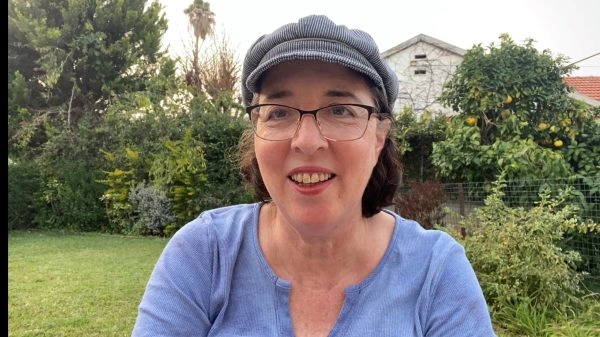
התחלתי ללמוד את הדף היומי מעט אחרי שבני הקטן נולד. בהתחלה בשמיעה ולימוד באמצעות השיעור של הרבנית שפרבר. ובהמשך העזתי וקניתי לעצמי גמרא. מאז ממשיכה יום יום ללמוד עצמאית, ולפעמים בעזרת השיעור של הרבנית, כל יום. כל סיום של מסכת מביא לאושר גדול וסיפוק. הילדים בבית נהיו חלק מהלימוד, אני משתפת בסוגיות מעניינות ונהנית לשמוע את דעתם.

Eliraz Blau
אלירז בלאו

מעלה מכמש, ישראל

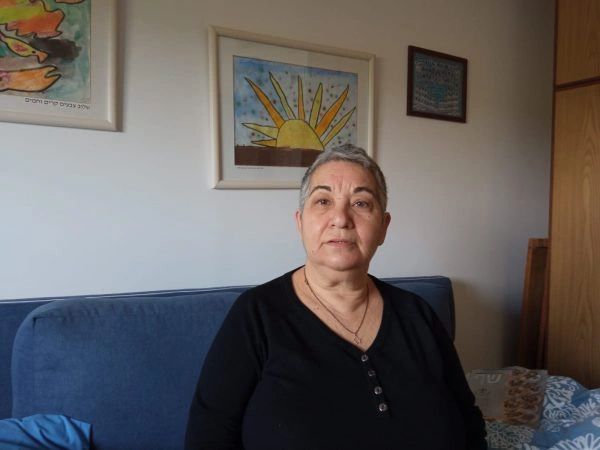
התחלתי ללמוד לפני כשנתיים בשאיפה לסיים לראשונה מסכת אחת במהלך חופשת הלידה.
אחרי מסכת אחת כבר היה קשה להפסיק…

Noa Gallant
נעה גלנט

ירוחם, ישראל

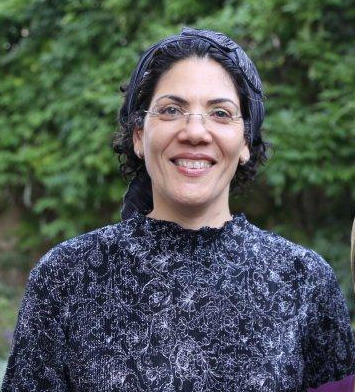
רציתי לקבל ידע בתחום שהרגשתי שהוא גדול וחשוב אך נעלם ממני. הלימוד מעניק אתגר וסיפוק ומעמיק את תחושת השייכות שלי לתורה וליהדות

Ruth Agiv
רות עגיב

עלי זהב – לשם, ישראל

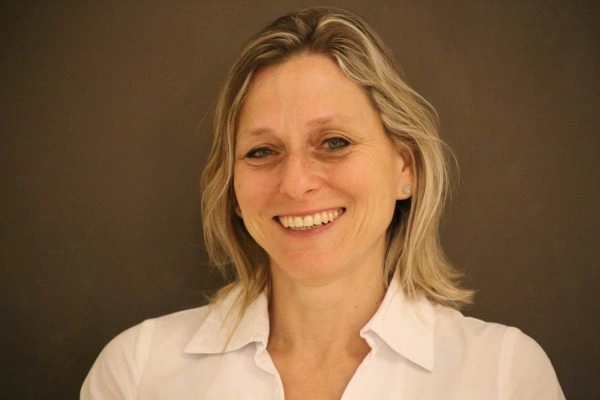
התחלתי להשתתף בשיעור נשים פעם בשבוע, תכננתי ללמוד רק דפים בודדים, לא האמנתי שאצליח יותר מכך.
לאט לאט נשאבתי פנימה לעולם הלימוד .משתדלת ללמוד כל בוקר ומתחילה את היום בתחושה של מלאות ומתוך התכווננות נכונה יותר.
הלימוד של הדף היומי ממלא אותי בתחושה של חיבור עמוק לעם היהודי ולכל הלומדים בעבר ובהווה.

Neely Hayon
נילי חיון

אפרת, ישראל

התחלתי מעט לפני תחילת הסבב הנוכחי. אני נהנית מהאתגר של להמשיך להתמיד, מרגעים של "אהה, מפה זה הגיע!” ומהאתגר האינטלקטואלי

Eilat-Chen and Deller
אילת-חן ודלר

לוד, ישראל

A life-changing journey started with a Chanukah family tiyul to Zippori, home of the Sanhedrin 2 years ago and continued with the Syum in Binanei Hauma where I was awed by the energy of 3000 women dedicated to learning daf Yomi. Opening my morning daily with a fresh daf, I am excited with the new insights I find enriching my life and opening new and deeper horizons for me.

Becky Goldstein
בקי גולדשטיין

Elazar gush etzion, Israel

. לא תמיד נהניתי מלימוד גמרא כילדה.,בל כהתבגרתי התחלתי לאהוב את זה שוב. התחלתי ללמוד מסכת סוטה בדף היומי לפני כחמש עשרה שנה ואז הפסקתי.הגעתי לסיום הגדול של הדרן לפני שנתיים וזה נתן לי השראה. והתחלתי ללמוד למשך כמה ימים ואז היתה לי פריצת דיסק והפסקתי…עד אלול השנה. אז התחלתי עם מסכת ביצה וב”ה אני מצליחה לעמוד בקצב. המשפחה מאוד תומכת בי ויש כמה שגם לומדים את זה במקביל. אני אוהבת שיש עוגן כל יום.

Rebecca Darshan
רבקה דרשן

בית שמש, ישראל

רבנית מישל הציתה אש התלמוד בלבבות בביניני האומה ואני נדלקתי. היא פתחה פתח ותמכה במתחילות כמוני ואפשרה לנו להתקדם בצעדים נכונים וטובים. הקימה מערך שלם שמסובב את הלומדות בסביבה תומכת וכך נכנסתי למסלול לימוד מעשיר שאין כמוה. הדרן יצר קהילה גדולה וחזקה שמאפשרת התקדמות מכל נקודת מוצא. יש דיבוק לומדות שמחזק את ההתמדה של כולנו. כל פניה ושאלה נענית בזריזות ויסודיות. תודה גם למגי על כל העזרה.

Sarah Aber
שרה אבר

נתניה, ישראל

התחלתי לפני 8 שנים במדרשה. לאחרונה סיימתי מסכת תענית בלמידה עצמית ועכשיו לקראת סיום מסכת מגילה.

Daniela Baruchim
דניאלה ברוכים

רעננה, ישראל

A friend in the SF Bay Area said in Dec 2019 that she might start listening on her morning drive to work. I mentioned to my husband and we decided to try the Daf when it began in Jan 2020 as part of our preparing to make Aliyah in the summer.

Hana Piotrkovsky
חנה פיוטרקובסקי

ירושלים, Israel

אני לומדת גמרא כעשור במסגרות שונות, ואת הדף היומי התחלתי כשחברה הציעה שאצטרף אליה לסיום בבנייני האומה. מאז אני לומדת עם פודקסט הדרן, משתדלת באופן יומי אך אם לא מספיקה, מדביקה פערים עד ערב שבת. בסבב הזה הלימוד הוא "ממעוף הציפור”, מקשיבה במהירות מוגברת תוך כדי פעילויות כמו בישול או נהיגה, וכך רוכשת היכרות עם הסוגיות ואופן ניתוחם על ידי חז”ל. בע”ה בסבב הבא, ואולי לפני, אצלול לתוכו באופן מעמיק יותר.

Yael Bir
יעל ביר

רמת גן, ישראל

התחלתי לפני 8 שנים במדרשה. לאחרונה סיימתי מסכת תענית בלמידה עצמית ועכשיו לקראת סיום מסכת מגילה.

Daniela Baruchim
דניאלה ברוכים

רעננה, ישראל

אמא שלי למדה איתי ש”ס משנה, והתחילה ללמוד דף יומי. אני החלטתי שאני רוצה ללמוד גם. בהתחלה למדתי איתה, אח”כ הצטרפתי ללימוד דף יומי שהרב דני וינט מעביר לנוער בנים בעתניאל. במסכת עירובין עוד חברה הצטרפה אלי וכשהתחלנו פסחים הרב דני פתח לנו שעור דף יומי לבנות. מאז אנחנו לומדות איתו קבוע כל יום את הדף היומי (ובשבת אבא שלי מחליף אותו). אני נהנית מהלימוד, הוא מאתגר ומעניין

Renana Hellman
רננה הלמן

עתניאל, ישראל

התחלתי ללמוד לפני כשנתיים בשאיפה לסיים לראשונה מסכת אחת במהלך חופשת הלידה.
אחרי מסכת אחת כבר היה קשה להפסיק…

Noa Gallant
נעה גלנט

ירוחם, ישראל

אחרי שראיתי את הסיום הנשי של הדף היומי בבנייני האומה זה ריגש אותי ועורר בי את הרצון להצטרף. לא למדתי גמרא קודם לכן בכלל, אז הכל היה לי חדש, ולכן אני לומדת בעיקר מהשיעורים פה בהדרן, בשוטנשטיין או בחוברות ושיננתם.

Rebecca Schloss
רבקה שלוס

בית שמש, ישראל

סיום השס לנשים נתן לי מוטביציה להתחיל ללמוד דף יומי. עד אז למדתי גמרא בשבתות ועשיתי כמה סיומים. אבל לימוד יומיומי זה שונה לגמרי ופתאום כל דבר שקורה בחיים מתקשר לדף היומי.

Fogel Foundation
קרן פוגל

רתמים, ישראל

A life-changing journey started with a Chanukah family tiyul to Zippori, home of the Sanhedrin 2 years ago and continued with the Syum in Binanei Hauma where I was awed by the energy of 3000 women dedicated to learning daf Yomi. Opening my morning daily with a fresh daf, I am excited with the new insights I find enriching my life and opening new and deeper horizons for me.

Becky Goldstein
בקי גולדשטיין

Elazar gush etzion, Israel

התחלתי ללמוד דף לפני קצת יותר מ-5 שנים, כשלמדתי רבנות בישיבת מהר”ת בניו יורק. בדיעבד, עד אז, הייתי בלימוד הגמרא שלי כמו מישהו שאוסף חרוזים משרשרת שהתפזרה, פה משהו ושם משהו, ומאז נפתח עולם ומלואו…. הדף נותן לי לימוד בצורה מאורגנת, שיטתית, יום-יומית, ומלמד אותי לא רק ידע אלא את השפה ודרך החשיבה שלנו. לשמחתי, יש לי סביבה תומכת וההרגשה שלי היא כמו בציטוט שבחרתי: הדף משפיע לטובה על כל היום שלי.

Michal Kahana
מיכל כהנא

חיפה, ישראל

לצערי גדלתי בדור שבו לימוד גמרא לנשים לא היה דבר שבשגרה ושנים שאני חולמת להשלים את הפער הזה.. עד שלפני מספר שבועות, כמעט במקרה, נתקלתי במודעת פרסומת הקוראת להצטרף ללימוד מסכת תענית. כשקראתי את המודעה הרגשתי שהיא כאילו נכתבה עבורי – "תמיד חלמת ללמוד גמרא ולא ידעת איך להתחיל”, "בואי להתנסות במסכת קצרה וקלה” (רק היה חסר שהמודעה תיפתח במילים "מיכי שלום”..). קפצתי למים ו- ב”ה אני בדרך להגשמת החלום:)

Micah Kadosh
מיכי קדוש

מורשת, ישראל

התחלתי מחוג במסכת קידושין שהעבירה הרבנית רייסנר במסגרת בית המדרש כלנה בגבעת שמואל; לאחר מכן התחיל סבב הדף היומי אז הצטרפתי. לסביבה לקח זמן לעכל אבל היום כולם תומכים ומשתתפים איתי. הלימוד לעתים מעניין ומעשיר ולעתים קשה ואף הזוי… אך אני ממשיכה קדימה. הוא משפיע על היומיום שלי קודם כל במרדף אחרי הדף, וגם במושגים הרבים שלמדתי ובידע שהועשרתי בו, חלקו ממש מעשי

Abigail Chrissy
אביגיל כריסי

ראש העין, ישראל

נדרים נט

אָמְרִי: מַעֲשֵׂר, דִּיגּוּן הוּא דְּקָא גָרֵים לֵיהּ.

The Sages of the Gemara say: With regard to tithe, the ground does not engender the obligation; placement of the produce in a pile engenders the obligation, as it is only at that point that one is obligated to tithe his produce. Therefore neutralization of the prohibition is not effected by planting it in the ground.

מֵתִיב רָמֵי בַּר חָמָא: ״קֻוֽנָּם פֵּירוֹת הָאֵלּוּ עָלַי״, ״קֻוֽנָּם הֵן עַל פִּי״, ״קֻוֽנָּם הֵן לְפִי״ — אָסוּר בְּחִילּוּפֵיהֶן וּבְגִידּוּלֵיהֶן. ״שֶׁאֲנִי אוֹכֵל״, וְ״שֶׁאֲנִי טוֹעֵם״ — מוּתָּר בְּחִילּוּפֵיהֶן וּבְגִידּוּלֵיהֶן בְּדָבָר שֶׁזַּרְעוֹ כָּלֶה, אֲבָל בְּדָבָר שֶׁאֵין זַרְעוֹ כָּלֶה — אֲפִילּוּ גִּידּוּלֵי גִידּוּלִין אֲסוּרִין.

Rami bar Ḥama raised an objection to the opinion of Rabbi Yannai based on the mishna (57a): For one who says: This produce is konam upon me, or it is konam upon my mouth, or it is konam to my mouth, it is prohibited to partake of the produce, or of its replacements, or of anything that grows from it. If he says: This produce is konam for me, and for that reason I will not eat it, or for that reason I will not taste it, it is permitted for him to partake of its replacements or of anything that grows from it. This applies only with regard to an item whose seeds cease after it is sown. However, with regard to an item whose seeds do not cease after it is sown, it is prohibited for him to partake even of the growths of its growths. Apparently, permitted growths do not neutralize the prohibition.

אָמַר רַבִּי אַבָּא: שָׁאנֵי קוֹנָמוֹת, הוֹאִיל וְאִי בָּעֵי מִתְּשִׁיל עֲלַיְיהוּ — הָווּ לְהוּ כְּדָבָר שֶׁיֵּשׁ לוֹ מַתִּירִין, וְאֵין בָּטֵיל בָּרוֹב.

Rabbi Abba said: Konamot are different; since if he wishes to do so he can request that a halakhic authority dissolve the vows and render the objects of the vows permitted, their legal status is like that of an item that can become permitted, and its prohibition is not nullified by a majority of permitted items.

וַהֲרֵי תְּרוּמָה, דְּאִי בָּעֵי מִיתְּשִׁיל עֲלַהּ, וּבָטְלִי בְּרוֹב. דִּתְנַן: סְאָה תְּרוּמָה טְמֵאָה שֶׁנָּפְלָה לְפָחוֹת מִמֵּאָה חוּלִּין — תֵּרָקֵב. הָא לְמֵאָה — תַּעֲלֶה! אָמְרִי: בִּתְרוּמָה בְּיַד כֹּהֵן עָסְקִינַן, דְּלָא מָצֵי מִיתְּשִׁיל עֲלַהּ.

The Gemara asks: And isn’t there the case of teruma, in which if he wishes he can request that a halakhic authority dissolve the designation of the produce as teruma and yet it is nullified by a majority of permitted items? As we learned in a mishna (Terumot 5:1): A se’a of ritually impure teruma that fell into less than one hundred se’a of non-sacred produce must be left to decay. The impure teruma, which is forbidden to all, renders the entire mixture forbidden. The Gemara infers: If it fell into one hundred se’a of non-sacred produce, its prohibition is neutralized. The Sages of the Gemara say in response: We are dealing with teruma that is in the possession of a priest, for which the owner can no longer request that a halakhic authority dissolve the designation. However, as long as the teruma is in the owner’s possession he can request that its designation be dissolved, and therefore its prohibition cannot be neutralized.

אִי הָכִי, אֵימָא סֵיפָא: אִם הָיְתָה טְהוֹרָה תִּמָּכֵר לְכֹהֵן! אֶלָּא בְּיִשְׂרָאֵל שֶׁנָּפְלוּ לוֹ מִבֵּית אֲבִי אִמּוֹ כֹּהֵן עָסְקִינַן.

The Gemara asks: If so, say the latter clause of that mishna: If the teruma mixed with the non-sacred produce was ritually pure, it may be sold to a priest, who treats all the produce as though it were teruma. This indicates that the mishna is dealing with teruma in its owner’s possession that was not yet given to a priest. Rather, we are dealing with the case of an Israelite who inherited the produce from a member of the house of his mother’s father, who is a priest. The heir owns the teruma; however, since he was not the one who designated it as teruma, he may not request that the designation be dissolved.

[וְהָא] קָתָנֵי סֵיפָא: תִּימָּכֵר לְכֹהֵן חוּץ מִדְּמֵי אוֹתָהּ סְאָה?

The Gemara asks: But isn’t it taught in that latter clause of that mishna: It must be sold to a priest; however, the price must reflect the value of the entire mixture except for the value of that se’a of teruma that fell into the non-sacred produce, as the teruma belongs to the priest. If the mishna is referring to the case of an heir who owns the teruma, why can he not collect the value of that se’a as well, as it is his property?

אֶלָּא אֵימָא: בִּשְׁלָמָא קוּנָּמוֹת — מִצְוָה לְאִיתְּשׁוֹלֵי עֲלֵיהֶן, מִשּׁוּם דְּרַבִּי נָתָן. דְּאָמַר רַבִּי נָתָן: כׇּל הַנּוֹדֵר — כְּאִילּוּ בָּנָה בָּמָה, וְהַמְקַיְּימוֹ — כְּאִילּוּ מַקְטִיר עָלֶיהָ. תְּרוּמָה מַאי מִצְוָה לְאִיתְּשׁוֹלֵי עֲלַהּ?

Rather, say that there is another distinction between konamot and other cases where one may request dissolution by a halakhic authority. Granted, in the case of konamot, there is a mitzva to request that a halakhic authority dissolve them, due to the statement of Rabbi Natan, as Rabbi Natan said: Anyone who vows, it is as if he built a personal altar outside the Temple, and one who fulfills that vow, it is as though he burns an offering upon it. However, in the case of teruma, what mitzva is there to request that a halakhic authority dissolve its designation? Therefore, items forbidden by konamot are considered items that can become permitted, and teruma is not.

גּוּפָא, אָמַר רַבִּי יוֹחָנָן: לִיטְרָא בְּצָלִים שֶׁתִּיקְּנָהּ וּזְרָעָהּ — מִתְעַשֶּׂרֶת לְפִי כוּלָּהּ. יָתֵיב רַבָּה וְקָאָמַר לְהָא שְׁמַעְתָּא. אֲמַר לֵיהּ רַב חִסְדָּא: מַאן צָאֵית לָךְ וּלְרַבִּי יוֹחָנָן רַבָּךְ! הֶיתֵּר שֶׁבָּהֶן לְהֵיכָן הָלַךְ? אֲמַר לֵיהּ: מִי לָא תְּנַן דִּכְווֹתַהּ: בְּצָלִים שֶׁיָּרְדוּ עֲלֵיהֶם גְּשָׁמִים וְצִימְּחוּ,

§ With regard to the matter itself, Rabbi Yoḥanan said: With regard to a litra of onions that one tithed, and then sowed, it is tithed according to the entire crop. Rabba sat and stated this halakha. Rav Ḥisda said to him: Who listens to you and Rabbi Yoḥanan, your teacher? The permitted part of the litra, to where did it go? The original litra that he sowed was permitted by virtue of the fact that he tithed it, but why is he obligated to tithe the entire crop? The original litra should be subtracted from the crop that must be tithed. Rabba said to Rav Ḥisda: Didn’t we learn a corresponding halakha in a mishna (Shevi’it 6:3): With regard to sixth-year onions upon which rain fell during the Sabbatical Year, and they sprouted,

אִם הָיוּ עָלִין שֶׁלָּהֶן שְׁחוֹרִין — אֲסוּרִין, הוֹרִיקוּ — מוּתָּרִין. וְכִי שְׁחוֹרִין אַמַּאי אֲסוּרִין? לֵימָא: הֶיתֵּר שֶׁבָּהֶן לְהֵיכָן הָלַךְ? אֲמַר לֵיהּ: מִי סָבְרַתְּ עַל עִיקָּר קָתָנֵי? אַתּוֹסֶפֶת קָתָנֵי אֲסוּרִין. אִי הָכִי, מַאי אֲתָא רַבָּן שִׁמְעוֹן בֶּן גַּמְלִיאֵל לְמֵימַר? דְּתַנְיָא, רַבָּן שִׁמְעוֹן בֶּן גַּמְלִיאֵל אוֹמֵר: הַגָּדֵל בְּחִיּוּב — חַיָּיב, הַגָּדֵל בִּפְטוּר — פָּטוּר. תַּנָּא קַמָּא נָמֵי הָכִי אָמַר!

if their leaves were black, the onions are forbidden. If their leaves turned green, the onions are permitted. And if the leaves are black, why are the onions forbidden? Let us say in this case too: The permitted part, the original onion, to where did it go? Rav Ḥisda said to Rabba: Do you maintain that this halakha is taught about the primary, original onion, that it is prohibited? It is taught with regard to the additional growth that sprouted, and it is those leaves that are forbidden. The Gemara asks: If so, what is Rabban Shimon ben Gamliel, who apparently disagrees with the tanna of the mishna, coming to say? As it is taught in a baraita that Rabban Shimon ben Gamliel says: That which grew during a period of liability is liable and is considered Sabbatical-Year produce, and that which grew during a period of exemption is exempt. According to Rav Ḥisda’s explanation, the first tanna, cited in the mishna, also said that.

כּוּלָּהּ מַתְנִיתִין רַבָּן שִׁמְעוֹן בֶּן גַּמְלִיאֵל קָתָנֵי לַהּ. וְעַד כָּאן לָא שָׁמְעַתְּ לֵיהּ לְרַבָּן שִׁמְעוֹן בֶּן גַּמְלִיאֵל דְּלָא קָא טָרַח, אֲבָל הֵיכָא דְּקָא טָרַח — בָּטֵיל בְּרוּבָּא.

The Gemara explains: This is not difficult, as this entire mishna, Rabban Shimon ben Gamliel taught it. In the baraita Rabban Shimon ben Gamliel is not disagreeing with the opinion of the first tanna of the mishna; he is merely restating it. And nevertheless, the mishna and the baraita pose no difficulty with regard to the opinion of Rabba, as you heard that Rabban Shimon ben Gamliel said that the prohibition of the primary, original part is not neutralized only in a case where he did not exert himself, and the leaves sprouted on their own. However, in the case where he exerted himself, e.g., by sowing or planting, the prohibition of the original onions is neutralized by the majority.

וְכֹל הֵיכָא דְּקָא טָרַח בָּטֵיל בְּרוּבָּא? וַהֲרֵי לִיטְרָא מַעֲשֵׂר טֶבֶל, דְּקָטָרַח, וְקָתָנֵי: וְאוֹתָהּ לִיטְרָא מְעַשֵּׂר עָלָיו מִמָּקוֹם אַחֵר לְפִי חֶשְׁבּוֹן! שָׁאנֵי גַּבֵּי מַעֲשֵׂר, דְּאָמַר קְרָא ״עַשֵּׂר תְּעַשֵּׂר וְגוֹ׳״, וְהֶיתֵּירָא — זָרְעִי אִינָשֵׁי, אִיסּוּרָא — לָא זָרְעִי אִינָשֵׁי.

The Gemara asks: And anywhere that one exerts himself, is the original part nullified by the majority? The Gemara asks: And isn’t there the case of one who sowed a litra of untithed tithe, where he exerts himself to sow it, and it is taught: And that original litra of untithed first tithe that he sowed, one proportionally tithes for it from produce in a different place, and its prohibition is not neutralized by the growth. The Gemara answers: It is different with regard to tithe, as the verse states: “You shall tithe all the produce of your seed that is brought forth in the field” (Deuteronomy 14:22), indicating that all permitted seeds that are sown must be tithed, since permitted seeds that were tithed, people typically sow. Forbidden seeds that were not tithed, people do not typically sow, but the Sages penalized one who sowed untithed seeds and required him to tithe that which he was originally obligated to tithe and decreed that it is not neutralized by the majority.

גּוּפָא, אָמַר רַבִּי חֲנִינָא תִּירְתָּאָה אָמַר רַבִּי יַנַּאי: בָּצָל שֶׁל תְּרוּמָה שֶׁנְּטָעוֹ, וְרַבּוּ גִּידּוּלָיו עַל עִיקָּרוֹ — מוּתָּר. לְמֵימְרָא דְּגִידּוּלֵי

§ With regard to the matter itself, Rabbi Ḥanina Tirta’a said that Rabbi Yannai said: With regard to an onion of teruma that one planted, if its growths exceeded its principal, it is permitted. The Gemara asks: Is this to say that growths that are

רוצה לעקוב אחרי התכנים ולהמשיך ללמוד?

ביצירת חשבון עוד היום ניתן לעקוב אחרי ההתקדמות שלך, לסמן מה למדת, ולעקוב אחרי השיעורים שמעניינים אותך.

לנקות את כל הפריטים מהרשימה?

פעולה זו תסיר את כל הפריטים בחלק זה כולל ההתקדמות וההיסטוריה. שימי לב: לא ניתן לשחזר פעולה זו.

ביטול
מחיקה

האם את/ה בטוח/ה שברצונך למחוק פריט זה?

תאבד/י את כל ההתקדמות או ההיסטוריה הקשורות לפריט זה.

ביטול
מחיקה