








אם הבעל/האב קיים את הנדר באומרו "קיים ליכי להיום”, האם זה אומר שהוא מתכוון להפרו למחר? ואם זה אכן כך, האם הוא יכול לקיים להיום ואז להפר למחר? אם זה לא אפשרי, כי ברגע שמקיימים, אי אפשר להפר אםילו אם הקיום היה מוגבל בזמן, אם הוא אומר "מופר לך למחר” האם זה אומר "אני מקיים את זה היום ומיפר מחר” וזה לא תקף, או מכיון שלא השתמש בשום לשון קיום, ההפרה עובד? אם זה לא עובד, כי קיים ליום הראשון, שהוא היום הקריטי, מה אם אמר "קיים ליכי לשעה,” האם יש להניח שהתכוון להגיד שהוא מיפר אותו לאחר מכן ואם כן ההפרה תוכל לעבוד במקרה זה שכן זה עדיין היום שבו הוא שמע את הנדר? הגמרא מנסה לענות על השאלה האחרונה ממשנה בנזיר אך התשובה נדחית. המשנה הבאה משווה את כוחם של האב והבעל בכל הנוגע להפרת נדרים. אם הבעל נפטר, האב יכול להפר את הנדר לבד (נתרוקנה רשות לאב), אבל אם האב נפטר, הבעל לא יכול להפר נדרים שנדרה לפני מותו (לא נתרוקנה רשות לבעל). אבל בעניין הבגרות של האשה, הבעל נמצא בעמדה חזקה יותר שכן הוא יכול להפר גם ברגע שהיא בוגרת והאב אינו יכול. מאיזה פסוק אנו למדים שאין הבעל מקבל זכויות בלעדיות להפר נדרים קודמים אם האב נפטר? מאיזה פסוק אנו למדים שהאב אכן מקבל זכויות בלעדיות להפר נדרים קודמים אם הבעל נפטר? מה בדיוק המקרה בו מתייחסת המשנה שבה הבעל יכול להפר אך ורק אם היא בוגרת? לא מדובר במקרה שהוא קידש אותה כשעדיין לא הייתה בוגרת ואז היא הפכה לבוגרת כפי שהגמרא לומדת מההיגיון (שנלמד המשוואה לדין אחר). אבל אם המקרה הוא כשקידש אותה כשהיא כבר הייתה בוגרת, זה גם בעייתי כי דין זה מופיע במשנה אחרת בהמשך הפרק? מובאים שני הסברים אפשריים המסבירים מדוע שתי המשניות מלמדות את אותה הלכה.
רוצה להקדיש לימוד?
נדרים ע
אִם תִּמְצָא לוֹמַר הָא לָא אֲמַר לַהּ, אֲמַר לַהּ ״מוּפָר לִיכִי לְמָחָר״, מַהוּ? מִי אָמְרִינַן: לִמְחַר לָא מָצֵי מֵיפַר, דְּהָא קַיְּימֵיהּ לְנִדְרַיהּ הַיּוֹם, אוֹ דִלְמָא: כֵּיוָן דְּלָא אֲמַר לַהּ ״קַיָּים לִיכִי הַיּוֹם״, כִּי קָאָמַר לַהּ ״מוּפָר לִיכִי לְמָחָר״, מֵהַיּוֹם קָאָמַר.
If you say that since he did not explicitly say to her that the vow is nullified, this means that it remains in force, then if he said to her: It is nullified for you tomorrow, what is the halakha? Do we say that on the following day he cannot nullify it, as he has already ratified the vow today, in that he did not nullify it “on the day that he hears it” (Numbers 30:8)? Or perhaps, since he did not explicitly say to her: It is ratified for you today, then when he says to her: It is nullified for you tomorrow, he is actually saying that the nullification begins from today, so that the vow is nullified.
וְאִם תִּמְצָא לוֹמַר אֲפִילּוּ הָכִי, כֵּיוָן דְּקִיְּימוֹ הַיּוֹם — לִמְחַר כְּמַאן דְּאִיתֵיהּ דָּמֵי, אֲמַר לַהּ ״קַיָּים לִיכִי שָׁעָה״, מַהוּ? מִי אָמְרִינַן: כְּמַאן דַּאֲמַר לַהּ ״מוּפָר לִיכִי לְאַחַר שָׁעָה״ דָּמֵי, אוֹ דִלְמָא: הָא לָא אֲמַר לָהּ?
And if you say: Nevertheless, since he ratified it today, as he said that it is nullified only tomorrow, on the following day it is considered already in force and he cannot nullify it, then if he said to her: It is ratified for you for an hour, what is the halakha? Do we say that it is like one who said to her: It is nullified for you after an hour has passed? Or perhaps, since he did not say this to her explicitly, it is not nullified?
אִם תִּמְצָא לוֹמַר הָא לָא אֲמַר לַהּ, מִיהוּ אֲמַר לַהּ, מַאי? מִי אָמְרִינַן: כֵּיוָן דְּקִיְּימוֹ קִיְּימוֹ, אוֹ דִלְמָא: כֵּיוָן דְּכוּלֵּיהּ יוֹמָא בַּר הֲקָמָה וּבַר הֲפָרָה הוּא, כִּי אָמַר ״מוּפָר לִיכִי לְאַחַר שָׁעָה״ מַהְנֵי?
If you say that since he did not say so to her explicitly, therefore the vow is not nullified after an hour, still, if he explicitly said to her that it is nullified after an hour, what is the halakha? Do we say that since he has ratified this vow, in that he explicitly withheld nullification for an hour, he has ratified it and can no longer nullify it? Or, perhaps since the entire day is valid for ratification and valid for nullification, when he says: It is nullified for you after an hour, it is effective.
תָּא שְׁמַע: ״הֲרֵינִי נְזִירָה״, וְשָׁמַע בַּעְלָהּ וְאָמַר ״וַאֲנִי״ — אֵין יָכוֹל לְהָפֵר. וְאַמַּאי? נֵימָא ״וַאֲנִי״ דְּאָמַר הוּא עַל נַפְשֵׁיהּ דְּהָוֵי נָזִיר, אֲבָל ״הֲרֵינִי נְזִירָה״ דִּילַהּ, דְּשָׁעָה אַחַת קַיְּימָא, לְאַחַר שָׁעָה אִי בָּעֵי — לֵיפַר, אַמַּאי אֵין יָכוֹל לְהָפֵר? לָאו מִשּׁוּם דְּכֵיוָן שֶׁקִּיְּימוֹ — קִיְּימוֹ? לָא, קָסָבַר: כֹּל ״וַאֲנִי״ — כְּמַאן דְּאָמַר ״קַיָּים לִיכִי לְעוֹלָם״ דָּמֵי.
The Gemara cites a mishna (Nazir 20b) to resolve this last question: Come and hear: If a woman said: I am hereby a nazirite, and her husband heard her vow and said: And I, meaning that he intends to become a nazirite as well, he can no longer nullify his wife’s vow. And why not? Let us say that the words: And I, that he said referred to himself, that he should be a nazirite. But her vow of: I am hereby a nazirite, exists for one hour, i.e., the time until the husband took his own vow based on hers. After an hour, if he wants to nullify it, why can he not nullify it? Is it not because once he has ratified it by basing his vow on hers, even for one hour, he has ratified it permanently and can no longer nullify it? The Gemara rejects this suggestion. No, that is not the explanation. The tanna of that mishna holds that anyone who says the words: And I, in response to his wife’s vow, is like one who says: It is ratified for you forever. All the aforementioned questions are therefore left unresolved.
מַתְנִי׳ מֵת הָאָב — לֹא נִתְרוֹקְנָה רְשׁוּת לַבַּעַל. מֵת הַבַּעַל — נִתְרוֹקְנָה רְשׁוּת לָאָב. בָּזֶה יִפָּה כֹּחַ הָאָב מִכֹּחַ הַבַּעַל.
MISHNA: If the father of a betrothed young woman dies, his authority does not revert to the husband, and the husband cannot nullify the young woman’s vows by himself. However, if the husband dies, his authority reverts to the father, who can now nullify her vows on his own. In this matter, the power of the father is enhanced relative to the power of the husband.
בְּדָבָר אַחֵר יִפָּה כֹּחַ הַבַּעַל מִכֹּחַ הָאָב: שֶׁהַבַּעַל מֵפֵר בִּבְגָר, וְהָאָב אֵינוֹ מֵפֵר בִּבְגָר.
In another matter, the power of the husband is enhanced relative to the power of the father, as the husband nullifies vows during the woman’s adulthood, once they are fully married, whereas the father does not nullify her vows during her adulthood.
גְּמָ׳ מַאי טַעְמָא — דְּאָמַר קְרָא ״בִּנְעֻרֶיהָ בֵּית אָבִיהָ״.
GEMARA: What is the reason, i.e., what is the source for the fact that the authority over the young woman’s vows does not revert to the husband if her father dies? The source is that the verse states: “Being in her youth, in her father’s house” (Numbers 30:17). As long as she is a young woman “in her youth,” she is considered to be “in her father’s house” and under his jurisdiction, even if she is betrothed. Even if her father passes away, she is still considered to be in his house, and her betrothed does not assume authority over her vows.
מֵת הַבַּעַל נִתְרוֹקְנָה רְשׁוּת לָאָב מְנָלַן? אָמַר רַבָּה: דְּאָמַר קְרָא ״וְאִם הָיוֹ תִהְיֶה לְאִישׁ וּנְדָרֶיהָ עָלֶיהָ״ —
The Gemara asks: From where do we derive that if the husband died his authority reverts to the father? Rabba said: We derive it from the fact that the verse states: “And if she be [hayo tihyeh] to a husband, and her vows are upon her” (Numbers 30:7). The phrase hayo tihyeh is a doubled usage of the verb to be. The Gemara understands this as referring to two different instances of being betrothed to a man, e.g., the woman’s first betrothed dies and then she is betrothed to another man.
מַקִּישׁ קוֹדְמֵי הֲוָיָה שְׁנִיָּה לְקוֹדְמֵי הֲוָיָה רִאשׁוֹנָה. מָה קוֹדְמֵי הֲוָיָה רִאשׁוֹנָה — אָב מֵיפַר לְחוֹדֵיהּ, אַף קוֹדְמֵי הֲוָיָה שְׁנִיָּה — אָב מֵיפַר לְחוֹדֵיהּ.
This verse juxtaposes the vows preceding her second instance of being betrothed, i.e., those that she took after her first husband’s death but before her second betrothal, to those vows preceding her first instance of being betrothed. Just as with regard to the vows preceding her first instance of being betrothed, her father nullifies them on his own, so too, with regard to those vows preceding her second instance of being betrothed, her father nullifies them on his own.
אֵימָא הָנֵי מִילֵּי בִּנְדָרִים שֶׁלֹּא נִרְאוּ לָאָרוּס. אֲבָל בִּנְדָרִים שֶׁנִּרְאוּ לָאָרוּס — לָא מָצֵי מֵיפַר אָב!
The Gemara asks: Say that this halakha that the father nullifies vows on his own after the death of the betrothed applies only to vows that were not disclosed to the betrothed, i.e., those that he did not have the opportunity to either ratify or nullify, but with regard to vows that were disclosed to the betrothed, the father cannot nullify them on his own.
אִי בִּנְדָרִים שֶׁלֹּא נִרְאוּ לָאָרוּס — מִ״בִּנְעֻרֶיהָ בֵּית אָבִיהָ״ נָפְקָא.
The Gemara answers: If the verse is referring only to vows that were not disclosed to the betrothed, it would be unnecessary to teach that halakha, as that is derived from the words “being in her youth, in her father’s house” (Numbers 30:17). As long as the young woman is in her father’s house, even after the death of her betrothed, her father has the authority to nullify her vows.
בָּזֶה יִפָּה כֹּחַ הָאָב מִכֹּחַ הַבַּעַל כּוּ׳. הֵיכִי דָּמֵי?
§ The mishna states: In this matter, the power of the father is enhanced relative to the power of the husband. In another matter, the power of the husband is enhanced relative to the power of the father, as the husband nullifies vows during the woman’s adulthood, whereas the father does not nullify vows during her adulthood. The Gemara asks: What are the circumstances under which a husband can nullify his adult wife’s vows?
אִילֵּימָא שֶׁקִּידְּשָׁהּ כְּשֶׁהִיא נַעֲרָה, וּבָגְרָה. מִכְּדֵי מִיתָה מוֹצִיאָה, וּבַגְרוּת מוֹצִיאָה מֵרְשׁוּת אָב. מָה מִיתָה — לֹא נִתְרוֹקְנָה רְשׁוּת לַבַּעַל, אַף בַּגְרוּת — לֹא נִתְרוֹקְנָה רְשׁוּת לַבַּעַל!
If we say that the mishna is referring to a case where he betrothed her when she was a young woman, and she took a vow, and then she reached majority, that cannot be the halakha: After all, both the death of her father removes her from the father’s authority and attaining her majority removes her from the father’s authority, so the halakha in the two cases should be the same. Just as with the death of the father, his authority does not revert to the husband and the woman’s betrothed cannot nullify her vows on his own, so too, upon attaining majority the authority the father possessed when she was a young woman does not revert to the husband.
אֶלָּא שֶׁקִּידְּשָׁהּ כְּשֶׁהִיא בּוֹגֶרֶת — הָא תְּנֵינָא חֲדָא זִימְנָא: הַבּוֹגֶרֶת שֶׁשָּׁהֲתָה שְׁנֵים עָשָׂר חֹדֶשׁ?
Rather, it is referring to a case in which he betrothed her when she was a grown woman, and then she took a vow. The Gemara asks: Didn’t we already learn that on another occasion, in a later mishna that states (73b): With regard to a grown woman who waited twelve months after her betrothal and then requested that her betrothed marry her, Rabbi Eliezer says: Since her husband is already obligated to provide for her sustenance, as he is obligated to have married her by then, he can nullify her vows by himself, as if he were fully married to her.
הָא גוּפָא קַשְׁיָא: אָמְרַתְּ הַבּוֹגֶרֶת שֶׁשָּׁהֲתָה שְׁנֵים עָשָׂר חֹדֶשׁ, בְּבוֹגֶרֶת לְמָה לִי שְׁנֵים עָשָׂר חֹדֶשׁ? בּוֹגֶרֶת בִּשְׁלֹשִׁים יוֹם סַגִּי לַהּ! תָּנֵי: בּוֹגֶרֶת, וְשֶׁשָּׁהֲתָה שְׁנֵים עָשָׂר חֹדֶשׁ.
The Gemara explains the cited mishna: This cited mishna is itself difficult: You said that a grown woman who waited twelve months is entitled to support. With regard to a grown woman, why do I need a twelve-month waiting period before her betrothed is obligated to marry her? For a grown woman, thirty days suffice for her to prepare what she needs for her marriage after she is betrothed. The Gemara answers: The mishna should be revised. Teach the mishna: A grown woman who waited thirty days and a young woman who waited twelve months.
מִכׇּל מָקוֹם קַשְׁיָא! אִיבָּעֵית אֵימָא: הָכָא דַּוְקָא, וּבוֹגֶרֶת קָתָנֵי הָתָם מִשּׁוּם דְּבָעֵי אִיפְּלוֹגֵי רַבִּי אֱלִיעֶזֶר וְרַבָּנַן.
The Gemara returns to the question: In any case, the fact that the mishna here teaches a halakha that is addressed in a different mishna is difficult. The Gemara answers: If you wish, say that the mishna here is actually the primary source of this halakha, and the reference to a grown woman is taught there because it wants to present how Rabbi Eliezer and the Rabbis disagree.
אִיבָּעֵית אֵימָא: בּוֹגֶרֶת דַּוְקָא. וְאַיְּידֵי דְּנָסֵיב רֵישָׁא ״בָּזֶה״ — נָסֵיב סֵיפָא נָמֵי ״בָּזֶה״.
Alternatively, if you wish, say that the mishna that begins: A grown woman, is actually the source for this halakha. The mishna here repeats the halakha incidentally, since it needs to cite the first clause: In this matter the power of the father is enhanced relative to the power of the husband, therefore the mishna cites the latter clause as well, by writing: In this other matter, the power of the husband is enhanced relative to the power of the father.

חדשה בלימוד הגמרא?
זה הדף הראשון שלך? איזו התרגשות עצומה! יש לנו בדיוק את התכנים והכלים שיעזרו לך לעשות את הצעדים הראשונים ללמידה בקצב וברמה שלך, כך תוכלי להרגיש בנוח גם בתוך הסוגיות המורכבות ומאתגרות.
פסיפס הלומדות שלנו
גלי את קהילת הלומדות שלנו, מגוון נשים, רקעים וסיפורים. כולן חלק מתנועה ומסע מרגש ועוצמתי.
התחלתי מעט לפני תחילת הסבב הנוכחי. אני נהנית מהאתגר של להמשיך להתמיד, מרגעים של "אהה, מפה זה הגיע!” ומהאתגר האינטלקטואלי

לוד, ישראל
A life-changing journey started with a Chanukah family tiyul to Zippori, home of the Sanhedrin 2 years ago and continued with the Syum in Binanei Hauma where I was awed by the energy of 3000 women dedicated to learning daf Yomi. Opening my morning daily with a fresh daf, I am excited with the new insights I find enriching my life and opening new and deeper horizons for me.

Elazar gush etzion, Israel
התחלתי ללמוד דף יומי שהתחילו מסכת כתובות, לפני 7 שנים, במסגרת קבוצת לימוד שהתפרקה די מהר, ומשם המשכתי לבד בתמיכת האיש שלי. נעזרתי בגמרת שטיינזלץ ובשיעורים מוקלטים.
הסביבה מאד תומכת ואני מקבלת המון מילים טובות לאורך כל הדרך. מאז הסיום הגדול יש תחושה שאני חלק מדבר גדול יותר.
אני לומדת בשיטת ה”7 דפים בשבוע” של הרבנית תרצה קלמן – כלומר, לא נורא אם לא הצלחת ללמוד כל יום, העיקר שגמרת ארבעה דפים בשבוע

עתניאל, ישראל
התחלתי כשהייתי בחופש, עם הפרסומים על תחילת המחזור, הסביבה קיבלה את זה כמשהו מתמיד ומשמעותי ובהערכה, הלימוד זה עוגן יציב ביום יום, יש שבועות יותר ויש שפחות אבל זה משהו שנמצא שם אמין ובעל משמעות בחיים שלי….

גמזו, ישראל
הייתי לפני שנתיים בסיום הדרן נשים בבנייני האומה והחלטתי להתחיל. אפילו רק כמה דפים, אולי רק פרק, אולי רק מסכת… בינתיים סיימתי רבע שס ותכף את כל סדר מועד בה.
הסביבה תומכת ומפרגנת. אני בת יחידה עם ארבעה אחים שכולם לומדים דף יומי. מדי פעם אנחנו עושים סיומים יחד באירועים משפחתיים. ממש מרגש. מסכת שבת סיימנו כולנו יחד עם אבא שלנו!
אני שומעת כל יום פודקאסט בהליכה או בנסיעה ואחכ לומדת את הגמרא.

מרכז שפירא, ישראל
התחלתי ללמוד את הדף היומי מעט אחרי שבני הקטן נולד. בהתחלה בשמיעה ולימוד באמצעות השיעור של הרבנית שפרבר. ובהמשך העזתי וקניתי לעצמי גמרא. מאז ממשיכה יום יום ללמוד עצמאית, ולפעמים בעזרת השיעור של הרבנית, כל יום. כל סיום של מסכת מביא לאושר גדול וסיפוק. הילדים בבית נהיו חלק מהלימוד, אני משתפת בסוגיות מעניינות ונהנית לשמוע את דעתם.

מעלה מכמש, ישראל
שמעתי על הסיום הענק של הדף היומי ע”י נשים בבנייני האומה. רציתי גם.
החלטתי להצטרף. התחלתי ושיכנעתי את בעלי ועוד שתי חברות להצטרף. עכשיו יש לי לימוד משותף איתו בשבת ומפגש חודשי איתן בנושא (והתכתבויות תדירות על דברים מיוחדים שקראנו). הצטרפנו לקבוצות שונות בווטסאפ. אנחנו ממש נהנות. אני שומעת את השיעור מידי יום (בד”כ מהרב יוני גוטמן) וקוראת ומצטרפת לסיומים של הדרן. גם מקפידה על דף משלהן (ונהנית מאד).

אפרת, ישראל
"
גם אני התחלתי בסבב הנוכחי וב””ה הצלחתי לסיים את רוב המסכתות . בזכות הרבנית מישל משתדלת לפתוח את היום בשיעור הזום בשעה 6:20 .הלימוד הפך להיות חלק משמעותי בחיי ויש ימים בהם אני מצליחה לחזור על הדף עם מלמדים נוספים ששיעוריהם נמצאים במרשתת. שמחה להיות חלק מקהילת לומדות ברחבי העולם. ובמיוחד לשמש דוגמה לנכדותיי שאי””ה יגדלו לדור שלימוד תורה לנשים יהיה משהו שבשגרה. "
נתניה, ישראל
כבר סיפרתי בסיום של מועד קטן.
הלימוד מאוד משפיעה על היום שלי כי אני לומדת עם רבנית מישל על הבוקר בזום. זה נותן טון לכל היום – בסיס למחשבות שלי .זה זכות גדול להתחיל את היום בלימוד ובתפילה. תודה רבה !

ירושלים, ישראל
התחלתי בסיום הש”ס, יצאתי באורות. נשברתי פעמיים, ובשתיהם הרבנית מישל עודדה להמשיך איפה שכולם בסבב ולהשלים כשאוכל, וכך עשיתי וכיום השלמתי הכל. מדהים אותי שאני לומדת כל יום קצת, אפילו בחדר הלידה, בבידוד או בחו”ל. לאט לאט יותר נינוחה בסוגיות. לא כולם מבינים את הרצון, בפרט כפמניסטית. חשה סיפוק גדול להכיר את המושגים וצורת החשיבה. החלום זה להמשיך ולהתמיד ובמקביל ללמוד איך מהסוגיות נוצרה והתפתחה ההלכה.

מודיעין, ישראל
התחלתי ללמוד גמרא בבית הספר בגיל צעיר והתאהבתי. המשכתי בכך כל חיי ואף היייתי מורה לגמרא בבית הספר שקד בשדה אליהו (בית הספר בו למדתי בילדותי)בתחילת מחזור דף יומי הנוכחי החלטתי להצטרף ובע”ה מקווה להתמיד ולהמשיך. אני אוהבת את המפגש עם הדף את "דרישות השלום ” שמקבלת מקשרים עם דפים אחרים שלמדתי את הסנכרון שמתחולל בין התכנים.
מעלה גלבוע, ישראל
התחלתי מעט לפני תחילת הסבב הנוכחי. אני נהנית מהאתגר של להמשיך להתמיד, מרגעים של "אהה, מפה זה הגיע!” ומהאתגר האינטלקטואלי
לוד, ישראל
בתחילת הסבב הנוכחי הצטברו אצלי תחושות שאני לא מבינה מספיק מהי ההלכה אותה אני מקיימת בכל יום. כמו כן, כאמא לבנות רציתי לתת להן מודל נשי של לימוד תורה
שתי הסיבות האלו הובילו אותי להתחיל ללמוד. נתקלתי בתגובות מפרגנות וסקרניות איך אישה לומדת גמרא..
כמו שרואים בתמונה אני ממשיכה ללמוד גם היום ואפילו במחלקת יולדות אחרי לידת ביתי השלישית.
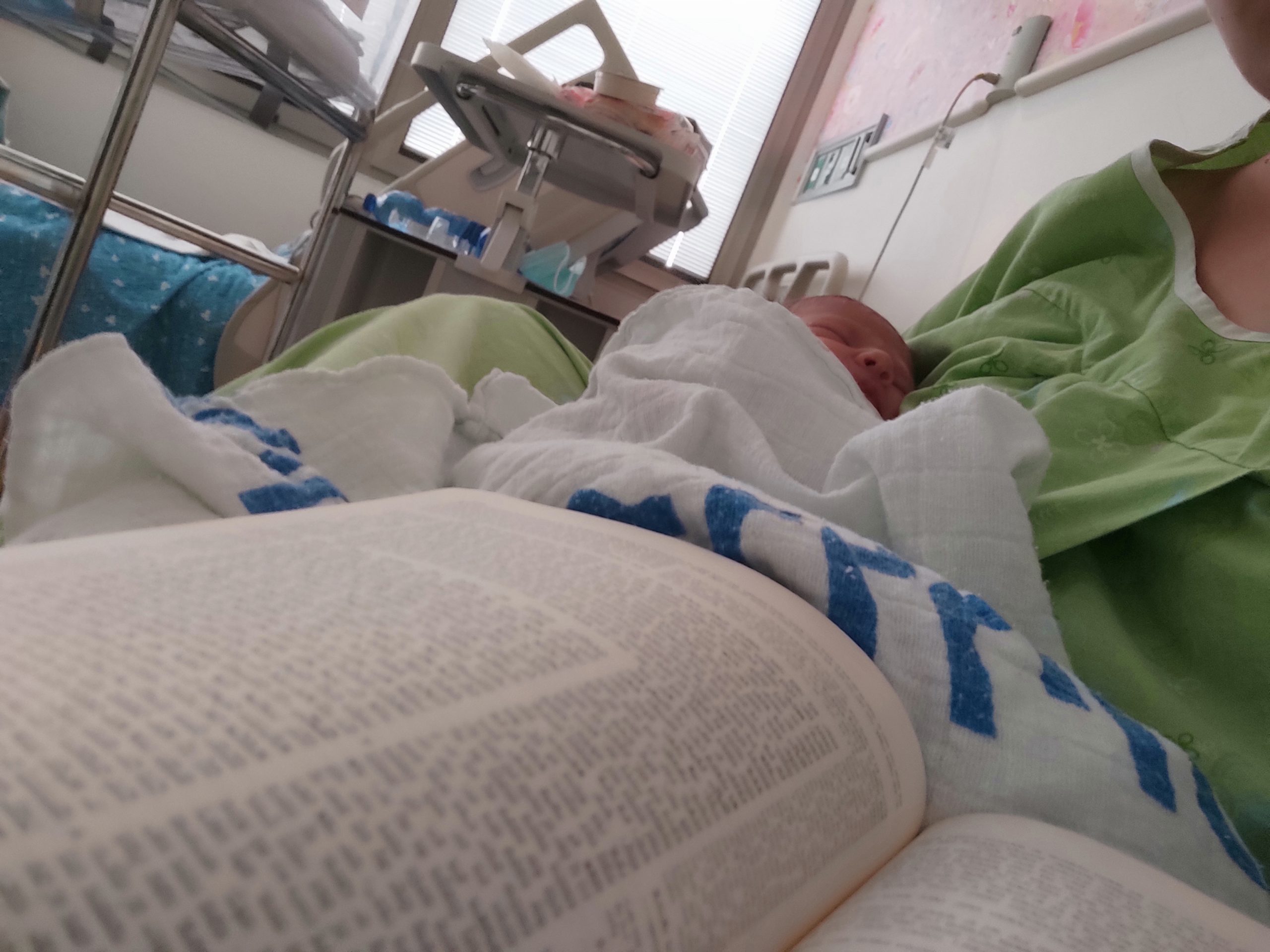
רבבה, ישראל
לפני 15 שנה, אחרי עשרות שנים של "ג’ינגול” בין משפחה לקריירה תובענית בהייטק, הצטרפתי לשיעורי גמרא במתן רעננה. הלימוד המעמיק והייחודי של הרבנית אושרה קורן יחד עם קבוצת הנשים המגוונת הייתה חוויה מאלפת ומעשירה. לפני כשמונה שנים כאשר מחזור הדף היומי הגיע למסכת תענית הצטרפתי כ”חברותא” לבעלי. זו השעה היומית שלנו ביחד כאשר דפי הגמרא משתלבים בחיי היום יום, משפיעים ומושפעים, וכשלא מספיקים תמיד משלימים בשבת

רעננה, ישראל
התחלתי ללמוד לפני 4.5 שנים, כשהודיה חברה שלי פתחה קבוצת ווטסאפ ללימוד דף יומי בתחילת מסכת סנהדרין. מאז לימוד הדף נכנס לתוך היום-יום שלי והפך לאחד ממגדירי הזהות שלי ממש.

ירושלים, ישראל
התחלתי ללמוד דף יומי בתחילת מסכת ברכות, עוד לא ידעתי כלום. נחשפתי לסיום הש״ס, ובעצם להתחלה מחדש בתקשורת, הפתיע אותי לטובה שהיה מקום לעיסוק בתורה.
את המסכתות הראשונות למדתי, אבל לא סיימתי (חוץ מעירובין איכשהו). השנה כשהגעתי למדרשה, נכנסתי ללופ, ואני מצליחה להיות חלק, סיימתי עם החברותא שלי את כל המסכתות הקצרות, גם כשהיינו חולות קורונה ובבידודים, למדנו לבד, העיקר לא לצבור פער, ומחכות ליבמות 🙂

מזכרת בתיה, ישראל
A friend in the SF Bay Area said in Dec 2019 that she might start listening on her morning drive to work. I mentioned to my husband and we decided to try the Daf when it began in Jan 2020 as part of our preparing to make Aliyah in the summer.
ירושלים, Israel
התחלתי בסיום הש”ס, יצאתי באורות. נשברתי פעמיים, ובשתיהם הרבנית מישל עודדה להמשיך איפה שכולם בסבב ולהשלים כשאוכל, וכך עשיתי וכיום השלמתי הכל. מדהים אותי שאני לומדת כל יום קצת, אפילו בחדר הלידה, בבידוד או בחו”ל. לאט לאט יותר נינוחה בסוגיות. לא כולם מבינים את הרצון, בפרט כפמניסטית. חשה סיפוק גדול להכיר את המושגים וצורת החשיבה. החלום זה להמשיך ולהתמיד ובמקביל ללמוד איך מהסוגיות נוצרה והתפתחה ההלכה.
מודיעין, ישראל
התחלתי להשתתף בשיעור נשים פעם בשבוע, תכננתי ללמוד רק דפים בודדים, לא האמנתי שאצליח יותר מכך.
לאט לאט נשאבתי פנימה לעולם הלימוד .משתדלת ללמוד כל בוקר ומתחילה את היום בתחושה של מלאות ומתוך התכווננות נכונה יותר.
הלימוד של הדף היומי ממלא אותי בתחושה של חיבור עמוק לעם היהודי ולכל הלומדים בעבר ובהווה.

אפרת, ישראל
התחלתי ללמוד דף יומי לפני שנתיים, עם מסכת שבת. בהתחלה ההתמדה היתה קשה אבל בזכות הקורונה והסגרים הצלחתי להדביק את הפערים בשבתות הארוכות, לסיים את מסכת שבת ולהמשיך עם המסכתות הבאות. עכשיו אני מסיימת בהתרגשות רבה את מסכת חגיגה וסדר מועד ומחכה לסדר הבא!

מודיעין, ישראל
נדרים ע
אִם תִּמְצָא לוֹמַר הָא לָא אֲמַר לַהּ, אֲמַר לַהּ ״מוּפָר לִיכִי לְמָחָר״, מַהוּ? מִי אָמְרִינַן: לִמְחַר לָא מָצֵי מֵיפַר, דְּהָא קַיְּימֵיהּ לְנִדְרַיהּ הַיּוֹם, אוֹ דִלְמָא: כֵּיוָן דְּלָא אֲמַר לַהּ ״קַיָּים לִיכִי הַיּוֹם״, כִּי קָאָמַר לַהּ ״מוּפָר לִיכִי לְמָחָר״, מֵהַיּוֹם קָאָמַר.
If you say that since he did not explicitly say to her that the vow is nullified, this means that it remains in force, then if he said to her: It is nullified for you tomorrow, what is the halakha? Do we say that on the following day he cannot nullify it, as he has already ratified the vow today, in that he did not nullify it “on the day that he hears it” (Numbers 30:8)? Or perhaps, since he did not explicitly say to her: It is ratified for you today, then when he says to her: It is nullified for you tomorrow, he is actually saying that the nullification begins from today, so that the vow is nullified.
וְאִם תִּמְצָא לוֹמַר אֲפִילּוּ הָכִי, כֵּיוָן דְּקִיְּימוֹ הַיּוֹם — לִמְחַר כְּמַאן דְּאִיתֵיהּ דָּמֵי, אֲמַר לַהּ ״קַיָּים לִיכִי שָׁעָה״, מַהוּ? מִי אָמְרִינַן: כְּמַאן דַּאֲמַר לַהּ ״מוּפָר לִיכִי לְאַחַר שָׁעָה״ דָּמֵי, אוֹ דִלְמָא: הָא לָא אֲמַר לָהּ?
And if you say: Nevertheless, since he ratified it today, as he said that it is nullified only tomorrow, on the following day it is considered already in force and he cannot nullify it, then if he said to her: It is ratified for you for an hour, what is the halakha? Do we say that it is like one who said to her: It is nullified for you after an hour has passed? Or perhaps, since he did not say this to her explicitly, it is not nullified?
אִם תִּמְצָא לוֹמַר הָא לָא אֲמַר לַהּ, מִיהוּ אֲמַר לַהּ, מַאי? מִי אָמְרִינַן: כֵּיוָן דְּקִיְּימוֹ קִיְּימוֹ, אוֹ דִלְמָא: כֵּיוָן דְּכוּלֵּיהּ יוֹמָא בַּר הֲקָמָה וּבַר הֲפָרָה הוּא, כִּי אָמַר ״מוּפָר לִיכִי לְאַחַר שָׁעָה״ מַהְנֵי?
If you say that since he did not say so to her explicitly, therefore the vow is not nullified after an hour, still, if he explicitly said to her that it is nullified after an hour, what is the halakha? Do we say that since he has ratified this vow, in that he explicitly withheld nullification for an hour, he has ratified it and can no longer nullify it? Or, perhaps since the entire day is valid for ratification and valid for nullification, when he says: It is nullified for you after an hour, it is effective.
תָּא שְׁמַע: ״הֲרֵינִי נְזִירָה״, וְשָׁמַע בַּעְלָהּ וְאָמַר ״וַאֲנִי״ — אֵין יָכוֹל לְהָפֵר. וְאַמַּאי? נֵימָא ״וַאֲנִי״ דְּאָמַר הוּא עַל נַפְשֵׁיהּ דְּהָוֵי נָזִיר, אֲבָל ״הֲרֵינִי נְזִירָה״ דִּילַהּ, דְּשָׁעָה אַחַת קַיְּימָא, לְאַחַר שָׁעָה אִי בָּעֵי — לֵיפַר, אַמַּאי אֵין יָכוֹל לְהָפֵר? לָאו מִשּׁוּם דְּכֵיוָן שֶׁקִּיְּימוֹ — קִיְּימוֹ? לָא, קָסָבַר: כֹּל ״וַאֲנִי״ — כְּמַאן דְּאָמַר ״קַיָּים לִיכִי לְעוֹלָם״ דָּמֵי.
The Gemara cites a mishna (Nazir 20b) to resolve this last question: Come and hear: If a woman said: I am hereby a nazirite, and her husband heard her vow and said: And I, meaning that he intends to become a nazirite as well, he can no longer nullify his wife’s vow. And why not? Let us say that the words: And I, that he said referred to himself, that he should be a nazirite. But her vow of: I am hereby a nazirite, exists for one hour, i.e., the time until the husband took his own vow based on hers. After an hour, if he wants to nullify it, why can he not nullify it? Is it not because once he has ratified it by basing his vow on hers, even for one hour, he has ratified it permanently and can no longer nullify it? The Gemara rejects this suggestion. No, that is not the explanation. The tanna of that mishna holds that anyone who says the words: And I, in response to his wife’s vow, is like one who says: It is ratified for you forever. All the aforementioned questions are therefore left unresolved.
מַתְנִי׳ מֵת הָאָב — לֹא נִתְרוֹקְנָה רְשׁוּת לַבַּעַל. מֵת הַבַּעַל — נִתְרוֹקְנָה רְשׁוּת לָאָב. בָּזֶה יִפָּה כֹּחַ הָאָב מִכֹּחַ הַבַּעַל.
MISHNA: If the father of a betrothed young woman dies, his authority does not revert to the husband, and the husband cannot nullify the young woman’s vows by himself. However, if the husband dies, his authority reverts to the father, who can now nullify her vows on his own. In this matter, the power of the father is enhanced relative to the power of the husband.
בְּדָבָר אַחֵר יִפָּה כֹּחַ הַבַּעַל מִכֹּחַ הָאָב: שֶׁהַבַּעַל מֵפֵר בִּבְגָר, וְהָאָב אֵינוֹ מֵפֵר בִּבְגָר.
In another matter, the power of the husband is enhanced relative to the power of the father, as the husband nullifies vows during the woman’s adulthood, once they are fully married, whereas the father does not nullify her vows during her adulthood.
גְּמָ׳ מַאי טַעְמָא — דְּאָמַר קְרָא ״בִּנְעֻרֶיהָ בֵּית אָבִיהָ״.
GEMARA: What is the reason, i.e., what is the source for the fact that the authority over the young woman’s vows does not revert to the husband if her father dies? The source is that the verse states: “Being in her youth, in her father’s house” (Numbers 30:17). As long as she is a young woman “in her youth,” she is considered to be “in her father’s house” and under his jurisdiction, even if she is betrothed. Even if her father passes away, she is still considered to be in his house, and her betrothed does not assume authority over her vows.
מֵת הַבַּעַל נִתְרוֹקְנָה רְשׁוּת לָאָב מְנָלַן? אָמַר רַבָּה: דְּאָמַר קְרָא ״וְאִם הָיוֹ תִהְיֶה לְאִישׁ וּנְדָרֶיהָ עָלֶיהָ״ —
The Gemara asks: From where do we derive that if the husband died his authority reverts to the father? Rabba said: We derive it from the fact that the verse states: “And if she be [hayo tihyeh] to a husband, and her vows are upon her” (Numbers 30:7). The phrase hayo tihyeh is a doubled usage of the verb to be. The Gemara understands this as referring to two different instances of being betrothed to a man, e.g., the woman’s first betrothed dies and then she is betrothed to another man.
מַקִּישׁ קוֹדְמֵי הֲוָיָה שְׁנִיָּה לְקוֹדְמֵי הֲוָיָה רִאשׁוֹנָה. מָה קוֹדְמֵי הֲוָיָה רִאשׁוֹנָה — אָב מֵיפַר לְחוֹדֵיהּ, אַף קוֹדְמֵי הֲוָיָה שְׁנִיָּה — אָב מֵיפַר לְחוֹדֵיהּ.
This verse juxtaposes the vows preceding her second instance of being betrothed, i.e., those that she took after her first husband’s death but before her second betrothal, to those vows preceding her first instance of being betrothed. Just as with regard to the vows preceding her first instance of being betrothed, her father nullifies them on his own, so too, with regard to those vows preceding her second instance of being betrothed, her father nullifies them on his own.
אֵימָא הָנֵי מִילֵּי בִּנְדָרִים שֶׁלֹּא נִרְאוּ לָאָרוּס. אֲבָל בִּנְדָרִים שֶׁנִּרְאוּ לָאָרוּס — לָא מָצֵי מֵיפַר אָב!
The Gemara asks: Say that this halakha that the father nullifies vows on his own after the death of the betrothed applies only to vows that were not disclosed to the betrothed, i.e., those that he did not have the opportunity to either ratify or nullify, but with regard to vows that were disclosed to the betrothed, the father cannot nullify them on his own.
אִי בִּנְדָרִים שֶׁלֹּא נִרְאוּ לָאָרוּס — מִ״בִּנְעֻרֶיהָ בֵּית אָבִיהָ״ נָפְקָא.
The Gemara answers: If the verse is referring only to vows that were not disclosed to the betrothed, it would be unnecessary to teach that halakha, as that is derived from the words “being in her youth, in her father’s house” (Numbers 30:17). As long as the young woman is in her father’s house, even after the death of her betrothed, her father has the authority to nullify her vows.
בָּזֶה יִפָּה כֹּחַ הָאָב מִכֹּחַ הַבַּעַל כּוּ׳. הֵיכִי דָּמֵי?
§ The mishna states: In this matter, the power of the father is enhanced relative to the power of the husband. In another matter, the power of the husband is enhanced relative to the power of the father, as the husband nullifies vows during the woman’s adulthood, whereas the father does not nullify vows during her adulthood. The Gemara asks: What are the circumstances under which a husband can nullify his adult wife’s vows?
אִילֵּימָא שֶׁקִּידְּשָׁהּ כְּשֶׁהִיא נַעֲרָה, וּבָגְרָה. מִכְּדֵי מִיתָה מוֹצִיאָה, וּבַגְרוּת מוֹצִיאָה מֵרְשׁוּת אָב. מָה מִיתָה — לֹא נִתְרוֹקְנָה רְשׁוּת לַבַּעַל, אַף בַּגְרוּת — לֹא נִתְרוֹקְנָה רְשׁוּת לַבַּעַל!
If we say that the mishna is referring to a case where he betrothed her when she was a young woman, and she took a vow, and then she reached majority, that cannot be the halakha: After all, both the death of her father removes her from the father’s authority and attaining her majority removes her from the father’s authority, so the halakha in the two cases should be the same. Just as with the death of the father, his authority does not revert to the husband and the woman’s betrothed cannot nullify her vows on his own, so too, upon attaining majority the authority the father possessed when she was a young woman does not revert to the husband.
אֶלָּא שֶׁקִּידְּשָׁהּ כְּשֶׁהִיא בּוֹגֶרֶת — הָא תְּנֵינָא חֲדָא זִימְנָא: הַבּוֹגֶרֶת שֶׁשָּׁהֲתָה שְׁנֵים עָשָׂר חֹדֶשׁ?
Rather, it is referring to a case in which he betrothed her when she was a grown woman, and then she took a vow. The Gemara asks: Didn’t we already learn that on another occasion, in a later mishna that states (73b): With regard to a grown woman who waited twelve months after her betrothal and then requested that her betrothed marry her, Rabbi Eliezer says: Since her husband is already obligated to provide for her sustenance, as he is obligated to have married her by then, he can nullify her vows by himself, as if he were fully married to her.
הָא גוּפָא קַשְׁיָא: אָמְרַתְּ הַבּוֹגֶרֶת שֶׁשָּׁהֲתָה שְׁנֵים עָשָׂר חֹדֶשׁ, בְּבוֹגֶרֶת לְמָה לִי שְׁנֵים עָשָׂר חֹדֶשׁ? בּוֹגֶרֶת בִּשְׁלֹשִׁים יוֹם סַגִּי לַהּ! תָּנֵי: בּוֹגֶרֶת, וְשֶׁשָּׁהֲתָה שְׁנֵים עָשָׂר חֹדֶשׁ.
The Gemara explains the cited mishna: This cited mishna is itself difficult: You said that a grown woman who waited twelve months is entitled to support. With regard to a grown woman, why do I need a twelve-month waiting period before her betrothed is obligated to marry her? For a grown woman, thirty days suffice for her to prepare what she needs for her marriage after she is betrothed. The Gemara answers: The mishna should be revised. Teach the mishna: A grown woman who waited thirty days and a young woman who waited twelve months.
מִכׇּל מָקוֹם קַשְׁיָא! אִיבָּעֵית אֵימָא: הָכָא דַּוְקָא, וּבוֹגֶרֶת קָתָנֵי הָתָם מִשּׁוּם דְּבָעֵי אִיפְּלוֹגֵי רַבִּי אֱלִיעֶזֶר וְרַבָּנַן.
The Gemara returns to the question: In any case, the fact that the mishna here teaches a halakha that is addressed in a different mishna is difficult. The Gemara answers: If you wish, say that the mishna here is actually the primary source of this halakha, and the reference to a grown woman is taught there because it wants to present how Rabbi Eliezer and the Rabbis disagree.
אִיבָּעֵית אֵימָא: בּוֹגֶרֶת דַּוְקָא. וְאַיְּידֵי דְּנָסֵיב רֵישָׁא ״בָּזֶה״ — נָסֵיב סֵיפָא נָמֵי ״בָּזֶה״.
Alternatively, if you wish, say that the mishna that begins: A grown woman, is actually the source for this halakha. The mishna here repeats the halakha incidentally, since it needs to cite the first clause: In this matter the power of the father is enhanced relative to the power of the husband, therefore the mishna cites the latter clause as well, by writing: In this other matter, the power of the husband is enhanced relative to the power of the father.

