








האם הדעה של חכמים במשנה להתיר להכניס פקק לחלון אפילו אם זה לא קשור – בתנאי שהיה מתוקן מלפני שבת להיות פקק לחלון או האם הם מתירים בין אם תלוי בין אם אינו תלוי אבל צריך שיהיה קשור? רבי ירמיה מנסה להוכיח ממשנה בעניין נגר שנגרר, ורבי אבא מנסה להוכיח הבנתו מברייתא בעניין קנה שמשמש כמפתח. ר’ יוחנן פסק כרשב”ג בעניין הקנה שמשמש כמפתח, אך הגמרא מקשה על זה מדברי ר’ יוחנן במקום אחר. פוסקים כר’ אליעזר במשנתינו. רב עמרם מקשה על זה ממשנה אחרת. כיסוי כלי – האם צריך בית אחיזה כדי להתיר טלטולה? במה זה תלוי? האם יש הבדל בין כיסויים של כלים שונים? פרק שמונה עשר מתחיל עם דיון בפינוי חפצים מאוצר. כמה אפשר לטרוח בשבת? ואיזה דברים הם מוקצה ואי אפשר לטלטלם משם בשבת? למה המשנה נקטה לשון מוזרה של "ארבע וחמש” – אם חמש מותר, ודאי שגם ארבע?!
רוצה להקדיש לימוד?
שבת קכו
בֵּין קָשׁוּר בֵּין שֶׁאֵינוֹ קָשׁוּר, וְהוּא שֶׁמְּתוּקָּן.
Both if it is tied and if it is not tied it is permitted, and that is only if it is prepared for this purpose beforehand.
אֲמַר לֵיהּ רַבִּי יִרְמְיָה, וְלֵימָא מָר: בֵּין תָּלוּי וּבֵין שֶׁאֵינוֹ תָּלוּי, וְהוּא שֶׁקָּשׁוּר! דְּאָמַר רַבָּה בַּר בַּר חָנָה אָמַר רַבִּי יוֹחָנָן: כְּמַחֲלוֹקֶת כָּאן, כָּךְ מַחֲלוֹקֶת בַּנֶּגֶר הַנִּגְרָר. דִּתְנַן: נֶגֶר הַנִּגְרָר, נוֹעֲלִין בּוֹ בַּמִּקְדָּשׁ, אֲבָל לֹא בִּמְדִינָה. וְהַמּוּנָּח, כָּאן וְכָאן, אָסוּר. רַבִּי יְהוּדָה אוֹמֵר: הַמּוּנָּח בְּמִקְדָּשׁ וְהַנִּגְרָר בַּמְּדִינָה.
Rabbi Yirmeya said to Rabbi Abba: And let the Master say it in this way: Both if it is hanging and if it is not hanging, and that is only if it is tied, as Rabba bar bar Ḥana said that Rabbi Yoḥanan said: Like the dispute here with regard to the window shutter, so too is the dispute with regard to a bolt that was dragged, which refers to a pole that was stuck through a hole in the door and into the ground in order to hold the door in place. As we learned in a mishna: With regard to a bolt that is dragged, which is not a part of the door itself but is attached to it and is dragged on the ground, one locks with it in the Temple on Shabbat, because the rabbinic decrees are not in effect in the Temple, but not in the rest of the country outside the Temple. And a bolt that is placed alongside the door and not attached, here, in the Temple, and there, outside the Temple, it is prohibited to lock with it on Shabbat. Rabbi Yehuda says: One that was placed is permitted in the Temple and one that is dragged is permitted even in the rest of the country.
וְתַנְיָא: אֵיזֶהוּ נֶגֶר הַנִּגְרָר שֶׁנּוֹעֲלִין בּוֹ בַּמִּקְדָּשׁ אֲבָל לֹא בִּמְדִינָה? כׇּל שֶׁקָּשׁוּר וְתָלוּי וְרֹאשׁוֹ מַגִּיעַ לָאָרֶץ. רַבִּי יְהוּדָה אוֹמֵר: זֶה אַף בַּמְּדִינָה מוּתָּר. אֶלָּא אֵיזֶהוּ שֶׁבַּמְּדִינָה אָסוּר — כֹּל שֶׁאֵינוֹ לֹא קָשׁוּר וְלָא תָּלוּי, וְשׁוֹמְטוֹ וּמַנִּיחוֹ בְּקֶרֶן זָוִית.
And it was taught in a baraita: What is a bolt that is dragged that one locks with it in the Temple but not in the rest of the country? Any bolt that is tied and hangs from the door and one of its edges reaches the ground. Rabbi Yehuda says: That is permitted even in the rest of the country. Rather, what is prohibited in the rest of the country? Any bolt that is neither tied nor hung, and one removes it from the door and places it in a corner.
וְאָמַר רַבִּי יְהוֹשֻׁעַ בַּר אַבָּא מִשְּׁמֵיהּ דְּעוּלָּא: מַאן תַּנָּא נֶגֶר הַנִּגְרָר — רַבִּי אֱלִיעֶזֶר הִיא!
And Rabbi Yehoshua bar Abba said in the name of Ulla: Who is the tanna who taught the halakha of a bolt that is dragged? The tanna is Rabbi Eliezer, whose opinion in this case is identical to his opinion in the mishna with regard to the window shutter. It is certainly referring to a shutter that is attached. If it is not attached, Rabbi Eliezer holds that it is prohibited for use even in the Temple.
אֲמַר לֵיהּ: אֲנָא דַּאֲמַרִי כִּי הַאי תַּנָּא דְּתַנְיָא: קָנֶה שֶׁהִתְקִינוֹ בַּעַל הַבַּיִת לִהְיוֹת פּוֹתֵחַ וְנוֹעֵל בּוֹ, בִּזְמַן שֶׁקָּשׁוּר וְתָלוּי בַּפֶּתַח — פּוֹתֵחַ וְנוֹעֵל בּוֹ, אֵין קָשׁוּר וְתָלוּי — אֵין פּוֹתֵחַ וְנוֹעֵל בּוֹ. רַבָּן שִׁמְעוֹן בֶּן גַּמְלִיאֵל אוֹמֵר: מְתוּקָּן, אַף עַל פִּי שֶׁאֵינוֹ קָשׁוּר.
Rabbi Abba said to Rabbi Yirmeya: It is I who say that this case is in accordance with the opinion of this tanna, as it was taught in the Tosefta: With regard to a reed that the homeowner installed to open and lock the door with it like a bolt, when it is tied and hanging in the entrance, one may open and lock the door with it on Shabbat, and when it is not tied and hanging, one may not open and lock the door with it. Rabban Shimon ben Gamliel says: If it was prepared for that use, it is permitted to use it even if it is not tied. There is an opinion that holds that a bolt need not be attached, and preparation is sufficient to permit its use.
אָמַר רַב יְהוּדָה בַּר שִׁילַת אָמַר רַב אַסִּי אָמַר רַבִּי יוֹחָנָן: הֲלָכָה כְּרַבָּן שִׁמְעוֹן בֶּן גַּמְלִיאֵל.
Rav Yehuda bar Sheilat said that Rav Asi said that Rabbi Yoḥanan said: The halakha in this case is in accordance with the opinion of Rabban Shimon ben Gamliel.
וּמִי אָמַר רַבִּי יוֹחָנָן הָכִי? וְהָתְנַן: כׇּל כִּסּוּיֵי הַכֵּלִים
The Gemara asks: Did Rabbi Yoḥanan really say this? Didn’t we learn in the mishna: All covers of vessels
שֶׁיֵּשׁ לָהֶם בֵּית אֲחִיזָה נִיטָּלִין בַּשַּׁבָּת. וְאָמַר רַב יְהוּדָה בַּר שֵׁילָא אָמַר רַב אַסִּי אָמַר רַבִּי יוֹחָנָן: וְהוּא שֶׁיֵּשׁ תּוֹרַת כְּלִי עֲלֵיהֶן.
that have a handle may be moved on Shabbat. And Rav Yehuda bar Sheila said that Rav Asi said that Rabbi Yoḥanan said: And that is specifically when the status of a vessel applies to them, i.e., when the cover itself is suited for use as a vessel. This is contrary to the opinion of Rabban Shimon ben Gamliel, who holds that preparation alone is sufficient.
וְכִי תֵּימָא: הָכָא נָמֵי דְּאִיכָּא תּוֹרַת כְּלִי עָלָיו, וּמִי בָּעֵי רַבָּן שִׁמְעוֹן בֶּן גַּמְלִיאֵל תּוֹרַת כְּלִי עָלָיו? וְהָתַנְיָא: חֲרִיּוֹת שֶׁל דֶּקֶל שֶׁגְּדָרָן לְשֵׁם עֵצִים, וְנִמְלַךְ עֲלֵיהֶן לִישִׁיבָה — צָרִיךְ לְקַשֵּׁר. רַבָּן שִׁמְעוֹן בֶּן גַּמְלִיאֵל אוֹמֵר: אֵין צָרִיךְ לְקַשֵּׁר.
And if you say: Here, too, Rabban Shimon ben Gamliel is referring to a case where the status of a vessel applies to the reed, does Rabban Shimon ben Gamliel require that the status of a vessel apply to it? Wasn’t it taught in a baraita: With regard to hard branches of a palm tree that one cut for firewood or for construction and then he reconsidered their designation and decided to use them for sitting, he must tie the branches together on Shabbat eve so that they will not be set-aside. Rabban Shimon ben Gamliel says: He need not tie them together, and nevertheless, it is permitted to move them. Rabban Shimon ben Gamliel does not require that one render it a vessel. Thought is sufficient.
רַבִּי יוֹחָנָן סְבִירָא לֵיהּ כְּווֹתֵיהּ בַּחֲדָא וּפְלִיג עֲלֵיהּ בַּחֲדָא.
The Gemara answers: Rabbi Yoḥanan holds in accordance with the opinion of Rabban Shimon ben Gamliel in one matter and disagrees with him in one matter.
דְּרַשׁ רַבִּי יִצְחָק נַפָּחָא אַפִּתְחָא דְרֵישׁ גָּלוּתָא: הֲלָכָה כְּרַבִּי אֱלִיעֶזֶר. מֵתִיב רַב עַמְרָם: וּמִדִּבְרֵיהֶם לָמַדְנוּ שֶׁפּוֹקְקִין וּמוֹדְדִין וְקוֹשְׁרִין בְּשַׁבָּת!
Rabbi Yitzḥak taught at the entrance of the house of the Exilarch: The halakha is in accordance with the opinion of Rabbi Eliezer in the matter of a window shutter. Rav Amram raised an objection from that we learned explicitly in a mishna: And from their statements and their actions, we derived that one may seal a window, and measure, and tie a knot on Shabbat. Apparently, one may shutter the window under any circumstances, not only when the shutter was prepared for use, as Rabbi Eliezer said.
אֲמַר לֵיהּ [אַבָּיֵי]: מַאי דַּעְתָּיךְ — מִשּׁוּם דְּקָתָנֵי סְתָמָא, נֶגֶר הַנִּגְרָר נָמֵי סְתָמָא הִיא. וַאֲפִילּוּ הָכִי — מַעֲשֶׂה רַב.
Abaye said to Rav Amram: What is your opinion, that the proof is decisive because it was taught in the mishna unattributed and the halakha is in accordance with an unattributed mishna? The mishna with regard to a bolt that is dragged is also an unattributed mishna. The halakha should be in accordance with that mishna as well. The Gemara concludes: And even so, an action is greater. Even though the two mishnayot are of equal weight, since one of them not only cites an unattributed opinion but also relates an incident where the Sages shuttered a window, that source is decisive.
מַתְנִי׳ כׇּל כִּיסּוּיֵי הַכֵּלִים שֶׁיֵּשׁ לָהֶם בֵּית אֲחִיזָה — נִיטָּלִין בַּשַּׁבָּת. אָמַר רַבִּי יוֹסֵי: בַּמֶּה דְּבָרִים אֲמוּרִים — בְּכִיסּוּי קַרְקָעוֹת, אֲבָל בְּכִיסּוּי הַכֵּלִים — בֵּין כָּךְ וּבֵין כָּךְ נִיטָּלִין בַּשַּׁבָּת.
MISHNA: All covers of vessels that have a handle may be moved on Shabbat. Rabbi Yosei said: In what case is this statement said? In the case of a cover for the ground, i.e., the cover of a pit; however, with regard to covers of vessels, both in this case and in that case, even if they do not have handles, they may be moved on Shabbat.
גְּמָ׳ אָמַר רַב יְהוּדָה בַּר שֵׁילָא אָמַר רַבִּי אַסִּי אָמַר רַבִּי יוֹחָנָן: וְהוּא שֶׁיֵּשׁ תּוֹרַת כְּלִי עֲלֵיהֶן. דְּכוּלֵּי עָלְמָא כִּסּוּי קַרְקָעוֹת, אִם יֵשׁ לָהֶן בֵּית אֲחִיזָה — אִין, אִי לָא — לָא. כִּסּוּי הַכֵּלִים, אַף עַל גַּב דְּאֵין לָהֶם בֵּית אֲחִיזָה.
GEMARA: Rav Yehuda bar Sheila said that Rabbi Asi said that Rabbi Yoḥanan said: And this applies specifically when the status of a vessel applies to them and they are suited for some use. The Gemara adds: Everyone holds that with regard to a cover for the ground, if it has a handle, yes, it is permitted to move it, and if not, no, it is prohibited to move it; with regard to a cover of a vessel, even if it does not have a handle, it is permitted to move it.
כִּי פְּלִיגִי בְּכֵלִים דְּחַבְּרִינְהוּ בְּאַרְעָא. מָר סָבַר גָּזְרִינַן, וּמָר סָבַר לָא גָּזְרִינַן.
When they disagree in the mishna, it is with regard to vessels that one attached to the ground. This Sage, the first tanna, holds that we issue a decree according to which it is prohibited to move the cover of a vessel attached to the ground due to the concern that one will move a cover for the ground itself, and that Sage, Rabbi Yosei, holds that we do not issue a decree.
לִישָּׁנָא אַחֲרִינָא: כִּי פְּלִיגִי בְּכִיסּוּי תַּנּוּר, מָר מְדַמֵּי לֵיהּ לְכִיסּוּי קַרְקַע, וּמָר מְדַמֵּי לֵיהּ לְכִיסּוּי כֵּלִים.
Another version of this statement: When they disagree in the mishna, it is with regard to the cover of an oven; this Sage likens it to a cover for the ground, and this Sage likens it to a cover of a vessel.
הדרן עלך כל הכלים
מַתְנִי׳ מְפַנִּין אֲפִילּוּ אַרְבַּע וְחָמֵשׁ קוּפּוֹת שֶׁל תֶּבֶן וְשֶׁל תְּבוּאָה מִפְּנֵי הָאוֹרְחִים, וּמִפְּנֵי בִּטּוּל בֵּית הַמִּדְרָשׁ. אֲבָל לֹא אֶת הָאוֹצָר.
MISHNA: On Shabbat, one may move even four or five baskets of straw and baskets of produce, due to the guests, who require that place to sit, and due to suspension of Torah study in the study hall, where space is required to seat the students. However, one may not move these items to create space in the storeroom.
מְפַנִּין תְּרוּמָה טְהוֹרָה, וּדְמַאי, וּמַעֲשֵׂר רִאשׁוֹן שֶׁנִּיטְלָהּ תְּרוּמָתוֹ, וּמַעֲשֵׂר שֵׁנִי וְהֶקְדֵּשׁ שֶׁנִּפְדּוּ, וְהַתּוֹרְמוֹס הַיָּבֵשׁ מִפְּנֵי שֶׁהוּא מַאֲכָל לְעִזִּים.
One may move ritually pure teruma, although it may only be eaten by a priest; and doubtfully tithed produce [demai], which may not be eaten until tithes are separated from it due to concern that an am ha’aretz did not separate its tithes; and first tithe whose teruma of the tithe has already been taken and given to priests; and second tithe and consecrated items that were redeemed; and even dry lupine, which is not fit for consumption by a person, because it is goat food.
אֲבָל לֹא אֶת הַטֶּבֶל, וְלֹא אֶת מַעֲשֵׂר [רִאשׁוֹן] שֶׁלֹּא נִטְּלָה תְּרוּמָתוֹ, וְלֹא אֶת מַעֲשֵׂר שֵׁנִי וְהֶקְדֵּשׁ שֶׁלֹּא נִפְדּוּ, וְלֹא אֶת הַלּוּף, וְלָא אֶת הַחַרְדָּל. רַבִּי שִׁמְעוֹן בֶּן גַּמְלִיאֵל מַתִּיר בַּלּוּף, מִפְּנֵי שֶׁהוּא מַאֲכַל עוֹרְבִין.
However, one may neither move untithed produce, nor first tithe whose teruma has not been taken, nor second tithe and consecrated items that were not redeemed, nor raw arum and raw mustard, as all of these items are not fit for consumption and are therefore set aside. Rabban Shimon ben Gamliel permits moving in the case of arum because it is food for ravens.
חֲבִילֵי קַשׁ וַחֲבִילֵי עֵצִים וַחֲבִילֵי זְרָדִים, אִם הִתְקִינָן לְמַאֲכַל בְּהֵמָה — מְטַלְטְלִין אוֹתָן. וְאִם לָאו — אֵין מְטַלְטְלִין אוֹתָן.
With regard to bundles of straw, and bundles of wood, and bundles of twigs, if one prepared them on Shabbat eve for animal food, one may move them. And if not, one may not move them.
גְּמָ׳ הַשְׁתָּא חָמֵשׁ מְפַנִּין, אַרְבַּע מִיבַּעְיָא?!
GEMARA: The Gemara asks: Now that the mishna stated that one may move five baskets, is mentioning four baskets necessary?
אָמַר רַב חִסְדָּא: אַרְבַּע מֵחָמֵשׁ, (אִיכָּא דְאָמְרִי: אַרְבַּע מֵאוֹצָר קָטָן) וְחָמֵשׁ מֵאוֹצָר גָּדוֹל.
Rav Ḥisda said: The mishna means that one may move four out of five baskets, but not all of them. Some say: It is permitted to move four baskets from a small storeroom and five baskets from a large storeroom.
וּמַאי ״אֲבָל לֹא אֶת הָאוֹצָר״ — שֶׁלֹּא יַתְחִיל בָּאוֹצָר תְּחִלָּה, וּמַנִּי — רַבִּי יְהוּדָה הִיא, דְּאִית לֵיהּ מוּקְצֶה.
The Gemara asks: And what then is the meaning of: However, one may not move these items to create space in the storeroom? It means that one may not use the storeroom for the first time. If he has never taken supplies from this storeroom, he may not begin moving baskets from it. And whose opinion is cited in this mishna? It is the opinion of Rabbi Yehuda, who is of the opinion that this constitutes a prohibition of set-aside. The contents of a storeroom that was never used are set-aside.
וּשְׁמוּאֵל אָמַר: אַרְבַּע וְחָמֵשׁ
And Shmuel says: The difficulty in the mishna should be explained as a figure of speech: Four and five,
לעקוב 
חדשה בלימוד הגמרא?
זה הדף הראשון שלך? איזו התרגשות עצומה! יש לנו בדיוק את התכנים והכלים שיעזרו לך לעשות את הצעדים הראשונים ללמידה בקצב וברמה שלך, כך תוכלי להרגיש בנוח גם בתוך הסוגיות המורכבות ומאתגרות.
פסיפס הלומדות שלנו
גלי את קהילת הלומדות שלנו, מגוון נשים, רקעים וסיפורים. כולן חלק מתנועה ומסע מרגש ועוצמתי.
בתחילת הסבב הנוכחי של לימוד הדף היומי, נחשפתי לחגיגות המרגשות באירועי הסיום ברחבי העולם. והבטחתי לעצמי שבקרוב אצטרף גם למעגל הלומדות. הסבב התחיל כאשר הייתי בתחילת דרכי בתוכנית קרן אריאל להכשרת יועצות הלכה של נשמ”ת. לא הצלחתי להוסיף את ההתחייבות לדף היומי על הלימוד האינטנסיבי של תוכנית היועצות. בבוקר למחרת המבחן הסופי בנשמ”ת, התחלתי את לימוד הדף במסכת סוכה ומאז לא הפסקתי.

חנה שחם-רוזבי (ד”ר)
קרית גת, ישראל
שמעתי על הסיום הענק של הדף היומי ע”י נשים בבנייני האומה. רציתי גם.
החלטתי להצטרף. התחלתי ושיכנעתי את בעלי ועוד שתי חברות להצטרף. עכשיו יש לי לימוד משותף איתו בשבת ומפגש חודשי איתן בנושא (והתכתבויות תדירות על דברים מיוחדים שקראנו). הצטרפנו לקבוצות שונות בווטסאפ. אנחנו ממש נהנות. אני שומעת את השיעור מידי יום (בד”כ מהרב יוני גוטמן) וקוראת ומצטרפת לסיומים של הדרן. גם מקפידה על דף משלהן (ונהנית מאד).

ליאת סיטרון
אפרת, ישראל
. לא תמיד נהניתי מלימוד גמרא כילדה.,בל כהתבגרתי התחלתי לאהוב את זה שוב. התחלתי ללמוד מסכת סוטה בדף היומי לפני כחמש עשרה שנה ואז הפסקתי.הגעתי לסיום הגדול של הדרן לפני שנתיים וזה נתן לי השראה. והתחלתי ללמוד למשך כמה ימים ואז היתה לי פריצת דיסק והפסקתי…עד אלול השנה. אז התחלתי עם מסכת ביצה וב”ה אני מצליחה לעמוד בקצב. המשפחה מאוד תומכת בי ויש כמה שגם לומדים את זה במקביל. אני אוהבת שיש עוגן כל יום.

רבקה דרשן
בית שמש, ישראל
התחלתי ללמוד לפני 4.5 שנים, כשהודיה חברה שלי פתחה קבוצת ווטסאפ ללימוד דף יומי בתחילת מסכת סנהדרין. מאז לימוד הדף נכנס לתוך היום-יום שלי והפך לאחד ממגדירי הזהות שלי ממש.

קרן רוזנברג
ירושלים, ישראל
רציתי לקבל ידע בתחום שהרגשתי שהוא גדול וחשוב אך נעלם ממני. הלימוד מעניק אתגר וסיפוק ומעמיק את תחושת השייכות שלי לתורה וליהדות
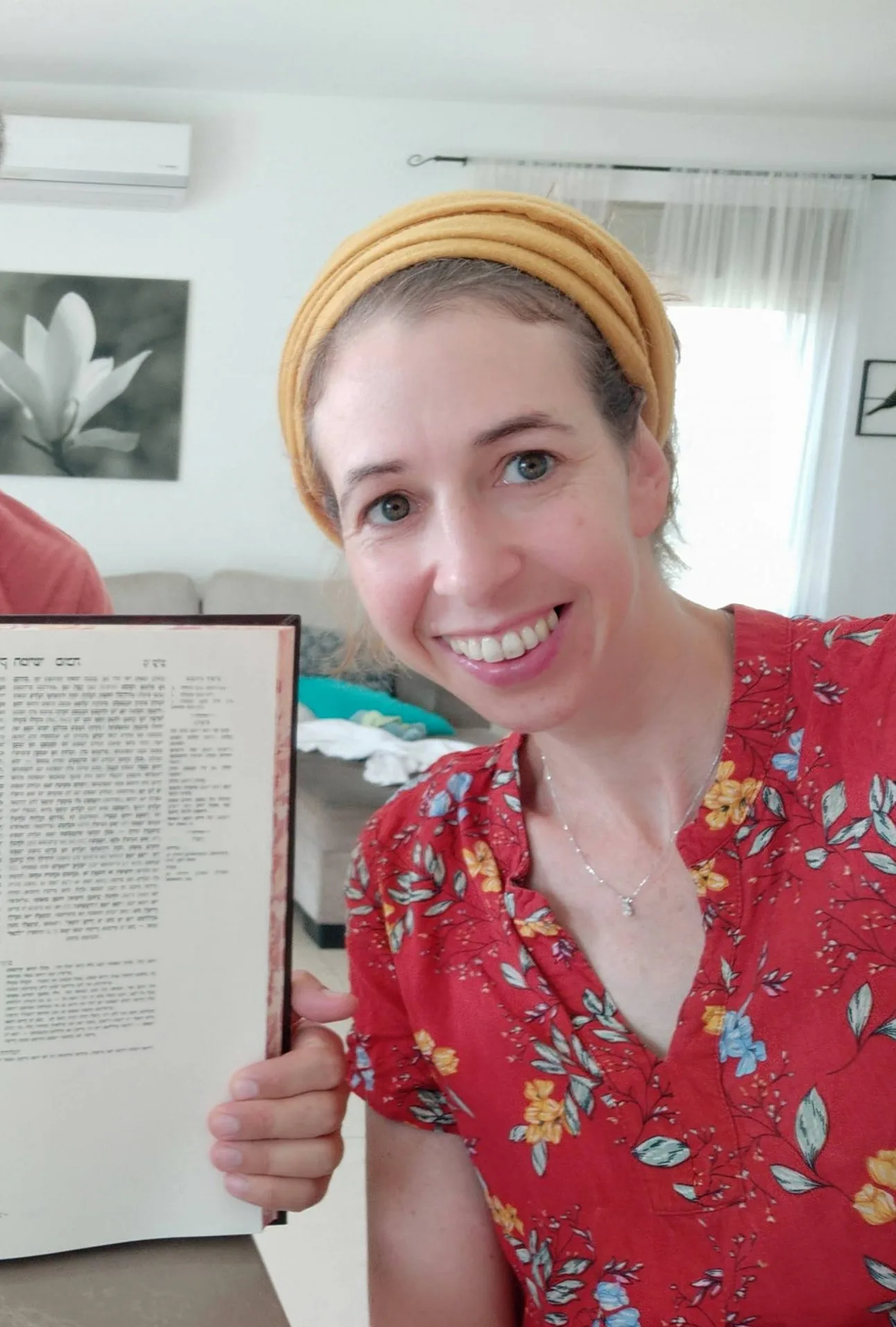
רות עגיב
עלי זהב – לשם, ישראל
התחלתי ללמוד גמרא בבית הספר בגיל צעיר והתאהבתי. המשכתי בכך כל חיי ואף היייתי מורה לגמרא בבית הספר שקד בשדה אליהו (בית הספר בו למדתי בילדותי)בתחילת מחזור דף יומי הנוכחי החלטתי להצטרף ובע”ה מקווה להתמיד ולהמשיך. אני אוהבת את המפגש עם הדף את "דרישות השלום ” שמקבלת מקשרים עם דפים אחרים שלמדתי את הסנכרון שמתחולל בין התכנים.

אריאלה ביגמן
מעלה גלבוע, ישראל
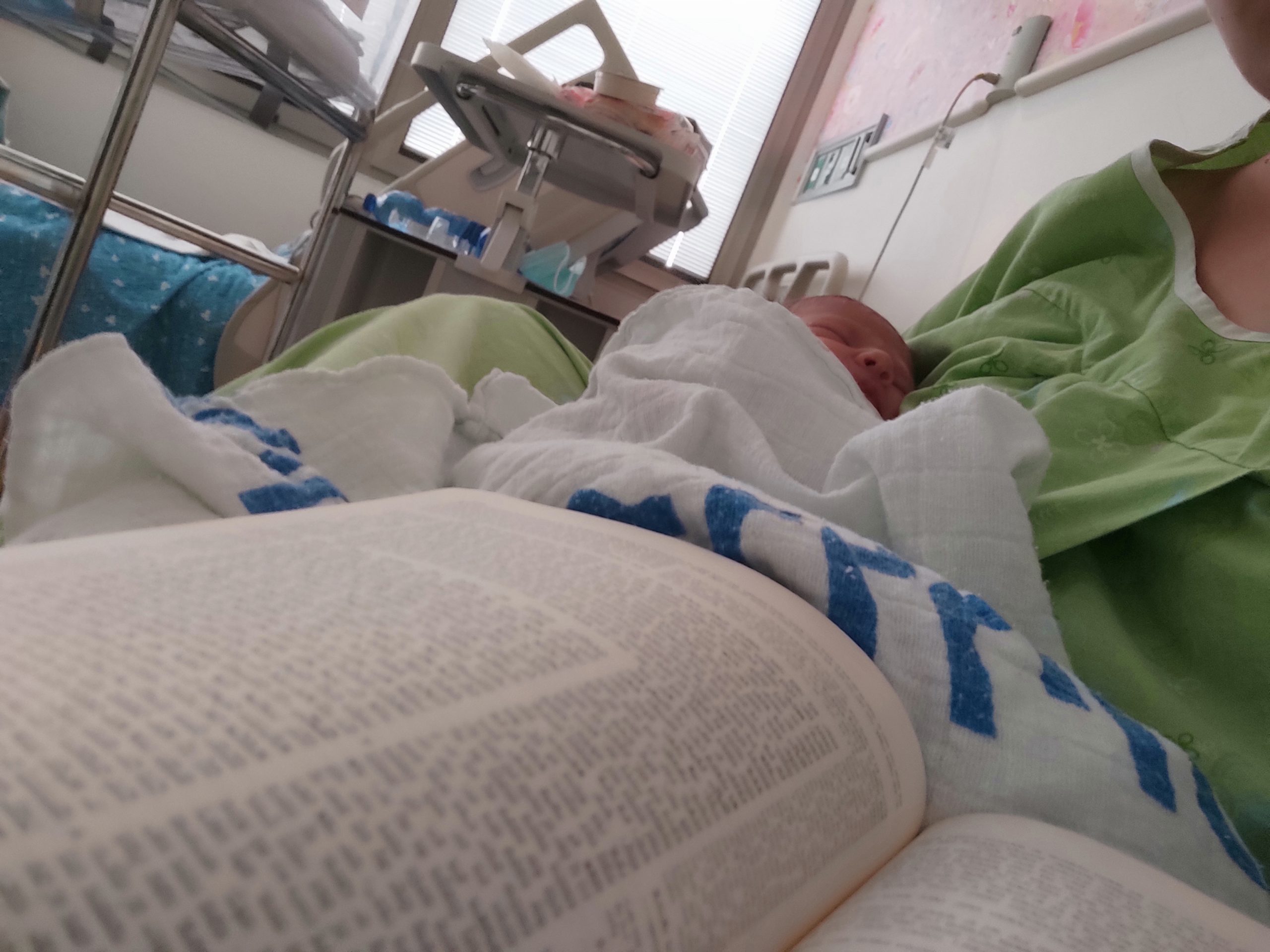
התחלתי בסיום הש”ס, יצאתי באורות. נשברתי פעמיים, ובשתיהם הרבנית מישל עודדה להמשיך איפה שכולם בסבב ולהשלים כשאוכל, וכך עשיתי וכיום השלמתי הכל. מדהים אותי שאני לומדת כל יום קצת, אפילו בחדר הלידה, בבידוד או בחו”ל. לאט לאט יותר נינוחה בסוגיות. לא כולם מבינים את הרצון, בפרט כפמניסטית. חשה סיפוק גדול להכיר את המושגים וצורת החשיבה. החלום זה להמשיך ולהתמיד ובמקביל ללמוד איך מהסוגיות נוצרה והתפתחה ההלכה.

קרן וינגרטן שרינגטון
מודיעין, ישראל
בתחילת הסבב הנוכחי הצטברו אצלי תחושות שאני לא מבינה מספיק מהי ההלכה אותה אני מקיימת בכל יום. כמו כן, כאמא לבנות רציתי לתת להן מודל נשי של לימוד תורה
שתי הסיבות האלו הובילו אותי להתחיל ללמוד. נתקלתי בתגובות מפרגנות וסקרניות איך אישה לומדת גמרא..
כמו שרואים בתמונה אני ממשיכה ללמוד גם היום ואפילו במחלקת יולדות אחרי לידת ביתי השלישית.
נועה שילה
רבבה, ישראל
בסוף הסבב הקודם ראיתי את השמחה הגדולה שבסיום הלימוד, בעלי סיים כבר בפעם השלישית וכמובן הסיום הנשי בבנייני האומה וחשבתי שאולי זו הזדמנות עבורי למשהו חדש.
למרות שאני שונה בסביבה שלי, מי ששומע על הלימוד שלי מפרגן מאוד.
אני מנסה ללמוד קצת בכל יום, גם אם לא את כל הדף ובסך הכל אני בדרך כלל עומדת בקצב.
הלימוד מעניק המון משמעות ליום יום ועושה סדר בלמוד תורה, שתמיד היה (ועדיין) שאיפה. אבל אין כמו קביעות

רחלי מנדלסון
טל מנשה, ישראל
התחלתי ללמוד דף יומי בתחילת מסכת ברכות, עוד לא ידעתי כלום. נחשפתי לסיום הש״ס, ובעצם להתחלה מחדש בתקשורת, הפתיע אותי לטובה שהיה מקום לעיסוק בתורה.
את המסכתות הראשונות למדתי, אבל לא סיימתי (חוץ מעירובין איכשהו). השנה כשהגעתי למדרשה, נכנסתי ללופ, ואני מצליחה להיות חלק, סיימתי עם החברותא שלי את כל המסכתות הקצרות, גם כשהיינו חולות קורונה ובבידודים, למדנו לבד, העיקר לא לצבור פער, ומחכות ליבמות 🙂

עדן ישורון
מזכרת בתיה, ישראל
בתחילת הסבב הנוכחי של לימוד הדף היומי, נחשפתי לחגיגות המרגשות באירועי הסיום ברחבי העולם. והבטחתי לעצמי שבקרוב אצטרף גם למעגל הלומדות. הסבב התחיל כאשר הייתי בתחילת דרכי בתוכנית קרן אריאל להכשרת יועצות הלכה של נשמ”ת. לא הצלחתי להוסיף את ההתחייבות לדף היומי על הלימוד האינטנסיבי של תוכנית היועצות. בבוקר למחרת המבחן הסופי בנשמ”ת, התחלתי את לימוד הדף במסכת סוכה ומאז לא הפסקתי.
חנה שחם-רוזבי (ד”ר)
קרית גת, ישראל
אני לומדת גמרא כעשור במסגרות שונות, ואת הדף היומי התחלתי כשחברה הציעה שאצטרף אליה לסיום בבנייני האומה. מאז אני לומדת עם פודקסט הדרן, משתדלת באופן יומי אך אם לא מספיקה, מדביקה פערים עד ערב שבת. בסבב הזה הלימוד הוא "ממעוף הציפור”, מקשיבה במהירות מוגברת תוך כדי פעילויות כמו בישול או נהיגה, וכך רוכשת היכרות עם הסוגיות ואופן ניתוחם על ידי חז”ל. בע”ה בסבב הבא, ואולי לפני, אצלול לתוכו באופן מעמיק יותר.

יעל ביר
רמת גן, ישראל
"
גם אני התחלתי בסבב הנוכחי וב””ה הצלחתי לסיים את רוב המסכתות . בזכות הרבנית מישל משתדלת לפתוח את היום בשיעור הזום בשעה 6:20 .הלימוד הפך להיות חלק משמעותי בחיי ויש ימים בהם אני מצליחה לחזור על הדף עם מלמדים נוספים ששיעוריהם נמצאים במרשתת. שמחה להיות חלק מקהילת לומדות ברחבי העולם. ובמיוחד לשמש דוגמה לנכדותיי שאי””ה יגדלו לדור שלימוד תורה לנשים יהיה משהו שבשגרה. "

רונית שביט
נתניה, ישראל
סיום השס לנשים נתן לי מוטביציה להתחיל ללמוד דף יומי. עד אז למדתי גמרא בשבתות ועשיתי כמה סיומים. אבל לימוד יומיומי זה שונה לגמרי ופתאום כל דבר שקורה בחיים מתקשר לדף היומי.

קרן פוגל
רתמים, ישראל
"התחלתי ללמוד דף יומי במחזור הזה, בח’ בטבת תש””ף. לקחתי על עצמי את הלימוד כדי ליצור תחום של התמדה יומיומית בחיים, והצטרפתי לקבוצת הלומדים בבית הכנסת בכפר אדומים. המשפחה והסביבה מתפעלים ותומכים.
בלימוד שלי אני מתפעלת בעיקר מכך שכדי ללמוד גמרא יש לדעת ולהכיר את כל הגמרא. זו מעין צבת בצבת עשויה שהיא עצומה בהיקפה.”

שרה פוּקס
כפר אדומים, ישראל
הייתי לפני שנתיים בסיום הדרן נשים בבנייני האומה והחלטתי להתחיל. אפילו רק כמה דפים, אולי רק פרק, אולי רק מסכת… בינתיים סיימתי רבע שס ותכף את כל סדר מועד בה.
הסביבה תומכת ומפרגנת. אני בת יחידה עם ארבעה אחים שכולם לומדים דף יומי. מדי פעם אנחנו עושים סיומים יחד באירועים משפחתיים. ממש מרגש. מסכת שבת סיימנו כולנו יחד עם אבא שלנו!
אני שומעת כל יום פודקאסט בהליכה או בנסיעה ואחכ לומדת את הגמרא.

עדנה גרוס
מרכז שפירא, ישראל
כבר סיפרתי בסיום של מועד קטן.
הלימוד מאוד משפיעה על היום שלי כי אני לומדת עם רבנית מישל על הבוקר בזום. זה נותן טון לכל היום – בסיס למחשבות שלי .זה זכות גדול להתחיל את היום בלימוד ובתפילה. תודה רבה !

שרה ברלוביץ
ירושלים, ישראל
התחלתי ללמוד לפני כשנתיים בשאיפה לסיים לראשונה מסכת אחת במהלך חופשת הלידה.
אחרי מסכת אחת כבר היה קשה להפסיק…

נעה גלנט
ירוחם, ישראל
התחלתי ללמוד דף יומי בסבב הקודם. זכיתי לסיים אותו במעמד המרגש של הדרן. בסבב הראשון ליווה אותי הספק, שאולי לא אצליח לעמוד בקצב ולהתמיד. בסבב השני אני לומדת ברוגע, מתוך אמונה ביכולתי ללמוד ולסיים. בסבב הלימוד הראשון ליוותה אותי חוויה מסויימת של בדידות. הדרן העניקה לי קהילת לימוד ואחוות נשים. החוויה של סיום הש”ס במעמד כה גדול כשנשים שאינן מכירות אותי, שמחות ומתרגשות עבורי , היתה חוויה מרוממת נפש

אילנית ווייל
קיבוץ מגדל עוז, ישראל
התחלתי ללמוד לפני 4.5 שנים, כשהודיה חברה שלי פתחה קבוצת ווטסאפ ללימוד דף יומי בתחילת מסכת סנהדרין. מאז לימוד הדף נכנס לתוך היום-יום שלי והפך לאחד ממגדירי הזהות שלי ממש.
קרן רוזנברג
ירושלים, ישראל
שבת קכו
בֵּין קָשׁוּר בֵּין שֶׁאֵינוֹ קָשׁוּר, וְהוּא שֶׁמְּתוּקָּן.
Both if it is tied and if it is not tied it is permitted, and that is only if it is prepared for this purpose beforehand.
אֲמַר לֵיהּ רַבִּי יִרְמְיָה, וְלֵימָא מָר: בֵּין תָּלוּי וּבֵין שֶׁאֵינוֹ תָּלוּי, וְהוּא שֶׁקָּשׁוּר! דְּאָמַר רַבָּה בַּר בַּר חָנָה אָמַר רַבִּי יוֹחָנָן: כְּמַחֲלוֹקֶת כָּאן, כָּךְ מַחֲלוֹקֶת בַּנֶּגֶר הַנִּגְרָר. דִּתְנַן: נֶגֶר הַנִּגְרָר, נוֹעֲלִין בּוֹ בַּמִּקְדָּשׁ, אֲבָל לֹא בִּמְדִינָה. וְהַמּוּנָּח, כָּאן וְכָאן, אָסוּר. רַבִּי יְהוּדָה אוֹמֵר: הַמּוּנָּח בְּמִקְדָּשׁ וְהַנִּגְרָר בַּמְּדִינָה.
Rabbi Yirmeya said to Rabbi Abba: And let the Master say it in this way: Both if it is hanging and if it is not hanging, and that is only if it is tied, as Rabba bar bar Ḥana said that Rabbi Yoḥanan said: Like the dispute here with regard to the window shutter, so too is the dispute with regard to a bolt that was dragged, which refers to a pole that was stuck through a hole in the door and into the ground in order to hold the door in place. As we learned in a mishna: With regard to a bolt that is dragged, which is not a part of the door itself but is attached to it and is dragged on the ground, one locks with it in the Temple on Shabbat, because the rabbinic decrees are not in effect in the Temple, but not in the rest of the country outside the Temple. And a bolt that is placed alongside the door and not attached, here, in the Temple, and there, outside the Temple, it is prohibited to lock with it on Shabbat. Rabbi Yehuda says: One that was placed is permitted in the Temple and one that is dragged is permitted even in the rest of the country.
וְתַנְיָא: אֵיזֶהוּ נֶגֶר הַנִּגְרָר שֶׁנּוֹעֲלִין בּוֹ בַּמִּקְדָּשׁ אֲבָל לֹא בִּמְדִינָה? כׇּל שֶׁקָּשׁוּר וְתָלוּי וְרֹאשׁוֹ מַגִּיעַ לָאָרֶץ. רַבִּי יְהוּדָה אוֹמֵר: זֶה אַף בַּמְּדִינָה מוּתָּר. אֶלָּא אֵיזֶהוּ שֶׁבַּמְּדִינָה אָסוּר — כֹּל שֶׁאֵינוֹ לֹא קָשׁוּר וְלָא תָּלוּי, וְשׁוֹמְטוֹ וּמַנִּיחוֹ בְּקֶרֶן זָוִית.
And it was taught in a baraita: What is a bolt that is dragged that one locks with it in the Temple but not in the rest of the country? Any bolt that is tied and hangs from the door and one of its edges reaches the ground. Rabbi Yehuda says: That is permitted even in the rest of the country. Rather, what is prohibited in the rest of the country? Any bolt that is neither tied nor hung, and one removes it from the door and places it in a corner.
וְאָמַר רַבִּי יְהוֹשֻׁעַ בַּר אַבָּא מִשְּׁמֵיהּ דְּעוּלָּא: מַאן תַּנָּא נֶגֶר הַנִּגְרָר — רַבִּי אֱלִיעֶזֶר הִיא!
And Rabbi Yehoshua bar Abba said in the name of Ulla: Who is the tanna who taught the halakha of a bolt that is dragged? The tanna is Rabbi Eliezer, whose opinion in this case is identical to his opinion in the mishna with regard to the window shutter. It is certainly referring to a shutter that is attached. If it is not attached, Rabbi Eliezer holds that it is prohibited for use even in the Temple.
אֲמַר לֵיהּ: אֲנָא דַּאֲמַרִי כִּי הַאי תַּנָּא דְּתַנְיָא: קָנֶה שֶׁהִתְקִינוֹ בַּעַל הַבַּיִת לִהְיוֹת פּוֹתֵחַ וְנוֹעֵל בּוֹ, בִּזְמַן שֶׁקָּשׁוּר וְתָלוּי בַּפֶּתַח — פּוֹתֵחַ וְנוֹעֵל בּוֹ, אֵין קָשׁוּר וְתָלוּי — אֵין פּוֹתֵחַ וְנוֹעֵל בּוֹ. רַבָּן שִׁמְעוֹן בֶּן גַּמְלִיאֵל אוֹמֵר: מְתוּקָּן, אַף עַל פִּי שֶׁאֵינוֹ קָשׁוּר.
Rabbi Abba said to Rabbi Yirmeya: It is I who say that this case is in accordance with the opinion of this tanna, as it was taught in the Tosefta: With regard to a reed that the homeowner installed to open and lock the door with it like a bolt, when it is tied and hanging in the entrance, one may open and lock the door with it on Shabbat, and when it is not tied and hanging, one may not open and lock the door with it. Rabban Shimon ben Gamliel says: If it was prepared for that use, it is permitted to use it even if it is not tied. There is an opinion that holds that a bolt need not be attached, and preparation is sufficient to permit its use.
אָמַר רַב יְהוּדָה בַּר שִׁילַת אָמַר רַב אַסִּי אָמַר רַבִּי יוֹחָנָן: הֲלָכָה כְּרַבָּן שִׁמְעוֹן בֶּן גַּמְלִיאֵל.
Rav Yehuda bar Sheilat said that Rav Asi said that Rabbi Yoḥanan said: The halakha in this case is in accordance with the opinion of Rabban Shimon ben Gamliel.
וּמִי אָמַר רַבִּי יוֹחָנָן הָכִי? וְהָתְנַן: כׇּל כִּסּוּיֵי הַכֵּלִים
The Gemara asks: Did Rabbi Yoḥanan really say this? Didn’t we learn in the mishna: All covers of vessels
שֶׁיֵּשׁ לָהֶם בֵּית אֲחִיזָה נִיטָּלִין בַּשַּׁבָּת. וְאָמַר רַב יְהוּדָה בַּר שֵׁילָא אָמַר רַב אַסִּי אָמַר רַבִּי יוֹחָנָן: וְהוּא שֶׁיֵּשׁ תּוֹרַת כְּלִי עֲלֵיהֶן.
that have a handle may be moved on Shabbat. And Rav Yehuda bar Sheila said that Rav Asi said that Rabbi Yoḥanan said: And that is specifically when the status of a vessel applies to them, i.e., when the cover itself is suited for use as a vessel. This is contrary to the opinion of Rabban Shimon ben Gamliel, who holds that preparation alone is sufficient.
וְכִי תֵּימָא: הָכָא נָמֵי דְּאִיכָּא תּוֹרַת כְּלִי עָלָיו, וּמִי בָּעֵי רַבָּן שִׁמְעוֹן בֶּן גַּמְלִיאֵל תּוֹרַת כְּלִי עָלָיו? וְהָתַנְיָא: חֲרִיּוֹת שֶׁל דֶּקֶל שֶׁגְּדָרָן לְשֵׁם עֵצִים, וְנִמְלַךְ עֲלֵיהֶן לִישִׁיבָה — צָרִיךְ לְקַשֵּׁר. רַבָּן שִׁמְעוֹן בֶּן גַּמְלִיאֵל אוֹמֵר: אֵין צָרִיךְ לְקַשֵּׁר.
And if you say: Here, too, Rabban Shimon ben Gamliel is referring to a case where the status of a vessel applies to the reed, does Rabban Shimon ben Gamliel require that the status of a vessel apply to it? Wasn’t it taught in a baraita: With regard to hard branches of a palm tree that one cut for firewood or for construction and then he reconsidered their designation and decided to use them for sitting, he must tie the branches together on Shabbat eve so that they will not be set-aside. Rabban Shimon ben Gamliel says: He need not tie them together, and nevertheless, it is permitted to move them. Rabban Shimon ben Gamliel does not require that one render it a vessel. Thought is sufficient.
רַבִּי יוֹחָנָן סְבִירָא לֵיהּ כְּווֹתֵיהּ בַּחֲדָא וּפְלִיג עֲלֵיהּ בַּחֲדָא.
The Gemara answers: Rabbi Yoḥanan holds in accordance with the opinion of Rabban Shimon ben Gamliel in one matter and disagrees with him in one matter.
דְּרַשׁ רַבִּי יִצְחָק נַפָּחָא אַפִּתְחָא דְרֵישׁ גָּלוּתָא: הֲלָכָה כְּרַבִּי אֱלִיעֶזֶר. מֵתִיב רַב עַמְרָם: וּמִדִּבְרֵיהֶם לָמַדְנוּ שֶׁפּוֹקְקִין וּמוֹדְדִין וְקוֹשְׁרִין בְּשַׁבָּת!
Rabbi Yitzḥak taught at the entrance of the house of the Exilarch: The halakha is in accordance with the opinion of Rabbi Eliezer in the matter of a window shutter. Rav Amram raised an objection from that we learned explicitly in a mishna: And from their statements and their actions, we derived that one may seal a window, and measure, and tie a knot on Shabbat. Apparently, one may shutter the window under any circumstances, not only when the shutter was prepared for use, as Rabbi Eliezer said.
אֲמַר לֵיהּ [אַבָּיֵי]: מַאי דַּעְתָּיךְ — מִשּׁוּם דְּקָתָנֵי סְתָמָא, נֶגֶר הַנִּגְרָר נָמֵי סְתָמָא הִיא. וַאֲפִילּוּ הָכִי — מַעֲשֶׂה רַב.
Abaye said to Rav Amram: What is your opinion, that the proof is decisive because it was taught in the mishna unattributed and the halakha is in accordance with an unattributed mishna? The mishna with regard to a bolt that is dragged is also an unattributed mishna. The halakha should be in accordance with that mishna as well. The Gemara concludes: And even so, an action is greater. Even though the two mishnayot are of equal weight, since one of them not only cites an unattributed opinion but also relates an incident where the Sages shuttered a window, that source is decisive.
מַתְנִי׳ כׇּל כִּיסּוּיֵי הַכֵּלִים שֶׁיֵּשׁ לָהֶם בֵּית אֲחִיזָה — נִיטָּלִין בַּשַּׁבָּת. אָמַר רַבִּי יוֹסֵי: בַּמֶּה דְּבָרִים אֲמוּרִים — בְּכִיסּוּי קַרְקָעוֹת, אֲבָל בְּכִיסּוּי הַכֵּלִים — בֵּין כָּךְ וּבֵין כָּךְ נִיטָּלִין בַּשַּׁבָּת.
MISHNA: All covers of vessels that have a handle may be moved on Shabbat. Rabbi Yosei said: In what case is this statement said? In the case of a cover for the ground, i.e., the cover of a pit; however, with regard to covers of vessels, both in this case and in that case, even if they do not have handles, they may be moved on Shabbat.
גְּמָ׳ אָמַר רַב יְהוּדָה בַּר שֵׁילָא אָמַר רַבִּי אַסִּי אָמַר רַבִּי יוֹחָנָן: וְהוּא שֶׁיֵּשׁ תּוֹרַת כְּלִי עֲלֵיהֶן. דְּכוּלֵּי עָלְמָא כִּסּוּי קַרְקָעוֹת, אִם יֵשׁ לָהֶן בֵּית אֲחִיזָה — אִין, אִי לָא — לָא. כִּסּוּי הַכֵּלִים, אַף עַל גַּב דְּאֵין לָהֶם בֵּית אֲחִיזָה.
GEMARA: Rav Yehuda bar Sheila said that Rabbi Asi said that Rabbi Yoḥanan said: And this applies specifically when the status of a vessel applies to them and they are suited for some use. The Gemara adds: Everyone holds that with regard to a cover for the ground, if it has a handle, yes, it is permitted to move it, and if not, no, it is prohibited to move it; with regard to a cover of a vessel, even if it does not have a handle, it is permitted to move it.
כִּי פְּלִיגִי בְּכֵלִים דְּחַבְּרִינְהוּ בְּאַרְעָא. מָר סָבַר גָּזְרִינַן, וּמָר סָבַר לָא גָּזְרִינַן.
When they disagree in the mishna, it is with regard to vessels that one attached to the ground. This Sage, the first tanna, holds that we issue a decree according to which it is prohibited to move the cover of a vessel attached to the ground due to the concern that one will move a cover for the ground itself, and that Sage, Rabbi Yosei, holds that we do not issue a decree.
לִישָּׁנָא אַחֲרִינָא: כִּי פְּלִיגִי בְּכִיסּוּי תַּנּוּר, מָר מְדַמֵּי לֵיהּ לְכִיסּוּי קַרְקַע, וּמָר מְדַמֵּי לֵיהּ לְכִיסּוּי כֵּלִים.
Another version of this statement: When they disagree in the mishna, it is with regard to the cover of an oven; this Sage likens it to a cover for the ground, and this Sage likens it to a cover of a vessel.
הדרן עלך כל הכלים
מַתְנִי׳ מְפַנִּין אֲפִילּוּ אַרְבַּע וְחָמֵשׁ קוּפּוֹת שֶׁל תֶּבֶן וְשֶׁל תְּבוּאָה מִפְּנֵי הָאוֹרְחִים, וּמִפְּנֵי בִּטּוּל בֵּית הַמִּדְרָשׁ. אֲבָל לֹא אֶת הָאוֹצָר.
MISHNA: On Shabbat, one may move even four or five baskets of straw and baskets of produce, due to the guests, who require that place to sit, and due to suspension of Torah study in the study hall, where space is required to seat the students. However, one may not move these items to create space in the storeroom.
מְפַנִּין תְּרוּמָה טְהוֹרָה, וּדְמַאי, וּמַעֲשֵׂר רִאשׁוֹן שֶׁנִּיטְלָהּ תְּרוּמָתוֹ, וּמַעֲשֵׂר שֵׁנִי וְהֶקְדֵּשׁ שֶׁנִּפְדּוּ, וְהַתּוֹרְמוֹס הַיָּבֵשׁ מִפְּנֵי שֶׁהוּא מַאֲכָל לְעִזִּים.
One may move ritually pure teruma, although it may only be eaten by a priest; and doubtfully tithed produce [demai], which may not be eaten until tithes are separated from it due to concern that an am ha’aretz did not separate its tithes; and first tithe whose teruma of the tithe has already been taken and given to priests; and second tithe and consecrated items that were redeemed; and even dry lupine, which is not fit for consumption by a person, because it is goat food.
אֲבָל לֹא אֶת הַטֶּבֶל, וְלֹא אֶת מַעֲשֵׂר [רִאשׁוֹן] שֶׁלֹּא נִטְּלָה תְּרוּמָתוֹ, וְלֹא אֶת מַעֲשֵׂר שֵׁנִי וְהֶקְדֵּשׁ שֶׁלֹּא נִפְדּוּ, וְלֹא אֶת הַלּוּף, וְלָא אֶת הַחַרְדָּל. רַבִּי שִׁמְעוֹן בֶּן גַּמְלִיאֵל מַתִּיר בַּלּוּף, מִפְּנֵי שֶׁהוּא מַאֲכַל עוֹרְבִין.
However, one may neither move untithed produce, nor first tithe whose teruma has not been taken, nor second tithe and consecrated items that were not redeemed, nor raw arum and raw mustard, as all of these items are not fit for consumption and are therefore set aside. Rabban Shimon ben Gamliel permits moving in the case of arum because it is food for ravens.
חֲבִילֵי קַשׁ וַחֲבִילֵי עֵצִים וַחֲבִילֵי זְרָדִים, אִם הִתְקִינָן לְמַאֲכַל בְּהֵמָה — מְטַלְטְלִין אוֹתָן. וְאִם לָאו — אֵין מְטַלְטְלִין אוֹתָן.
With regard to bundles of straw, and bundles of wood, and bundles of twigs, if one prepared them on Shabbat eve for animal food, one may move them. And if not, one may not move them.
גְּמָ׳ הַשְׁתָּא חָמֵשׁ מְפַנִּין, אַרְבַּע מִיבַּעְיָא?!
GEMARA: The Gemara asks: Now that the mishna stated that one may move five baskets, is mentioning four baskets necessary?
אָמַר רַב חִסְדָּא: אַרְבַּע מֵחָמֵשׁ, (אִיכָּא דְאָמְרִי: אַרְבַּע מֵאוֹצָר קָטָן) וְחָמֵשׁ מֵאוֹצָר גָּדוֹל.
Rav Ḥisda said: The mishna means that one may move four out of five baskets, but not all of them. Some say: It is permitted to move four baskets from a small storeroom and five baskets from a large storeroom.
וּמַאי ״אֲבָל לֹא אֶת הָאוֹצָר״ — שֶׁלֹּא יַתְחִיל בָּאוֹצָר תְּחִלָּה, וּמַנִּי — רַבִּי יְהוּדָה הִיא, דְּאִית לֵיהּ מוּקְצֶה.
The Gemara asks: And what then is the meaning of: However, one may not move these items to create space in the storeroom? It means that one may not use the storeroom for the first time. If he has never taken supplies from this storeroom, he may not begin moving baskets from it. And whose opinion is cited in this mishna? It is the opinion of Rabbi Yehuda, who is of the opinion that this constitutes a prohibition of set-aside. The contents of a storeroom that was never used are set-aside.
וּשְׁמוּאֵל אָמַר: אַרְבַּע וְחָמֵשׁ
And Shmuel says: The difficulty in the mishna should be explained as a figure of speech: Four and five,
לעקוב

