חיפוש

שבת לו

רוצה להקדיש לימוד?

English
עברית
podcast placeholder

0:00
0:00


podcast placeholder

0:00
0:00


תקציר

השיעור היום מוקדש לזכר נשמת הלין אילון ז”ל שנפטרה ביום שני, על ידי אחייניות שלה מינה פליג ונעמי פרזיגר. הלין היתה מהמובילות באומנית יהודית על ידי נשים. ואילו יכלה, היא היתה שמחה להצטרף להדרן וליהנות מלימוד הדף היומי.

איך אפשר לפשר בין המקורות התנאיים השונים בקשר לאיסור מוקצה בטלטול שופר וחצוצרה? המילים שופר וחצוצרה – משמעותן הוחלפה לאחר החרבן, כמוכן במילים אחרות. מה המשמעות ההלכתית של שינויים אלו? הפרק השלישי עוסק בדיני בישול בשבת. על איזה סוג של אש אפשר להשהות אוכל מלפני שבת? ועל איזה אפשר להחזיר בשבת? האם זה תלוי על סוג האוכל וכמה היה מבושל לפני שבת? הגמרא שואלת: האם המשנה מתייחסת לשהייה והחזרה או רק להחזרה?

שבת לו

לְתִינוֹק. בְּצִיבּוּר נָמֵי, חֲזֵי לְגַמֵּעַ לְתִינוֹק עָנִי? וְתוּ, הָא דְּתַנְיָא: כְּשֵׁם שֶׁמְּטַלְטְלִין אֶת הַשּׁוֹפָר כָּךְ מְטַלְטְלִין אֶת הַחֲצוֹצְרוֹת. מַנִּי? אֶלָּא לָא קַשְׁיָא: הָא רַבִּי יְהוּדָה, הָא רַבִּי שִׁמְעוֹן, הָא רַבִּי נְחֶמְיָה.

to a child. Because the mouth of a shofar is bent, one can pour a little water at a time. If so, a shofar belonging to the community is also suitable to feed water to a poor infant whose sustenance is provided by the community. And furthermore, that halakha which was taught in a baraita: Just as one may move the shofar, so too one may move the trumpets, is contrary to that which was taught previously that there is a difference between moving the shofar and moving the trumpet. In accordance with whose opinion is that baraita? Rather, this is not difficult, as it can be explained that these three baraitot correspond to the three opinions with regard to these halakhot. This baraita, which permits moving the shofar but not the trumpet, is in accordance with the opinion of Rabbi Yehuda, who holds that the laws of set-aside apply to these items on Shabbat and one may not move a utensil whose only function is prohibited. Since a trumpet has no permitted use on Shabbat, it may not be moved. On the other hand, one is permitted to move a shofar, which can be used to feed a child. And that baraita, which permits moving both a shofar and a trumpet, is in accordance with the opinion of Rabbi Shimon, who holds that the halakhot of set-aside do not apply to utensils of this kind on Shabbat. Whereas this other baraita, which prohibits moving both a shofar and a trumpet, is in accordance with the opinion of Rabbi Neḥemya, who holds that one may not use a utensil whose primary function is prohibited on Shabbat, even for a permissible purpose.

וּמַאי שׁוֹפָר — נָמֵי חֲצוֹצְרוֹת. כִּדְרַב חִסְדָּא. דְּאָמַר רַב חִסְדָּא: הָנֵי תְּלָת מִילֵּי אִישְׁתַּנִּי שְׁמַיְיהוּ מִכִּי חֲרַב בֵּית הַמִּקְדָּשׁ: ״חֲצוֹצַרְתָּא״ — ״שׁוֹפָרָא״, ״שׁוֹפָרָא״ — ״חֲצוֹצַרְתָּא״. לְמַאי נָפְקָא מִינָּה? לְשׁוֹפָר שֶׁל רֹאשׁ הַשָּׁנָה.

However, this explanation raises a slight difficulty with regard to the statement that one may move neither a shofar nor a trumpet. There was no need to mention the trumpet. If one may not move a shofar, certainly he may not move a trumpet. However, it can be explained as follows: What is the shofar mentioned in this baraita? It refers to trumpets, in accordance with the statement of Rav Ḥisda, as Rav Ḥisda said: These three objects, their names changed since the Holy Temple was destroyed. That which was called trumpet was called shofar in later generations, and that which was called shofar was called trumpet in later generations. The baraita that was cited employed the style that switches trumpet and shofar, and they were mentioned in that order. Incidentally, the Gemara asks: What is the practical halakhic difference whether a shofar is called shofar or trumpet? The Gemara answers: It is significant with regard to the halakhot of shofar of Rosh HaShana. On Rosh HaShana one fulfills his obligation only by sounding a shofar. If one comes today and asks what instrument he should use to sound the requisite blasts, he should be told to use a trumpet.

״עֲרָבָה״ — ״צַפְצָפָה״, ״צַפְצָפָה״ — ״עֲרָבָה״. לְמַאי נָפְקָא מִינָּה? לְלוּלָב.

The second object whose name was changed: That which was called willow [arava] was called in later generations tzaftzafa, and that which was called tzaftzafa was called willow. Here too the Gemara asks: What is the practical halakhic difference that emerges from the name change? The Gemara answers: With regard to the mitzva of the four species, referred to by the name of one of the species, as taking the palm branch, as one of the four species is a willow branch, not a tzaftzafa.

״פָּתוּרָה״ — ״פָּתוּרְתָּא״, ״פָּתוּרְתָּא״ — ״פָּתוּרָה״. לְמַאי נָפְקָא מִינָּה? לְמִקָּח וּמִמְכָּר.

The third item whose name was changed: That which was called petora, originally meaning a large table, was called in later generations petorata, and that which was called petorata, orginally meaning a small table, was called petora in later generations. The Gemara asks: What is the practical halakhic difference that emerges from the change of name? The Gemara answers: With regard to the laws of buying and selling. A person who orders a petora should know that he ordered a small table and not a large one.

אָמַר אַבָּיֵי, אַף אָנוּ נֹאמַר: ״הוּבְלִילָא״ — ״בֵּי כָסֵי״, ״בֵּי כָסֵי״ — ״הוּבְלִילָא״. לְמַאי נָפְקָא מִינָּה — לְמַחַט שֶׁנִּמְצֵאת בְּעוֹבִי בֵּית הַכּוֹסוֹת, דְּמִצַּד אֶחָד כְּשֵׁירָה, וּמִשְּׁנֵי צְדָדִים טְרֵיפָה.

Abaye said: We too shall speak and comment on changes in the meaning of terms in our generation. What was called huvlila, the first stomach of animals that chew their cud, is, in recent generations, called bei kasei, the name of the animal’s second stomach. Similarly, what was once called in the past bei kasei is called huvlila in recent generations. What is the practical halakhic difference that emerges from this change of names? With regard to a needle that is found in the thick wall of the second stomach. In the halakhot of tereifot, one is prohibited to eat animals with a life expectancy of less than a year. It was established that if a needle punctured the wall of the second stomach from only one side, the animal is kosher. If the needle penetrated through the wall in a manner visible from both sides, the animal assumes the halakhic status of a tereifa. In the first stomach, even if the needle penetrated only one side of the wall, the animal assumes the halakhic status of a tereifa. Therefore, it is crucial to distinguish between the first and the second stomachs.

אָמַר רַב אָשֵׁי, אַף אָנוּ נֹאמַר: ״בָּבֶל״ — ״בּוֹרְסִיף״, ״בּוֹרְסִיף״ — ״בָּבֶל״.

Rav Ashi said: We too shall speak of matters whose name changed over the generations. The city that, in biblical times, was called Babylon was called Bursif in later generations, and Bursif was called Babylon in later generations.

לְמַאי נָפְקָא מִינָּה — לְגִיטֵּי נָשִׁים.

What is the practical halakhic difference that emerges from this change of names? It is in the area of women’s bills of divorce. With regard to bills of divorce, special care is devoted to ensuring that the name of the place where the bill is written is not altered. Therefore, it is important to be aware that Babylon underwent a name change in later generations.


הדרן עלך במה מדליקין

מַתְנִי׳ כִּירָה שֶׁהִסִּיקוּהָ בְּקַשׁ וּבִגְבָבָא — נוֹתְנִים עָלֶיהָ תַּבְשִׁיל. בְּגֶפֶת וּבְעֵצִים — לֹא יִתֵּן עַד שֶׁיִּגְרוֹף, אוֹ עַד שֶׁיִּתֵּן אֶת הָאֵפֶר. בֵּית שַׁמַּאי אוֹמְרִים: חַמִּין, אֲבָל לֹא תַּבְשִׁיל. וּבֵית הִלֵּל אוֹמְרִים: חַמִּין וְתַבְשִׁיל. בֵּית שַׁמַּאי אוֹמְרִים: נוֹטְלִין, אֲבָל לֹא מַחֲזִירִין. וּבֵית הִלֵּל אוֹמְרִים: אַף מַחֲזִירִין.

MISHNA: With regard to a stove that was lit on Shabbat eve with straw or with rakings, scraps collected from the field, one may place a pot of cooked food atop it on Shabbat. The fire in this stove was certainly extinguished while it was still day, as both straw and rakings are materials that burn quickly. However, if the stove was lit with pomace, pulp that remains from sesame seeds, olives, and the like after the oil is squeezed from them, and if it was lit with wood, one may not place a pot atop it on Shabbat until he sweeps the coals from the stove while it is still day or until he places ashes on the coals, so that the fire will not ignite on Shabbat. Beit Shammai say: Even after one has swept away the coals, it is only permitted to place hot water on it, as it is sufficiently hot and does not require additional cooking, but not cooked food. Since, in general, one prefers that food will cook more, there is concern lest he come to ignite the fire by stoking the coals. And Beit Hillel say: Both hot water and cooked food may be placed. Beit Shammai say: One may remove a pot from the stove on Shabbat but may not return it. And Beit Hillel say: One may even return it.

גְּמָ׳ אִיבַּעְיָא לְהוּ: הַאי ״לֹא יִתֵּן״ — לֹא יַחֲזִיר הוּא, אֲבָל לְשַׁהוֹת — מְשַׁהִין, אַף עַל פִּי שֶׁאֵינוֹ גָּרוּף וְאֵינוֹ קָטוּם. וּמַנִּי — חֲנַנְיָה הִיא. דְּתַנְיָא, חֲנַנְיָה אוֹמֵר: כֹּל שֶׁהוּא כְּמַאֲכָל בֶּן דְּרוּסַאי — מוּתָּר לְשַׁהוֹתוֹ עַל גַּבֵּי כִּירָה, אַף עַל פִּי שֶׁאֵינוֹ גָּרוּף וְאֵינוֹ קָטוּם. אוֹ דִילְמָא — לְשַׁהוֹת תְּנַן, וְאִי גָרוּף וְקָטוּם — אֵין, אִי לָא — לָא, וְכָל שֶׁכֵּן לְהַחֲזִיר.

GEMARA: The students raised a dilemma with regard to the explanation of the mishna. That which we learned in the mishna: One may not place, does it mean that one may not return a pot that he took off the fire and wishes to return on Shabbat; however, to leave the pot from Shabbat eve into Shabbat, one may leave it even though this stove is not swept of its coals and its coals are not covered with ashes? And, according to this, whose opinion is it in this mishna? It is the opinion of Ḥananya. As it was taught in a baraita, Ḥananya says: Any food that has already been cooked to the extent of the food of ben Drosai, who would only cook his food the minimum amount necessary, one is permitted to leave it atop a stove on Shabbat even though the stove is not swept and not covered with ashes. Or perhaps, that which we learned in the mishna: One may not place, means one may not leave it on the fire from Shabbat eve. And if the coals in the stove were swept or covered with ashes, yes, one may leave the pot on the stove. And if not, no, one may not leave it, and all the more so one may not return it to the stove on Shabbat under any circumstances.

תָּא שְׁמַע מִדְּקָתָנֵי תְּרֵי בָבֵי בְּמַתְנִיתִין, בֵּית שַׁמַּאי אוֹמְרִים: חַמִּין אֲבָל לֹא תַּבְשִׁיל. וּבֵית הִלֵּל אוֹמְרִים חַמִּין וְתַבְשִׁיל. בֵּית שַׁמַּאי אוֹמְרִים: נוֹטְלִין אֲבָל לֹא מַחֲזִירִין, וּבֵית הִלֵּל אוֹמְרִים: אַף מַחֲזִירִין. אִי אָמְרַתְּ בִּשְׁלָמָא, לְשַׁהוֹת תְּנַן, הָכִי קָתָנֵי: כִּירָה שֶׁהִסִּיקוּהָ בְּקַשׁ וּבִגְבָבָא — מְשַׁהִין עָלֶיהָ תַּבְשִׁיל, בְּגֶפֶת וּבְעֵצִים — לֹא יְשַׁהֶא עַד שֶׁיִּגְרוֹף, אוֹ עַד שֶׁיִּתֵּן אֵפֶר. וּמָה הֵן מְשַׁהִין? — בֵּית שַׁמַּאי אוֹמְרִים: חַמִּין, אֲבָל לֹא תַּבְשִׁיל. וּבֵית הִלֵּל אוֹמְרִים: חַמִּין וְתַבְשִׁיל. וְכִי הֵיכִי דִּפְלִיגִי בִּלְשַׁהוֹת, פְּלִיגִי נָמֵי בִּלְהַחֲזִיר, שֶׁבֵּית שַׁמַּאי אוֹמְרִים: נוֹטְלִין, אֲבָל לֹא מַחֲזִירִין, וּבֵית הִלֵּל אוֹמְרִים: אַף מַחֲזִירִין.

In order to resolve this dilemma, the Gemara suggests: Come and hear a resolution to this from the fact that two sections were taught in our mishna. In the first, Beit Shammai say: Hot water but not cooked food. And Beit Hillel say: Both hot water and cooked food. And in the second, Beit Shammai say: One may remove it but may not return it. And Beit Hillel say: One may even return it. Granted, if you say that when we learned in the mishna that one may not place it means that it is prohibited to leave it; in that case, the mishna is teaching as follows: With regard to a stove that was lit with straw or with rakings, one may leave cooked food on it. If it was lit with pomace or with wood, one may not leave the cooked food on it until he sweeps the coals out while it is still day or until he places ashes on it. And what may they leave? Beit Shammai say: Hot water but not cooked food. And Beit Hillel say: One may leave both hot water and cooked food on it. And just as they disagree with regard to leaving a pot on the stove, so too, they disagree with regard to whether or not it is permitted to return it to the stove. As Beit Shammai say: One may take the pot from the stove on Shabbat but may not return it to the stove at all. And Beit Hillel say: One may even return it.

אֶלָּא אִי אָמְרַתְּ לְהַחֲזִיר תְּנַן, הָכִי קָתָנֵי: כִּירָה שֶׁהִסִּיקוּהָ בְּקַשׁ וּבִגְבָבָא — מַחֲזִירִין עָלֶיהָ תַּבְשִׁיל. בְּגֶפֶת וּבְעֵצִים — לֹא יַחֲזִיר עַד שֶׁיִּגְרוֹף אוֹ עַד שֶׁיִּתֵּן אֵפֶר. וּמָה הֵן מַחֲזִירִין? — בֵּית שַׁמַּאי אוֹמְרִים: חַמִּין, אֲבָל לֹא תַּבְשִׁיל. וּבֵית הִלֵּל אוֹמְרִים: חַמִּין וְתַבְשִׁיל. בֵּית שַׁמַּאי אוֹמְרִים: נוֹטְלִין אֲבָל לֹא מַחֲזִירִין. וּבֵית הִלֵּל אוֹמְרִים: אַף מַחֲזִירִין. הָא תּוּ לְמָה לִי?

However, if you say that when we learned in the mishna that one may not place, it means that it is prohibited to return it, then the mishna is teaching as follows: A stove that was lit with straw or with rakings, one may return cooked food onto it. If it was lit with pomace or with wood, one may not return cooked food to it until one sweeps the coals out while it is still day or until one places ashes on them. And what may they return? Beit Shammai say: Hot water but not cooked food. And Beit Hillel say: Both hot water and cooked food. Beit Shammai say: One may remove but may not return. And Beit Hillel say: One may even return. If in the first section the question of what may be returned was already addressed, why do I need this additional dispute in the second section? The gist of Beit Shammai’s statement that cooked food may not be returned to the stove is that one may remove but may not return. Apparently, the mishna can only be understood in accordance with the first explanation. The first clause discusses leaving and the latter clause discusses returning.

חדשה בלימוד הגמרא?

זה הדף הראשון שלך? איזו התרגשות עצומה! יש לנו בדיוק את התכנים והכלים שיעזרו לך לעשות את הצעדים הראשונים ללמידה בקצב וברמה שלך, כך תוכלי להרגיש בנוח גם בתוך הסוגיות המורכבות ומאתגרות.

פסיפס הלומדות שלנו

גלי את קהילת הלומדות שלנו, מגוון נשים, רקעים וסיפורים. כולן חלק מתנועה ומסע מרגש ועוצמתי.

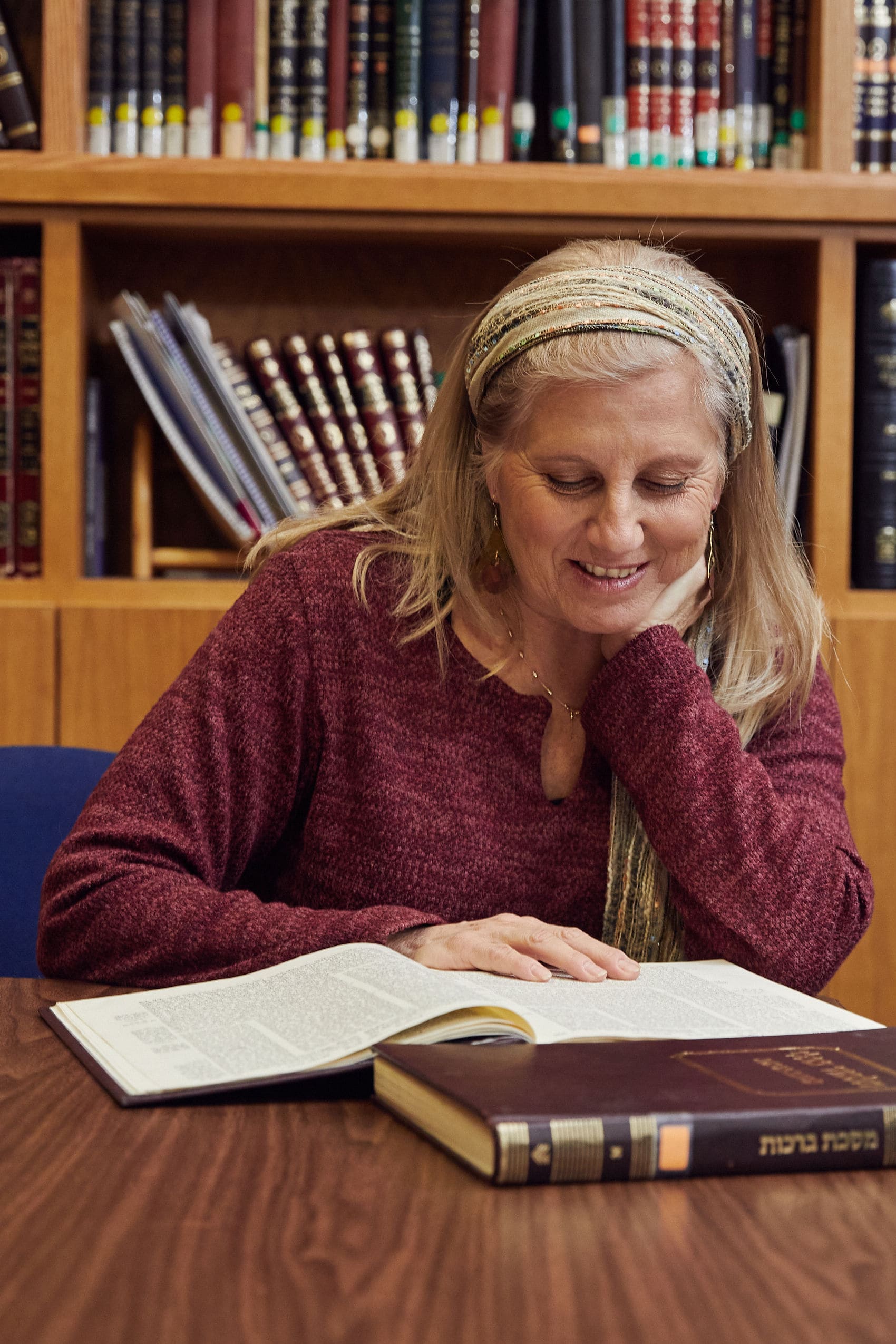
התחלתי ללמוד דף יומי כאשר קיבלתי במייל ממכון שטיינזלץ את הדפים הראשונים של מסכת ברכות במייל. קודם לא ידעתי איך לקרוא אותם עד שנתתי להם להדריך אותי. הסביבה שלי לא מודעת לעניין כי אני לא מדברת על כך בפומבי. למדתי מהדפים דברים חדשים, כמו הקשר בין המבנה של בית המקדש והמשכן לגופו של האדם (יומא מה, ע”א) והקשר שלו למשפט מפורסם שמופיע בספר ההינדי "בהגוד-גיתא”. מתברר שזה רעיון כלל עולמי ולא רק יהודי

Elena Arenburg
אלנה ארנבורג

נשר, ישראל

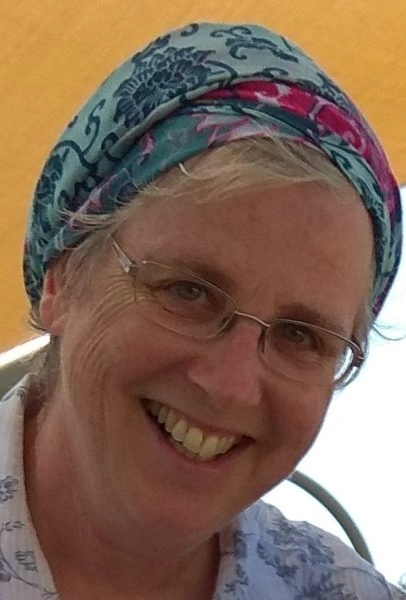
אחי, שלומד דף יומי ממסכת ברכות, חיפש חברותא ללימוד מסכת ראש השנה והציע לי. החברותא היתה מאתגרת טכנית ורוב הזמן נעשתה דרך הטלפון, כך שבסיום המסכת נפרדו דרכינו. אחי חזר ללמוד לבד, אבל אני כבר נכבשתי בקסם הגמרא ושכנעתי את האיש שלי להצטרף אלי למסכת ביצה. מאז המשכנו הלאה, ועכשיו אנחנו מתרגשים לקראתו של סדר נשים!

Shulamit Saban
שולמית סבן

נוקדים, ישראל

My explorations into Gemara started a few days into the present cycle. I binged learnt and become addicted. I’m fascinated by the rich "tapestry” of intertwined themes, connections between Masechtot, conversations between generations of Rabbanim and learners past and present all over the world. My life has acquired a golden thread, linking generations with our amazing heritage.
Thank you.

Susan Kasdan
סוזן כשדן

חשמונאים, Israel

התחלתי לפני 8 שנים במדרשה. לאחרונה סיימתי מסכת תענית בלמידה עצמית ועכשיו לקראת סיום מסכת מגילה.

Daniela Baruchim
דניאלה ברוכים

רעננה, ישראל

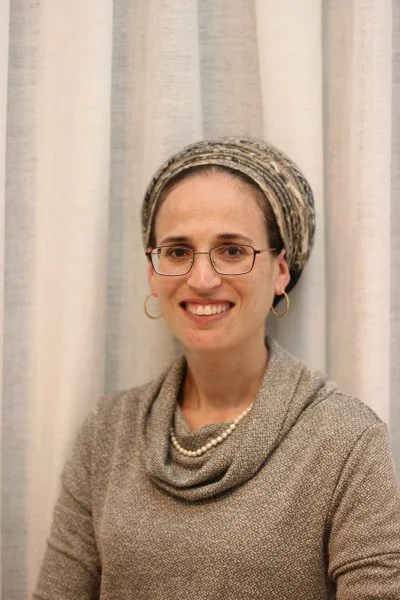
התחלתי ללמוד גמרא בבית הספר בגיל צעיר והתאהבתי. המשכתי בכך כל חיי ואף היייתי מורה לגמרא בבית הספר שקד בשדה אליהו (בית הספר בו למדתי בילדותי)בתחילת מחזור דף יומי הנוכחי החלטתי להצטרף ובע”ה מקווה להתמיד ולהמשיך. אני אוהבת את המפגש עם הדף את "דרישות השלום ” שמקבלת מקשרים עם דפים אחרים שלמדתי את הסנכרון שמתחולל בין התכנים.

Ariela Bigman
אריאלה ביגמן

מעלה גלבוע, ישראל

התחלתי מעט לפני תחילת הסבב הנוכחי. אני נהנית מהאתגר של להמשיך להתמיד, מרגעים של "אהה, מפה זה הגיע!” ומהאתגר האינטלקטואלי

Eilat-Chen and Deller
אילת-חן ודלר

לוד, ישראל

התחלתי ללמוד לפני 4.5 שנים, כשהודיה חברה שלי פתחה קבוצת ווטסאפ ללימוד דף יומי בתחילת מסכת סנהדרין. מאז לימוד הדף נכנס לתוך היום-יום שלי והפך לאחד ממגדירי הזהות שלי ממש.

Rosenberg Foundation
קרן רוזנברג

ירושלים, ישראל

כבר סיפרתי בסיום של מועד קטן.
הלימוד מאוד משפיעה על היום שלי כי אני לומדת עם רבנית מישל על הבוקר בזום. זה נותן טון לכל היום – בסיס למחשבות שלי .זה זכות גדול להתחיל את היום בלימוד ובתפילה. תודה רבה !

שרה-ברלוביץ
שרה ברלוביץ

ירושלים, ישראל

התחלתי להשתתף בשיעור נשים פעם בשבוע, תכננתי ללמוד רק דפים בודדים, לא האמנתי שאצליח יותר מכך.
לאט לאט נשאבתי פנימה לעולם הלימוד .משתדלת ללמוד כל בוקר ומתחילה את היום בתחושה של מלאות ומתוך התכווננות נכונה יותר.
הלימוד של הדף היומי ממלא אותי בתחושה של חיבור עמוק לעם היהודי ולכל הלומדים בעבר ובהווה.

Neely Hayon
נילי חיון

אפרת, ישראל

התחלתי ללמוד דף לפני קצת יותר מ-5 שנים, כשלמדתי רבנות בישיבת מהר”ת בניו יורק. בדיעבד, עד אז, הייתי בלימוד הגמרא שלי כמו מישהו שאוסף חרוזים משרשרת שהתפזרה, פה משהו ושם משהו, ומאז נפתח עולם ומלואו…. הדף נותן לי לימוד בצורה מאורגנת, שיטתית, יום-יומית, ומלמד אותי לא רק ידע אלא את השפה ודרך החשיבה שלנו. לשמחתי, יש לי סביבה תומכת וההרגשה שלי היא כמו בציטוט שבחרתי: הדף משפיע לטובה על כל היום שלי.

Michal Kahana
מיכל כהנא

חיפה, ישראל

התחלתי ללמוד דף יומי בתחילת מסכת ברכות, עוד לא ידעתי כלום. נחשפתי לסיום הש״ס, ובעצם להתחלה מחדש בתקשורת, הפתיע אותי לטובה שהיה מקום לעיסוק בתורה.
את המסכתות הראשונות למדתי, אבל לא סיימתי (חוץ מעירובין איכשהו). השנה כשהגעתי למדרשה, נכנסתי ללופ, ואני מצליחה להיות חלק, סיימתי עם החברותא שלי את כל המסכתות הקצרות, גם כשהיינו חולות קורונה ובבידודים, למדנו לבד, העיקר לא לצבור פער, ומחכות ליבמות 🙂

Eden Yeshuron
עדן ישורון

מזכרת בתיה, ישראל

התחלתי בסיום הש”ס, יצאתי באורות. נשברתי פעמיים, ובשתיהם הרבנית מישל עודדה להמשיך איפה שכולם בסבב ולהשלים כשאוכל, וכך עשיתי וכיום השלמתי הכל. מדהים אותי שאני לומדת כל יום קצת, אפילו בחדר הלידה, בבידוד או בחו”ל. לאט לאט יותר נינוחה בסוגיות. לא כולם מבינים את הרצון, בפרט כפמניסטית. חשה סיפוק גדול להכיר את המושגים וצורת החשיבה. החלום זה להמשיך ולהתמיד ובמקביל ללמוד איך מהסוגיות נוצרה והתפתחה ההלכה.

Weingarten Sherrington Foundation
קרן וינגרטן שרינגטון

מודיעין, ישראל

"התחלתי ללמוד דף יומי במחזור הזה, בח’ בטבת תש””ף. לקחתי על עצמי את הלימוד כדי ליצור תחום של התמדה יומיומית בחיים, והצטרפתי לקבוצת הלומדים בבית הכנסת בכפר אדומים. המשפחה והסביבה מתפעלים ותומכים.
בלימוד שלי אני מתפעלת בעיקר מכך שכדי ללמוד גמרא יש לדעת ולהכיר את כל הגמרא. זו מעין צבת בצבת עשויה שהיא עצומה בהיקפה.”

Sarah Fox
שרה פוּקס

כפר אדומים, ישראל

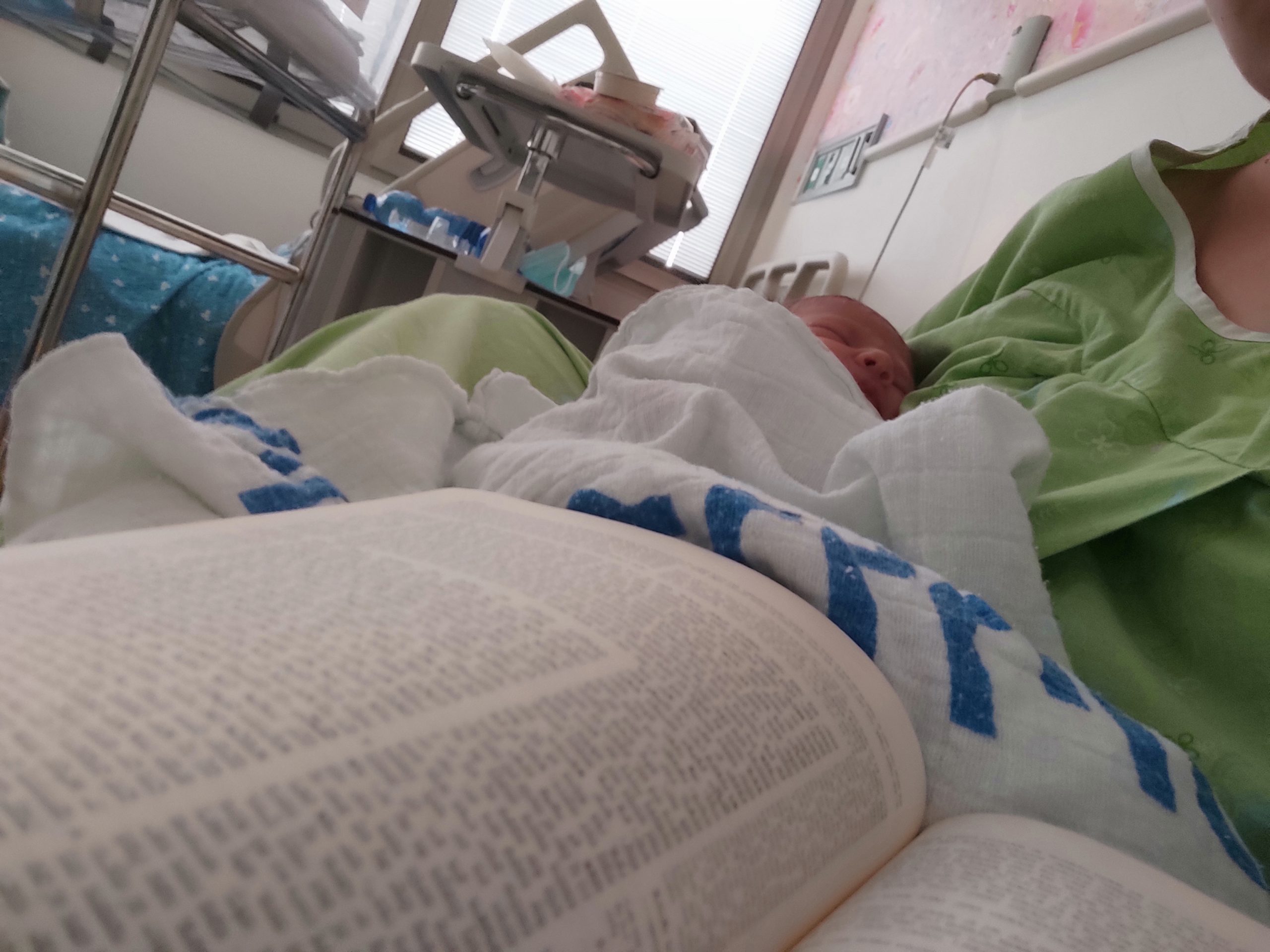
בתחילת הסבב הנוכחי הצטברו אצלי תחושות שאני לא מבינה מספיק מהי ההלכה אותה אני מקיימת בכל יום. כמו כן, כאמא לבנות רציתי לתת להן מודל נשי של לימוד תורה
שתי הסיבות האלו הובילו אותי להתחיל ללמוד. נתקלתי בתגובות מפרגנות וסקרניות איך אישה לומדת גמרא..
כמו שרואים בתמונה אני ממשיכה ללמוד גם היום ואפילו במחלקת יולדות אחרי לידת ביתי השלישית.

Noa Shiloh
נועה שילה

רבבה, ישראל

התחלתי ללמוד לפני כשנתיים בשאיפה לסיים לראשונה מסכת אחת במהלך חופשת הלידה.
אחרי מסכת אחת כבר היה קשה להפסיק…

Noa Gallant
נעה גלנט

ירוחם, ישראל

. לא תמיד נהניתי מלימוד גמרא כילדה.,בל כהתבגרתי התחלתי לאהוב את זה שוב. התחלתי ללמוד מסכת סוטה בדף היומי לפני כחמש עשרה שנה ואז הפסקתי.הגעתי לסיום הגדול של הדרן לפני שנתיים וזה נתן לי השראה. והתחלתי ללמוד למשך כמה ימים ואז היתה לי פריצת דיסק והפסקתי…עד אלול השנה. אז התחלתי עם מסכת ביצה וב”ה אני מצליחה לעמוד בקצב. המשפחה מאוד תומכת בי ויש כמה שגם לומדים את זה במקביל. אני אוהבת שיש עוגן כל יום.

Rebecca Darshan
רבקה דרשן

בית שמש, ישראל

בתחילת הסבב הנוכחי של לימוד הדף היומי, נחשפתי לחגיגות המרגשות באירועי הסיום ברחבי העולם. והבטחתי לעצמי שבקרוב אצטרף גם למעגל הלומדות. הסבב התחיל כאשר הייתי בתחילת דרכי בתוכנית קרן אריאל להכשרת יועצות הלכה של נשמ”ת. לא הצלחתי להוסיף את ההתחייבות לדף היומי על הלימוד האינטנסיבי של תוכנית היועצות. בבוקר למחרת המבחן הסופי בנשמ”ת, התחלתי את לימוד הדף במסכת סוכה ומאז לא הפסקתי.

Hana Shaham-Rozby (Dr.)
חנה שחם-רוזבי (ד”ר)

קרית גת, ישראל

התחלתי ללמוד את הדף היומי מעט אחרי שבני הקטן נולד. בהתחלה בשמיעה ולימוד באמצעות השיעור של הרבנית שפרבר. ובהמשך העזתי וקניתי לעצמי גמרא. מאז ממשיכה יום יום ללמוד עצמאית, ולפעמים בעזרת השיעור של הרבנית, כל יום. כל סיום של מסכת מביא לאושר גדול וסיפוק. הילדים בבית נהיו חלק מהלימוד, אני משתפת בסוגיות מעניינות ונהנית לשמוע את דעתם.

Eliraz Blau
אלירז בלאו

מעלה מכמש, ישראל

התחלתי ללמוד דף יומי אחרי שחזרתי בתשובה ולמדתי במדרשה במגדל עוז. הלימוד טוב ומספק חומר למחשבה על נושאים הלכתיים ”קטנים” ועד לערכים גדולים ביהדות. חשוב לי להכיר את הגמרא לעומק. והצעד הקטן היום הוא ללמוד אותה בבקיאות, בעזרת השם, ומי יודע אולי גם אגיע לעיון בנושאים מעניינים. נושאים בגמרא מתחברים לחגים, לתפילה, ליחסים שבין אדם לחברו ולמקום ולשאר הדברים שמלווים באורח חיים דתי 🙂

Gaia Divo
גאיה דיבו

מצפה יריחו, ישראל

התחלתי ללמוד בעידוד שתי חברות אתן למדתי בעבר את הפרק היומי במסגרת 929.
בבית מתלהבים מאוד ובשבת אני לומדת את הדף עם בעלי שזה מפתיע ומשמח מאוד! לימוד הדף הוא חלק בלתי נפרד מהיום שלי. לומדת בצהריים ומחכה לזמן הזה מידי יום…

Miriam Wengerover
מרים ונגרובר

אפרת, ישראל

שבת לו

לְתִינוֹק. בְּצִיבּוּר נָמֵי, חֲזֵי לְגַמֵּעַ לְתִינוֹק עָנִי? וְתוּ, הָא דְּתַנְיָא: כְּשֵׁם שֶׁמְּטַלְטְלִין אֶת הַשּׁוֹפָר כָּךְ מְטַלְטְלִין אֶת הַחֲצוֹצְרוֹת. מַנִּי? אֶלָּא לָא קַשְׁיָא: הָא רַבִּי יְהוּדָה, הָא רַבִּי שִׁמְעוֹן, הָא רַבִּי נְחֶמְיָה.

to a child. Because the mouth of a shofar is bent, one can pour a little water at a time. If so, a shofar belonging to the community is also suitable to feed water to a poor infant whose sustenance is provided by the community. And furthermore, that halakha which was taught in a baraita: Just as one may move the shofar, so too one may move the trumpets, is contrary to that which was taught previously that there is a difference between moving the shofar and moving the trumpet. In accordance with whose opinion is that baraita? Rather, this is not difficult, as it can be explained that these three baraitot correspond to the three opinions with regard to these halakhot. This baraita, which permits moving the shofar but not the trumpet, is in accordance with the opinion of Rabbi Yehuda, who holds that the laws of set-aside apply to these items on Shabbat and one may not move a utensil whose only function is prohibited. Since a trumpet has no permitted use on Shabbat, it may not be moved. On the other hand, one is permitted to move a shofar, which can be used to feed a child. And that baraita, which permits moving both a shofar and a trumpet, is in accordance with the opinion of Rabbi Shimon, who holds that the halakhot of set-aside do not apply to utensils of this kind on Shabbat. Whereas this other baraita, which prohibits moving both a shofar and a trumpet, is in accordance with the opinion of Rabbi Neḥemya, who holds that one may not use a utensil whose primary function is prohibited on Shabbat, even for a permissible purpose.

וּמַאי שׁוֹפָר — נָמֵי חֲצוֹצְרוֹת. כִּדְרַב חִסְדָּא. דְּאָמַר רַב חִסְדָּא: הָנֵי תְּלָת מִילֵּי אִישְׁתַּנִּי שְׁמַיְיהוּ מִכִּי חֲרַב בֵּית הַמִּקְדָּשׁ: ״חֲצוֹצַרְתָּא״ — ״שׁוֹפָרָא״, ״שׁוֹפָרָא״ — ״חֲצוֹצַרְתָּא״. לְמַאי נָפְקָא מִינָּה? לְשׁוֹפָר שֶׁל רֹאשׁ הַשָּׁנָה.

However, this explanation raises a slight difficulty with regard to the statement that one may move neither a shofar nor a trumpet. There was no need to mention the trumpet. If one may not move a shofar, certainly he may not move a trumpet. However, it can be explained as follows: What is the shofar mentioned in this baraita? It refers to trumpets, in accordance with the statement of Rav Ḥisda, as Rav Ḥisda said: These three objects, their names changed since the Holy Temple was destroyed. That which was called trumpet was called shofar in later generations, and that which was called shofar was called trumpet in later generations. The baraita that was cited employed the style that switches trumpet and shofar, and they were mentioned in that order. Incidentally, the Gemara asks: What is the practical halakhic difference whether a shofar is called shofar or trumpet? The Gemara answers: It is significant with regard to the halakhot of shofar of Rosh HaShana. On Rosh HaShana one fulfills his obligation only by sounding a shofar. If one comes today and asks what instrument he should use to sound the requisite blasts, he should be told to use a trumpet.

״עֲרָבָה״ — ״צַפְצָפָה״, ״צַפְצָפָה״ — ״עֲרָבָה״. לְמַאי נָפְקָא מִינָּה? לְלוּלָב.

The second object whose name was changed: That which was called willow [arava] was called in later generations tzaftzafa, and that which was called tzaftzafa was called willow. Here too the Gemara asks: What is the practical halakhic difference that emerges from the name change? The Gemara answers: With regard to the mitzva of the four species, referred to by the name of one of the species, as taking the palm branch, as one of the four species is a willow branch, not a tzaftzafa.

״פָּתוּרָה״ — ״פָּתוּרְתָּא״, ״פָּתוּרְתָּא״ — ״פָּתוּרָה״. לְמַאי נָפְקָא מִינָּה? לְמִקָּח וּמִמְכָּר.

The third item whose name was changed: That which was called petora, originally meaning a large table, was called in later generations petorata, and that which was called petorata, orginally meaning a small table, was called petora in later generations. The Gemara asks: What is the practical halakhic difference that emerges from the change of name? The Gemara answers: With regard to the laws of buying and selling. A person who orders a petora should know that he ordered a small table and not a large one.

אָמַר אַבָּיֵי, אַף אָנוּ נֹאמַר: ״הוּבְלִילָא״ — ״בֵּי כָסֵי״, ״בֵּי כָסֵי״ — ״הוּבְלִילָא״. לְמַאי נָפְקָא מִינָּה — לְמַחַט שֶׁנִּמְצֵאת בְּעוֹבִי בֵּית הַכּוֹסוֹת, דְּמִצַּד אֶחָד כְּשֵׁירָה, וּמִשְּׁנֵי צְדָדִים טְרֵיפָה.

Abaye said: We too shall speak and comment on changes in the meaning of terms in our generation. What was called huvlila, the first stomach of animals that chew their cud, is, in recent generations, called bei kasei, the name of the animal’s second stomach. Similarly, what was once called in the past bei kasei is called huvlila in recent generations. What is the practical halakhic difference that emerges from this change of names? With regard to a needle that is found in the thick wall of the second stomach. In the halakhot of tereifot, one is prohibited to eat animals with a life expectancy of less than a year. It was established that if a needle punctured the wall of the second stomach from only one side, the animal is kosher. If the needle penetrated through the wall in a manner visible from both sides, the animal assumes the halakhic status of a tereifa. In the first stomach, even if the needle penetrated only one side of the wall, the animal assumes the halakhic status of a tereifa. Therefore, it is crucial to distinguish between the first and the second stomachs.

אָמַר רַב אָשֵׁי, אַף אָנוּ נֹאמַר: ״בָּבֶל״ — ״בּוֹרְסִיף״, ״בּוֹרְסִיף״ — ״בָּבֶל״.

Rav Ashi said: We too shall speak of matters whose name changed over the generations. The city that, in biblical times, was called Babylon was called Bursif in later generations, and Bursif was called Babylon in later generations.

לְמַאי נָפְקָא מִינָּה — לְגִיטֵּי נָשִׁים.

What is the practical halakhic difference that emerges from this change of names? It is in the area of women’s bills of divorce. With regard to bills of divorce, special care is devoted to ensuring that the name of the place where the bill is written is not altered. Therefore, it is important to be aware that Babylon underwent a name change in later generations.

הדרן עלך במה מדליקין

מַתְנִי׳ כִּירָה שֶׁהִסִּיקוּהָ בְּקַשׁ וּבִגְבָבָא — נוֹתְנִים עָלֶיהָ תַּבְשִׁיל. בְּגֶפֶת וּבְעֵצִים — לֹא יִתֵּן עַד שֶׁיִּגְרוֹף, אוֹ עַד שֶׁיִּתֵּן אֶת הָאֵפֶר. בֵּית שַׁמַּאי אוֹמְרִים: חַמִּין, אֲבָל לֹא תַּבְשִׁיל. וּבֵית הִלֵּל אוֹמְרִים: חַמִּין וְתַבְשִׁיל. בֵּית שַׁמַּאי אוֹמְרִים: נוֹטְלִין, אֲבָל לֹא מַחֲזִירִין. וּבֵית הִלֵּל אוֹמְרִים: אַף מַחֲזִירִין.

MISHNA: With regard to a stove that was lit on Shabbat eve with straw or with rakings, scraps collected from the field, one may place a pot of cooked food atop it on Shabbat. The fire in this stove was certainly extinguished while it was still day, as both straw and rakings are materials that burn quickly. However, if the stove was lit with pomace, pulp that remains from sesame seeds, olives, and the like after the oil is squeezed from them, and if it was lit with wood, one may not place a pot atop it on Shabbat until he sweeps the coals from the stove while it is still day or until he places ashes on the coals, so that the fire will not ignite on Shabbat. Beit Shammai say: Even after one has swept away the coals, it is only permitted to place hot water on it, as it is sufficiently hot and does not require additional cooking, but not cooked food. Since, in general, one prefers that food will cook more, there is concern lest he come to ignite the fire by stoking the coals. And Beit Hillel say: Both hot water and cooked food may be placed. Beit Shammai say: One may remove a pot from the stove on Shabbat but may not return it. And Beit Hillel say: One may even return it.

גְּמָ׳ אִיבַּעְיָא לְהוּ: הַאי ״לֹא יִתֵּן״ — לֹא יַחֲזִיר הוּא, אֲבָל לְשַׁהוֹת — מְשַׁהִין, אַף עַל פִּי שֶׁאֵינוֹ גָּרוּף וְאֵינוֹ קָטוּם. וּמַנִּי — חֲנַנְיָה הִיא. דְּתַנְיָא, חֲנַנְיָה אוֹמֵר: כֹּל שֶׁהוּא כְּמַאֲכָל בֶּן דְּרוּסַאי — מוּתָּר לְשַׁהוֹתוֹ עַל גַּבֵּי כִּירָה, אַף עַל פִּי שֶׁאֵינוֹ גָּרוּף וְאֵינוֹ קָטוּם. אוֹ דִילְמָא — לְשַׁהוֹת תְּנַן, וְאִי גָרוּף וְקָטוּם — אֵין, אִי לָא — לָא, וְכָל שֶׁכֵּן לְהַחֲזִיר.

GEMARA: The students raised a dilemma with regard to the explanation of the mishna. That which we learned in the mishna: One may not place, does it mean that one may not return a pot that he took off the fire and wishes to return on Shabbat; however, to leave the pot from Shabbat eve into Shabbat, one may leave it even though this stove is not swept of its coals and its coals are not covered with ashes? And, according to this, whose opinion is it in this mishna? It is the opinion of Ḥananya. As it was taught in a baraita, Ḥananya says: Any food that has already been cooked to the extent of the food of ben Drosai, who would only cook his food the minimum amount necessary, one is permitted to leave it atop a stove on Shabbat even though the stove is not swept and not covered with ashes. Or perhaps, that which we learned in the mishna: One may not place, means one may not leave it on the fire from Shabbat eve. And if the coals in the stove were swept or covered with ashes, yes, one may leave the pot on the stove. And if not, no, one may not leave it, and all the more so one may not return it to the stove on Shabbat under any circumstances.

תָּא שְׁמַע מִדְּקָתָנֵי תְּרֵי בָבֵי בְּמַתְנִיתִין, בֵּית שַׁמַּאי אוֹמְרִים: חַמִּין אֲבָל לֹא תַּבְשִׁיל. וּבֵית הִלֵּל אוֹמְרִים חַמִּין וְתַבְשִׁיל. בֵּית שַׁמַּאי אוֹמְרִים: נוֹטְלִין אֲבָל לֹא מַחֲזִירִין, וּבֵית הִלֵּל אוֹמְרִים: אַף מַחֲזִירִין. אִי אָמְרַתְּ בִּשְׁלָמָא, לְשַׁהוֹת תְּנַן, הָכִי קָתָנֵי: כִּירָה שֶׁהִסִּיקוּהָ בְּקַשׁ וּבִגְבָבָא — מְשַׁהִין עָלֶיהָ תַּבְשִׁיל, בְּגֶפֶת וּבְעֵצִים — לֹא יְשַׁהֶא עַד שֶׁיִּגְרוֹף, אוֹ עַד שֶׁיִּתֵּן אֵפֶר. וּמָה הֵן מְשַׁהִין? — בֵּית שַׁמַּאי אוֹמְרִים: חַמִּין, אֲבָל לֹא תַּבְשִׁיל. וּבֵית הִלֵּל אוֹמְרִים: חַמִּין וְתַבְשִׁיל. וְכִי הֵיכִי דִּפְלִיגִי בִּלְשַׁהוֹת, פְּלִיגִי נָמֵי בִּלְהַחֲזִיר, שֶׁבֵּית שַׁמַּאי אוֹמְרִים: נוֹטְלִין, אֲבָל לֹא מַחֲזִירִין, וּבֵית הִלֵּל אוֹמְרִים: אַף מַחֲזִירִין.

In order to resolve this dilemma, the Gemara suggests: Come and hear a resolution to this from the fact that two sections were taught in our mishna. In the first, Beit Shammai say: Hot water but not cooked food. And Beit Hillel say: Both hot water and cooked food. And in the second, Beit Shammai say: One may remove it but may not return it. And Beit Hillel say: One may even return it. Granted, if you say that when we learned in the mishna that one may not place it means that it is prohibited to leave it; in that case, the mishna is teaching as follows: With regard to a stove that was lit with straw or with rakings, one may leave cooked food on it. If it was lit with pomace or with wood, one may not leave the cooked food on it until he sweeps the coals out while it is still day or until he places ashes on it. And what may they leave? Beit Shammai say: Hot water but not cooked food. And Beit Hillel say: One may leave both hot water and cooked food on it. And just as they disagree with regard to leaving a pot on the stove, so too, they disagree with regard to whether or not it is permitted to return it to the stove. As Beit Shammai say: One may take the pot from the stove on Shabbat but may not return it to the stove at all. And Beit Hillel say: One may even return it.

אֶלָּא אִי אָמְרַתְּ לְהַחֲזִיר תְּנַן, הָכִי קָתָנֵי: כִּירָה שֶׁהִסִּיקוּהָ בְּקַשׁ וּבִגְבָבָא — מַחֲזִירִין עָלֶיהָ תַּבְשִׁיל. בְּגֶפֶת וּבְעֵצִים — לֹא יַחֲזִיר עַד שֶׁיִּגְרוֹף אוֹ עַד שֶׁיִּתֵּן אֵפֶר. וּמָה הֵן מַחֲזִירִין? — בֵּית שַׁמַּאי אוֹמְרִים: חַמִּין, אֲבָל לֹא תַּבְשִׁיל. וּבֵית הִלֵּל אוֹמְרִים: חַמִּין וְתַבְשִׁיל. בֵּית שַׁמַּאי אוֹמְרִים: נוֹטְלִין אֲבָל לֹא מַחֲזִירִין. וּבֵית הִלֵּל אוֹמְרִים: אַף מַחֲזִירִין. הָא תּוּ לְמָה לִי?

However, if you say that when we learned in the mishna that one may not place, it means that it is prohibited to return it, then the mishna is teaching as follows: A stove that was lit with straw or with rakings, one may return cooked food onto it. If it was lit with pomace or with wood, one may not return cooked food to it until one sweeps the coals out while it is still day or until one places ashes on them. And what may they return? Beit Shammai say: Hot water but not cooked food. And Beit Hillel say: Both hot water and cooked food. Beit Shammai say: One may remove but may not return. And Beit Hillel say: One may even return. If in the first section the question of what may be returned was already addressed, why do I need this additional dispute in the second section? The gist of Beit Shammai’s statement that cooked food may not be returned to the stove is that one may remove but may not return. Apparently, the mishna can only be understood in accordance with the first explanation. The first clause discusses leaving and the latter clause discusses returning.

רוצה לעקוב אחרי התכנים ולהמשיך ללמוד?

ביצירת חשבון עוד היום ניתן לעקוב אחרי ההתקדמות שלך, לסמן מה למדת, ולעקוב אחרי השיעורים שמעניינים אותך.

לנקות את כל הפריטים מהרשימה?

פעולה זו תסיר את כל הפריטים בחלק זה כולל ההתקדמות וההיסטוריה. שימי לב: לא ניתן לשחזר פעולה זו.

ביטול
מחיקה

האם את/ה בטוח/ה שברצונך למחוק פריט זה?

תאבד/י את כל ההתקדמות או ההיסטוריה הקשורות לפריט זה.

ביטול
מחיקה