חיפוש

יומא כט

רוצה להקדיש לימוד?

podcast placeholder

0:00
0:00


תקציר

השיעור היום מוקדש לזכותה של העיר ירושלים. במלאת 54 שנים לאיחודה. ולרפואה שלמה של פשע אטל בת שרה. 

רב נחמן מביא רשימה של דברים שהם באופן מפתיע קשים ממשהו אחר כמו השמש ביום מעונן לעומת יום שאינו מעונן. רבי אבהו ממשיך בדרשה בנוגע להבדל בין קרני השמש לירח על ידי הבאת פסוק מתהילים כב על איילת השחר. אחרים דורשים את הפסוק על אסתר. המשנה מסבירה שהם נאלצו לשרוף את קרבן התמיד יום אחד שם טעו וחשבו שזה בוקר. מבית ר’ אבין מביאים ברייתא שגם מליקת עוף וקמיצת מנחה שעשו בלילה תישרף. הגמרא מעלה על כך כמה שאלות.

יומא כט

הִרְהוּרֵי עֲבֵירָה קָשׁוּ מֵעֲבֵירָה, וְסִימָנָיךְ: רֵיחָא דְבִישְׂרָא. שִׁילְהֵי דְקַיְיטָא קְשֵׁי מִקַּיְיטָא, וְסִימָנָיךְ: תַּנּוּרָא שְׁגִירָא.

Thoughts of transgression are worse than transgression itself, and your mnemonic is the odor of meat. The smell of roasting meat is more appetizing than actually eating the meat. The heat of the end of summer is more oppressive than the heat of the summer itself, and your mnemonic is a heated oven. After an oven has been heated several times in the course of a day, lighting it again, even slightly, will produce powerful heat. So too, at the end of the summer, since everything is hot, the heat is more oppressive.

אִישָּׁתָא דְסִיתְוָא קַשְׁיָא מִדְּקַיְיטָא, וְסִימָנָיךְ: תַּנּוּרָא קָרִירָא. מִיגְמָר בְּעַתִּיקְתָּא קַשְׁיָא מֵחַדְתָּא, וְסִימָנָיךְ: טִינָא בַּר טִינָא.

A fever in the winter is more powerful than a fever in the summer, and your mnemonic is a cold oven. Heating a cold oven requires greater heat than heating a hot oven. A fever that succeeds in raising the body temperature in the winter must be more powerful than a fever that raises the body temperature in the summer. Relearning old material that was known and forgotten is more difficult than learning from new material. And your mnemonic is mixing mortar from mortar. It is harder to take hardened mortar, crush it, and mix new mortar than it is to simply mix new mortar.

אָמַר רַבִּי אֲבָהוּ: מַאי טַעְמָא דְּרַבִּי, דִּכְתִיב: ״לַמְנַצֵּחַ עַל אַיֶּלֶת הַשַּׁחַר״, מָה אַיָּלָה זוֹ קַרְנֶיהָ מַפְצִילוֹת לְכָאן וּלְכָאן, אַף שַׁחַר זֶה מַפְצִיעַ לְכָאן וּלְכָאן.

Apropos moonlight and sunlight discussed previously, Rabbi Abbahu said: What is the rationale for the statement of Rabbi Yehuda HaNasi that sunlight diffuses and in that sense is dissimilar to moonlight? It is as it is written: “For the leader, about the morning hind” (Psalms 22:1); just as the antlers of a hind branch out to here and to there, so too, the light of dawn diffuses to here and to there.

אָמַר רַבִּי זֵירָא: לָמָּה נִמְשְׁלָה אֶסְתֵּר לְאַיָּלָה — לוֹמַר לָךְ: מָה אַיָּלָה רַחְמָהּ צַר וַחֲבִיבָה עַל בַּעְלָהּ כׇּל שָׁעָה וְשָׁעָה כְּשָׁעָה רִאשׁוֹנָה, אַף אֶסְתֵּר הָיְתָה חֲבִיבָה עַל אֲחַשְׁוֵרוֹשׁ כׇּל שָׁעָה וְשָׁעָה כְּשָׁעָה רִאשׁוֹנָה. אָמַר רַבִּי אַסִּי: לָמָּה נִמְשְׁלָה אֶסְתֵּר לְשַׁחַר — לוֹמַר לָךְ: מָה שַׁחַר סוֹף כׇּל הַלַּיְלָה, אַף אֶסְתֵּר סוֹף כׇּל הַנִּסִּים.

In tractate Megilla, the Gemara states that Queen Esther prophetically recited this Psalm in reference to her situation as she was about to come before King Ahasuerus without being summoned. Rabbi Zeira said: Why is Esther likened to a hind? It is to tell you: Just as in the case of a hind its womb is narrow and it is desirable to its mate at each and every hour like it is at the first hour, so too, Esther was desirable to Ahasuerus at each and every hour like she was at the first hour. Rabbi Asi said: Why was Esther likened to the dawn? It is to tell you: Just as the dawn is the conclusion of the entire night, so too, Esther was the conclusion of all miracles performed for the entire Jewish people.

וְהָא אִיכָּא חֲנוּכָּה! נִיתְּנָה לִכְתּוֹב קָא אָמְרִינַן. הָנִיחָא לְמַאן דְּאָמַר אֶסְתֵּר נִיתְּנָה לִכְתּוֹב. אֶלָּא לְמַאן דְּאָמַר אֶסְתֵּר לֹא נִיתְּנָה לִכְתּוֹב, מַאי אִיכָּא לְמֵימַר?

The Gemara asks: But isn’t there the miracle of Hanukkah, which was performed many years later? The Gemara answers: It is true that additional miracles were performed after the miracle of Purim; however, it is with regard to miracles for which permission was granted to write them in the Bible that we are saying that the miracle of Purim was the last one. The Gemara asks: That works out well according to the one who said: Permission was granted to write the Scroll of Esther in the Bible as a book whose sanctity equals that of the other books of the Bible. However, according to the one who said: Permission was not granted to write the Scroll of Esther in the Bible, and its sanctity does not reach the level of the other books of the Bible, what can be said?

מוֹקֵים לַהּ כְּרַבִּי בִּנְיָמִין בַּר יֶפֶת אָמַר רַבִּי אֶלְעָזָר. דְּאָמַר רַבִּי בִּנְיָמִין בַּר יֶפֶת אָמַר רַבִּי אֶלְעָזָר: לָמָּה נִמְשְׁלוּ תְּפִלָּתָן שֶׁל צַדִּיקִים כְּאַיֶּלֶת — לוֹמַר לָךְ: מָה אַיָּלָה זוֹ כׇּל זְמַן שֶׁמַּגְדֶּלֶת — קַרְנֶיהָ מַפְצִילוֹת, אַף צַדִּיקִים, כׇּל זְמַן שֶׁמַּרְבִּין בִּתְפִלָּה — תְּפִלָּתָן נִשְׁמַעַת.

The Gemara answers: Actually, Purim was not the conclusion of all miracles performed for the entire Jewish people, and the one who holds that permission was not granted for the Scroll of Esther to be written establishes the analogy between Esther and the hind in accordance with the statement that Rabbi Binyamin bar Yefet said that Rabbi Elazar said; as Rabbi Binyamin bar Yefet said that Rabbi Elazar said: Why are the prayers of the righteous likened to a hind? It is to tell you: Just as with regard to a hind, as long as it grows its antlers they continue to branch out; so too, with regard to the righteous, as long as they engage more in prayer their prayer is heard.

שָׁחֲטוּ אֶת הַתָּמִיד. אֵימַת? אִילֵּימָא בִּשְׁאָר יְמוֹת הַשָּׁנָה, לָא סַגִּיא דְּלָאו כֹּהֵן גָּדוֹל? אֶלָּא בְּיוֹם הַכִּפּוּרִים, מְאוֹר הַלְּבָנָה מִי אִיכָּא?

§ The mishna relates that as a result of the confusion, they slaughtered the daily offering before dawn. The Gemara asks: When did this incident occur? If we say it occurred during the rest of the days of the year, is there no alternative to having the service performed by the High Priest? The mishna states that after slaughtering the daily offering, they led the High Priest down to the Hall of Immersion. On all the other days of the year, the High Priest need not perform the service and it may be performed by a common priest. Rather, it must be that this incident occurred on Yom Kippur, when the service is performed exclusively by the High Priest. However, in that case, is there moonlight? According to the lunar cycle, the moon never rises in the east adjacent to dawn on Yom Kippur.

הָכִי קָאָמַר: וּבְיוֹם הַכִּפּוּרִים כִּי אָמַר ״בָּרַק בַּרְקַאי״ הוֹרִידוּ כֹּהֵן גָּדוֹל לְבֵית הַטְּבִילָה.

The Gemara answers that this is what the mishna is saying: The incident occurred during the rest of the year, at which point they instituted that the appointed priest announce the arrival of dawn in the Temple. And on Yom Kippur, when the appointed priest said: The light flashed, they immediately led the High Priest down to the Hall of Immersion.

תָּנֵי אֲבוּהּ דְּרַבִּי אָבִין: לֹא זוֹ בִּלְבַד אָמְרוּ, אֶלָּא אַף מְלִיקַת הָעוֹף וּקְמִיצַת מִנְחָה בַּלַּיְלָה תִּשָּׂרֵף. בִּשְׁלָמָא עוֹלַת הָעוֹף — מַאי דַהֲוָה הֲוָה. אֶלָּא קוֹמֶץ,

Apropos this fundamental halakha, the father of Rabbi Avin taught a baraita: Not only this, that a daily offering slaughtered before dawn is disqualified and burned, did they say; rather, even in the case of the pinching of the neck of a bird and the taking of the handful of a meal-offering that are performed at night, these items must be burned. The Gemara analyzes the baraita: Granted, a bird sacrificed as a burnt-offering is disqualified if pinched before dawn; what was, was. The situation can no longer be remedied, and the bird must be burned. However, why should the handful of a meal-offering be burned?

נַהְדְּרֵהּ וְנֶהְדַּר וְנִקְמְצַהּ בִּימָמָא? הוּא תָּנֵי לַהּ וְהוּא אָמַר לַהּ: כְּלֵי שָׁרֵת מְקַדְּשִׁין אֲפִילּוּ שֶׁלֹּא בִּזְמַנּוֹ.

Let us restore the handful that was removed from the meal-offering at night, and let us again take a handful during the day. Why must the meal-offering be burned? The Gemara explains: He taught the baraita that he received through tradition, and he said its explanation. Service vessels, which are sacred, consecrate their contents even when those contents are not placed in the vessel at the appointed time for that service. Once the handful is placed in the sacred vessel, the sanctity of the handful immediately takes effect and the situation can no longer be remedied.

מֵיתִיבִי, זֶה הַכְּלָל: כׇּל הַקָּרֵב בַּיּוֹם — קָדוֹשׁ בַּיּוֹם, וְכׇל הַקָּרֵב בַּלַּיְלָה — קָדוֹשׁ בַּלַּיְלָה, וְכׇל הַקָּרֵב בֵּין בַּיּוֹם וּבֵין בַּלַּיְלָה — קָדוֹשׁ בֵּין בַּיּוֹם וּבֵין בַּלַּיְלָה. קָתָנֵי מִיהַת: כָּל הַקָּרֵב בַּיּוֹם קָדוֹשׁ בַּיּוֹם, בַּיּוֹם אִין, בַּלַּיְלָה לָא! דִּילְמָא אֵינוֹ קָדוֹשׁ לִיקְרַב, אֲבָל קָדוֹשׁ לִיפָּסֵל.

The Gemara raises an objection from that which was taught in a baraita. This is the principle: Any offering that is sacrificed during the day is consecrated by being sacrificed during the day; and any offering that is sacrificed at night is consecrated only at night; and any offering that is sacrificed both during the day and at night is consecrated both during the day and at night. In any case, it is teaching that any offering that is sacrificed during the day is consecrated during the day. One learns by inference: During the day, yes, it is consecrated; at night, no, it is not consecrated. Apparently, the handful of the meal-offering is not consecrated before dawn, which poses a difficulty to the explanation of Rabbi Avin’s father. The Gemara answers: Perhaps the inference from the baraita means that when it is not sacrificed at its appointed time it is not sufficiently consecrated to be sacrificed on the altar; however, it is sufficiently consecrated to be disqualified.

מֵתִיב רַבִּי זֵירָא: סִידֵּר אֶת הַלֶּחֶם וְאֶת הַבָּזִיכִין אַחַר הַשַּׁבָּת, וְהִקְטִיר אֶת הַבָּזִיכִין בַּשַּׁבָּת — פְּסוּלָה.

Rabbi Zeira raised an objection to the principle of the father of Rabbi Avin based on what was taught in a mishna: If a priest arranged the bread and the vessels of frankincense that accompany the shewbread on the golden table after Shabbat, on Sunday instead of on Shabbat, then even though he burned the frankincense that was in the vessels on Shabbat, they are disqualified. That is because the bread was not arranged at its appointed time and therefore will not be arranged on the table for the requisite seven days.

כֵּיצַד יַעֲשֶׂה? יַנִּיחֶנּוּ לַשַּׁבָּת הַבָּאָה. שֶׁאֲפִילּוּ עָמְדָה עַל הַשֻּׁלְחָן יָמִים רַבִּים — אֵין בְּכָךְ כְּלוּם. וְאַמַּאי? תִּקְדּוֹשׁ וְתִיפְּסֵל!

How shall he proceed to prevent its disqualification? He should not remove it, but rather he should leave the shewbread on the table to be removed the following Shabbat, as even if the bread remained on the table for many days, that does not matter. Then, on the following Shabbat, he arranges and places the shewbread in the appropriate manner. And according to the opinion of the father of Rabbi Avin, why is this remedy effective? If service vessels consecrate their contents even when those contents are not placed there at the appointed time, once the bread was placed on the table after Shabbat it is consecrated and disqualified.

אָמַר רָבָא: מַאן דְּקָא מוֹתֵיב — שַׁפִּיר קָא מוֹתֵיב, וַאֲבוּהּ דְּרַבִּי אָבִין נָמֵי מַתְנִיתָא קָאָמַר, וְקָסָבַר: לַיְלָה אֵין מְחוּסַּר זְמַן, יוֹם מְחוּסַּר זְמַן.

Rava said: Rabbi Zeira, who raises the objection, raises the objection well. And the father of Rabbi Avin is also stating a baraita. Therefore, his opinion cannot be dismissed. At the same time, the contradiction between the baraita and the mishna must be resolved. And the tanna of the baraita maintains: A service performed at night is not considered premature. If there is a requirement to perform a certain action during the day but one performed it the night before, it is not considered as though he did not perform it at its appointed time, because the day and the night before it are considered a single unit. Therefore, placing the shewbread on the table before dawn disqualifies it. However, a service performed a day earlier is considered premature. Therefore, the table does not consecrate shewbread placed on it a day before Shabbat, and all the more so a week before Shabbat.

כִּי מָטֵי בֵּי שִׁמְשֵׁי תִּקְדּוֹשׁ וְתִפְסוֹל! אָמַר רָבִינָא: שֶׁקָּדַם וְסִלְּקוֹ. מָר זוּטְרָא, וְאִיתֵּימָא רַב אָשֵׁי אָמַר: אֲפִילּוּ תֵּימָא בְּשֶׁלֹּא קָדַם וְסִלְּקוֹ, כֵּיוָן שֶׁסִּדְּרוֹ שֶׁלֹּא כְּמִצְוָתוֹ — נַעֲשָׂה כְּמוֹ שֶׁסִּדְּרוֹ הַקּוֹף.

If a service performed at night is not considered premature, when Shabbat evening arrives, the arrangement of bread remaining on the table should be consecrated and disqualified when morning comes, because it was arranged at night. Ravina said: It is referring to a case where one removed the shewbread from the table before nightfall on Friday night to prevent consecration and disqualification. Mar Zutra, and some say Rav Ashi, said: Even if you say that one did not remove the shewbread before nightfall, since he arranged the shewbread not in accordance with the procedure dictated by its mitzva as it was not at its appointed time, its legal status becomes as if a monkey arranged the shewbread. At dawn, the priest will remove it from the table and replace it in accordance with the procedure dictated by its mitzva. However, with regard to a meal-offering whose handful was placed into a sacred vessel and shewbread that was placed on the table before dawn, they are not considered premature. They are therefore consecrated and disqualified.

זֶה הַכְּלָל הָיָה בַּמִּקְדָּשׁ. בִּשְׁלָמָא רַגְלַיִם מִשּׁוּם נִיצוֹצוֹת, אֶלָּא יָדַיִם מַאי טַעְמָא? אָמַר רַבִּי אַבָּא: זֹאת אוֹמֶרֶת,

The mishna continues: This was the principle in the Temple: Anyone who covers his legs, a euphemism for defecating, must immerse afterward; and anyone who urinates requires sanctification of the hands and feet with water from the basin afterward. The Gemara asks: Granted, one who urinates is required to sanctify his feet, due to drops of urine that drip on his feet. However, with regard to his hands, what is the reason that he is required to sanctify them? His hands did not come into contact with anything filthy. Rabbi Abba said: That is to say that one learns appropriate conduct from this, namely that

חדשה בלימוד הגמרא?

זה הדף הראשון שלך? איזו התרגשות עצומה! יש לנו בדיוק את התכנים והכלים שיעזרו לך לעשות את הצעדים הראשונים ללמידה בקצב וברמה שלך, כך תוכלי להרגיש בנוח גם בתוך הסוגיות המורכבות ומאתגרות.

פסיפס הלומדות שלנו

גלי את קהילת הלומדות שלנו, מגוון נשים, רקעים וסיפורים. כולן חלק מתנועה ומסע מרגש ועוצמתי.

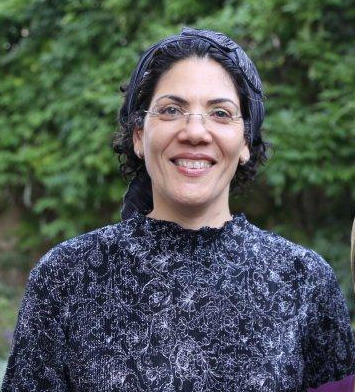
בתחילת הסבב הנוכחי של לימוד הדף היומי, נחשפתי לחגיגות המרגשות באירועי הסיום ברחבי העולם. והבטחתי לעצמי שבקרוב אצטרף גם למעגל הלומדות. הסבב התחיל כאשר הייתי בתחילת דרכי בתוכנית קרן אריאל להכשרת יועצות הלכה של נשמ”ת. לא הצלחתי להוסיף את ההתחייבות לדף היומי על הלימוד האינטנסיבי של תוכנית היועצות. בבוקר למחרת המבחן הסופי בנשמ”ת, התחלתי את לימוד הדף במסכת סוכה ומאז לא הפסקתי.

Hana Shaham-Rozby (Dr.)
חנה שחם-רוזבי (ד”ר)

קרית גת, ישראל

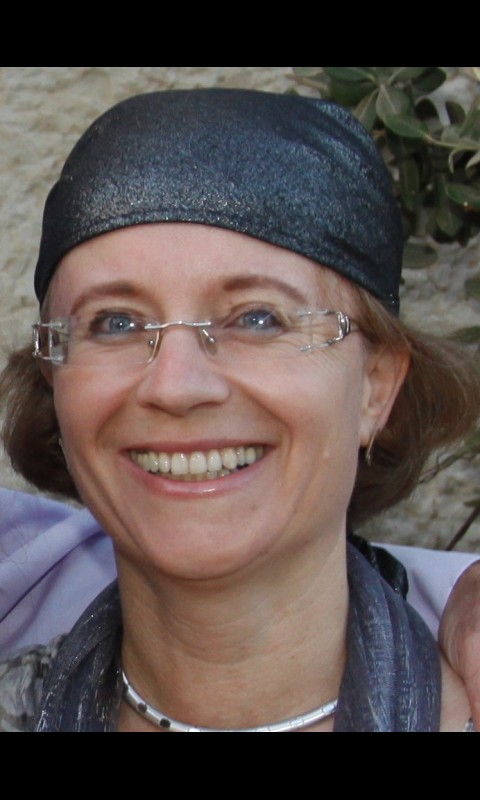
התחלתי בסיום הש”ס, יצאתי באורות. נשברתי פעמיים, ובשתיהם הרבנית מישל עודדה להמשיך איפה שכולם בסבב ולהשלים כשאוכל, וכך עשיתי וכיום השלמתי הכל. מדהים אותי שאני לומדת כל יום קצת, אפילו בחדר הלידה, בבידוד או בחו”ל. לאט לאט יותר נינוחה בסוגיות. לא כולם מבינים את הרצון, בפרט כפמניסטית. חשה סיפוק גדול להכיר את המושגים וצורת החשיבה. החלום זה להמשיך ולהתמיד ובמקביל ללמוד איך מהסוגיות נוצרה והתפתחה ההלכה.

Weingarten Sherrington Foundation
קרן וינגרטן שרינגטון

מודיעין, ישראל

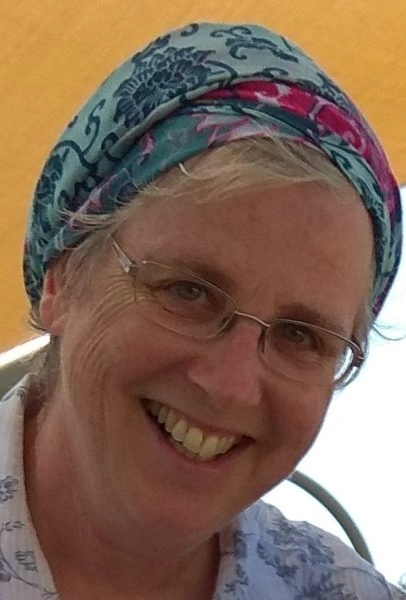
לפני 15 שנה, אחרי עשרות שנים של "ג’ינגול” בין משפחה לקריירה תובענית בהייטק, הצטרפתי לשיעורי גמרא במתן רעננה. הלימוד המעמיק והייחודי של הרבנית אושרה קורן יחד עם קבוצת הנשים המגוונת הייתה חוויה מאלפת ומעשירה. לפני כשמונה שנים כאשר מחזור הדף היומי הגיע למסכת תענית הצטרפתי כ”חברותא” לבעלי. זו השעה היומית שלנו ביחד כאשר דפי הגמרא משתלבים בחיי היום יום, משפיעים ומושפעים, וכשלא מספיקים תמיד משלימים בשבת

Yodi Askoff
יודי אסקוף

רעננה, ישראל

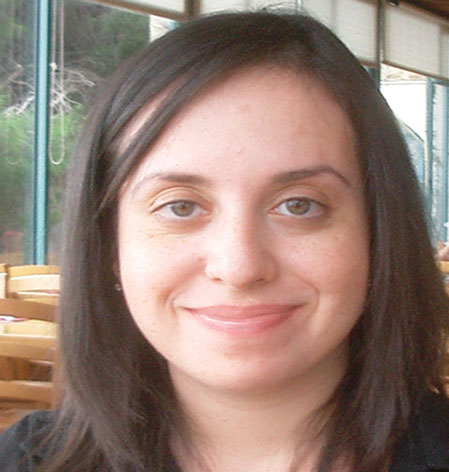
התחלתי ללמוד דף יומי אחרי שחזרתי בתשובה ולמדתי במדרשה במגדל עוז. הלימוד טוב ומספק חומר למחשבה על נושאים הלכתיים ”קטנים” ועד לערכים גדולים ביהדות. חשוב לי להכיר את הגמרא לעומק. והצעד הקטן היום הוא ללמוד אותה בבקיאות, בעזרת השם, ומי יודע אולי גם אגיע לעיון בנושאים מעניינים. נושאים בגמרא מתחברים לחגים, לתפילה, ליחסים שבין אדם לחברו ולמקום ולשאר הדברים שמלווים באורח חיים דתי 🙂

Gaia Divo
גאיה דיבו

מצפה יריחו, ישראל

התחלתי מעט לפני תחילת הסבב הנוכחי. אני נהנית מהאתגר של להמשיך להתמיד, מרגעים של "אהה, מפה זה הגיע!” ומהאתגר האינטלקטואלי

Eilat-Chen and Deller
אילת-חן ודלר

לוד, ישראל

התחלתי ללמוד לפני כשנתיים בשאיפה לסיים לראשונה מסכת אחת במהלך חופשת הלידה.
אחרי מסכת אחת כבר היה קשה להפסיק…

Noa Gallant
נעה גלנט

ירוחם, ישראל

התחלתי ללמוד דף יומי באמצע תקופת הקורונה, שאבא שלי סיפר לי על קבוצה של בנות שתיפתח ביישוב שלנו ותלמד דף יומי כל יום. הרבה זמן רציתי להצטרף לזה וזאת הייתה ההזדמנות בשבילי. הצטרפתי במסכת שקלים ובאמצע הייתה הפסקה קצרה. כיום אני כבר לומדת באולפנה ולומדת דף יומי לבד מתוך גמרא של טיינזלץ.

Saturdays in Raleigh
שבות בראלי

עתניאל, ישראל

התחלתי ללמוד דף יומי שהתחילו מסכת כתובות, לפני 7 שנים, במסגרת קבוצת לימוד שהתפרקה די מהר, ומשם המשכתי לבד בתמיכת האיש שלי. נעזרתי בגמרת שטיינזלץ ובשיעורים מוקלטים.
הסביבה מאד תומכת ואני מקבלת המון מילים טובות לאורך כל הדרך. מאז הסיום הגדול יש תחושה שאני חלק מדבר גדול יותר.
אני לומדת בשיטת ה”7 דפים בשבוע” של הרבנית תרצה קלמן – כלומר, לא נורא אם לא הצלחת ללמוד כל יום, העיקר שגמרת ארבעה דפים בשבוע

Rachel Goldstein
רחל גולדשטיין

עתניאל, ישראל

התחלתי לפני כמה שנים אבל רק בסבב הזה זכיתי ללמוד יום יום ולסיים מסכתות

Sigal Tel
סיגל טל

רעננה, ישראל

התחלתי ללמוד דף יומי ממסכת נידה כי זה היה חומר הלימוד שלי אז. לאחר הסיום הגדול בבנייני האומה החלטתי להמשיך. וב”ה מאז עם הפסקות קטנות של קורונה ולידה אני משתדלת להמשיך ולהיות חלק.

זה משפיע מאוד על היום יום שלי ועל אף שאני עסוקה בלימודי הלכה ותורה כל יום, זאת המסגרת הקבועה והמחייבת ביותר שיש לי.

Moriah Taesan Michaeli
מוריה תעסן מיכאלי

גבעת הראל, ישראל

באירוע של הדרן בנייני האומה. בהשראתה של אמי שלי שסיימה את הש”ס בסבב הקודם ובעידוד מאיר , אישי, וילדיי וחברותיי ללימוד במכון למנהיגות הלכתית של רשת אור תורה סטון ומורתיי הרבנית ענת נובוסלסקי והרבנית דבורה עברון, ראש המכון למנהיגות הלכתית.
הלימוד מעשיר את יומי, מחזיר אותי גם למסכתות שכבר סיימתי וידוע שאינו דומה מי ששונה פרקו מאה לשונה פרקו מאה ואחת במיוחד מרתקים אותי החיבורים בין המסכתות

Roit Kalech
רוית קלך

מודיעין, ישראל

בתחילת הסבב הנוכחי הצטברו אצלי תחושות שאני לא מבינה מספיק מהי ההלכה אותה אני מקיימת בכל יום. כמו כן, כאמא לבנות רציתי לתת להן מודל נשי של לימוד תורה
שתי הסיבות האלו הובילו אותי להתחיל ללמוד. נתקלתי בתגובות מפרגנות וסקרניות איך אישה לומדת גמרא..
כמו שרואים בתמונה אני ממשיכה ללמוד גם היום ואפילו במחלקת יולדות אחרי לידת ביתי השלישית.

Noa Shiloh
נועה שילה

רבבה, ישראל

כבר סיפרתי בסיום של מועד קטן.
הלימוד מאוד משפיעה על היום שלי כי אני לומדת עם רבנית מישל על הבוקר בזום. זה נותן טון לכל היום – בסיס למחשבות שלי .זה זכות גדול להתחיל את היום בלימוד ובתפילה. תודה רבה !

שרה-ברלוביץ
שרה ברלוביץ

ירושלים, ישראל

הייתי לפני שנתיים בסיום הדרן נשים בבנייני האומה והחלטתי להתחיל. אפילו רק כמה דפים, אולי רק פרק, אולי רק מסכת… בינתיים סיימתי רבע שס ותכף את כל סדר מועד בה.
הסביבה תומכת ומפרגנת. אני בת יחידה עם ארבעה אחים שכולם לומדים דף יומי. מדי פעם אנחנו עושים סיומים יחד באירועים משפחתיים. ממש מרגש. מסכת שבת סיימנו כולנו יחד עם אבא שלנו!
אני שומעת כל יום פודקאסט בהליכה או בנסיעה ואחכ לומדת את הגמרא.

Edna Gross
עדנה גרוס

מרכז שפירא, ישראל

שמעתי על הסיום הענק של הדף היומי ע”י נשים בבנייני האומה. רציתי גם.
החלטתי להצטרף. התחלתי ושיכנעתי את בעלי ועוד שתי חברות להצטרף. עכשיו יש לי לימוד משותף איתו בשבת ומפגש חודשי איתן בנושא (והתכתבויות תדירות על דברים מיוחדים שקראנו). הצטרפנו לקבוצות שונות בווטסאפ. אנחנו ממש נהנות. אני שומעת את השיעור מידי יום (בד”כ מהרב יוני גוטמן) וקוראת ומצטרפת לסיומים של הדרן. גם מקפידה על דף משלהן (ונהנית מאד).

Liat Citron
ליאת סיטרון

אפרת, ישראל

התחלתי ללמוד דף יומי ממסכת נידה כי זה היה חומר הלימוד שלי אז. לאחר הסיום הגדול בבנייני האומה החלטתי להמשיך. וב”ה מאז עם הפסקות קטנות של קורונה ולידה אני משתדלת להמשיך ולהיות חלק.

זה משפיע מאוד על היום יום שלי ועל אף שאני עסוקה בלימודי הלכה ותורה כל יום, זאת המסגרת הקבועה והמחייבת ביותר שיש לי.

Moriah Taesan Michaeli
מוריה תעסן מיכאלי

גבעת הראל, ישראל

התחלתי ללמוד דף יומי שהתחילו מסכת כתובות, לפני 7 שנים, במסגרת קבוצת לימוד שהתפרקה די מהר, ומשם המשכתי לבד בתמיכת האיש שלי. נעזרתי בגמרת שטיינזלץ ובשיעורים מוקלטים.
הסביבה מאד תומכת ואני מקבלת המון מילים טובות לאורך כל הדרך. מאז הסיום הגדול יש תחושה שאני חלק מדבר גדול יותר.
אני לומדת בשיטת ה”7 דפים בשבוע” של הרבנית תרצה קלמן – כלומר, לא נורא אם לא הצלחת ללמוד כל יום, העיקר שגמרת ארבעה דפים בשבוע

Rachel Goldstein
רחל גולדשטיין

עתניאל, ישראל

למדתי גמרא מכיתה ז- ט ב Maimonides School ואחרי העליה שלי בגיל 14 לימוד הגמרא, שלא היה כל כך מקובל בימים אלה, היה די ספוראדי. אחרי "ההתגלות” בבנייני האומה התחלתי ללמוד בעיקר בדרך הביתה למדתי מפוקקטסים שונים. לאט לאט ראיתי שאני תמיד חוזרת לרבנית מישל פרבר. באיזה שהוא שלב התחלתי ללמוד בזום בשעה 7:10 .
היום "אין מצב” שאני אתחיל את היום שלי ללא לימוד עם הרבנית מישל עם כוס הקפה שלי!!

selfie-scaled
דבי גביר

חשמונאים, ישראל

סיום השס לנשים נתן לי מוטביציה להתחיל ללמוד דף יומי. עד אז למדתי גמרא בשבתות ועשיתי כמה סיומים. אבל לימוד יומיומי זה שונה לגמרי ופתאום כל דבר שקורה בחיים מתקשר לדף היומי.

Fogel Foundation
קרן פוגל

רתמים, ישראל

התחלתי כשהייתי בחופש, עם הפרסומים על תחילת המחזור, הסביבה קיבלה את זה כמשהו מתמיד ומשמעותי ובהערכה, הלימוד זה עוגן יציב ביום יום, יש שבועות יותר ויש שפחות אבל זה משהו שנמצא שם אמין ובעל משמעות בחיים שלי….

Adi Diamant
עדי דיאמנט

גמזו, ישראל

יומא כט

הִרְהוּרֵי עֲבֵירָה קָשׁוּ מֵעֲבֵירָה, וְסִימָנָיךְ: רֵיחָא דְבִישְׂרָא. שִׁילְהֵי דְקַיְיטָא קְשֵׁי מִקַּיְיטָא, וְסִימָנָיךְ: תַּנּוּרָא שְׁגִירָא.

Thoughts of transgression are worse than transgression itself, and your mnemonic is the odor of meat. The smell of roasting meat is more appetizing than actually eating the meat. The heat of the end of summer is more oppressive than the heat of the summer itself, and your mnemonic is a heated oven. After an oven has been heated several times in the course of a day, lighting it again, even slightly, will produce powerful heat. So too, at the end of the summer, since everything is hot, the heat is more oppressive.

אִישָּׁתָא דְסִיתְוָא קַשְׁיָא מִדְּקַיְיטָא, וְסִימָנָיךְ: תַּנּוּרָא קָרִירָא. מִיגְמָר בְּעַתִּיקְתָּא קַשְׁיָא מֵחַדְתָּא, וְסִימָנָיךְ: טִינָא בַּר טִינָא.

A fever in the winter is more powerful than a fever in the summer, and your mnemonic is a cold oven. Heating a cold oven requires greater heat than heating a hot oven. A fever that succeeds in raising the body temperature in the winter must be more powerful than a fever that raises the body temperature in the summer. Relearning old material that was known and forgotten is more difficult than learning from new material. And your mnemonic is mixing mortar from mortar. It is harder to take hardened mortar, crush it, and mix new mortar than it is to simply mix new mortar.

אָמַר רַבִּי אֲבָהוּ: מַאי טַעְמָא דְּרַבִּי, דִּכְתִיב: ״לַמְנַצֵּחַ עַל אַיֶּלֶת הַשַּׁחַר״, מָה אַיָּלָה זוֹ קַרְנֶיהָ מַפְצִילוֹת לְכָאן וּלְכָאן, אַף שַׁחַר זֶה מַפְצִיעַ לְכָאן וּלְכָאן.

Apropos moonlight and sunlight discussed previously, Rabbi Abbahu said: What is the rationale for the statement of Rabbi Yehuda HaNasi that sunlight diffuses and in that sense is dissimilar to moonlight? It is as it is written: “For the leader, about the morning hind” (Psalms 22:1); just as the antlers of a hind branch out to here and to there, so too, the light of dawn diffuses to here and to there.

אָמַר רַבִּי זֵירָא: לָמָּה נִמְשְׁלָה אֶסְתֵּר לְאַיָּלָה — לוֹמַר לָךְ: מָה אַיָּלָה רַחְמָהּ צַר וַחֲבִיבָה עַל בַּעְלָהּ כׇּל שָׁעָה וְשָׁעָה כְּשָׁעָה רִאשׁוֹנָה, אַף אֶסְתֵּר הָיְתָה חֲבִיבָה עַל אֲחַשְׁוֵרוֹשׁ כׇּל שָׁעָה וְשָׁעָה כְּשָׁעָה רִאשׁוֹנָה. אָמַר רַבִּי אַסִּי: לָמָּה נִמְשְׁלָה אֶסְתֵּר לְשַׁחַר — לוֹמַר לָךְ: מָה שַׁחַר סוֹף כׇּל הַלַּיְלָה, אַף אֶסְתֵּר סוֹף כׇּל הַנִּסִּים.

In tractate Megilla, the Gemara states that Queen Esther prophetically recited this Psalm in reference to her situation as she was about to come before King Ahasuerus without being summoned. Rabbi Zeira said: Why is Esther likened to a hind? It is to tell you: Just as in the case of a hind its womb is narrow and it is desirable to its mate at each and every hour like it is at the first hour, so too, Esther was desirable to Ahasuerus at each and every hour like she was at the first hour. Rabbi Asi said: Why was Esther likened to the dawn? It is to tell you: Just as the dawn is the conclusion of the entire night, so too, Esther was the conclusion of all miracles performed for the entire Jewish people.

וְהָא אִיכָּא חֲנוּכָּה! נִיתְּנָה לִכְתּוֹב קָא אָמְרִינַן. הָנִיחָא לְמַאן דְּאָמַר אֶסְתֵּר נִיתְּנָה לִכְתּוֹב. אֶלָּא לְמַאן דְּאָמַר אֶסְתֵּר לֹא נִיתְּנָה לִכְתּוֹב, מַאי אִיכָּא לְמֵימַר?

The Gemara asks: But isn’t there the miracle of Hanukkah, which was performed many years later? The Gemara answers: It is true that additional miracles were performed after the miracle of Purim; however, it is with regard to miracles for which permission was granted to write them in the Bible that we are saying that the miracle of Purim was the last one. The Gemara asks: That works out well according to the one who said: Permission was granted to write the Scroll of Esther in the Bible as a book whose sanctity equals that of the other books of the Bible. However, according to the one who said: Permission was not granted to write the Scroll of Esther in the Bible, and its sanctity does not reach the level of the other books of the Bible, what can be said?

מוֹקֵים לַהּ כְּרַבִּי בִּנְיָמִין בַּר יֶפֶת אָמַר רַבִּי אֶלְעָזָר. דְּאָמַר רַבִּי בִּנְיָמִין בַּר יֶפֶת אָמַר רַבִּי אֶלְעָזָר: לָמָּה נִמְשְׁלוּ תְּפִלָּתָן שֶׁל צַדִּיקִים כְּאַיֶּלֶת — לוֹמַר לָךְ: מָה אַיָּלָה זוֹ כׇּל זְמַן שֶׁמַּגְדֶּלֶת — קַרְנֶיהָ מַפְצִילוֹת, אַף צַדִּיקִים, כׇּל זְמַן שֶׁמַּרְבִּין בִּתְפִלָּה — תְּפִלָּתָן נִשְׁמַעַת.

The Gemara answers: Actually, Purim was not the conclusion of all miracles performed for the entire Jewish people, and the one who holds that permission was not granted for the Scroll of Esther to be written establishes the analogy between Esther and the hind in accordance with the statement that Rabbi Binyamin bar Yefet said that Rabbi Elazar said; as Rabbi Binyamin bar Yefet said that Rabbi Elazar said: Why are the prayers of the righteous likened to a hind? It is to tell you: Just as with regard to a hind, as long as it grows its antlers they continue to branch out; so too, with regard to the righteous, as long as they engage more in prayer their prayer is heard.

שָׁחֲטוּ אֶת הַתָּמִיד. אֵימַת? אִילֵּימָא בִּשְׁאָר יְמוֹת הַשָּׁנָה, לָא סַגִּיא דְּלָאו כֹּהֵן גָּדוֹל? אֶלָּא בְּיוֹם הַכִּפּוּרִים, מְאוֹר הַלְּבָנָה מִי אִיכָּא?

§ The mishna relates that as a result of the confusion, they slaughtered the daily offering before dawn. The Gemara asks: When did this incident occur? If we say it occurred during the rest of the days of the year, is there no alternative to having the service performed by the High Priest? The mishna states that after slaughtering the daily offering, they led the High Priest down to the Hall of Immersion. On all the other days of the year, the High Priest need not perform the service and it may be performed by a common priest. Rather, it must be that this incident occurred on Yom Kippur, when the service is performed exclusively by the High Priest. However, in that case, is there moonlight? According to the lunar cycle, the moon never rises in the east adjacent to dawn on Yom Kippur.

הָכִי קָאָמַר: וּבְיוֹם הַכִּפּוּרִים כִּי אָמַר ״בָּרַק בַּרְקַאי״ הוֹרִידוּ כֹּהֵן גָּדוֹל לְבֵית הַטְּבִילָה.

The Gemara answers that this is what the mishna is saying: The incident occurred during the rest of the year, at which point they instituted that the appointed priest announce the arrival of dawn in the Temple. And on Yom Kippur, when the appointed priest said: The light flashed, they immediately led the High Priest down to the Hall of Immersion.

תָּנֵי אֲבוּהּ דְּרַבִּי אָבִין: לֹא זוֹ בִּלְבַד אָמְרוּ, אֶלָּא אַף מְלִיקַת הָעוֹף וּקְמִיצַת מִנְחָה בַּלַּיְלָה תִּשָּׂרֵף. בִּשְׁלָמָא עוֹלַת הָעוֹף — מַאי דַהֲוָה הֲוָה. אֶלָּא קוֹמֶץ,

Apropos this fundamental halakha, the father of Rabbi Avin taught a baraita: Not only this, that a daily offering slaughtered before dawn is disqualified and burned, did they say; rather, even in the case of the pinching of the neck of a bird and the taking of the handful of a meal-offering that are performed at night, these items must be burned. The Gemara analyzes the baraita: Granted, a bird sacrificed as a burnt-offering is disqualified if pinched before dawn; what was, was. The situation can no longer be remedied, and the bird must be burned. However, why should the handful of a meal-offering be burned?

נַהְדְּרֵהּ וְנֶהְדַּר וְנִקְמְצַהּ בִּימָמָא? הוּא תָּנֵי לַהּ וְהוּא אָמַר לַהּ: כְּלֵי שָׁרֵת מְקַדְּשִׁין אֲפִילּוּ שֶׁלֹּא בִּזְמַנּוֹ.

Let us restore the handful that was removed from the meal-offering at night, and let us again take a handful during the day. Why must the meal-offering be burned? The Gemara explains: He taught the baraita that he received through tradition, and he said its explanation. Service vessels, which are sacred, consecrate their contents even when those contents are not placed in the vessel at the appointed time for that service. Once the handful is placed in the sacred vessel, the sanctity of the handful immediately takes effect and the situation can no longer be remedied.

מֵיתִיבִי, זֶה הַכְּלָל: כׇּל הַקָּרֵב בַּיּוֹם — קָדוֹשׁ בַּיּוֹם, וְכׇל הַקָּרֵב בַּלַּיְלָה — קָדוֹשׁ בַּלַּיְלָה, וְכׇל הַקָּרֵב בֵּין בַּיּוֹם וּבֵין בַּלַּיְלָה — קָדוֹשׁ בֵּין בַּיּוֹם וּבֵין בַּלַּיְלָה. קָתָנֵי מִיהַת: כָּל הַקָּרֵב בַּיּוֹם קָדוֹשׁ בַּיּוֹם, בַּיּוֹם אִין, בַּלַּיְלָה לָא! דִּילְמָא אֵינוֹ קָדוֹשׁ לִיקְרַב, אֲבָל קָדוֹשׁ לִיפָּסֵל.

The Gemara raises an objection from that which was taught in a baraita. This is the principle: Any offering that is sacrificed during the day is consecrated by being sacrificed during the day; and any offering that is sacrificed at night is consecrated only at night; and any offering that is sacrificed both during the day and at night is consecrated both during the day and at night. In any case, it is teaching that any offering that is sacrificed during the day is consecrated during the day. One learns by inference: During the day, yes, it is consecrated; at night, no, it is not consecrated. Apparently, the handful of the meal-offering is not consecrated before dawn, which poses a difficulty to the explanation of Rabbi Avin’s father. The Gemara answers: Perhaps the inference from the baraita means that when it is not sacrificed at its appointed time it is not sufficiently consecrated to be sacrificed on the altar; however, it is sufficiently consecrated to be disqualified.

מֵתִיב רַבִּי זֵירָא: סִידֵּר אֶת הַלֶּחֶם וְאֶת הַבָּזִיכִין אַחַר הַשַּׁבָּת, וְהִקְטִיר אֶת הַבָּזִיכִין בַּשַּׁבָּת — פְּסוּלָה.

Rabbi Zeira raised an objection to the principle of the father of Rabbi Avin based on what was taught in a mishna: If a priest arranged the bread and the vessels of frankincense that accompany the shewbread on the golden table after Shabbat, on Sunday instead of on Shabbat, then even though he burned the frankincense that was in the vessels on Shabbat, they are disqualified. That is because the bread was not arranged at its appointed time and therefore will not be arranged on the table for the requisite seven days.

כֵּיצַד יַעֲשֶׂה? יַנִּיחֶנּוּ לַשַּׁבָּת הַבָּאָה. שֶׁאֲפִילּוּ עָמְדָה עַל הַשֻּׁלְחָן יָמִים רַבִּים — אֵין בְּכָךְ כְּלוּם. וְאַמַּאי? תִּקְדּוֹשׁ וְתִיפְּסֵל!

How shall he proceed to prevent its disqualification? He should not remove it, but rather he should leave the shewbread on the table to be removed the following Shabbat, as even if the bread remained on the table for many days, that does not matter. Then, on the following Shabbat, he arranges and places the shewbread in the appropriate manner. And according to the opinion of the father of Rabbi Avin, why is this remedy effective? If service vessels consecrate their contents even when those contents are not placed there at the appointed time, once the bread was placed on the table after Shabbat it is consecrated and disqualified.

אָמַר רָבָא: מַאן דְּקָא מוֹתֵיב — שַׁפִּיר קָא מוֹתֵיב, וַאֲבוּהּ דְּרַבִּי אָבִין נָמֵי מַתְנִיתָא קָאָמַר, וְקָסָבַר: לַיְלָה אֵין מְחוּסַּר זְמַן, יוֹם מְחוּסַּר זְמַן.

Rava said: Rabbi Zeira, who raises the objection, raises the objection well. And the father of Rabbi Avin is also stating a baraita. Therefore, his opinion cannot be dismissed. At the same time, the contradiction between the baraita and the mishna must be resolved. And the tanna of the baraita maintains: A service performed at night is not considered premature. If there is a requirement to perform a certain action during the day but one performed it the night before, it is not considered as though he did not perform it at its appointed time, because the day and the night before it are considered a single unit. Therefore, placing the shewbread on the table before dawn disqualifies it. However, a service performed a day earlier is considered premature. Therefore, the table does not consecrate shewbread placed on it a day before Shabbat, and all the more so a week before Shabbat.

כִּי מָטֵי בֵּי שִׁמְשֵׁי תִּקְדּוֹשׁ וְתִפְסוֹל! אָמַר רָבִינָא: שֶׁקָּדַם וְסִלְּקוֹ. מָר זוּטְרָא, וְאִיתֵּימָא רַב אָשֵׁי אָמַר: אֲפִילּוּ תֵּימָא בְּשֶׁלֹּא קָדַם וְסִלְּקוֹ, כֵּיוָן שֶׁסִּדְּרוֹ שֶׁלֹּא כְּמִצְוָתוֹ — נַעֲשָׂה כְּמוֹ שֶׁסִּדְּרוֹ הַקּוֹף.

If a service performed at night is not considered premature, when Shabbat evening arrives, the arrangement of bread remaining on the table should be consecrated and disqualified when morning comes, because it was arranged at night. Ravina said: It is referring to a case where one removed the shewbread from the table before nightfall on Friday night to prevent consecration and disqualification. Mar Zutra, and some say Rav Ashi, said: Even if you say that one did not remove the shewbread before nightfall, since he arranged the shewbread not in accordance with the procedure dictated by its mitzva as it was not at its appointed time, its legal status becomes as if a monkey arranged the shewbread. At dawn, the priest will remove it from the table and replace it in accordance with the procedure dictated by its mitzva. However, with regard to a meal-offering whose handful was placed into a sacred vessel and shewbread that was placed on the table before dawn, they are not considered premature. They are therefore consecrated and disqualified.

זֶה הַכְּלָל הָיָה בַּמִּקְדָּשׁ. בִּשְׁלָמָא רַגְלַיִם מִשּׁוּם נִיצוֹצוֹת, אֶלָּא יָדַיִם מַאי טַעְמָא? אָמַר רַבִּי אַבָּא: זֹאת אוֹמֶרֶת,

The mishna continues: This was the principle in the Temple: Anyone who covers his legs, a euphemism for defecating, must immerse afterward; and anyone who urinates requires sanctification of the hands and feet with water from the basin afterward. The Gemara asks: Granted, one who urinates is required to sanctify his feet, due to drops of urine that drip on his feet. However, with regard to his hands, what is the reason that he is required to sanctify them? His hands did not come into contact with anything filthy. Rabbi Abba said: That is to say that one learns appropriate conduct from this, namely that

רוצה לעקוב אחרי התכנים ולהמשיך ללמוד?

ביצירת חשבון עוד היום ניתן לעקוב אחרי ההתקדמות שלך, לסמן מה למדת, ולעקוב אחרי השיעורים שמעניינים אותך.

לנקות את כל הפריטים מהרשימה?

פעולה זו תסיר את כל הפריטים בחלק זה כולל ההתקדמות וההיסטוריה. שימי לב: לא ניתן לשחזר פעולה זו.

ביטול
מחיקה

האם את/ה בטוח/ה שברצונך למחוק פריט זה?

תאבד/י את כל ההתקדמות או ההיסטוריה הקשורות לפריט זה.

ביטול
מחיקה