








במקדש, כל המטיל מים טעון קידוש ידיים ורגלים – למה? אסור לקרות קריאת שמע אם יש צואה בגופו במקומו. הגמרא מנסה להבין את ההלכה הזו מכיוון שהתורה לא ניתנה למלאכי השרת! אם יוצאים מסעודה ללכת לשירותים או לדבר עם חבר בחוץ במשך תקופה ארוכה, האם צריך ליטול ידיים שוב כשחוזר לארוחה? ואם כן, האם צריך לעשות את זה בפני כולם כדי שלא יחשדו בו שהוא לא שטף? במה זה תלוי? צריך לטבול לפני כניסה לעזרה. ביום כיפור היה כהן גדול טובל חמש טבילות ועשרה קידושי ידיים ורגליים. כולם בתוך העזרה בלשכת הפרוה, חוץ מהראשון שהיה מחוץ לעזרה במקווה שעל גבי שער המים. למה צריך טבילה לפני כניסה לעזרה? האם זה חיוב דאורייתא או דרבנן? בן זומא ור’ יהודה חולקים. מה הנפקא מינה בין דעותיה? ר’ יהודה אומר בברייתא אחרת שהמצורע לא צריך לטבול ביום השמיני לטהרתו לפני כניסתו לעזרה כי כבר טבל מבערב. איך דעתו כאן משתלבת עם דעתו בדיון שלו עם בן זומא. מאלה שלא מסכימים עם רבי יהודה בברייתא האחרונה, מתברר שיש גישה שלישית – שרק מצורע צריך ללכת למקווה לפני שנכנס לעזרה ולא כל אדם אחר. למה?
רוצה להקדיש לימוד?
יומא ל
מִצְוָה לְשַׁפְשֵׁף. מְסַיַּיע לֵיהּ לְרַבִּי אַמֵּי, דְּאָמַר רַבִּי אַמֵּי: אָסוּר לְאָדָם שֶׁיֵּצֵא בְּנִיצוֹצוֹת שֶׁעַל גַּבֵּי רַגְלָיו, מִפְּנֵי שֶׁנִּרְאֶה כִּכְרוּת שׇׁפְכָה, וּמוֹצִיא לַעַז עַל בָּנָיו שֶׁהֵן מַמְזֵרִים.
it is a mitzva to brush the drops of urine from one’s legs so that they cannot be seen. Since one rubs it with his hands, his hands require sanctification as well. The Gemara comments: This supports the opinion of Rabbi Ami, as Rabbi Ami said: It is prohibited for a man to go out with the drops of urine that are on his legs, because he appears as one whose penis has been severed. A man with that condition is incapable of fathering children. People who see urine on his legs might suspect that he is suffering from that condition and spread rumors about his children that they are mamzerim. Therefore, one must be certain to brush the drops of urine from his legs.
אָמַר רַב פָּפָּא: צוֹאָה בִּמְקוֹמָהּ, אָסוּר לִקְרוֹת קְרִיאַת שְׁמַע. הֵיכִי דָמֵי? אִי דְּנִרְאֵית — פְּשִׁיטָא. אִי דְּלֹא נִרְאֵית — לֹא נִיתְּנָה תּוֹרָה לְמַלְאֲכֵי הַשָּׁרֵת! לָא צְרִיכָא: דְּיוֹשֵׁב וְנִרְאֵית, עוֹמֵד וְאֵינָהּ נִרְאֵית.
Apropos the above discussion the Gemara cites that Rav Pappa said: For one with excrement in its place, in the anus, it is prohibited to recite Shema until he removes it. What are the circumstances? If it is excrement that is visible, it is obvious that he cannot recite Shema, as there is excrement on his skin. If it is excrement that is not visible, and it is inside his body, how can Rav Pappa rule that he may not recite Shema? The Torah was not given to the ministering angels, and one’s body cannot be totally free of excrement. The Gemara answers: No, it is necessary to prohibit the recitation of Shema only in a situation where when he is sitting it is visible, and when he is standing it is not visible.
וּמַאי שְׁנָא מִצּוֹאָה עַל בְּשָׂרוֹ? דְּאִיתְּמַר: צוֹאָה עַל בְּשָׂרוֹ, אוֹ שֶׁהָיוּ יָדָיו בְּבֵית הַכִּסֵּא, רַב הוּנָא אָמַר: מוּתָּר לִקְרוֹת קְרִיאַת שְׁמַע, וְרַב חִסְדָּא אָמַר: אָסוּר לִקְרוֹת קְרִיאַת שְׁמַע. בִּמְקוֹמָהּ נְפִישׁ זוּהֲמָא, שֶׁלֹּא בִּמְקוֹמָהּ לָא נְפִישׁ זוּהֲמָא.
The Gemara asks: If so, in what way is that different from excrement on his flesh? As it was stated in a case where one has excrement on his flesh or that his hands were placed into a bathroom that Rav Huna said: It is nevertheless permitted to recite Shema. And Rav Ḥisda said: It is prohibited to recite Shema in those cases. The Gemara rejects this: The situations are not comparable. There is no dispute that excrement in its place is more severe, as in the anus the filth is great because it is new and malodorous. And if it is not in its place, its filth is not great, as it is dried and less malodorous. It is with regard to that situation that there is an amoraic dispute.
תָּנוּ רַבָּנַן הֲלָכָה בִּסְעוּדָה: אָדָם יוֹצֵא לְהַשְׁתִּין מַיִם — נוֹטֵל יָדוֹ אַחַת וְנִכְנָס. דִּיבֵּר עִם חֲבֵירוֹ וְהִפְלִיג — נוֹטֵל שְׁתֵּי יָדָיו וְנִכְנָס. וּכְשֶׁהוּא נוֹטֵל, לֹא יִטּוֹל מִבַּחוּץ וְיִכָּנֵס, מִפְּנֵי חֲשָׁד. אֶלָּא נִכְנָס וְיוֹשֵׁב בִּמְקוֹמוֹ וְנוֹטֵל שְׁתֵּי יָדָיו, וּמַחֲזִיר הַטָּפִיחַ עַל הָאוֹרְחִין.
The Gemara proceeds to discuss a related topic. The Sages taught a halakha with regard to a meal in a baraita: A person who exits a meal to urinate washes one of his hands, the one that he used to brush off drops of urine, and enters to resume the meal. If one left, spoke with another, and lingered outside, he washes both of his hands and enters to resume the meal. Presumably, during the lengthy conversation he was distracted from maintaining the cleanliness of his hands, requiring him to wash his hands again. And when one washes his hands for the meal he should not wash them outside and then enter, due to the concern that doing so will arouse suspicion that he did not wash his hands. Rather, he enters and sits in his place and washes both his hands, and returns the jug of water to pass among the guests and ask if anyone requires water, to make certain that everyone is aware that he washed his hands.
אָמַר רַב חִסְדָּא: לָא אֲמַרַן אֶלָּא לִשְׁתּוֹת, אֲבָל לֶאֱכוֹל — נוֹטֵל מִבַּחוּץ וְנִכְנָס, דְּמִידָּע יְדִיעַ דַּאֲנִינָא דַּעְתֵּיהּ. אָמַר רַב נַחְמָן בַּר יִצְחָק: וַאֲנָא אֲפִילּוּ לִשְׁתּוֹת נָמֵי, מִידָּע יָדְעִי דַּאֲנִינָא דַּעְתַּאי.
Rav Ḥisda said: We said this principle with regard to making certain that one washes his hands in public only when he enters to drink; however, if he enters and intends to eat he may even wash his hands outside and enter. Why is this so? It is because it is well known that he is fastidious and would not handle food without cleaning urine and the like off his hands. Rav Naḥman bar Yitzḥak said: And I can even wash my hands outside when I intend only to drink, because they know that I am fastidious and that I certainly washed my hands before I entered to eat.
מַתְנִי׳ אֵין אָדָם נִכְנָס לָעֲזָרָה לַעֲבוֹדָה אֲפִילּוּ טָהוֹר עַד שֶׁיִּטְבּוֹל. חָמֵשׁ טְבִילוֹת וַעֲשָׂרָה קִדּוּשִׁין טוֹבֵל כֹּהֵן גָּדוֹל וּמְקַדֵּשׁ בּוֹ בַּיּוֹם, וְכוּלָּן בַּקֹּדֶשׁ עַל בֵּית הַפַּרְוָה, חוּץ מִזּוֹ בִּלְבַד. פֵּרְסוּ סָדִין שֶׁל בּוּץ בֵּינוֹ לְבֵין הָעָם (קִידֵּשׁ יָדָיו וְרַגְלָיו).
MISHNA: A person does not enter the Temple courtyard for the Temple service, even if he is pure, until he immerses. Five immersions and ten sanctifications the High Priest immerses and sanctifies his hands and feet, respectively, on the day of Yom Kippur. And all of these immersions and sanctifications take place in the sacred area, the Temple courtyard, on the roof of the Hall of Parva, except for this first immersion alone. As that immersion is not unique to Yom Kippur, it may be performed outside the courtyard. They spread a sheet of fine linen between him and the people in the interest of modesty, and then the High Priest immersed and sanctified his hands and feet.
גְּמָ׳ שָׁאֲלוּ אֶת בֶּן זוֹמָא: טְבִילָה זוֹ, לָמָּה? אָמַר לָהֶם: וּמָה הַמְשַׁנֶּה מִקּוֹדֶשׁ לְקוֹדֶשׁ, וּמִמָּקוֹם שֶׁעָנוּשׁ כָּרֵת לְמָקוֹם שֶׁעָנוּשׁ כָּרֵת — טָעוּן טְבִילָה. הַמְשַׁנֶּה מֵחוֹל לְקוֹדֶשׁ, וּמִמָּקוֹם שֶׁאֵין עָנוּשׁ כָּרֵת לְמָקוֹם שֶׁעָנוּשׁ כָּרֵת — אֵינוֹ דִּין שֶׁטָּעוּן טְבִילָה?
GEMARA: They asked ben Zoma with regard to this immersion: Why is it a requirement for anyone who enters to perform the Temple service? He said to them: Just as one who moves from service in one sacred area to service in another sacred area, i.e., the High Priest on Yom Kippur, who moves from one service to another in the Temple courtyard and the Sanctuary; and likewise one who moves from service in an area that one who enters while impure is punished by karet, the courtyard, to service in another area that one who enters impure is punished by karet, the Sanctuary or the Holy of Holies, requires immersion; so too, with regard to one who moves from a non-sacred area to a sacred area, and from a place that one who enters while impure is not punished by karet to a place that one who enters while impure is punished by karet, is it not right that he require immersion? This first immersion was instituted for purposes of sanctity rather than purity.
רַבִּי יְהוּדָה אוֹמֵר: סֶרֶךְ טְבִילָה הִיא זוֹ, כְּדֵי שֶׁיִּזְכּוֹר טוּמְאָה יְשָׁנָה שֶׁבְּיָדוֹ וְיִפְרוֹשׁ.
Rabbi Yehuda says: It is an ancillary immersion, which is not a mitzva, instituted so that one will remember any old impurity that he contracted and withdraw. In the course of immersion, he will remember if he was exposed to a source of seven-day impurity and will refrain from serving in the Temple.
בְּמַאי קָא מִיפַּלְגִי?
The Gemara asks: With regard to what principle do ben Zoma and Rabbi Yehuda, who provided two different rationales for the immersion, disagree?
בְּאַחוֹלֵי עֲבוֹדָה קָא מִיפַּלְגִי. לְבֶן זוֹמָא, מַחֵיל עֲבוֹדָה. לְרַבִּי יְהוּדָה לָא מַחֵיל עֲבוֹדָה.
It is with regard to whether the Temple service is desecrated and disqualified if the priest failed to immerse before its performance that they disagree. According to the opinion of ben Zoma, this immersion is for the purpose of sanctification and is an integral part of the service; consequently, if the priest failed to immerse he desecrates the service. According to the opinion of Rabbi Yehuda he does not desecrate the service, because the immersion is merely a precautionary measure.
וּלְבֶן זוֹמָא מִי מַחֵיל? וְהָתַנְיָא: כֹּהֵן גָּדוֹל שֶׁלֹּא טָבַל וְלֹא קִידֵּשׁ בֵּין בֶּגֶד לְבֶגֶד וּבֵין עֲבוֹדָה לַעֲבוֹדָה — עֲבוֹדָתוֹ כְּשֵׁרָה. אֶחָד כֹּהֵן גָּדוֹל וְאֶחָד כֹּהֵן הֶדְיוֹט שֶׁלֹּא קִידֵּשׁ יָדָיו וְרַגְלָיו שַׁחֲרִית וְעָבַד עֲבוֹדָה — עֲבוֹדָתוֹ פְּסוּלָה.
The Gemara wonders: And according to ben Zoma, is the service desecrated? But wasn’t it taught in a baraita: With regard to a High Priest who did not immerse and did not sanctify his hands and feet between donning the golden garments and the white linen garments, and similarly, with regard to a High Priest who did not immerse between performance of one service and another service, his service is valid. However, both a High Priest and a common priest who did not sanctify his hands and feet at all in the morning and performed the service, his service is disqualified. If the High Priest’s failure to immerse between services does not desecrate the service, all the more so that failure to perform the first immersion would not desecrate the service, as ben Zoma derives the first immersion from the immersion of the High Priest. Apparently, that is not the basis of their dispute.
אֶלָּא: לְמֵיקַם בַּעֲשֵׂה קָא מִיפַּלְגִי. לְבֶן זוֹמָא קָאֵי בַּעֲשֵׂה, לְרַבִּי יְהוּדָה לָא קָאֵי בַּעֲשֵׂה.
Rather, it is with regard to whether one who fails to immerse before service stands in violation of a positive mitzva that they disagree. According to ben Zoma, he stands in violation of a positive mitzva because there is a special requirement to perform this immersion for the purpose of sanctification. According to Rabbi Yehuda, he does not stand in violation of a positive mitzva.
וּמִי אִית לֵיהּ לְרַבִּי יְהוּדָה הַאי סְבָרָא? וְהָתַנְיָא: מְצוֹרָע — טוֹבֵל וְעוֹמֵד בְּשַׁעַר נִיקָנוֹר. רַבִּי יְהוּדָה אוֹמֵר: אֵינוֹ צָרִיךְ טְבִילָה, שֶׁכְּבָר טָבַל מִבָּעֶרֶב.
The Gemara wonders: And does Rabbi Yehuda hold in accordance with this line of reasoning? Wasn’t it taught in a baraita: A leper on the eighth day of his purification, after he has already immersed at the end of the seventh day, immerses again and stands at the Gate of Nicanor in the Temple to bring his purification offerings and to have the priest sprinkle the blood of the guilt-offering and the oil that accompanies his purification offerings on his thumbs and big toes to complete the purification process. Rabbi Yehuda says: He does not require an additional immersion, as he already immersed the previous evening. Apparently, Rabbi Yehuda does not require a special immersion in the morning to remind the leper of old impurity.
הָהוּא, כִּדְתָנֵי טַעְמָא: שֶׁכְּבָר טָבַל מִבָּעֶרֶב.
The Gemara answers: In that case of the leper, the reason that no immersion is required in the morning is as the reason was taught in the baraita: As he already immersed the previous evening. That immersion purified him and reminded him of any old impurity that he might have. This is in no way connected to the matter of ancillary immersion.
וּדְקָאָרֵי לַהּ מַאי קָאָרֵי לַהּ? מִשּׁוּם דְּקָא בָּעֵי לְמִרְמֵא אַחֲרִיתִי עֲלַיהּ: לִשְׁכַּת הַמְצוֹרָעִין שֶׁשָּׁם מְצוֹרָעִין טוֹבְלִין. רַבִּי יְהוּדָה אוֹמֵר: לֹא מְצוֹרָעִין בִּלְבַד אָמְרוּ, אֶלָּא כָּל אָדָם.
The Gemara asks: And the one who grasps this baraita as a contradiction to Rabbi Yehuda’s opinion, in what manner does he grasp it? The rationale for the halakha is explicit. The Gemara answers: Because the Gemara wants to raise a contradiction between another baraita and this baraita, and the question will be clarified through combination of the sources. As it was taught: Why was the chamber called the Chamber of the Lepers? It is because the lepers immerse there. Rabbi Yehuda says: It was not only lepers that they said immerse there; rather, all people immersed there. Rabbi Yehuda states that lepers and others immersed in this chamber in the Temple, contradicting his statement in the first baraita that a leper does not require immersion in the Temple, as he immersed the evening before.
לָא קַשְׁיָא: הָא דִּטְבֵיל, הָא דְּלָא טְבֵיל. אִי דְּלָא טְבֵיל — הֶעֱרֵב שֶׁמֶשׁ בָּעֵי! אֶלָּא: אִידֵּי וְאִידֵּי דִּטְבֵיל. הָא דְּאַסַּח דַּעְתֵּיהּ, הָא דְּלָא אַסַּח דַּעְתֵּיהּ.
The Gemara answers: This is not difficult; this baraita is referring to a case where the leper immersed the evening before and need not immerse again; that baraita is referring to a case where the leper did not immerse. In that case, there was a special chamber where lepers could immerse. The Gemara asks: If it is a case where the leper did not immerse at all the previous evening, he requires the sun to set after his immersion to be sufficiently purified to enter the Temple. Rather, both this baraita and that baraita refer to a case where the leper immersed, but this baraita that requires a second immersion is in a case where he was distracted from his efforts to avoid impurity imparted by a corpse; that baraita that does not require a second immersion is in a case where he was not distracted.
אִי אַסַּח דַּעְתֵּיהּ, הַזָּאַת שְׁלִישִׁי וּשְׁבִיעִי בָּעֵי. דְּאָמַר רַבִּי דּוֹסְתַּאי בַּר מָתוּן אָמַר רַבִּי יוֹחָנָן: הֶסַּח הַדַּעַת צָרִיךְ הַזָּאָה שְׁלִישִׁי וּשְׁבִיעִי!
The Gemara asks: If he was distracted from his efforts to avoid impurity imparted by a corpse, it is sprinkling of purification waters on the third and the seventh days that he requires, not merely immersion. As Rabbi Dostai bar Matun said that Rabbi Yoḥanan said: Distraction from efforts to avoid impurity requires sprinkling of purification waters on the third and the seventh days.
אֶלָּא אִידֵּי וְאִידֵּי דְּלָא אַסַּח דַּעְתֵּיהּ, וְלָא קַשְׁיָא: הָא דִּטְבֵיל עַל דַּעַת בִּיאַת מִקְדָּשׁ, הָא דְּלָא טְבֵיל עַל דַּעַת בִּיאַת מִקְדָּשׁ. וְאִי בָּעֵית אֵימָא תָּנֵי: לֹא מְצוֹרָעִין אָמְרוּ, אֶלָּא כָּל אָדָם.
Rather, both this baraita and that baraita refer to a case where the leper was not distracted, and this is not difficult; this baraita is referring to a case where the leper immersed the evening before with the intention of entering the Temple; that baraita is referring to a case where the leper did not immerse in the evening with the intention of entering the Temple. In that case, he requires a second immersion for purification even to enter the sacred area. And if you wish, say instead: Teach the baraita with a slight emendation: It was not lepers that they said immerse there; rather, all people immersed there. Rabbi Yehuda does not qualify the statement of the Rabbis but disputes it. In his opinion, lepers do not require immersion in the morning at all.
רָבִינָא אָמַר: רַבִּי יְהוּדָה לְדִבְרֵיהֶם דְּרַבָּנַן קָאָמַר לְהוּ: לְדִידִי — מְצוֹרָע אֵין צָרִיךְ טְבִילָה, לְדִידְכוּ — אוֹדוֹ לִי אִיזִי מִיהַת דְּלֹא מְצוֹרָעִין בִּלְבַד אָמְרוּ, אֶלָּא כָּל אָדָם. וְרַבָּנַן: מְצוֹרָע דָּיֵישׁ בְּטוּמְאָה, כׇּל אָדָם לָא דָּיְישִׁי בְּטוּמְאָה.
In an alternative resolution of the contradiction between the statements of Rabbi Yehuda, Ravina said: In the second baraita, Rabbi Yehuda is stating his opinion to them according to the statement of the Rabbis. His statement does not reflect his opinion. Rather, it is a contention that he raised in the framework of his dispute with the Rabbis. According to my opinion, a leper does not require a second immersion to enter the Temple. However, according to your opinion, concede to me then [izi] that it was not only lepers that they said immerse there; rather, all people immersed there. The Gemara asks: And how do the Rabbis explain their opinion? It answers that there is no comparison: A leper is accustomed to impurity; therefore, he could overlook other impurities that he may have contracted. The immersion reminds him to purify himself for those as well. However, all other people, who are not accustomed to impurity, will certainly be sensitive to and conscious of any impurity that they may have encountered and do not require a special immersion.
אֲמַר לֵיהּ אַבָּיֵי לְרַב יוֹסֵף: נֵימָא רַבָּנַן דִּפְלִיגִי עֲלֵיהּ דְּרַבִּי יְהוּדָה — כְּבֶן זוֹמָא סְבִירָא לְהוּ, וְהַאי דְּקָתָנֵי מְצוֹרָע, לְהוֹדִיעֲךָ כֹּחוֹ דְּרַבִּי יְהוּדָה. אוֹ דִילְמָא, שָׁאנֵי מְצוֹרָע דְּדָיֵישׁ בְּטוּמְאָה. אָמַר לֵיהּ: שָׁאנֵי מְצוֹרָע דְּדָיֵישׁ בְּטוּמְאָה.
Abaye said to Rav Yosef: Let us say that the Rabbis, who disagree with Rabbi Yehuda with regard to immersions, hold in accordance with the opinion of ben Zoma, who maintains that this immersion is an obligation by Torah law for anyone entering the courtyard. And the fact that the dispute in the baraita is taught with regard to a leper, contrary to the opinion of ben Zoma, comes to convey the far-reaching nature of the opinion of Rabbi Yehuda that even a leper does not require immersion. Or perhaps fundamentally the Rabbis agree with Rabbi Yehuda; however, the halakha of a leper is different because he is accustomed to impurity, and that is why a second immersion was instituted for him. Rav Yosef said to him: A leper is different because he is accustomed to impurity.
אֲמַר לֵיהּ אַבָּיֵי לְרַב יוֹסֵף (לְרַבִּי יְהוּדָה דְּאָמַר: סֶרֶךְ) טְבִילָה (הִיא) זוֹ,
Abaye said to Rav Yosef: According to Rabbi Yehuda, who said the immersion is not an actual obligation but it is an ancillary immersion to remind the individual of old impurity,

חדשה בלימוד הגמרא?
זה הדף הראשון שלך? איזו התרגשות עצומה! יש לנו בדיוק את התכנים והכלים שיעזרו לך לעשות את הצעדים הראשונים ללמידה בקצב וברמה שלך, כך תוכלי להרגיש בנוח גם בתוך הסוגיות המורכבות ומאתגרות.
פסיפס הלומדות שלנו
גלי את קהילת הלומדות שלנו, מגוון נשים, רקעים וסיפורים. כולן חלק מתנועה ומסע מרגש ועוצמתי.
התחלתי ללמוד לפני כשנתיים בשאיפה לסיים לראשונה מסכת אחת במהלך חופשת הלידה.
אחרי מסכת אחת כבר היה קשה להפסיק…

ירוחם, ישראל
התחלתי ללמוד דף יומי בתחילת מסכת ברכות, עוד לא ידעתי כלום. נחשפתי לסיום הש״ס, ובעצם להתחלה מחדש בתקשורת, הפתיע אותי לטובה שהיה מקום לעיסוק בתורה.
את המסכתות הראשונות למדתי, אבל לא סיימתי (חוץ מעירובין איכשהו). השנה כשהגעתי למדרשה, נכנסתי ללופ, ואני מצליחה להיות חלק, סיימתי עם החברותא שלי את כל המסכתות הקצרות, גם כשהיינו חולות קורונה ובבידודים, למדנו לבד, העיקר לא לצבור פער, ומחכות ליבמות 🙂

מזכרת בתיה, ישראל
התחלתי ללמוד בסבב הנוכחי לפני כשנתיים .הסביבה מתפעלת ותומכת מאוד. אני משתדלת ללמוד מכל ההסכתים הנוספים שיש באתר הדרן. אני עורכת כל סיום מסכת שיעור בביתי לכ20 נשים שמחכות בקוצר רוח למפגשים האלו.
יהוד, ישראל
התחלתי ללמוד גמרא בבית הספר בגיל צעיר והתאהבתי. המשכתי בכך כל חיי ואף היייתי מורה לגמרא בבית הספר שקד בשדה אליהו (בית הספר בו למדתי בילדותי)בתחילת מחזור דף יומי הנוכחי החלטתי להצטרף ובע”ה מקווה להתמיד ולהמשיך. אני אוהבת את המפגש עם הדף את "דרישות השלום ” שמקבלת מקשרים עם דפים אחרים שלמדתי את הסנכרון שמתחולל בין התכנים.
מעלה גלבוע, ישראל
התחלתי ללמוד בעידוד שתי חברות אתן למדתי בעבר את הפרק היומי במסגרת 929.
בבית מתלהבים מאוד ובשבת אני לומדת את הדף עם בעלי שזה מפתיע ומשמח מאוד! לימוד הדף הוא חלק בלתי נפרד מהיום שלי. לומדת בצהריים ומחכה לזמן הזה מידי יום…

אפרת, ישראל
התחלתי ללמוד את הדף היומי מעט אחרי שבני הקטן נולד. בהתחלה בשמיעה ולימוד באמצעות השיעור של הרבנית שפרבר. ובהמשך העזתי וקניתי לעצמי גמרא. מאז ממשיכה יום יום ללמוד עצמאית, ולפעמים בעזרת השיעור של הרבנית, כל יום. כל סיום של מסכת מביא לאושר גדול וסיפוק. הילדים בבית נהיו חלק מהלימוד, אני משתפת בסוגיות מעניינות ונהנית לשמוע את דעתם.
מעלה מכמש, ישראל
לצערי גדלתי בדור שבו לימוד גמרא לנשים לא היה דבר שבשגרה ושנים שאני חולמת להשלים את הפער הזה.. עד שלפני מספר שבועות, כמעט במקרה, נתקלתי במודעת פרסומת הקוראת להצטרף ללימוד מסכת תענית. כשקראתי את המודעה הרגשתי שהיא כאילו נכתבה עבורי – "תמיד חלמת ללמוד גמרא ולא ידעת איך להתחיל”, "בואי להתנסות במסכת קצרה וקלה” (רק היה חסר שהמודעה תיפתח במילים "מיכי שלום”..). קפצתי למים ו- ב”ה אני בדרך להגשמת החלום:)
מורשת, ישראל
My explorations into Gemara started a few days into the present cycle. I binged learnt and become addicted. I’m fascinated by the rich "tapestry” of intertwined themes, connections between Masechtot, conversations between generations of Rabbanim and learners past and present all over the world. My life has acquired a golden thread, linking generations with our amazing heritage.
Thank you.

חשמונאים, Israel
"
גם אני התחלתי בסבב הנוכחי וב””ה הצלחתי לסיים את רוב המסכתות . בזכות הרבנית מישל משתדלת לפתוח את היום בשיעור הזום בשעה 6:20 .הלימוד הפך להיות חלק משמעותי בחיי ויש ימים בהם אני מצליחה לחזור על הדף עם מלמדים נוספים ששיעוריהם נמצאים במרשתת. שמחה להיות חלק מקהילת לומדות ברחבי העולם. ובמיוחד לשמש דוגמה לנכדותיי שאי””ה יגדלו לדור שלימוד תורה לנשים יהיה משהו שבשגרה. "
נתניה, ישראל
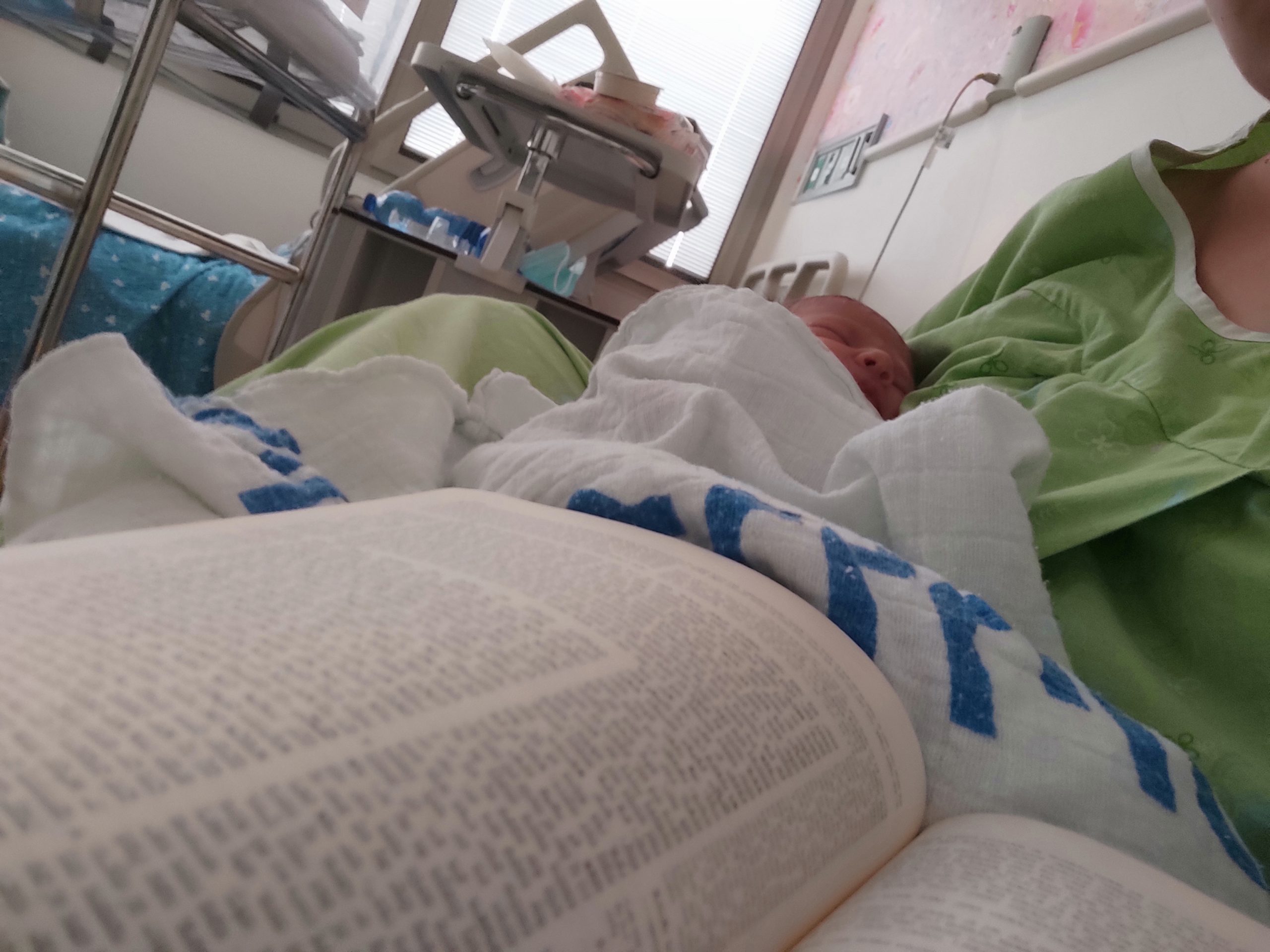
בתחילת הסבב הנוכחי הצטברו אצלי תחושות שאני לא מבינה מספיק מהי ההלכה אותה אני מקיימת בכל יום. כמו כן, כאמא לבנות רציתי לתת להן מודל נשי של לימוד תורה
שתי הסיבות האלו הובילו אותי להתחיל ללמוד. נתקלתי בתגובות מפרגנות וסקרניות איך אישה לומדת גמרא..
כמו שרואים בתמונה אני ממשיכה ללמוד גם היום ואפילו במחלקת יולדות אחרי לידת ביתי השלישית.
רבבה, ישראל
התחלתי ללמוד דף יומי בסבב הקודם. זכיתי לסיים אותו במעמד המרגש של הדרן. בסבב הראשון ליווה אותי הספק, שאולי לא אצליח לעמוד בקצב ולהתמיד. בסבב השני אני לומדת ברוגע, מתוך אמונה ביכולתי ללמוד ולסיים. בסבב הלימוד הראשון ליוותה אותי חוויה מסויימת של בדידות. הדרן העניקה לי קהילת לימוד ואחוות נשים. החוויה של סיום הש”ס במעמד כה גדול כשנשים שאינן מכירות אותי, שמחות ומתרגשות עבורי , היתה חוויה מרוממת נפש
קיבוץ מגדל עוז, ישראל
התחלתי לפני כמה שנים אבל רק בסבב הזה זכיתי ללמוד יום יום ולסיים מסכתות
רעננה, ישראל
התחלתי בתחילת הסבב, והתמכרתי. זה נותן משמעות נוספת ליומיום ומאוד מחזק לתת לזה מקום בתוך כל שגרת הבית-עבודה השוטפת.
בית שמש, ישראל
התחלתי ללמוד לפני כשנתיים בשאיפה לסיים לראשונה מסכת אחת במהלך חופשת הלידה.
אחרי מסכת אחת כבר היה קשה להפסיק…
ירוחם, ישראל
אמא שלי למדה איתי ש”ס משנה, והתחילה ללמוד דף יומי. אני החלטתי שאני רוצה ללמוד גם. בהתחלה למדתי איתה, אח”כ הצטרפתי ללימוד דף יומי שהרב דני וינט מעביר לנוער בנים בעתניאל. במסכת עירובין עוד חברה הצטרפה אלי וכשהתחלנו פסחים הרב דני פתח לנו שעור דף יומי לבנות. מאז אנחנו לומדות איתו קבוע כל יום את הדף היומי (ובשבת אבא שלי מחליף אותו). אני נהנית מהלימוד, הוא מאתגר ומעניין
עתניאל, ישראל
רבנית מישל הציתה אש התלמוד בלבבות בביניני האומה ואני נדלקתי. היא פתחה פתח ותמכה במתחילות כמוני ואפשרה לנו להתקדם בצעדים נכונים וטובים. הקימה מערך שלם שמסובב את הלומדות בסביבה תומכת וכך נכנסתי למסלול לימוד מעשיר שאין כמוה. הדרן יצר קהילה גדולה וחזקה שמאפשרת התקדמות מכל נקודת מוצא. יש דיבוק לומדות שמחזק את ההתמדה של כולנו. כל פניה ושאלה נענית בזריזות ויסודיות. תודה גם למגי על כל העזרה.
נתניה, ישראל
התחלתי מעט לפני תחילת הסבב הנוכחי. אני נהנית מהאתגר של להמשיך להתמיד, מרגעים של "אהה, מפה זה הגיע!” ומהאתגר האינטלקטואלי

לוד, ישראל
"
גם אני התחלתי בסבב הנוכחי וב””ה הצלחתי לסיים את רוב המסכתות . בזכות הרבנית מישל משתדלת לפתוח את היום בשיעור הזום בשעה 6:20 .הלימוד הפך להיות חלק משמעותי בחיי ויש ימים בהם אני מצליחה לחזור על הדף עם מלמדים נוספים ששיעוריהם נמצאים במרשתת. שמחה להיות חלק מקהילת לומדות ברחבי העולם. ובמיוחד לשמש דוגמה לנכדותיי שאי””ה יגדלו לדור שלימוד תורה לנשים יהיה משהו שבשגרה. "
נתניה, ישראל
באירוע של הדרן בנייני האומה. בהשראתה של אמי שלי שסיימה את הש”ס בסבב הקודם ובעידוד מאיר , אישי, וילדיי וחברותיי ללימוד במכון למנהיגות הלכתית של רשת אור תורה סטון ומורתיי הרבנית ענת נובוסלסקי והרבנית דבורה עברון, ראש המכון למנהיגות הלכתית.
הלימוד מעשיר את יומי, מחזיר אותי גם למסכתות שכבר סיימתי וידוע שאינו דומה מי ששונה פרקו מאה לשונה פרקו מאה ואחת במיוחד מרתקים אותי החיבורים בין המסכתות
מודיעין, ישראל
התחלתי מחוג במסכת קידושין שהעבירה הרבנית רייסנר במסגרת בית המדרש כלנה בגבעת שמואל; לאחר מכן התחיל סבב הדף היומי אז הצטרפתי. לסביבה לקח זמן לעכל אבל היום כולם תומכים ומשתתפים איתי. הלימוד לעתים מעניין ומעשיר ולעתים קשה ואף הזוי… אך אני ממשיכה קדימה. הוא משפיע על היומיום שלי קודם כל במרדף אחרי הדף, וגם במושגים הרבים שלמדתי ובידע שהועשרתי בו, חלקו ממש מעשי

ראש העין, ישראל
יומא ל
מִצְוָה לְשַׁפְשֵׁף. מְסַיַּיע לֵיהּ לְרַבִּי אַמֵּי, דְּאָמַר רַבִּי אַמֵּי: אָסוּר לְאָדָם שֶׁיֵּצֵא בְּנִיצוֹצוֹת שֶׁעַל גַּבֵּי רַגְלָיו, מִפְּנֵי שֶׁנִּרְאֶה כִּכְרוּת שׇׁפְכָה, וּמוֹצִיא לַעַז עַל בָּנָיו שֶׁהֵן מַמְזֵרִים.
it is a mitzva to brush the drops of urine from one’s legs so that they cannot be seen. Since one rubs it with his hands, his hands require sanctification as well. The Gemara comments: This supports the opinion of Rabbi Ami, as Rabbi Ami said: It is prohibited for a man to go out with the drops of urine that are on his legs, because he appears as one whose penis has been severed. A man with that condition is incapable of fathering children. People who see urine on his legs might suspect that he is suffering from that condition and spread rumors about his children that they are mamzerim. Therefore, one must be certain to brush the drops of urine from his legs.
אָמַר רַב פָּפָּא: צוֹאָה בִּמְקוֹמָהּ, אָסוּר לִקְרוֹת קְרִיאַת שְׁמַע. הֵיכִי דָמֵי? אִי דְּנִרְאֵית — פְּשִׁיטָא. אִי דְּלֹא נִרְאֵית — לֹא נִיתְּנָה תּוֹרָה לְמַלְאֲכֵי הַשָּׁרֵת! לָא צְרִיכָא: דְּיוֹשֵׁב וְנִרְאֵית, עוֹמֵד וְאֵינָהּ נִרְאֵית.
Apropos the above discussion the Gemara cites that Rav Pappa said: For one with excrement in its place, in the anus, it is prohibited to recite Shema until he removes it. What are the circumstances? If it is excrement that is visible, it is obvious that he cannot recite Shema, as there is excrement on his skin. If it is excrement that is not visible, and it is inside his body, how can Rav Pappa rule that he may not recite Shema? The Torah was not given to the ministering angels, and one’s body cannot be totally free of excrement. The Gemara answers: No, it is necessary to prohibit the recitation of Shema only in a situation where when he is sitting it is visible, and when he is standing it is not visible.
וּמַאי שְׁנָא מִצּוֹאָה עַל בְּשָׂרוֹ? דְּאִיתְּמַר: צוֹאָה עַל בְּשָׂרוֹ, אוֹ שֶׁהָיוּ יָדָיו בְּבֵית הַכִּסֵּא, רַב הוּנָא אָמַר: מוּתָּר לִקְרוֹת קְרִיאַת שְׁמַע, וְרַב חִסְדָּא אָמַר: אָסוּר לִקְרוֹת קְרִיאַת שְׁמַע. בִּמְקוֹמָהּ נְפִישׁ זוּהֲמָא, שֶׁלֹּא בִּמְקוֹמָהּ לָא נְפִישׁ זוּהֲמָא.
The Gemara asks: If so, in what way is that different from excrement on his flesh? As it was stated in a case where one has excrement on his flesh or that his hands were placed into a bathroom that Rav Huna said: It is nevertheless permitted to recite Shema. And Rav Ḥisda said: It is prohibited to recite Shema in those cases. The Gemara rejects this: The situations are not comparable. There is no dispute that excrement in its place is more severe, as in the anus the filth is great because it is new and malodorous. And if it is not in its place, its filth is not great, as it is dried and less malodorous. It is with regard to that situation that there is an amoraic dispute.
תָּנוּ רַבָּנַן הֲלָכָה בִּסְעוּדָה: אָדָם יוֹצֵא לְהַשְׁתִּין מַיִם — נוֹטֵל יָדוֹ אַחַת וְנִכְנָס. דִּיבֵּר עִם חֲבֵירוֹ וְהִפְלִיג — נוֹטֵל שְׁתֵּי יָדָיו וְנִכְנָס. וּכְשֶׁהוּא נוֹטֵל, לֹא יִטּוֹל מִבַּחוּץ וְיִכָּנֵס, מִפְּנֵי חֲשָׁד. אֶלָּא נִכְנָס וְיוֹשֵׁב בִּמְקוֹמוֹ וְנוֹטֵל שְׁתֵּי יָדָיו, וּמַחֲזִיר הַטָּפִיחַ עַל הָאוֹרְחִין.
The Gemara proceeds to discuss a related topic. The Sages taught a halakha with regard to a meal in a baraita: A person who exits a meal to urinate washes one of his hands, the one that he used to brush off drops of urine, and enters to resume the meal. If one left, spoke with another, and lingered outside, he washes both of his hands and enters to resume the meal. Presumably, during the lengthy conversation he was distracted from maintaining the cleanliness of his hands, requiring him to wash his hands again. And when one washes his hands for the meal he should not wash them outside and then enter, due to the concern that doing so will arouse suspicion that he did not wash his hands. Rather, he enters and sits in his place and washes both his hands, and returns the jug of water to pass among the guests and ask if anyone requires water, to make certain that everyone is aware that he washed his hands.
אָמַר רַב חִסְדָּא: לָא אֲמַרַן אֶלָּא לִשְׁתּוֹת, אֲבָל לֶאֱכוֹל — נוֹטֵל מִבַּחוּץ וְנִכְנָס, דְּמִידָּע יְדִיעַ דַּאֲנִינָא דַּעְתֵּיהּ. אָמַר רַב נַחְמָן בַּר יִצְחָק: וַאֲנָא אֲפִילּוּ לִשְׁתּוֹת נָמֵי, מִידָּע יָדְעִי דַּאֲנִינָא דַּעְתַּאי.
Rav Ḥisda said: We said this principle with regard to making certain that one washes his hands in public only when he enters to drink; however, if he enters and intends to eat he may even wash his hands outside and enter. Why is this so? It is because it is well known that he is fastidious and would not handle food without cleaning urine and the like off his hands. Rav Naḥman bar Yitzḥak said: And I can even wash my hands outside when I intend only to drink, because they know that I am fastidious and that I certainly washed my hands before I entered to eat.
מַתְנִי׳ אֵין אָדָם נִכְנָס לָעֲזָרָה לַעֲבוֹדָה אֲפִילּוּ טָהוֹר עַד שֶׁיִּטְבּוֹל. חָמֵשׁ טְבִילוֹת וַעֲשָׂרָה קִדּוּשִׁין טוֹבֵל כֹּהֵן גָּדוֹל וּמְקַדֵּשׁ בּוֹ בַּיּוֹם, וְכוּלָּן בַּקֹּדֶשׁ עַל בֵּית הַפַּרְוָה, חוּץ מִזּוֹ בִּלְבַד. פֵּרְסוּ סָדִין שֶׁל בּוּץ בֵּינוֹ לְבֵין הָעָם (קִידֵּשׁ יָדָיו וְרַגְלָיו).
MISHNA: A person does not enter the Temple courtyard for the Temple service, even if he is pure, until he immerses. Five immersions and ten sanctifications the High Priest immerses and sanctifies his hands and feet, respectively, on the day of Yom Kippur. And all of these immersions and sanctifications take place in the sacred area, the Temple courtyard, on the roof of the Hall of Parva, except for this first immersion alone. As that immersion is not unique to Yom Kippur, it may be performed outside the courtyard. They spread a sheet of fine linen between him and the people in the interest of modesty, and then the High Priest immersed and sanctified his hands and feet.
גְּמָ׳ שָׁאֲלוּ אֶת בֶּן זוֹמָא: טְבִילָה זוֹ, לָמָּה? אָמַר לָהֶם: וּמָה הַמְשַׁנֶּה מִקּוֹדֶשׁ לְקוֹדֶשׁ, וּמִמָּקוֹם שֶׁעָנוּשׁ כָּרֵת לְמָקוֹם שֶׁעָנוּשׁ כָּרֵת — טָעוּן טְבִילָה. הַמְשַׁנֶּה מֵחוֹל לְקוֹדֶשׁ, וּמִמָּקוֹם שֶׁאֵין עָנוּשׁ כָּרֵת לְמָקוֹם שֶׁעָנוּשׁ כָּרֵת — אֵינוֹ דִּין שֶׁטָּעוּן טְבִילָה?
GEMARA: They asked ben Zoma with regard to this immersion: Why is it a requirement for anyone who enters to perform the Temple service? He said to them: Just as one who moves from service in one sacred area to service in another sacred area, i.e., the High Priest on Yom Kippur, who moves from one service to another in the Temple courtyard and the Sanctuary; and likewise one who moves from service in an area that one who enters while impure is punished by karet, the courtyard, to service in another area that one who enters impure is punished by karet, the Sanctuary or the Holy of Holies, requires immersion; so too, with regard to one who moves from a non-sacred area to a sacred area, and from a place that one who enters while impure is not punished by karet to a place that one who enters while impure is punished by karet, is it not right that he require immersion? This first immersion was instituted for purposes of sanctity rather than purity.
רַבִּי יְהוּדָה אוֹמֵר: סֶרֶךְ טְבִילָה הִיא זוֹ, כְּדֵי שֶׁיִּזְכּוֹר טוּמְאָה יְשָׁנָה שֶׁבְּיָדוֹ וְיִפְרוֹשׁ.
Rabbi Yehuda says: It is an ancillary immersion, which is not a mitzva, instituted so that one will remember any old impurity that he contracted and withdraw. In the course of immersion, he will remember if he was exposed to a source of seven-day impurity and will refrain from serving in the Temple.
בְּמַאי קָא מִיפַּלְגִי?
The Gemara asks: With regard to what principle do ben Zoma and Rabbi Yehuda, who provided two different rationales for the immersion, disagree?
בְּאַחוֹלֵי עֲבוֹדָה קָא מִיפַּלְגִי. לְבֶן זוֹמָא, מַחֵיל עֲבוֹדָה. לְרַבִּי יְהוּדָה לָא מַחֵיל עֲבוֹדָה.
It is with regard to whether the Temple service is desecrated and disqualified if the priest failed to immerse before its performance that they disagree. According to the opinion of ben Zoma, this immersion is for the purpose of sanctification and is an integral part of the service; consequently, if the priest failed to immerse he desecrates the service. According to the opinion of Rabbi Yehuda he does not desecrate the service, because the immersion is merely a precautionary measure.
וּלְבֶן זוֹמָא מִי מַחֵיל? וְהָתַנְיָא: כֹּהֵן גָּדוֹל שֶׁלֹּא טָבַל וְלֹא קִידֵּשׁ בֵּין בֶּגֶד לְבֶגֶד וּבֵין עֲבוֹדָה לַעֲבוֹדָה — עֲבוֹדָתוֹ כְּשֵׁרָה. אֶחָד כֹּהֵן גָּדוֹל וְאֶחָד כֹּהֵן הֶדְיוֹט שֶׁלֹּא קִידֵּשׁ יָדָיו וְרַגְלָיו שַׁחֲרִית וְעָבַד עֲבוֹדָה — עֲבוֹדָתוֹ פְּסוּלָה.
The Gemara wonders: And according to ben Zoma, is the service desecrated? But wasn’t it taught in a baraita: With regard to a High Priest who did not immerse and did not sanctify his hands and feet between donning the golden garments and the white linen garments, and similarly, with regard to a High Priest who did not immerse between performance of one service and another service, his service is valid. However, both a High Priest and a common priest who did not sanctify his hands and feet at all in the morning and performed the service, his service is disqualified. If the High Priest’s failure to immerse between services does not desecrate the service, all the more so that failure to perform the first immersion would not desecrate the service, as ben Zoma derives the first immersion from the immersion of the High Priest. Apparently, that is not the basis of their dispute.
אֶלָּא: לְמֵיקַם בַּעֲשֵׂה קָא מִיפַּלְגִי. לְבֶן זוֹמָא קָאֵי בַּעֲשֵׂה, לְרַבִּי יְהוּדָה לָא קָאֵי בַּעֲשֵׂה.
Rather, it is with regard to whether one who fails to immerse before service stands in violation of a positive mitzva that they disagree. According to ben Zoma, he stands in violation of a positive mitzva because there is a special requirement to perform this immersion for the purpose of sanctification. According to Rabbi Yehuda, he does not stand in violation of a positive mitzva.
וּמִי אִית לֵיהּ לְרַבִּי יְהוּדָה הַאי סְבָרָא? וְהָתַנְיָא: מְצוֹרָע — טוֹבֵל וְעוֹמֵד בְּשַׁעַר נִיקָנוֹר. רַבִּי יְהוּדָה אוֹמֵר: אֵינוֹ צָרִיךְ טְבִילָה, שֶׁכְּבָר טָבַל מִבָּעֶרֶב.
The Gemara wonders: And does Rabbi Yehuda hold in accordance with this line of reasoning? Wasn’t it taught in a baraita: A leper on the eighth day of his purification, after he has already immersed at the end of the seventh day, immerses again and stands at the Gate of Nicanor in the Temple to bring his purification offerings and to have the priest sprinkle the blood of the guilt-offering and the oil that accompanies his purification offerings on his thumbs and big toes to complete the purification process. Rabbi Yehuda says: He does not require an additional immersion, as he already immersed the previous evening. Apparently, Rabbi Yehuda does not require a special immersion in the morning to remind the leper of old impurity.
הָהוּא, כִּדְתָנֵי טַעְמָא: שֶׁכְּבָר טָבַל מִבָּעֶרֶב.
The Gemara answers: In that case of the leper, the reason that no immersion is required in the morning is as the reason was taught in the baraita: As he already immersed the previous evening. That immersion purified him and reminded him of any old impurity that he might have. This is in no way connected to the matter of ancillary immersion.
וּדְקָאָרֵי לַהּ מַאי קָאָרֵי לַהּ? מִשּׁוּם דְּקָא בָּעֵי לְמִרְמֵא אַחֲרִיתִי עֲלַיהּ: לִשְׁכַּת הַמְצוֹרָעִין שֶׁשָּׁם מְצוֹרָעִין טוֹבְלִין. רַבִּי יְהוּדָה אוֹמֵר: לֹא מְצוֹרָעִין בִּלְבַד אָמְרוּ, אֶלָּא כָּל אָדָם.
The Gemara asks: And the one who grasps this baraita as a contradiction to Rabbi Yehuda’s opinion, in what manner does he grasp it? The rationale for the halakha is explicit. The Gemara answers: Because the Gemara wants to raise a contradiction between another baraita and this baraita, and the question will be clarified through combination of the sources. As it was taught: Why was the chamber called the Chamber of the Lepers? It is because the lepers immerse there. Rabbi Yehuda says: It was not only lepers that they said immerse there; rather, all people immersed there. Rabbi Yehuda states that lepers and others immersed in this chamber in the Temple, contradicting his statement in the first baraita that a leper does not require immersion in the Temple, as he immersed the evening before.
לָא קַשְׁיָא: הָא דִּטְבֵיל, הָא דְּלָא טְבֵיל. אִי דְּלָא טְבֵיל — הֶעֱרֵב שֶׁמֶשׁ בָּעֵי! אֶלָּא: אִידֵּי וְאִידֵּי דִּטְבֵיל. הָא דְּאַסַּח דַּעְתֵּיהּ, הָא דְּלָא אַסַּח דַּעְתֵּיהּ.
The Gemara answers: This is not difficult; this baraita is referring to a case where the leper immersed the evening before and need not immerse again; that baraita is referring to a case where the leper did not immerse. In that case, there was a special chamber where lepers could immerse. The Gemara asks: If it is a case where the leper did not immerse at all the previous evening, he requires the sun to set after his immersion to be sufficiently purified to enter the Temple. Rather, both this baraita and that baraita refer to a case where the leper immersed, but this baraita that requires a second immersion is in a case where he was distracted from his efforts to avoid impurity imparted by a corpse; that baraita that does not require a second immersion is in a case where he was not distracted.
אִי אַסַּח דַּעְתֵּיהּ, הַזָּאַת שְׁלִישִׁי וּשְׁבִיעִי בָּעֵי. דְּאָמַר רַבִּי דּוֹסְתַּאי בַּר מָתוּן אָמַר רַבִּי יוֹחָנָן: הֶסַּח הַדַּעַת צָרִיךְ הַזָּאָה שְׁלִישִׁי וּשְׁבִיעִי!
The Gemara asks: If he was distracted from his efforts to avoid impurity imparted by a corpse, it is sprinkling of purification waters on the third and the seventh days that he requires, not merely immersion. As Rabbi Dostai bar Matun said that Rabbi Yoḥanan said: Distraction from efforts to avoid impurity requires sprinkling of purification waters on the third and the seventh days.
אֶלָּא אִידֵּי וְאִידֵּי דְּלָא אַסַּח דַּעְתֵּיהּ, וְלָא קַשְׁיָא: הָא דִּטְבֵיל עַל דַּעַת בִּיאַת מִקְדָּשׁ, הָא דְּלָא טְבֵיל עַל דַּעַת בִּיאַת מִקְדָּשׁ. וְאִי בָּעֵית אֵימָא תָּנֵי: לֹא מְצוֹרָעִין אָמְרוּ, אֶלָּא כָּל אָדָם.
Rather, both this baraita and that baraita refer to a case where the leper was not distracted, and this is not difficult; this baraita is referring to a case where the leper immersed the evening before with the intention of entering the Temple; that baraita is referring to a case where the leper did not immerse in the evening with the intention of entering the Temple. In that case, he requires a second immersion for purification even to enter the sacred area. And if you wish, say instead: Teach the baraita with a slight emendation: It was not lepers that they said immerse there; rather, all people immersed there. Rabbi Yehuda does not qualify the statement of the Rabbis but disputes it. In his opinion, lepers do not require immersion in the morning at all.
רָבִינָא אָמַר: רַבִּי יְהוּדָה לְדִבְרֵיהֶם דְּרַבָּנַן קָאָמַר לְהוּ: לְדִידִי — מְצוֹרָע אֵין צָרִיךְ טְבִילָה, לְדִידְכוּ — אוֹדוֹ לִי אִיזִי מִיהַת דְּלֹא מְצוֹרָעִין בִּלְבַד אָמְרוּ, אֶלָּא כָּל אָדָם. וְרַבָּנַן: מְצוֹרָע דָּיֵישׁ בְּטוּמְאָה, כׇּל אָדָם לָא דָּיְישִׁי בְּטוּמְאָה.
In an alternative resolution of the contradiction between the statements of Rabbi Yehuda, Ravina said: In the second baraita, Rabbi Yehuda is stating his opinion to them according to the statement of the Rabbis. His statement does not reflect his opinion. Rather, it is a contention that he raised in the framework of his dispute with the Rabbis. According to my opinion, a leper does not require a second immersion to enter the Temple. However, according to your opinion, concede to me then [izi] that it was not only lepers that they said immerse there; rather, all people immersed there. The Gemara asks: And how do the Rabbis explain their opinion? It answers that there is no comparison: A leper is accustomed to impurity; therefore, he could overlook other impurities that he may have contracted. The immersion reminds him to purify himself for those as well. However, all other people, who are not accustomed to impurity, will certainly be sensitive to and conscious of any impurity that they may have encountered and do not require a special immersion.
אֲמַר לֵיהּ אַבָּיֵי לְרַב יוֹסֵף: נֵימָא רַבָּנַן דִּפְלִיגִי עֲלֵיהּ דְּרַבִּי יְהוּדָה — כְּבֶן זוֹמָא סְבִירָא לְהוּ, וְהַאי דְּקָתָנֵי מְצוֹרָע, לְהוֹדִיעֲךָ כֹּחוֹ דְּרַבִּי יְהוּדָה. אוֹ דִילְמָא, שָׁאנֵי מְצוֹרָע דְּדָיֵישׁ בְּטוּמְאָה. אָמַר לֵיהּ: שָׁאנֵי מְצוֹרָע דְּדָיֵישׁ בְּטוּמְאָה.
Abaye said to Rav Yosef: Let us say that the Rabbis, who disagree with Rabbi Yehuda with regard to immersions, hold in accordance with the opinion of ben Zoma, who maintains that this immersion is an obligation by Torah law for anyone entering the courtyard. And the fact that the dispute in the baraita is taught with regard to a leper, contrary to the opinion of ben Zoma, comes to convey the far-reaching nature of the opinion of Rabbi Yehuda that even a leper does not require immersion. Or perhaps fundamentally the Rabbis agree with Rabbi Yehuda; however, the halakha of a leper is different because he is accustomed to impurity, and that is why a second immersion was instituted for him. Rav Yosef said to him: A leper is different because he is accustomed to impurity.
אֲמַר לֵיהּ אַבָּיֵי לְרַב יוֹסֵף (לְרַבִּי יְהוּדָה דְּאָמַר: סֶרֶךְ) טְבִילָה (הִיא) זוֹ,
Abaye said to Rav Yosef: According to Rabbi Yehuda, who said the immersion is not an actual obligation but it is an ancillary immersion to remind the individual of old impurity,

